Acrylic Storage Shelf
CN → US| HS Code | Tariff Rate | Origin | Destination | Doc |
|---|---|---|---|---|
| 3925900000 | 40.3% | CN | US | Official Doc |
| 3925200091 | 22.8% | CN | US | Official Doc |
| 3926305000 | 22.8% | CN | US | Official Doc |
| 3926909989 | 22.8% | CN | US | Official Doc |
| 3926909989 | 22.8% | CN | US | Official Doc |
Product Images
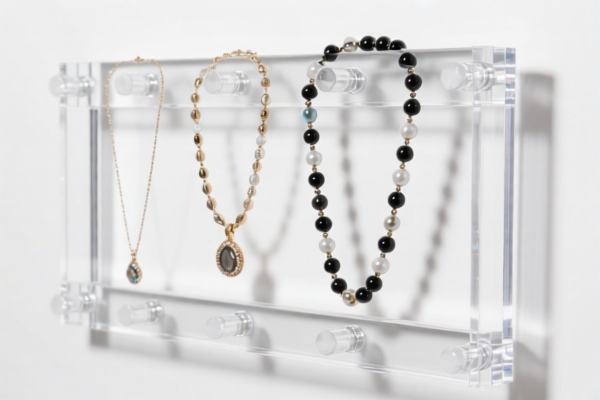
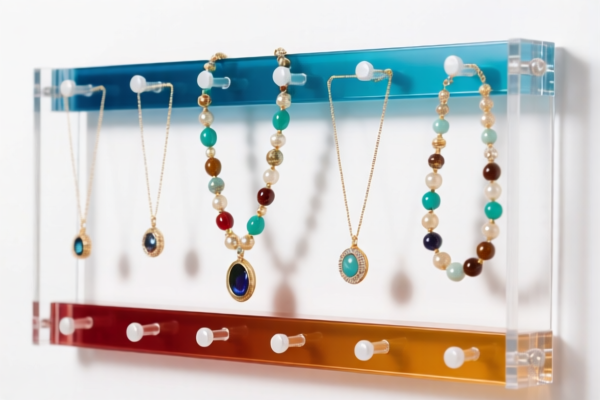
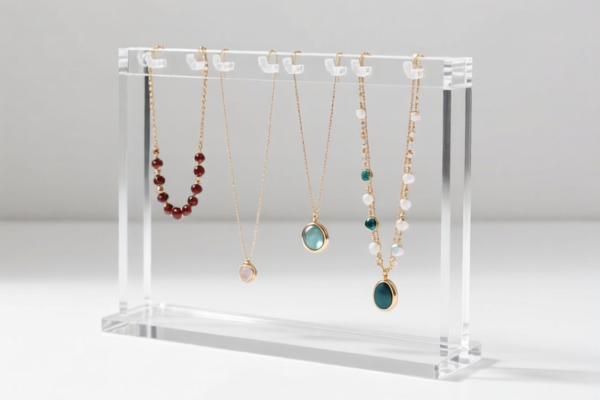
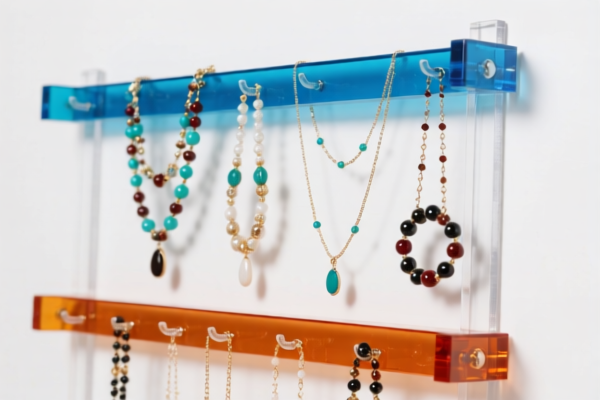
AI Analysis
🏷️ Acrylic Storage Shelf (Organizer & Display Unit)
🌐 HS Code Reference & Customs Clearance Guide | 2026 Latest Tariff Analysis | Strategic Compliance Strategy
📌 Part 1: Product Definition & Classification: Do You Really Understand "Acrylic"?
An Acrylic Storage Shelf is typically a transparent, durable, and modular unit used for organizing goods in retail, home, or industrial settings. In international trade, it is classified as a plastic article. However, the specific HS Code depends on its primary function and structural role.
⚠️ Key Classification Distinction:
- If viewed as a general storage facility or structural support element → It may fall under 3925.90.00.00.
- If viewed as a component/parts of furniture or display systems → It may fall under 3925.20.00.91, 3926.30.50.00, or 3926.90.99.89.
📦 Part 2: HS Code Classification Details (2026 Authoritative对照)
Based on the provided data, there are five potential classifications. Here is the detailed breakdown:
| HS Code | Summary/Logic | Key Characteristics | Total Tax Rate |
|---|---|---|---|
3925.90.00.00 |
Plastic Building/Fixtures: Acrylic is plastic; shelves are considered fixtures/support structures. | General storage units, fixed or semi-fixed shelves. | 40.3% |
3925.20.00.91 |
Plastic Accessories: Acrylic is plastic; shelves are considered "other accessories" for fittings. | Smaller shelf units, connectors, or modular parts. | 22.8% |
3926.30.50.00 |
Plastic Fittings: Acrylic is plastic; shelves act as connecting/supporting parts. | Structural support elements, brackets, or supports. | 22.8% |
3926.90.99.89 |
Other Plastic Articles: Acrylic is plastic; shelves are classified as "other制品" (products). | General plastic storage products not specified elsewhere. | 22.8% |
3926.90.99.89 |
Catch-all Category: Acrylic is plastic; shelves are treated as general articles/parts fallback. | Items not fitting specific "accessory" or "fitting" definitions. | 22.8% |
🔍 Critical Insight:
- The highest tax rate (40.3%) applies if the shelf is classified as a building fixture (3925.90.00.00).
- The lower tax rate (22.8%) applies if classified as accessories, fittings, or general plastic articles (3925.20,3926.30,3926.90).
- Strategy: Properly defining the shelf as a "component" or "general article" rather than a "building fixture" can save 17.5% in duties.
💰 Part 3: Detailed Tariff Rate Breakdown (Including Surcharges)
✅ Applicable Country: United States (US)
✅ Country of Origin: China (CN)
✅ Effective Date: As per current trade policies (including Section 301 & Section 122)
🎯 1. 3925.90.00.00 —— Plastics for Building/Fixtures (General)
| Item | Detail |
|---|---|
| Base Duty | 5.3% |
| Section 301 Surcharge | 25.0% |
| Section 122 Tariff | 10.0% |
| Total Rate | 40.3% |
| Calculation | CIF Value × 40.3% |
| De Minimis Exemption | ❌ Not Applicable (High risk of audit) |
📌 Explanation:
- This classification is often triggered if customs views the acrylic shelf as a permanent fixture or building part (e.g., built-in shelving).
- The 25% Section 301 and 10% Section 122 add significant cost.
- Risk: High. If the shelf is portable or modular, this classification may be challenged.
🎯 2. 3925.20.00.91 —— Plastics: Accessories for Buildings
| Item | Detail |
|---|---|
| Base Duty | 5.3% |
| Section 301 Surcharge | 7.5% |
| Section 122 Tariff | 10.0% |
| Total Rate | 22.8% |
| Calculation | CIF Value × 22.8% |
| De Minimis Exemption | ❌ Not Applicable |
📌 Explanation:
- Savings: 17.5% lower than3925.90.
- Logic: The shelf is treated as an accessory to a larger system (e.g., retail display system), not a standalone building fixture.
🎯 3. 3926.30.50.00 —— Plastic Fittings (Connecting/Supporting)
| Item | Detail |
|---|---|
| Base Duty | 5.3% |
| Section 301 Surcharge | 7.5% |
| Section 122 Tariff | 10.0% |
| Total Rate | 22.8% |
| Calculation | CIF Value × 22.8% |
| De Minimis Exemption | ❌ Not Applicable |
📌 Explanation:
- Savings: 17.5% lower than3925.90.
- Logic: The shelf acts as a supporting or connecting component. Ideal if the shelf is part of a larger modular storage system.
🎯 4 & 5. 3926.90.99.89 —— Other Plastic Articles (Catch-all)
| Item | Detail |
|---|---|
| Base Duty | 5.3% |
| Section 301 Surcharge | 7.5% |
| Section 122 Tariff | 10.0% |
| Total Rate | 22.8% |
| Calculation | CIF Value × 22.8% |
| De Minimis Exemption | ❌ Not Applicable |
📌 Explanation:
- Savings: 17.5% lower than3925.90.
- Logic: Used as a fallback category for plastic articles not specifically mentioned elsewhere. Safe if the shelf doesn't fit "fitting" or "accessory" definitions precisely.
🛠️ Part 4: Customs Clearance Practical Advice
✅ 1. Documentation Checklist
| Document | Requirement | Notes |
|---|---|---|
| Product Specifications | ✔️ Must | Include dimensions, weight, material (100% Acrylic/PMMA), and usage (e.g., "Retail Display Shelf"). |
| Photos (Clear) | ✔️ Must | Show the shelf assembled, with labels indicating "Portable" or "Modular" if applicable. |
| Bill of Lading | ✔️ Must | Ensure description matches HS Code logic (e.g., "Plastic Storage Accessories" vs. "Plastic Shelving"). |
| Commercial Invoice | ✔️ Must | Clearly state "Acrylic Storage Shelf" and include HS Code. |
| Origin Certificate | ✔️ Recommended | If non-China origin, may avoid surcharges (but acrylic is likely China-made). |
✅ 2. Declaration Strategy (Key Tips)
🔥 "Don't Declare as 'Building Fixture' if It's Portable!"
| Scenario | Recommended HS Code | Reason |
|---|---|---|
| Large, Fixed Wall Shelves | 3925.90.00.00 |
Treated as part of the building structure. |
| Modular Retail Displays | 3925.20.00.91 or 3926.30.50.00 |
Treated as accessories or fittings for display systems. |
| Portable Home Organizers | 3926.90.99.89 |
Treated as general plastic articles. |
| Shelf Components (Loose) | 3926.90.99.89 |
If sold as parts, not assembled. |
⚠️ Warning:
- Avoid using the term "Building Fixture" or "Construction Material" in descriptions unless it is actually fixed to a wall/floor.
- Use terms like "Display Shelf," "Storage Organizer," "Plastic Accessory," or "Modular Shelf."
✅ 3. Special Considerations
| Situation | Advice |
|---|---|
| Section 122 Tariff (10%) | Applies to most Chinese goods regardless of HS Code. Plan for this cost. |
| Section 301 Tariff | Varies by HS Code. 3925.90 has 25%, while others have 7.5%. Justify the lower rate! |
| De Minimis (Section 321) | ❌ Not Eligible. Acrylic shelves from China exceed the $800 threshold and are subject to full duties. |
| Material Composition | Ensure the product is 100% Acrylic (PMMA). If mixed with metal frames, classification may change (e.g., to 7326 or 8302). |
🌍 Part 5: Global Market Comparison (2026)
| Market | Recommended HS Code | Est. Total Duty | Notes |
|---|---|---|---|
| 🇺🇸 USA | 3926.90.99.89 |
22.8% | Best rate if classified as general article. |
| 🇺🇸 USA | 3925.90.00.00 |
40.3% | Avoid if possible. |
| 🇨🇳 China | 3926.90.99.89 |
5.3% | Base rate only. |
| 🇪🇺 EU | 3926.90.99 |
5.0% - 6.5% | Standard plastic articles. |
| 🇬🇧 UK | 3926.90.99 |
5.0% - 6.5% | Post-Brexit tariffs similar to EU. |
| 🇯🇵 Japan | 3926.90.99 |
5.0% | Low base duty. |
📌 Conclusion:
- The US market is the most sensitive to HS Code classification due to Section 301 variations.
- Saving 17.5% by choosing the right code is critical for profitability.
- Never assume all plastic shelves are the same. Function and installation method matter.
📌 Part 6: Common Mistakes & Pitfalls (Blood Lessons)
❌ Mistake 1: Declaring all acrylic shelves as 3925.90.00.00 ("Building Fixtures")
👉 Result: Paying 40.3% instead of 22.8%. Loss: 17.5% on CIF value.
❌ Mistake 2: Ignoring Section 122 Tariff
👉 Result: Underestimating total cost. Section 122 is a flat 10% on most Chinese goods, regardless of HS Code.
❌ Mistake 3: Describing products as "Shelving Systems" without specifying portability
👉 Result: Customs may classify as fixed fixtures (3925.90), triggering higher duties.
✅ Correct Approach:
"Portable Acrylic Display Shelf, Modular Design, For Retail Use, Model XYZ, 100% PMMA"
🎯 Part 7: Conclusion: Precision Pays Off!
🎯 Key Takeaway:
🔹 "Don't Label It 'Fixed' if It's 'Portable'!"
🔹 "HS Code Choice Saves 17.5% in US Duties!"
🔹 "Section 122 is Always 10%, But Section 301 Varies!"📌 Pro Tip:
If your acrylic shelf is part of a larger retail display system, declare it as an accessory (3925.20or3926.30) to benefit from the 7.5% Section 301 rate instead of 25%.
For home use organizers, use3926.90.99.89as a safe, general category.
📣 Immediate Action:
📞 Consult a customs broker to pre-classify your specific shelf design.
📝 Provide detailed product descriptions and photos to justify the 22.8% rate.
🚀 Optimize your supply chain by leveraging the correct HS Code to reduce costs!
✨ Accurate Classification is the First Step to Profitable Trade!
💼 Every Percent Saved is Pure Profit!
Customer Reviews
About HS Code Classification
The Harmonized System (HS) is an internationally standardized nomenclature developed by the World Customs Organization (WCO) to classify traded products. Over 200 countries use the HS system as the basis for customs tariffs, trade statistics, and import/export regulations.
Each HS code follows a hierarchical structure:
- Chapter (2 digits) — Broad category of goods (e.g., Chapter 84: Machinery and Mechanical Appliances)
- Heading (4 digits) — More specific grouping within the chapter
- Subheading (6 digits) — Internationally standardized breakdown, used by all WCO member countries
- National subdivisions (8-10 digits) — Country-specific extensions for further classification, such as US HTSUS 10-digit codes
Correct HS code classification is essential for smooth customs clearance, accurate duty payment, and compliance with trade regulations. Misclassification can lead to customs delays, overpayment of duties, or penalties.
When importing from CN to US, the applicable tariff rates may include:
- Most-Favored-Nation (MFN) rate — The standard duty rate applied to WTO members
- General rate — Applied to countries without trade agreements
- Trade remedy duties — Additional tariffs such as Section 301 (anti-dumping), Section 232 (national security), or countervailing duties
The information provided on this page is for reference purposes only. For official classification, please consult with your local customs authority or a licensed customs broker.