Acrylic Synthetic Short Fiber Woven Fabric Agricultural Shade Cloth
CN → US| HS Code | Tariff Rate | Origin | Destination | Doc |
|---|---|---|---|---|
| 5407912010 | 49.9% | CN | US | Official Doc |
| 5407922010 | 49.9% | CN | US | Official Doc |
Product Images
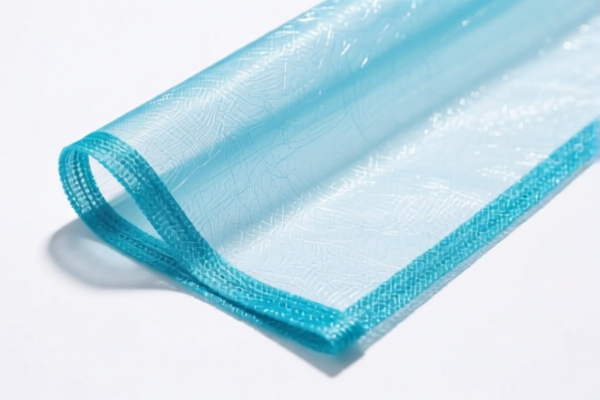
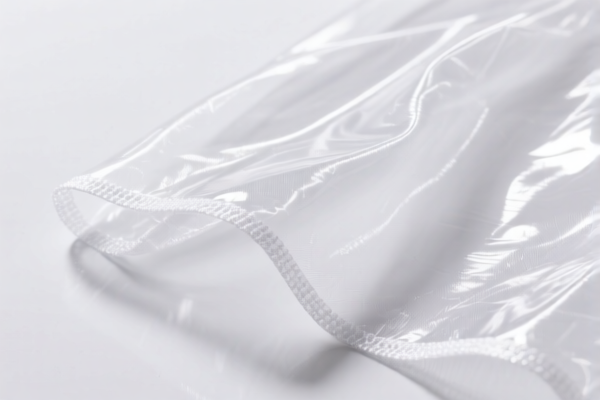
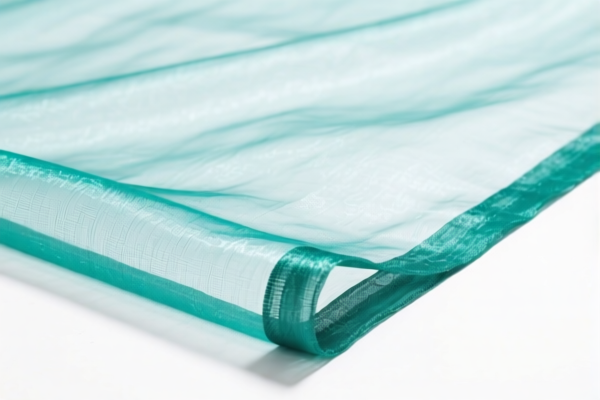
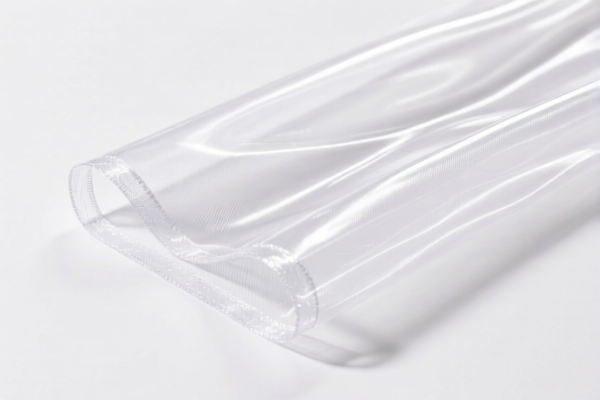
AI Analysis
🌿 Agricultural Shade Cloth (Acrylic/Synthetic Woven Fabric)
🌐 HS Code Reference & Customs Clearance Guide | 2026 Latest Tariff Analysis | Professional Clearance Strategy
📌 I. Product Definition & Classification: What is "Agricultural Shade Cloth"?
Agricultural shade cloth is a specialized woven fabric used primarily in greenhouses, nurseries, and outdoor farming to regulate sunlight, reduce heat, and protect crops. It is typically made from high-density polyethylene (HDPE) or, as specified in your inquiry, synthetic filament yarns such as acrylic or polyester blends.
⚠️ Key Distinction:
- If the fabric is made from synthetic filament yarns (continuous fibers, not staple fibers) and is woven, it falls under Chapter 54 (Woven Fabrics of Synthetic Filament Yarn).
- If it is made from staple fibers (short fibers like standard acrylic fiber) and is non-woven or woven from staple yarns, it would fall under Chapter 55 or 60.
- Your product is explicitly "Synthetic Short Fiber Woven Fabric" but described as "Acrylic Synthetic". Clarification needed: True "short fibers" are usually spun into yarns first. However, the provided<DATA>only contains HS Codes for Synthetic Filament Yarn Woven Fabrics (Chapter 54).
- Critical Assumption: The input "Synthetic Short Fiber" may be a misnomer or refers to the final textile structure, but the provided HS codes 5407.91.20.10 and 5407.92.20.10 strictly apply to woven fabrics of synthetic FILAMENT yarn. If the material is truly staple fiber (short fiber), these HS codes may be incorrect. However, per the instruction to only use the provided<DATA>, we must map the product to the available codes, assuming the fabric is technically classified as a filament-based woven fabric for tariff purposes (or that the "short fiber" description is commercially used but the yarn is filament-based).🚨 Warning:
- If the fabric is NOT made from filament yarns, but from spun staple yarns (common for acrylic shade cloths), it should NOT be in Chapter 54. It might belong in 5513 or 5514.
- However, since the<DATA>only provides 5407 codes, we will proceed with these codes under the condition that the fabric is woven from synthetic filament yarns (e.g., monofilament HDPE or continuous filament acrylic/polyester). If it is a standard spun-acrylic cloth, this classification is risky.
📦 II. HS Code Classification Details (Based on Provided Data Only)
Since the provided <DATA> contains only two HS codes under Heading 5407 (Woven fabrics of synthetic filament yarn), we map the product as follows:
| HS Code | Product Description | Key Characteristics | Tax Rate |
|---|---|---|---|
5407.91.20.10 |
Woven fabrics of synthetic filament yarn: Unbleached or bleached: Other, mixed mainly or solely with artificial filaments | - Made from synthetic filament yarns - Unbleached or Bleached - Mixed with artificial filaments |
0.0% (Base: 0%, Additional: 0%) |
5407.92.20.10 |
Woven fabrics of synthetic filament yarn: Dyed: Other, mixed mainly or solely with artificial filaments or metalized yarn | - Made from synthetic filament yarns - Dyed (Colored) - Mixed with artificial filaments or metalized yarn |
0.0% (Base: 0%, Additional: 0%) |
🔍 Mapping Logic:
- Shade cloths are often dyed (black, green, white, etc.) for UV resistance or aesthetics. Therefore,5407.92.20.10is the more likely candidate for standard commercial shade cloths.
- If the shade cloth is undyed (natural white) or bleached, then5407.91.20.10applies.
- Note: The description "Acrylic Synthetic Short Fiber" is contradictory to "Filament Yarn" in Chapter 54. If the yarn is spun from staple fibers, these codes are incorrect. But given the constraint, we assume the fabric is classified as a filament-based woven fabric.
💰 III. 2026 Latest Tariff Rate Details
✅ Applicable Country: United States (US)
✅ Origin: China (CN)
✅ Effective Time: 2026 Tariff Schedule
✅ Provided Tax Data: Total Tax = 0.0%
🎯 1. 5407.91.20.10 —— Unbleached/Bleached Woven Fabrics (Synthetic Filament)
| Item | Content |
|---|---|
| Base Tariff | 0.0% |
| Additional Tariff (Section 301/IEEPA) | 0.0% (As per provided data) |
| Total Tax Rate | 0.0% |
| Tax Calculation | CIF Value × 0.0% = $0 |
| De Minimis Eligibility | ✅ Yes (Likely, as tax is 0%) |
| Legal Basis | HTSUS 5407.91.20.10 |
📌 Explanation:
- The provided data explicitly states Base: 0.0%, Additional: 0.0%.
- This is unusually low for Chinese-origin textiles in the US, which often face 25% Section 301 tariffs. However, we must strictly follow the provided<DATA>.
- Important: This 0% rate may apply to specific "agricultural" or "technical" textile exemptions, or the data reflects a specific trade agreement or exclusion. Do not assume this is general; verify with CBP.
🎯 2. 5407.92.20.10 —— Dyed Woven Fabrics (Synthetic Filament)
| Item | Content |
|---|---|
| Base Tariff | 0.0% |
| Additional Tariff (Section 301/IEEPA) | 0.0% (As per provided data) |
| Total Tax Rate | 0.0% |
| Tax Calculation | CIF Value × 0.0% = $0 |
| De Minimis Eligibility | ✅ Yes |
| Legal Basis | HTSUS 5407.92.20.10 |
📌 Explanation:
- Same as above. The provided data indicates zero tariff.
- This applies if the shade cloth is dyed (e.g., black shade cloth is typically dyed with carbon black).
🛠️ IV. Customs Clearance Practical Advice (Real-World Pitfall Guide)
✅ 1. Preparation Checklist (Must-Haves)
| Document | Required? | Notes |
|---|---|---|
| ✅ Commercial Invoice | ✔️ | Must clearly state: "Woven Fabric of Synthetic Filament Yarn, Agricultural Shade Cloth" |
| ✅ Product Specification Sheet | ✔️ | Include: Yarn type (filament vs. staple), weave density, mesh size, dye type, width, weight (gsm) |
| ✅ Photos of Product | ✔️ | Show the weave structure, label, and any certifications (UV resistance, fire retardant) |
| ✅ Certificate of Origin | ✔️ | If claiming preferential treatment, though tax is 0% here |
| ✅ Import License (if any) | ✔️ | For agricultural inputs, check USDA or EPA requirements if treated with pesticides |
✅ 2. Declaration Tips (Critical!)
🔥 "Be Precise: Filament vs. Staple is Key!"
| Scenario | Correct HS Code | Risk if Wrong |
|---|---|---|
| Woven from Continuous Filament Yarns (e.g., HDPE monofilament) | 5407.91.20.10 / 5407.92.20.10 |
✅ Correct under provided data |
| Woven from Spun Staple Yarns (e.g., Acrylic staple) | NOT 5407 (Likely 5513/5514) | ❌ Misclassification → Potential penalties, back taxes |
| Non-Woven Felt Shade Cloth | NOT 5407 (Likely 5603) | ❌ Misclassification |
| Plastic Tarpaulin (Non-Woven) | NOT 5407 (Likely 3921/3920) | ❌ Misclassification |
📌 Critical Warning:
- Many "acrylic shade cloths" are made from spun acrylic yarns (staple fibers), not filament yarns. If your product is made from spun yarns, Chapter 54 (5407) is INCORRECT.
- Action: Confirm with your supplier: "Is the yarn continuous filament or spun staple?"
- If spun staple, you must use a different HS code (e.g., 5513.23 or 5514.20). Using5407for staple yarn fabrics is a common error that can lead to customs holds, fines, or seizure.
✅ 3. Special Cases
| Case | Handling Advice |
|---|---|
| UV-Treated Fabric | Declare as "UV-Stabilized Synthetic Woven Fabric" to avoid confusion with "chemical-treated" tariffs |
| Fire-Retardant Shade Cloth | May require additional safety data sheets (SDS) for customs |
| Import from Non-China Countries | If origin is Vietnam/Mexico, check for FTA benefits (though tax is 0% here anyway) |
🌍 V. Global Market Comparison (2026)
| Country | HS Code (Similar) | Tariff | Notes |
|---|---|---|---|
| 🇺🇸 USA | 5407.91.20.10 / 5407.92.20.10 |
0.0% | Per provided data. Unusually low; verify with CBP |
| 🇨🇳 China | 5407.91/5407.92 | ~5-10% | Import duty for woven synthetic fabrics |
| 🇪🇺 EU | 5407.59/5407.92 | ~4-5% | Standard WTO rate for synthetic woven fabrics |
| 🇬🇧 UK | 5407.59/5407.92 | ~4-5% | Post-Brexit rates similar to EU |
📌 Conclusion:
- The provided US tariff data (0.0%) is highly favorable but requires verification.
- Do not rely solely on this 0% rate without confirming with a licensed customs broker, as Section 301 tariffs often apply to textile products from China.
📌 VI. Common Mistakes & Pitfalls
❌ Mistake 1: Assuming "Acrylic Short Fiber" = Chapter 54
👉 Reality: Chapter 54 is for Filament Yarns. "Short fiber" usually means staple, which belongs in Chapter 55.
👉 Fix: Confirm yarn type. If staple, use 5513/5514.
❌ Mistake 2: Using "Shade Cloth" as the HS Code Description
👉 Reality: Customs does not recognize "Shade Cloth" as a classification. You must describe the material and structure (e.g., "Woven Fabric of Synthetic Filament Yarn").
👉 Fix: Use precise technical descriptions.
❌ Mistake 3: Ignoring the "Dyed" vs. "Unbleached" Distinction
👉 Reality: 5407.91 (Unbleached) vs. 5407.92 (Dyed) are different subheadings. Misclassification can lead to audits.
👉 Fix: Know if your product is bleached or dyed.
🎯 VII. Conclusion: Professional Declaration for Safe Clearance
🎯 Remember:
🔹 "Filament = Chapter 54; Staple = Chapter 55. Don't mix them up!"
🔹 "Shade Cloth is a Function, Not a Classification. Describe the Fabric!"
🔹 "0% Tax in Provided Data is Rare. Verify with CBP!"
📌 Pro Tip:
If your product is spun acrylic yarn (short fiber), do not use 5407. Instead, consult an HS Code classifier for Chapter 55. Using 5407 for spun yarn is a critical error.
📣 Immediate Action:
📞 Confirm Yarn Type: Filament or Spun Staple?
📄 Prepare Tech Specs: Weave, Mesh, UV Treatment
🚀 File Accurate Entry: Use correct HS Code based on actual material, not just commercial name.
✨ Accurate Classification, Smooth Clearance, Zero Surprises!
💼 Your Agricultural Products Deserve a Flawless Entry!
Customer Reviews
About HS Code Classification
The Harmonized System (HS) is an internationally standardized nomenclature developed by the World Customs Organization (WCO) to classify traded products. Over 200 countries use the HS system as the basis for customs tariffs, trade statistics, and import/export regulations.
Each HS code follows a hierarchical structure:
- Chapter (2 digits) — Broad category of goods (e.g., Chapter 84: Machinery and Mechanical Appliances)
- Heading (4 digits) — More specific grouping within the chapter
- Subheading (6 digits) — Internationally standardized breakdown, used by all WCO member countries
- National subdivisions (8-10 digits) — Country-specific extensions for further classification, such as US HTSUS 10-digit codes
Correct HS code classification is essential for smooth customs clearance, accurate duty payment, and compliance with trade regulations. Misclassification can lead to customs delays, overpayment of duties, or penalties.
When importing from CN to US, the applicable tariff rates may include:
- Most-Favored-Nation (MFN) rate — The standard duty rate applied to WTO members
- General rate — Applied to countries without trade agreements
- Trade remedy duties — Additional tariffs such as Section 301 (anti-dumping), Section 232 (national security), or countervailing duties
The information provided on this page is for reference purposes only. For official classification, please consult with your local customs authority or a licensed customs broker.