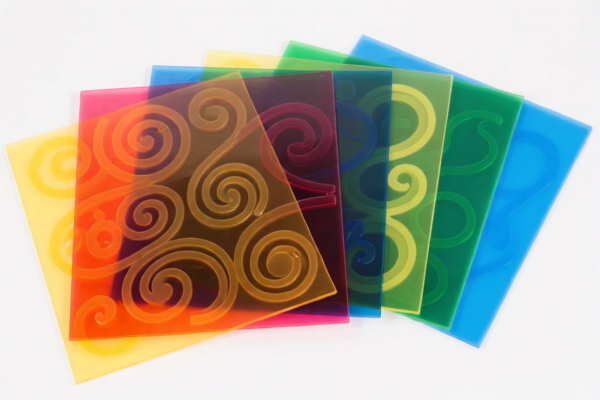
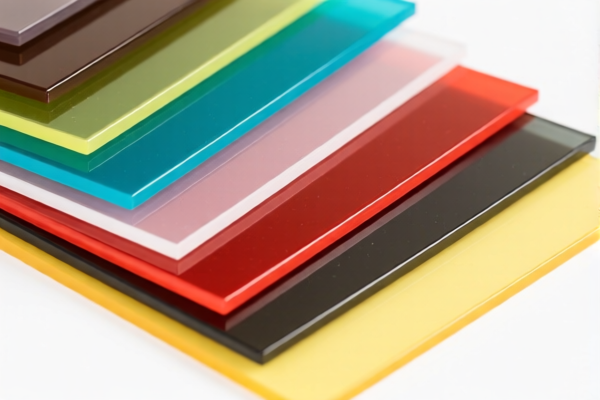
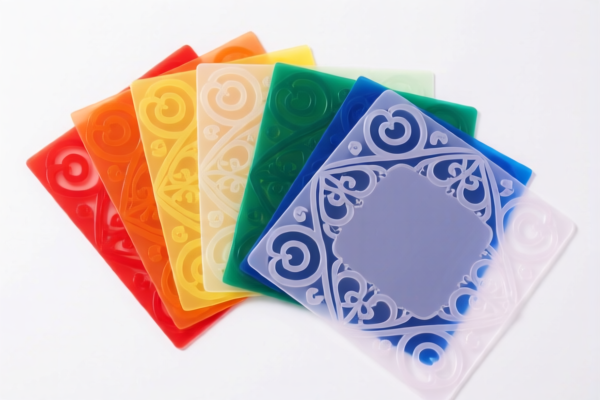
Acrylic decorative wall stickers
CN → US| HS Code | Tariff Rate | Origin | Destination | Doc |
|---|---|---|---|---|
| 9505104020 | 10.0% | CN | US | Official Doc |
| 9505102500 | 10.0% | CN | US | Official Doc |
| 3926400090 | 15.3% | CN | US | Official Doc |
| 7018105000 | 35.0% | CN | US | Official Doc |
Product Images

AI Analysis
🎨 Acrylic Decorative Wall Stickers (Wall Decorations)
🌐 HS Code Reference & Customs Clearance Guide | 2026 Latest Tariff Analysis | Professional Entry Strategy
📌 I. Product Definition & Classification: Do You Really Understand "Acrylic Wall Stickers"?
Acrylic decorative wall stickers are non-structural, adhesive-backed or freestanding decorative items made from organic plastics (polymethyl methacrylate). In international trade, they are classified based on their material composition, form factor, and intended use. While they share visual similarities with Christmas decorations or general plastic goods, their classification can vary significantly depending on how they are marketed and described.
⚠️ Key Distinction Points:
- If marketed specifically for holiday/festive use (e.g., Christmas motifs) → Potential entry under 9505.10.
- If generic plastic art/decor → Potential entry under 3926.40.
- If marketed as glass-like transparent ornaments → Potential entry under 7018.10.
📦 II. HS Code Classification Details (2026 Latest Tariff Authority Comparison)
| HS Code | Product Description | Application Scenario | Total Tax Rate | Key Tax Components |
|---|---|---|---|---|
9505.10.40.20 |
Acrylic decorations, Material: Organic Plastic, Form: Decorative, Fits Holiday/Entertainment Use | Christmas trees, Holiday party props, Festival decor | 10.0% | Base: 0%, Section 301: 0%, Section 122: 10% |
9505.10.25.00 |
Acrylic decorations, Use: Decorative, Material: Plastic/Resin, No Conflict with Christmas Attributes | Holiday-themed decals, Seasonal decor | 10.0% | Base: 0%, Section 301: 0%, Section 122: 10% |
3926.40.00.90 |
Acrylic decorations, Material: Plastic, Use: Decorative, Fits "Other Plastic Decorations" | Generic wall decals, Non-holiday interior decor | 15.3% | Base: 5.3%, Section 301: 0%, Section 122: 10% |
7018.10.50.00 |
Acrylic decorations, Inferred Material: Glass/Glass-like, Form: Small Glass-like Articles, Fits "Other" Category | Transparent, glass-like wall art, Mirror decals | 35.0% | Base: 0%, Section 301: 25%, Section 122: 10% |
🔍 Critical Reminder:
- The material description in the commercial invoice is crucial. Labeling "Acrylic" as "Plastic" vs. "Glass-like" triggers different chapters (39 vs. 70). - Holiday Intent: If the product is explicitly marketed for Christmas/Holidays,9505is preferred, but ensure it doesn't conflict with specific exclusions. - Section 122 Tariff: All four codes above include a 10% surcharge under Section 122, which applies to specific Chinese-origin goods regardless of the base HS code.
💰 III. 2026 Latest Tariff Rate Breakdown (Including Surcharges & Policy Add-ons)
✅ Applicable Country: United States (US)
✅ Origin: China (CN)
✅ Effective Date: 2025/2026 Current Regulations
🎯 1. 9505.10.40.20 & 9505.10.25.00 — Holiday/Seasonal Acrylic Decorations
| Item | Content |
|---|---|
| Base Tariff | 0% (ad valorem) |
| USITC Section 301 Surcharge | 0% (Exempt for specific 9505 subheadings in this dataset) |
| Section 122 Surcharge | +10% (Specific to China-origin goods under this dataset) |
| Total Effective Rate | 10.0% |
| Tax Calculation | CIF Value × 10% |
| De Minimis Exemption | ❌ Not Eligible (Section 122 typically negates de minimis benefits for China) |
| Legal Basis Path | Section 122: 10% → HS: 9505.10.xxxx |
📌 Explanation:
- These codes benefit from a 0% base tariff due to their classification as holiday decorations. - The 10% Section 122 is the primary cost driver. - Total 10% is the most competitive rate among the four options, assuming the product qualifies as "holiday-specific."
🎯 2. 3926.40.00.90 — General Plastic Decorations
| Item | Content |
|---|---|
| Base Tariff | 5.3% |
| USITC Section 301 Surcharge | 0% |
| Section 122 Surcharge | +10% |
| Total Effective Rate | 15.3% |
| Tax Calculation | CIF Value × 15.3% |
| De Minimis Exemption | ❌ Not Eligible |
| Legal Basis Path | Section 122: 10% + Base: 5.3% → HS: 3926.40.00.90 |
📌 Note:
- If the product is not holiday-specific (e.g., geometric abstract art), it falls into "Other Plastic Articles." - The 5.3% base tariff makes this 5.3% more expensive than the holiday codes.
🎯 3. 7018.10.50.00 — Glass-like Acrylic Decorations
| Item | Content |
|---|---|
| Base Tariff | 0% |
| USITC Section 301 Surcharge | +25% |
| Section 122 Surcharge | +10% |
| Total Effective Rate | 35.0% |
| Tax Calculation | CIF Value × 35.0% |
| De Minimis Exemption | ❌ Not Eligible |
| Legal Basis Path | Section 301: 25% → Section 122: 10% → HS: 7018.10.50.00 |
📌 Critical Warning:
- This is the highest tax bracket (35%). - It attracts the full 25% Section 301 tariff because "Glass-like articles" (Chapter 70) do not enjoy the exemptions granted to "Plastic decorations" (Chapter 39) or "Holiday goods" (Chapter 95) in this specific dataset context. - Avoid this code unless the product is legally defined as "Glass" and you are prepared for high costs.
🛠️ IV. Customs Clearance Practical Advice (Battle-Tested Pitfall Guide)
✅ 1. Documentation Checklist (Non-Negotiable)
| Document | Mandatory? | Notes |
|---|---|---|
| ✅ Product Specification Sheet | ✔️ | Must clearly state: "Acrylic," "Wall Decoration," "Adhesive/Non-Adhesive," "Material: PMMA/Plastic." |
| ✅ Commercial Invoice | ✔️ | Crucial: Describe as "Acrylic Wall Decorations" or "Plastic Holiday Decorations." Avoid vague terms like "Crafts." |
| ✅ Product Photos | ✔️ | Show the back (adhesive side if applicable) and front design to confirm "wall sticker" nature. |
| ✅ Declaration of Origin | ✔️ | China Origin will trigger Section 122/301. |
✅ 2. Classification Strategy (Key Formulas)
🔥 “Holiday Specific = 10%, Generic Plastic = 15.3%, Glass-like = 35%”
| Scenario | Recommended HS Code | Strategy |
|---|---|---|
| Christmas/New Year Decor | 9505.10.40.20 or 9505.10.25.00 |
Market as "Holiday Decor" to secure 10% total tax. |
| Generic Abstract Wall Art | 3926.40.00.90 |
Market as "Plastic Wall Decor." Tax is 15.3%. |
| Transparent "Glass-Look" Decals | 7018.10.50.00 |
⚠️ High Risk: If labeled "Acrylic," customs may reclassify from 7018 to 3926 or 9505. If kept as 7018, expect 35% tax. |
✅ 3. Special Case Handling
| Situation | Handling Advice |
|---|---|
| Mixed Shipments (Holiday + Generic) | Separate invoices. Holiday items under 9505, generic under 3926. Do not mix. |
| "Acrylic" vs. "Plastic" Labeling | Customs accepts "Acrylic" as a type of plastic. If you declare "Glass," you risk 7018 (35%). Stick to "Plastic/Acrylic" to stay in Chapter 39 or 95. |
| De Minimis (Section 321) | ❌ Do Not Attempt. Section 122 explicitly targets China-origin goods and usually overrides the $800 de minimis exemption for these classification codes. |
🌍 V. Global Market Comparison (2026 Snapshot)
| Market | Recommended HS Code | Total Tax Rate (China Origin) | Key Certification |
|---|---|---|---|
| 🇺🇸 USA | 9505.10.40.20 (Holiday) |
10% | None specific, but ensure accurate description. |
| 🇺🇸 USA | 3926.40.00.90 (Generic) |
15.3% | None specific. |
| 🇺🇸 USA | 7018.10.50.00 (Glass-like) |
35% | Avoid unless necessary. |
| 🇪🇺 EU | 3926.90 / 9505.10 | Varies (Often 0-5%) | CE, REACH |
| 🇨🇳 China Export | Varies | N/A (Export Duty 0%) | N/A |
📌 Conclusion for US Importers:
- The 10% rate under9505is the most advantageous.
- Ensure your marketing materials explicitly support the "Holiday/Entertainment" use case if you aim for this code.
- Avoid7018unless you are importing actual glass products, as acrylic is technically plastic.
📌 VI. Common Mistakes & Pitfalls (Lessons Learned)
❌ Mistake 1: Describing "Acrylic Wall Stickers" simply as "Plastic Crafts" without context.
👉 Result: Customs may assign 3926 (15.3%) instead of 9505 (10%).
Fix: Use keywords like "Holiday," "Decor," "Festival."
❌ Mistake 2: Labeling Acrylic as "Glass" to appear premium.
👉 Result: Classification under 7018 triggers 35% tax + 25% Section 301.
Fix: Be honest. Acrylic = Plastic. Use 9505 or 3926.
❌ Mistake 3: Assuming De Minimis applies.
👉 Result: Shipment held at border, fines, or forced payment of full duty.
Fix: Budget for Section 122 duties. Do not rely on $800 exemption for China-origin acrylic decor.
🎯 VII. Conclusion: Precision Saves Money!
🎯 Remember the Golden Rules:
🔹 "Holiday Intent = 10% (Best)"
🔹 "Generic Plastic = 15.3% (Middle)"
🔹 "Glass-like = 35% (Avoid)"
🔹 "Section 122 is Mandatory for all China-origin shipments in this dataset."
📌 Pro Tip:
For the lowest clearance costs, market your acrylic wall stickers as "Holiday Decorations" and classify under 9505.10.40.20. Provide invoices that emphasize their use for festive occasions.
📣 Immediate Action:
📞 Confirm your product's primary use (Holiday vs. General).
📝 Draft invoices accordingly.
🚀 Clear customs smoothly, minimize tax burden, maximize profit!
✨ Professional Clearance Starts with Accurate Classification!
💼 Every percentage point saved is pure profit!
Customer Reviews
About HS Code Classification
The Harmonized System (HS) is an internationally standardized nomenclature developed by the World Customs Organization (WCO) to classify traded products. Over 200 countries use the HS system as the basis for customs tariffs, trade statistics, and import/export regulations.
Each HS code follows a hierarchical structure:
- Chapter (2 digits) — Broad category of goods (e.g., Chapter 84: Machinery and Mechanical Appliances)
- Heading (4 digits) — More specific grouping within the chapter
- Subheading (6 digits) — Internationally standardized breakdown, used by all WCO member countries
- National subdivisions (8-10 digits) — Country-specific extensions for further classification, such as US HTSUS 10-digit codes
Correct HS code classification is essential for smooth customs clearance, accurate duty payment, and compliance with trade regulations. Misclassification can lead to customs delays, overpayment of duties, or penalties.
When importing from CN to US, the applicable tariff rates may include:
- Most-Favored-Nation (MFN) rate — The standard duty rate applied to WTO members
- General rate — Applied to countries without trade agreements
- Trade remedy duties — Additional tariffs such as Section 301 (anti-dumping), Section 232 (national security), or countervailing duties
The information provided on this page is for reference purposes only. For official classification, please consult with your local customs authority or a licensed customs broker.