Activated Carbon Column Air Purifier
CN → US| HS Code | Tariff Rate | Origin | Destination | Doc |
|---|---|---|---|---|
| 8421390115 | 35.0% | CN | US | Official Doc |
| 8421390130 | 35.0% | CN | US | Official Doc |
| 7019133500 | 39.2% | CN | US | Official Doc |
| 3802100050 | 39.8% | CN | US | Official Doc |
Product Images
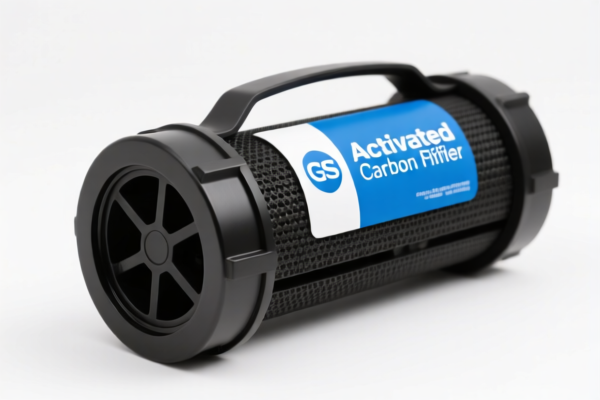
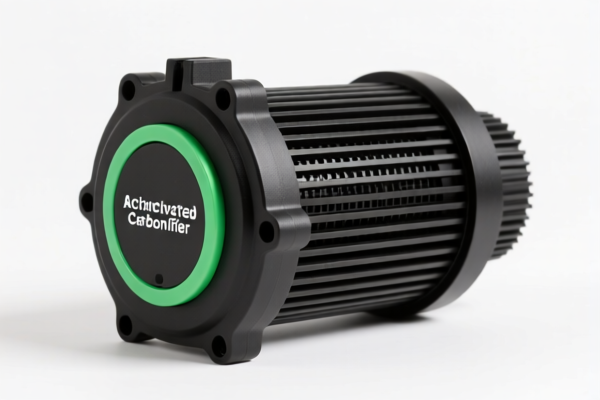
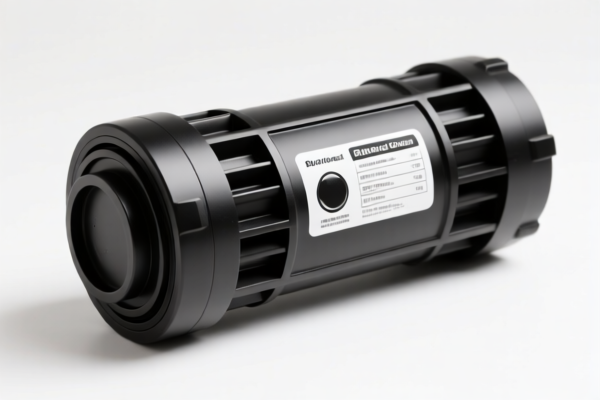
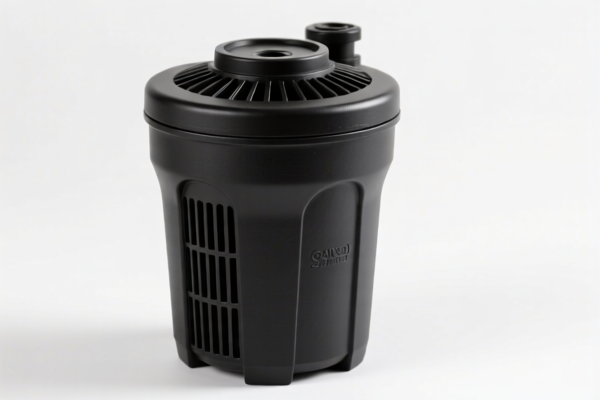
AI Analysis
🌬️ Activated Carbon Column Air Purifier: HS Code Classification & Customs Clearance Guide (USA Market)
🌐 HS Code Reference & Customs Clearance Strategy | 2026 Latest Tariff Analysis | Professional Compliance Guide
📌 I. Product Definition & Classification: What Exactly is an "Activated Carbon Column"?
An Activated Carbon Column Air Purifier is a specialized filtration unit used in industrial, commercial, or heavy-duty residential settings. It is not a simple plug-in home air purifier but a structural filtration component or standalone gas-cleaning device.
In international trade, the classification depends heavily on physical form (column-shaped vs. fiber/matte) and material composition (active carbon vs. carbon fiber).
⚠️ Key Distinction Point:
- Column/Canister Form: Hard, structured columns (pellets/granules in a tube) → Classified under Chapter 84 (Machinery/Plant) as gas cleaning apparatus. - Fiber/Matte Form: Soft, flexible mats or fibers → Classified under Chapter 70 (Glass/Ceramics) or Chapter 38 (Chemicals).
📦 II. HS Code Classification Details (2026 Latest Tariff Authority)
Based on the product specifications provided, here are the precise HS Code mappings and their corresponding tax liabilities for imports into the United States from China.
| HS Code | Product Description | Application Scenario | Material/Form |
|---|---|---|---|
| 8421.39.01.15 | Activated Carbon Column for Air Purification | Industrial gas scrubbers, HVAC systems, large-scale filtration units | Columnar Structure (Fixed form) |
| 8421.39.01.30 | Other Gas Cleaning Apparatus (Industrial) | Industrial gas washing equipment, specialized carbon filters not covered elsewhere | Industrial Grade |
| 7019.13.35.00 | Air Purification Activated Carbon Fiber | Flexible filter mats, non-woven filtration materials | Carbon Fiber (Flexible) |
| 3802.10.00.50 | Activated Carbon (Other Forms) | Granular, powdered, or derived carbon forms not fitting machinery categories | Chemical/Carbon |
🔍 Critical Note:
- If the product is a rigid column/cylinder used in machinery, use 8421.
- If it is a flexible mat/fiber, use 7019 or 3802.
- Misclassification Risk: Declaring a carbon fiber mat as "8421" or a rigid column as "3802" will lead to customs rejection or penalties.
💰 III. 2026 Latest Tariff Rate Breakdown (Including Surtaxes & Policy Levies)
✅ Applicable Country: United States (US)
✅ Country of Origin: China (CN)
✅ Effective Date: From November 10, 2025 onwards
🎯 1. HS Code 8421.39.01.15 & 8421.39.01.30
Product: Activated Carbon Column (Industrial Gas Cleaning Apparatus)
| Item | Detail |
|---|---|
| Basic Tariff | 0.0% (Free trade rate for machinery parts under certain conditions, or standard MFN base) |
| Section 301 Surcharge | +25.0% (USITC Footnote: High-tech/Machinery surtax) |
| Section 122 Tariff | +10.0% (Specific levy on certain industrial goods from China) |
| Total Tariff Rate | 35.0% |
| Calculation Base | CIF Value × 35% |
| De Minimis Exemption | ❌ NOT Eligible (High tariffs disqualify from $800 de minimis clearance) |
| Legal Basis Path | USITC:8421.39.01.15 → SECTION_301:9903.88.01 → SECTION_122:Specific |
📌 Explanation:
- The 0% base is standard for many filtration machinery parts.
- The +25% is the standard Section 301 tariff for Chinese machinery/components.
- The +10% is the additional Section 122 duty, often applied to specific industrial imports.
- Total 35% is a significant cost factor that must be priced into the CIF.
🎯 2. HS Code 7019.13.35.00
Product: Activated Carbon Fiber (Flexible/Non-woven)
| Item | Detail |
|---|---|
| Basic Tariff | 4.2% |
| Section 301 Surcharge | +25.0% |
| Section 122 Tariff | +10.0% |
| Total Tariff Rate | 39.2% |
| Calculation Base | CIF Value × 39.2% |
| De Minimis Exemption | ❌ NOT Eligible |
| Legal Basis Path | USITC:7019.13.35.00 → SECTION_301 → SECTION_122 |
📌 Explanation:
- Unlike the rigid column, carbon fiber is classified under Chapter 70 (Glass/Fiber).
- It has a higher base rate (4.2%) compared to machinery parts.
- Total 39.2% makes this the most expensive option among the choices.
🎯 3. HS Code 3802.10.00.50
Product: Other Activated Carbon (Chemical/Derived Form)
| Item | Detail |
|---|---|
| Basic Tariff | 4.8% |
| Section 301 Surcharge | +25.0% |
| Section 122 Tariff | +10.0% |
| Total Tariff Rate | 39.8% |
| Calculation Base | CIF Value × 39.8% |
| De Minimis Exemption | ❌ NOT Eligible |
| Legal Basis Path | USITC:3802.10.00.50 → SECTION_301 → SECTION_122 |
📌 Explanation:
- If the product is loose granules or powder (not in a column or fiber mat), it falls under Chapter 38 (Chemical Products).
- This has the highest total rate (39.8%) due to the highest base tariff.
🛠️ IV. Customs Clearance Practical Advice (Avoid Pitfalls)
✅ 1. Preparation Checklist (Mandatory Documents)
| Document | Required | Purpose |
|---|---|---|
| Product Specifications | ✔️ | Must detail: Form (Column vs. Fiber), Material (Carbon vs. Carbon Fiber), Dimensions, Weight. |
| Technical Data Sheet | ✔️ | Proof of "Gas Cleaning" function for 8421 classification. |
| Commercial Invoice | ✔️ | Must explicitly state: "Activated Carbon Column for Air Purification" and Country of Origin: China. |
| Packing List | ✔️ | Separate packaging from other goods to avoid miscategorization. |
| Bill of Lading (B/L) | ✔️ | Ensure freight forwarder knows the HS Code for accurate duties. |
✅ 2. Declaration Tips (Crucial Mnemonic)
🔥 "Shape Defines Code, Origin Defines Tax!"
| Scenario | Correct HS Code | Common Mistake | Consequence |
|---|---|---|---|
| Rigid Column/Cylinder | 8421.39.01.15 |
Declaring as "Chemical Carbon" (3802) |
Overpayment by 4.8% + Potential audit |
| Flexible Carbon Mat | 7019.13.35.00 |
Declaring as "Machinery Part" (8421) |
Rejection by CBP (Customs) |
| Loose Granules | 3802.10.00.50 |
Declaring as "Fiber" (7019) |
Misclassification penalty |
| Any of the above | USA Import | Ignoring Section 122/301 | Underpayment of ~35-40% |
✅ 3. Special Handling Instructions
| Situation | Recommendation |
|---|---|
| OEM/Custom Sizes | Provide design drawings to prove it is a "Column" (Chapter 84) and not just raw carbon. |
| Mixed Shipments | If shipping columns AND fiber mats together, separate line items in the invoice. Do not lump under one HS Code. |
| Duty Mitigation | No duty exemption available for China-origin goods under current 2026 rules. Factor 35-40% into your FOB price. |
| Pre-Clearance | Apply for a Binding Tariff Ruling (BTR) from CBP if the form is ambiguous (e.g., semi-flexible columns). |
🌍 V. Global Market Comparison (2026)
| Region | Recommended HS Code | Estimated Duty | Notes |
|---|---|---|---|
| 🇺🇸 USA | 8421.39.01.15 |
35.0% | High tariffs due to Section 301 + 122. |
| 🇨🇳 China | 8421.39.01.15 |
~13% (Import) | Standard MFN rate, no Section 301/122. |
| 🇪🇺 EU | 8421.39.90 |
~4-6% | No Section 301/122, but check REACH compliance. |
| 🇯🇵 Japan | 8421.39.00 |
~5-6% | Standard tariff, no extra levies. |
📌 Conclusion:
- The US market is the most expensive for importing activated carbon purification columns from China due to 35% total tariffs.
- Consider supply chain diversification (e.g., sourcing from Vietnam or Mexico) if volume is high, to avoid US trade barriers.
📌 VI. Common Errors & Pitfalls (Lessons Learned)
❌ Mistake 1: Declaring a carbon fiber mat as 8421 (Machinery).
👉 Result: Customs rejects the declaration. You must re-classify to 7019 and pay 39.2%.
❌ Mistake 2: Ignoring Section 122 (10%) in cost calculation.
👉 Result: Profit margin erosion. The 10% is mandatory on top of the 25% Section 301.
❌ Mistake 3: Using vague descriptions like "Air Filter" without specifying "Column".
👉 Result: Customs may assign a default higher duty rate or request extensive documentation.
❌ Mistake 4: Assuming De Minimis ($800) applies.
👉 Result: Denial. Goods under Sections 301/122 are excluded from de minimis clearance. All shipments require full formal entry.
✅ Best Practice:
Use precise English descriptions:
"Activated Carbon Column, Rigid Cylindrical Form, for Industrial Air Purification, HS 8421.39.01.15, Made in China"
🎯 VII. Conclusion: Strategic Pricing & Compliance
🎯 Key Takeaway:
🔹 HS Code
8421.39.01.15is the most cost-effective option for column-shaped air purifiers, with a 35% total duty.
🔹 HS Code3802or7019are more expensive (39-40%) and should only be used if the physical form is not a column.
🔹 Always budget for 35-40% in landed costs for US imports from China.
📌 Action Item:
- Verify the physical form of your product before booking.
- Ensure your supplier provides a Chinese Origin Certificate.
- Use HS 8421.39.01.15 for rigid columns to minimize duty (35% vs 39.8%).
✨ Smart Clearance, Smarter Profits!
💼 Accurate classification saves thousands in duty and delays.
Customer Reviews
About HS Code Classification
The Harmonized System (HS) is an internationally standardized nomenclature developed by the World Customs Organization (WCO) to classify traded products. Over 200 countries use the HS system as the basis for customs tariffs, trade statistics, and import/export regulations.
Each HS code follows a hierarchical structure:
- Chapter (2 digits) — Broad category of goods (e.g., Chapter 84: Machinery and Mechanical Appliances)
- Heading (4 digits) — More specific grouping within the chapter
- Subheading (6 digits) — Internationally standardized breakdown, used by all WCO member countries
- National subdivisions (8-10 digits) — Country-specific extensions for further classification, such as US HTSUS 10-digit codes
Correct HS code classification is essential for smooth customs clearance, accurate duty payment, and compliance with trade regulations. Misclassification can lead to customs delays, overpayment of duties, or penalties.
When importing from CN to US, the applicable tariff rates may include:
- Most-Favored-Nation (MFN) rate — The standard duty rate applied to WTO members
- General rate — Applied to countries without trade agreements
- Trade remedy duties — Additional tariffs such as Section 301 (anti-dumping), Section 232 (national security), or countervailing duties
The information provided on this page is for reference purposes only. For official classification, please consult with your local customs authority or a licensed customs broker.