Activated Carbon Purifier
CN → US| HS Code | Tariff Rate | Origin | Destination | Doc |
|---|---|---|---|---|
| 3802100050 | 39.8% | CN | US | Official Doc |
| 3802100020 | 39.8% | CN | US | Official Doc |
| 8509805080 | 14.2% | CN | US | Official Doc |
| 8509805095 | 14.2% | CN | US | Official Doc |
| 8421210000 | 35.0% | CN | US | Official Doc |
Product Images
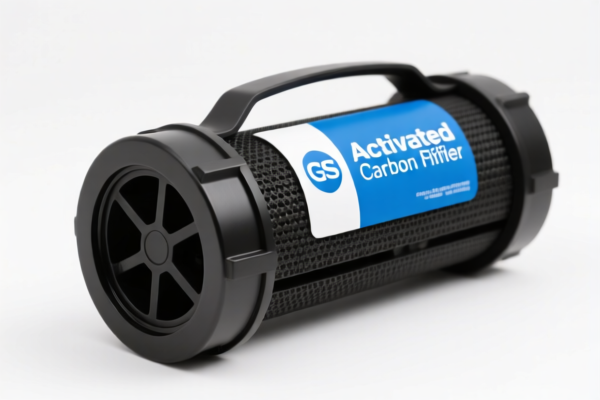
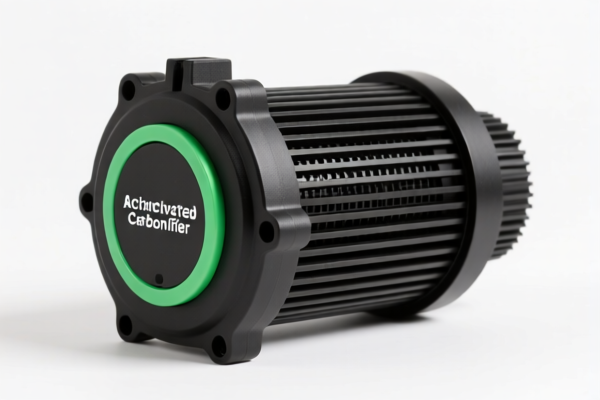
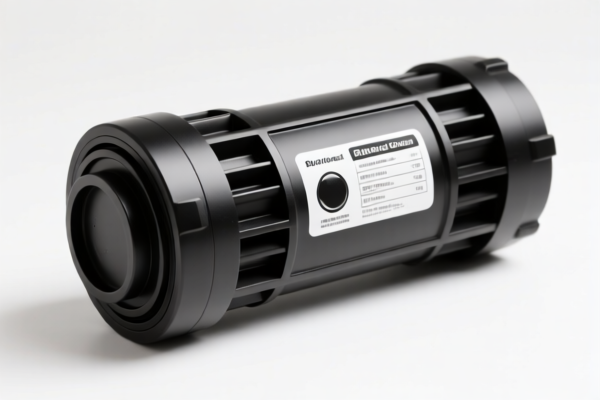
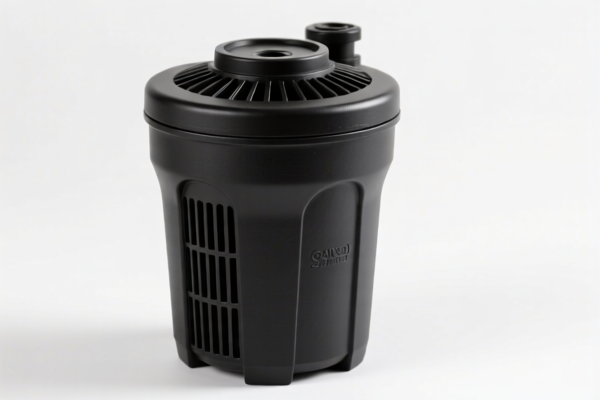
AI Analysis
🌬️ Activated Carbon Purifier: HS Code Classification & Customs Clearance Guide 2026
🌐 HS Code Reference & Customs Strategy | The Truth About "Carbon" vs. "Machine"
📌 The Core Conflict: Is it a Filter or an Appliance?
An "Activated Carbon Purifier" is a classic customs classification trap. The duty rate varies wildly depending on whether Customs views it as a chemical filtration material (high tax) or a functional home appliance (low tax).
⚠️ Critical Distinction:
- If the product is judged primarily by its material (Activated Carbon) → High Tax (39.8%)
- If the product is judged by its function (Electrical Motor/Appliance) → Low Tax (14.2%)
- If it is judged by its medium (Water vs. Air) → Different Codes & Taxes🔍 Key Question for Classification:
Does the unit contain an electric motor to actively circulate air/water? If yes, argue for 8509 (Appliance). If it is a passive filter canister, argue for 3802 (Carbon).
📦 1. HS Code Classification Breakdown (Based on Provided Data)
Based on the <DATA> provided, there are 5 potential HS Codes depending on the specific configuration of your purifier.
| HS Code | Classification Logic | Total Tax Rate | Tax Composition Details |
|---|---|---|---|
| 3802.10.00.50 | Chemical/Material Focus: Classified under "Other Activated Carbon" applications. Assumes the carbon itself is the primary taxable value. | 39.8% | Base: 4.8% + Section 301: 25.0% + Section 122: 10.0% |
| 3802.10.00.20 | Coconut Shell Carbon: Specifically inferred as coconut-sourced carbon used in disinfection devices. Same tax logic as above. | 39.8% | Base: 4.8% + Section 301: 25.0% + Section 122: 10.0% |
| 8509.80.50.80 | Active Appliance (Air): Classified as a Motor-driven Electrical Household Appliance for air purification. Recommended if it has a fan. | 14.2% | Base: 4.2% + Section 301: 0.0% + Section 122: 10.0% |
| 8509.80.50.95 | Other Electrical Appliance: Falls under "Other" household electrical appliances for air purification/disinfection. Excludes small specific gadgets. | 14.2% | Base: 4.2% + Section 301: 0.0% + Section 122: 10.0% |
| 8421.21.00.00 | Water Purification: Classified as a mechanical apparatus for filtering/purifying water. Only use if purifying water, not air. | 35.0% | Base: 0.0% + Section 301: 25.0% + Section 122: 10.0% |
💰 2. Detailed Tax Analysis & Logic Explanation
🎯 Group A: The "Chemical" Trap (Codes 3802.10.00.50 / .20)
- Tax Rate: 39.8%
- Why so high? Customs views this as importing Activated Carbon (a chemical/industrial material) rather than a finished machine.
- Breakdown:
- Base Duty (4.8%): Standard MFN rate for activated carbon.
- Section 301 Duties (25.0%): Heavy penalty tariffs on Chinese-origin goods.
- Section 122 Duties (10.0%): Additional punitive tariffs.
- Risk: If you declare a complete, packaged air purifier with a motor as "Activated Carbon," Customs will likely reclassify it and charge you 39.8% + penalties for misdeclaration.
🎯 Group B: The "Appliance" Victory (Codes 8509.80.50.80 / .95)
- Tax Rate: 14.2%
- Why so low? These codes classify the item as an Electrical Household Appliance (Machine). The carbon is just a part, not the whole product.
- Breakdown:
- Base Duty (4.2%): Standard rate for electrical household appliances.
- Section 301 Duties (0.0%): CRITICAL BENEFIT. Many electrical appliances are exempt from the 25% Section 301 tariff.
- Section 122 Duties (10.0%): Still applies.
- Advantage: You save 25.6% in duties compared to Group A. This is the primary goal of classification strategy.
🎯 Group C: The "Water" Exception (Code 8421.21.00.00)
- Tax Rate: 35.0%
- Logic: If your "Purifier" is for water (e.g., a under-sink filter with a pump), it falls under water purification machinery.
- Breakdown:
- Base Duty (0.0%): Often duty-free for water filters.
- Section 301 Duties (25.0%): Applies.
- Section 122 Duties (10.0%): Applies.
🛠️ 3. Customs Clearance Strategy & Advice
✅ Step 1: Determine Your Product Type
| Product Feature | Recommended HS Code | Estimated Tax | Strategy |
|---|---|---|---|
| Air Purifier with Motor/Fan | 8509.80.50.80 or .95 | 14.2% | ARGUE FOR THIS. Emphasize "Electrical," "Motor-driven," "Air Circulation." |
| Passive Filter Canister (No Motor) | 3802.10.00.50 or .20 | 39.8% | Acceptable only if it’s literally just a bag of carbon. |
| Water Filter with Pump | 8421.21.00.00 | 35.0% | Clearly state "Water Purification" in description. |
✅ Step 2: Documentation Tips for Lower Tax (14.2%)
To justify using 8509 (Appliance) instead of 3802 (Carbon): 1. Product Name: Use "Electric Air Purifier" or "Home Air Cleaning Appliance." Avoid using "Activated Carbon Filter" as the primary title. 2. Description: Include keywords like: "Equipped with electric motor," "For household air circulation," "Includes HEPA/Carbon filter as accessory." 3. Spec Sheet: Show the voltage (e.g., 110V/220V), wattage, and motor specs. This proves it is a machine, not just a chemical material. 4. Photos: Show the entire unit with plug/power cord.
✅ Step 3: Pitfalls to Avoid
- ❌ Mistake: Declaring a motorized air purifier as "Activated Carbon Filters."
- Result: Customs will assess 39.8%. You will be asked to pay the difference + interest.
- ❌ Mistake: Mixing Air and Water Purifiers in one shipment without clear separation.
- Result: Confusion at customs. Air Purifiers go to 8509; Water Purifiers go to 8421. Keep them separate.
- ❌ Mistake: Ignoring Section 122 (10%).
- Result: Even the "cheaper" 14.2% rate still includes a 10% punitive tariff. Budget accordingly.
🌍 4. Global Market Comparison (Contextual)
| Region | Typical Approach for "Activated Carbon Purifier" | Estimated Impact |
|---|---|---|
| 🇺🇸 USA | Aggressive on 3802. If it’s just carbon, 39.8%. If it’s a machine, 14.2%. Section 122 (10%) applies to all. | High scrutiny on origin. |
| 🇪🇺 EU | Generally lower base duties. May view carbon as part of the machine (0-4% base). No equivalent to US Sec 301. | Lower overall tax burden. |
| 🇨🇳 China (Export) | Exports usually have low or zero duty depending on FTA. | Focus on import duty in destination country. |
📌 5. Conclusion & Action Plan
🎯 Final Recommendation
If your product is an electric air purifier: 1. Target HS Code: 8509.80.50.80 or 8509.80.50.95 2. Target Tax: 14.2% 3. Action: Submit documentation highlighting the electrical components and motor function. Do not lead with "Activated Carbon" in the commercial invoice title.
If your product is a passive carbon filter: 1. Target HS Code: 3802.10.00.50 2. Target Tax: 39.8% 3. Action: Ensure you have calculated the higher cost into your pricing model.
💡 Pro Tip: If the product is COCONUT SHELL carbon specifically, and it is passive, use 3802.10.00.20. If it is generic carbon, use 3802.10.00.50. The tax rate is identical (39.8%), but the specificity helps avoid customs queries.
✨ Smart Classification = Significant Savings
💼 Don't let "Carbon" cost you an extra 25% in duties. Classify as a Machine!
Customer Reviews
About HS Code Classification
The Harmonized System (HS) is an internationally standardized nomenclature developed by the World Customs Organization (WCO) to classify traded products. Over 200 countries use the HS system as the basis for customs tariffs, trade statistics, and import/export regulations.
Each HS code follows a hierarchical structure:
- Chapter (2 digits) — Broad category of goods (e.g., Chapter 84: Machinery and Mechanical Appliances)
- Heading (4 digits) — More specific grouping within the chapter
- Subheading (6 digits) — Internationally standardized breakdown, used by all WCO member countries
- National subdivisions (8-10 digits) — Country-specific extensions for further classification, such as US HTSUS 10-digit codes
Correct HS code classification is essential for smooth customs clearance, accurate duty payment, and compliance with trade regulations. Misclassification can lead to customs delays, overpayment of duties, or penalties.
When importing from CN to US, the applicable tariff rates may include:
- Most-Favored-Nation (MFN) rate — The standard duty rate applied to WTO members
- General rate — Applied to countries without trade agreements
- Trade remedy duties — Additional tariffs such as Section 301 (anti-dumping), Section 232 (national security), or countervailing duties
The information provided on this page is for reference purposes only. For official classification, please consult with your local customs authority or a licensed customs broker.