Activated Carbon Sterilizer
CN → US| HS Code | Tariff Rate | Origin | Destination | Doc |
|---|---|---|---|---|
| 3808594000 | 40.0% | CN | US | Official Doc |
| 3808945095 | 40.0% | CN | US | Official Doc |
| 3802100050 | 39.8% | CN | US | Official Doc |
| 3802100020 | 39.8% | CN | US | Official Doc |
| 8509805080 | 14.2% | CN | US | Official Doc |
Product Images
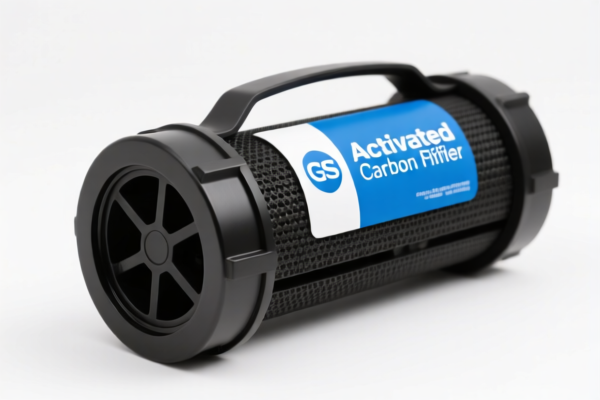
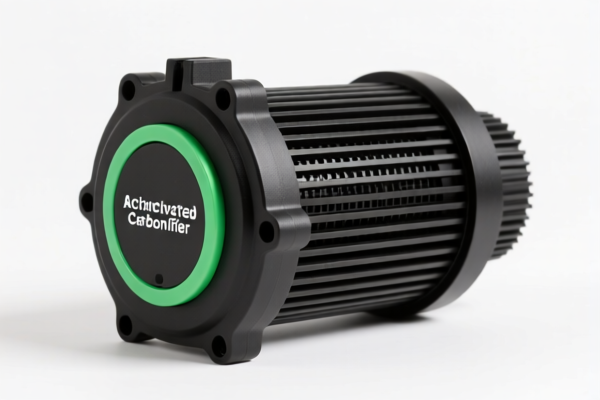
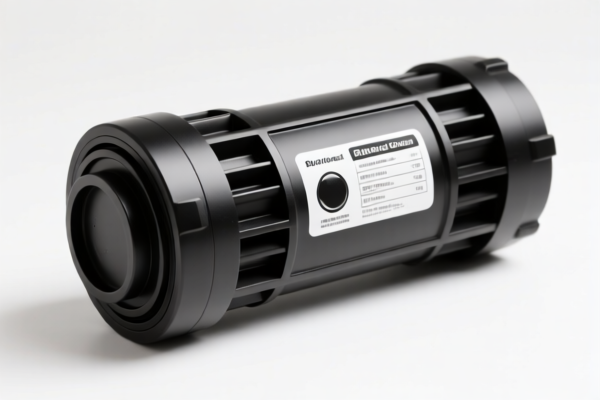
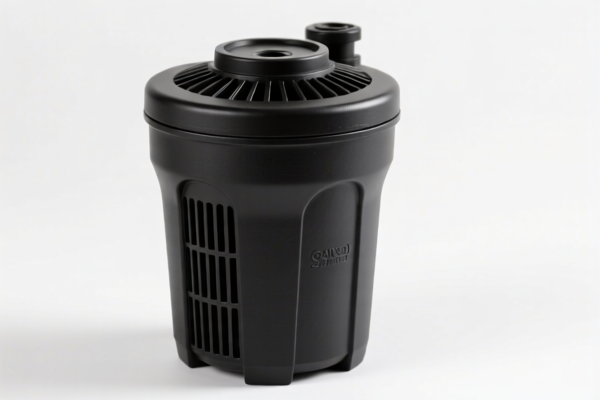
AI Analysis
🧪 Activated Carbon Sterilizer
🌐 HS Code Reference & Customs Clearance Guide | 2026 Latest Tariff Analysis | Professional Clearance Strategy
📌 1. Product Definition & Classification: What is an "Activated Carbon Sterilizer"?
The term "Activated Carbon Sterilizer" is ambiguous and can refer to two distinct types of products in international trade, leading to significantly different tariff treatments. To avoid customs detention or penalties, it is crucial to distinguish between:
- Chemical Disinfectants: Liquid or solid chemicals where activated carbon is an auxiliary component (e.g., a liquid disinfectant filter).
- Physical Adsorbents/Equipment: Pure activated carbon products or devices that use electricity to power purification systems.
⚠️ Critical Distinction:
- If the product is a chemical agent for killing bacteria/viruses → Classified under Chapter 38 (Chemical Products).
- If the product is pure activated carbon for filtration/adsorption → Classified under 3802.
- If the product is an electric appliance (e.g., an air purifier with carbon filters) → Classified under Chapter 85.
📦 2. HS Code Classification Details (2026 Latest Tariff Authority Mapping)
Based on the provided data, here are the five possible HS Codes and their specific applications:
| HS Code | Product Description | Applicable Scenario | Key Characteristic |
|---|---|---|---|
3808.59.40.00 |
Chemical Disinfectant | Liquid/solid sterilizers where activated carbon is an auxiliary ingredient. | Purpose: Bactericidal/Disinfecting. Form: Chemical preparation. |
3808.94.50.95 |
Other Disinfectants | Sterilizers where activated carbon acts as an auxiliary agent supporting the disinfection process. | Purpose: Sterilization. Logic: Fits "Other Disinfectants" definition. |
3802.10.00.50 |
Activated Carbon (Other) | Pure activated carbon or carbon-based materials used in disinfection equipment. | Material: Activated Carbon. Category: Other active ingredients/components. |
3802.10.00.20 |
Activated Carbon (Equipment) | Activated carbon specifically designed or used for disinfection equipment. | Application: Disinfection equipment components. Logic: Carbon as active component in a device. |
8509.80.50.80 |
Electric Household Appliance | Electrically powered air purification or sterilization appliances using carbon filters. | Feature: Electric motor/function. Category: Household appliance, other. |
🔍 Key Reminder:
- Do not confuse "Disinfectant" (Ch 38) with "Appliance" (Ch 85).
- If the product requires electricity to operate (e.g., an ionizer or fan-driven purifier), it likely falls under 8509, not 3808.
- If the product is a bottle of liquid or a bag of powder, it falls under 3808 or 3802.
💰 3. 2026 Latest Tariff Rate Breakdown (Including Surcharges & Policy Add-ons)
✅ Applicable Country: United States (US)
✅ Origin: China (CN)
✅ Effective Date: Post-2025 policies (Section 301 & IEEPA)
🎯 1. 3808.59.40.00 & 3808.94.50.95 —— Chemical Disinfectants
| Item | Detail |
|---|---|
| Base Tariff | 5.0% (Ad Valorem) |
| Section 301 Surcharge | +25.0% (USITC Footnote) |
| IEEPA Surcharge | +10.0% (针对中国产品, Section 122条款) |
| Total Tariff Rate | 40.0% |
| Calculation Method | CIF Value × 40% |
| De Minimis Exemption | ❌ Not Eligible (High tariffs usually deny de minimis benefits for this category) |
| Legal Path | Base Rate (5%) + USITC Sec 301 (25%) + IEEPA (10%) |
📌 Explanation:
- 40% Total Rate: This is a high-cost category. Chemical disinfectants are heavily scrutinized.
- Breakdown:
- 5% Base MFN rate.
- 25% Section 301 tariff (trade war tariffs on Chinese chemical goods).
- 10% IEEPA/Section 122 tariff (specific additional tax on certain Chinese imports).
- Risk: High value goods in this category face significant margin erosion.
🎯 2. 3802.10.00.50 & 3802.10.00.20 —— Activated Carbon Products
| Item | Detail |
|---|---|
| Base Tariff | 4.8% (Ad Valorem) |
| Section 301 Surcharge | +25.0% (USITC Footnote) |
| IEEPA Surcharge | +10.0% (针对中国产品, Section 122条款) |
| Total Tariff Rate | 39.8% |
| Calculation Method | CIF Value × 39.8% |
| De Minimis Exemption | ❌ Not Eligible |
| Legal Path | Base Rate (4.8%) + USITC Sec 301 (25%) + IEEPA (10%) |
📌 Explanation:
- 39.8% Total Rate: Very similar to disinfectants, but slightly lower base rate (4.8% vs 5.0%).
- Nuance:3802.10.00.20may apply if the carbon is specifically formulated for disinfection equipment, while3802.10.00.50is for general activated carbon applications.
🎯 3. 8509.80.50.80 —— Electric Household Appliances (Air Purifiers/Sterilizers)
| Item | Detail |
|---|---|
| Base Tariff | 4.2% (Ad Valorem) |
| Section 301 Surcharge | 0.0% (Note: Some electronic appliances may be exempt or have lower rates depending on specific subheading) |
| IEEPA Surcharge | +10.0% (针对中国产品, Section 122条款) |
| Total Tariff Rate | 14.2% |
| Calculation Method | CIF Value × 14.2% |
| De Minimis Exemption | ❌ Not Eligible |
| Legal Path | Base Rate (4.2%) + IEEPA (10%) |
📌 Explanation:
- 14.2% Total Rate: This is the most cost-effective option if the product is an electric appliance.
- Why Lower? The base rate is lower (4.2%), and critically, the Section 301 (25%) surcharge does NOT apply (or is significantly reduced) for this specific electric household appliance subheading in the provided data.
- Condition: Must be an electric device (e.g., a machine with a motor/fan). A passive carbon bag does NOT qualify.
🛠️ 4. Customs Clearance Practical Advice (Battle-Tested Pitfall Avoidance)
✅ 1. Documentation Checklist (Non-negotiable)
| Document | Required? | Purpose |
|---|---|---|
| ✅ Product Specification Sheet | ✔️ | Must clearly state: Is it a chemical? A physical carbon product? Or an electric device? |
| ✅ Composition/Ingredients List | ✔️ | For Ch 38: % of active disinfectant vs. activated carbon. |
| ✅ Usage Instructions | ✔️ | Does it require electricity? (Crucial for distinguishing Ch 38 vs Ch 85). |
| ✅ Commercial Invoice | ✔️ | Must accurately describe the product. Avoid vague terms like "Sterilizer" alone. Use "Activated Carbon Filter Cartridge" or "Electric Air Purifier". |
| ✅ Certificate of Origin | ✔️ | To prove China origin for tariff calculation. |
| ✅ Safety Data Sheet (SDS) | ✔️ | Mandatory for chemical disinfectants (Ch 38). |
✅ 2. Declaration Strategy (Key Formulas)
🔥 "Chemical is 40%, Carbon is 39.8%, Electric is 14.2%!"
| Scenario | Correct HS Code | Reason |
|---|---|---|
| Liquid disinfectant with carbon filter component | 3808.59.40.00 |
Primary purpose is disinfection (chemical action). |
| Powder/Granules of activated carbon for sterilization | 3802.10.00.50 |
Primary material is activated carbon. |
| Electric Air Purifier with carbon filter | 8509.80.50.80 |
Primary function is mechanical/electric air cleaning. Lowest Tax! |
| Passive Carbon Bag hung in a closet | 3802.10.00.50 |
Physical adsorption, no electricity, no chemical disinfectant. |
✅ 3. Special Case Handling
| Situation | Recommendation |
|---|---|
| OEM Electric Purifiers | Ensure the invoice says "Electric Air Purifier" not "Chemical Sterilizer". |
| Hybrid Products (e.g., UV Light + Carbon) | If it has a UV bulb (electric), it is an appliance (Ch 85). If it's just carbon, it's Ch 38. |
| Misclassification Risk | Declaring an electric appliance as a chemical disinfectant to avoid taxes is customs fraud. The 14.2% vs 40% difference is worth documenting correctly. |
| Pre-Ruling | Apply for an Advance Ruling from CBP if the product has mixed features (e.g., a device that uses both electricity and chemical cartridges). |
🌍 5. Global Market Comparison (2026 Latest)
| Country/Region | Recommended HS Code | Estimated Tariff (China Origin) | Notes |
|---|---|---|---|
| 🇺🇸 USA | 8509.80.50.80 |
14.2% | Best for electric devices. Ch 38 items face ~40%. |
| 🇨🇳 China | 3808.59.40.00 |
Low (Import Duty) | Domestic tax benefits may apply for local sales. |
| 🇪🇺 EU | 3808.94 / 8509 |
Variable (0-6.5%) | No Section 301 tariffs. Standard EU Common Customs Tariff applies. |
| 🇬🇧 UK | 3808.94 / 8509 |
Variable (0-5%) | Post-Brexit tariffs. Generally lower than US for chemical goods. |
📌 Conclusion:
- USA Market: Heavily penalizes chemical and carbon goods (40%) but favors electric appliances (14.2%).
- Strategy: If your "Activated Carbon Sterilizer" can be designed as an electric appliance (e.g., add a fan or UV lamp), you can save ~25.8% in tariffs. If it is a passive product, expect high duties.
📌 6. Common Mistakes & Pitfalls (Lessons Learned)
❌ Mistake 1: Calling an electric purifier a "Chemical Sterilizer"
👉 Consequence: Customs may reclassify it, but if caught later, it leads to fraud investigations. Conversely, if you declare it correctly as Ch 85, you pay only 14.2%. Declare accurately!
❌ Mistake 2: Ignoring the "Section 301" impact on Ch 38 goods
👉 Consequence: Underestimating landed cost. A 5% base rate looks cheap, but 25% + 10% surcharges make it 40%. Budget accordingly.
❌ Mistake 3: Vague Description: "Sterilizer"
👉 Consequence: Customs officers will inspect. If they suspect it's a chemical, they may demand SDS and delay shipment. Be specific: "Electric Air Purifier with Activated Carbon Filter".
✅ Correct Approach:
"Electric Air Purifier, Model XYZ, 120V, with Replaceable Activated Carbon Filter, FCC Certified" → HS: 8509.80.50.80
🎯 7. Conclusion: Professional Declaration, Cost Optimization
🎯 Remember the Key Takeaways:
🔹 "Electric is 14.2%, Chemical is 40%. Know your product type!"
🔹 "Activated Carbon alone is 39.8%. Don't call it a disinfectant unless it is one!"
🔹 "Documentation is King: SDS for chemicals, Circuit Specs for electronics."
📌 Pro Tip:
If you are exporting pure activated carbon (not a disinfectant), consider using HS Code 3802.10.00.50 (39.8%) or checking if any other non-chemical carbon categories apply. However, for sterilization devices, moving towards electric appliances (Ch 85) is the most tax-efficient route for the US market.
📣 Immediate Action:
📞 Consult a Customs Broker
📄 Prepare SDS (for chemicals) or Tech Specs (for electronics)
🚀 Accurate Declaration = Faster Clearance + Lower Costs
✨ Professional Clearance Starts with Precise Classification!
💼 Every percentage point saved is pure profit!
Customer Reviews
About HS Code Classification
The Harmonized System (HS) is an internationally standardized nomenclature developed by the World Customs Organization (WCO) to classify traded products. Over 200 countries use the HS system as the basis for customs tariffs, trade statistics, and import/export regulations.
Each HS code follows a hierarchical structure:
- Chapter (2 digits) — Broad category of goods (e.g., Chapter 84: Machinery and Mechanical Appliances)
- Heading (4 digits) — More specific grouping within the chapter
- Subheading (6 digits) — Internationally standardized breakdown, used by all WCO member countries
- National subdivisions (8-10 digits) — Country-specific extensions for further classification, such as US HTSUS 10-digit codes
Correct HS code classification is essential for smooth customs clearance, accurate duty payment, and compliance with trade regulations. Misclassification can lead to customs delays, overpayment of duties, or penalties.
When importing from CN to US, the applicable tariff rates may include:
- Most-Favored-Nation (MFN) rate — The standard duty rate applied to WTO members
- General rate — Applied to countries without trade agreements
- Trade remedy duties — Additional tariffs such as Section 301 (anti-dumping), Section 232 (national security), or countervailing duties
The information provided on this page is for reference purposes only. For official classification, please consult with your local customs authority or a licensed customs broker.