Acupuncture Kit
CN → US| HS Code | Tariff Rate | Origin | Destination | Doc |
|---|---|---|---|---|
| 9018907560 | 35.0% | CN | US | Official Doc |
| 9018908000 | 10.0% | CN | US | Official Doc |
Product Images
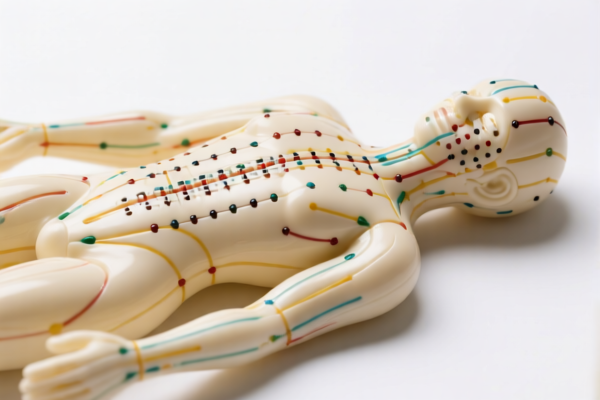
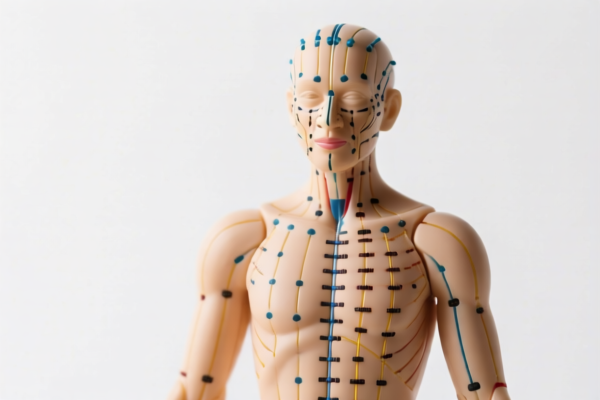
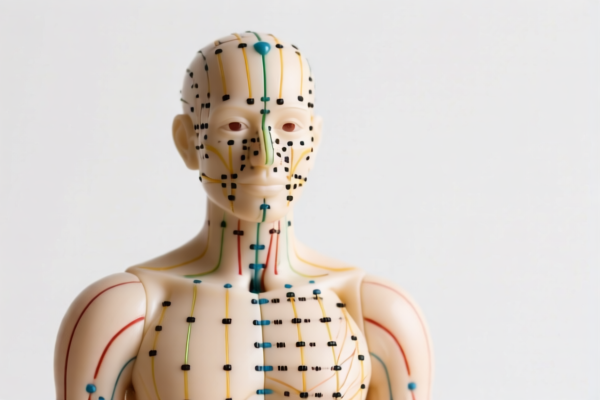
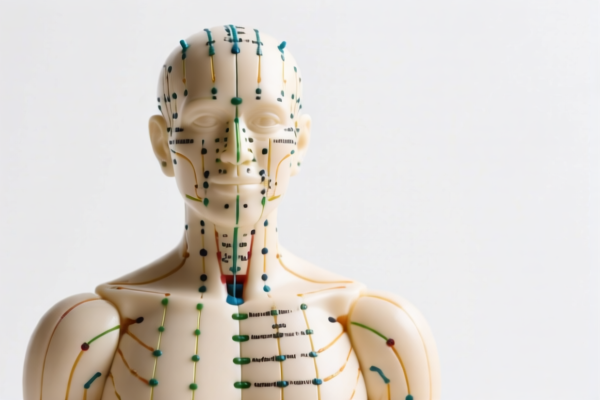
AI Analysis
💉 Acupuncture Kit (Medical Instrument Set)
🌐 HS Code Reference & Customs Clearance Guide | 2026 Latest Tariff Analysis | Professional Compliance Strategy
📌 I. Product Definition & Classification: Do You Truly Understand "Acupuncture Kits"?
An Acupuncture Kit refers to a set of instruments used for the insertion of needles into the body for therapeutic purposes (traditional Chinese medicine, pain management, veterinary care, etc.). In international trade, these fall under Chapter 90, specifically within Electro-medical and Therapeutic Instruments, depending on whether they are manual (non-electric) or electric/electronic.
Key Distinction:
- Manual Acupuncture Needles/Sets: Typically classified under parts/accessories of medical instruments if not self-contained diagnostic/therapeutic devices. However, specific "appliances" or "kits" may fall under 9018.90 (Other instruments and appliances).
- Electric/Electronic Acupuncture Devices: If the kit includes an electronic stimulator, it falls directly under 9018.90.
- Pure Needles: Often considered "parts" or "accessories" if sold as consumables, but if sold as a reusable "kit" with specialized applicators or holders, they are classified as instruments/appliances.
⚠️ Critical Classification Point:
- If the product is a complete therapeutic appliance (including needles + holder + stimulator if any) → 9018.90.75.60
- If it is a general part/accessory not specifically listed elsewhere → 9018.90.80.00
📦 II. HS Code Classification Details (2026 Latest Tariff Authority)
Based on the provided data, the relevant HS Codes are:
| HS Code | Product Description | Application Scenario | Tax Rate (China-US) |
|---|---|---|---|
9018.90.75.60 |
Electro-medical instruments and appliances; Other therapeutic appliances and instruments | Electronic acupuncture devices, needle holders with electric stimulation, specialized therapeutic kits | 25.0% |
9018.90.80.00 |
Other instruments and appliances and parts and accessories thereof | General acupuncture needle sets (non-electric), manual therapy kits, replacement needles, non-specific medical accessories | 0.0% |
🔍 Key Interpretation:
-9018.90.75.60: Specifically targets electro-medical and therapeutic appliances. If your "kit" includes any electronic component (e.g., nerve stimulator, electric needle driver), it must fall here.
-9018.90.80.00: Covers "Other". This is a residual category. Manual acupuncture needle sets, stainless steel needles, bamboo guides, or non-electronic therapy kits are often classified here, provided they are not specifically listed under other 9018 subheadings.
💰 III. 2026 Latest Tariff Rate Detailed Explanation
✅ Applicable Country: United States (US)
✅ Origin: China (CN)
✅ Effective Date: 2025/2026 (Current Section 301 Rates)
🎯 1. 9018.90.75.60 —— Electro-medical Instruments & Therapeutic Appliances
| Item | Content |
|---|---|
| Base Tariff | 0.0% |
| Section 301 Additional Tariff | +25.0% |
| Total Tariff | 25.0% |
| Tax Calculation | CIF Value × 25% |
| De Minimis Exemption | ❌ Not Applicable (Section 301 tariffs apply regardless of value) |
| Legal Basis | HTSUS 9018.90.75.60; USITC Section 301 Footnote |
📌 Explanation:
- This code is for electro-medical or therapeutic appliances.
- Even if the base duty is 0%, the 25% Section 301 tariff applies to Chinese-origin goods.
- Risk: If you misdeclare an electric acupuncture device as a "manual kit" (to aim for 0%), customs may reclassify it and impose penalties.
🎯 2. 9018.90.80.00 —— Other Instruments & Accessories
| Item | Content |
|---|---|
| Base Tariff | 0.0% |
| Section 301 Additional Tariff | 0.0% |
| Total Tariff | 0.0% |
| Tax Calculation | CIF Value × 0% |
| De Minimis Exemption | ❌ Not Applicable for Section 301, but no additional tax applies |
| Legal Basis | HTSUS 9018.90.80.00 |
📌 Explanation:
- This is the "Other" category.
- Crucial: If your acupuncture kit consists only of manual needles (no electricity, no electronic stimulation), it may qualify for this 0% tariff.
- However: Many "acupuncture kits" include electronic components. If they do, this classification is incorrect and high-risk.
🛠️ IV. Customs Clearance Practical Advice (Battle-Tested Pitfall Avoidance)
✅ 1. Documentation Checklist (Non-Negotiable)
| Document | Required? | Notes |
|---|---|---|
| ✅ Product Specification Sheet | ✔️ | Must clearly state: Electric vs. Non-Electric. If electric, include voltage, frequency, and FDA clearance number. |
| ✅ Photos of the Kit | ✔️ | Must show all components. If there's a battery or plug, it's likely 9018.90.75.60. |
| ✅ Composition List | ✔️ | Break down items: Needles (steel), Handles (plastic/wood), Stimulator (electronics). |
| ✅ FDA Clearance (if applicable) | ✔️ | Medical devices in the US require FDA 510(k) or general control clearance. |
| ✅ Commercial Invoice | ✔️ | Accurate description: "Manual Acupuncture Needle Set" vs. "Electronic Acupuncture Therapy Device". |
✅ 2. Declaration Strategy (Key Mantra)
🔥 "Electric = 25%, Manual = 0%. Don't Guess, Just Prove!"
| Scenario | Correct HS Code | Tariff | Risk Level |
|---|---|---|---|
| Electric Acupuncture Pen/Stimulator | 9018.90.75.60 |
25% | 🟢 Safe (if declared correctly) |
| Kit with Needle Holder + Manual Needles | 9018.90.80.00 |
0% | 🟡 Medium (requires proof of non-electric) |
| Pure Stainless Steel Needles | 9018.90.80.00 |
0% | 🟢 Safe |
| Mixed Kit (Electric + Manual) | 9018.90.75.60 |
25% | 🟢 Safe (whole set follows highest component) |
⚠️ Warning:
- Do not declare an electronic acupuncture device as "manual" to save 25%. Customs uses X-ray and physical inspection.
- If the kit contains both electric and manual items, the entire kit is usually classified under the electric component's code (9018.90.75.60).
✅ 3. Special Circumstances
| Situation | Handling Advice |
|---|---|
| OEM/White Label | Provide contract showing brand ownership. Ensure description matches the actual function. |
| Veterinary Use | Same HS codes apply. Clearly state "For Veterinary Use Only" if intended. |
| FDA Exempt | Some manual needles are exempt from FDA premarket notification, but importer still bears responsibility for correct classification. |
| Kit with Packaging | Packaging is not separately classified. The kit's function dictates the HS Code. |
🌍 V. Global Market Comparison (2026)
| Country/Region | Recommended HS Code | Tariff (China Origin) | Certification | Notes |
|---|---|---|---|---|
| 🇺🇸 USA | 9018.90.75.60 / 9018.90.80.00 |
25% (Electric) / 0% (Manual) | FDA | Strict on electric devices |
| 🇪🇺 EU | 9018.90 (General) | 0-10% (varies) | CE, MDR | Medical device regulations apply |
| 🇨🇳 China | 9018.90 | 0-15% | NMPA | Import tax for professional use |
| 🇦🇺 Australia | 9018.90 | 0-5% | TGA | Therapeutic Goods Administration |
| 🇯🇵 Japan | 9018.90 | 0-5% | PMDA | Pharmaceuticals and Medical Devices |
📌 Conclusion:
- USA is the most tariff-sensitive due to Section 301.
- Electric vs. Manual is the single most important factor for US customs.
📌 VI. Common Mistakes & Pitfalls (Lessons Learned)
❌ Mistake 1: Declaring an electric acupuncture pen as "Manual Acupuncture Needles"
👉 Consequence: Customs reclassifies → Back-tariff + Penalty.
👉 Fix: Declare as "Electro-medical Instrument, Model XYZ, FDA Cleared".
❌ Mistake 2: Splitting a mixed kit into "Needles" (0%) and "Stimulator" (25%) to reduce tax
👉 Consequence: Customs views as a single set → Total value taxed at 25%.
👉 Fix: Declare as one unit with the higher tariff code.
❌ Mistake 3: Ignoring FDA requirements
👉 Consequence: Goods detained at border for lack of FDA registration.
👉 Fix: Ensure FDA listing number is on the invoice and label.
✅ Correct Declaration Example:
"Electronic Acupuncture Therapy Device, Model A1, Includes 100 Stainless Steel Needles & Handheld Stimulator Unit, FDA Cleared, For Therapeutic Use"
→ HS Code:9018.90.75.60→ Tariff: 25%
🎯 VII. Conclusion: Precision in Classification Saves Money!
🎯 Key Takeaway:
🔹 "Electric = 25%, Manual = 0%. No Middle Ground!"
🔹 "If it plugs in, it pays in!"
🔹 "One kit, one code. Don't split!"
📌 Pro Tip:
If you are unsure whether your kit is "electric," provide detailed specs to your customs broker. When in doubt, classify under the higher tariff (9018.90.75.60) to avoid penalties. The difference between 0% and 25% is significant, but the cost of a customs audit is much higher.
📣 Immediate Action:
📞 Contact a Licensed Customs Broker + Provide Product Photos & Specs
🚀 Apply for an Advance Ruling (if possible) to lock in the HS Code
💼 Ensure FDA Compliance before shipment
✨ Professional Clearance Starts with Accurate Classification!
💼 Your Cost, Calculated Precisely!
Customer Reviews
About HS Code Classification
The Harmonized System (HS) is an internationally standardized nomenclature developed by the World Customs Organization (WCO) to classify traded products. Over 200 countries use the HS system as the basis for customs tariffs, trade statistics, and import/export regulations.
Each HS code follows a hierarchical structure:
- Chapter (2 digits) — Broad category of goods (e.g., Chapter 84: Machinery and Mechanical Appliances)
- Heading (4 digits) — More specific grouping within the chapter
- Subheading (6 digits) — Internationally standardized breakdown, used by all WCO member countries
- National subdivisions (8-10 digits) — Country-specific extensions for further classification, such as US HTSUS 10-digit codes
Correct HS code classification is essential for smooth customs clearance, accurate duty payment, and compliance with trade regulations. Misclassification can lead to customs delays, overpayment of duties, or penalties.
When importing from CN to US, the applicable tariff rates may include:
- Most-Favored-Nation (MFN) rate — The standard duty rate applied to WTO members
- General rate — Applied to countries without trade agreements
- Trade remedy duties — Additional tariffs such as Section 301 (anti-dumping), Section 232 (national security), or countervailing duties
The information provided on this page is for reference purposes only. For official classification, please consult with your local customs authority or a licensed customs broker.