Adapter Cable
CN → US| HS Code | Tariff Rate | Origin | Destination | Doc |
|---|---|---|---|---|
| 8504406007 | 35.0% | CN | US | Official Doc |
| 8504407007 | 35.0% | CN | US | Official Doc |
| 8536694010 | 35.0% | CN | US | Official Doc |
| 8536698000 | 37.7% | CN | US | Official Doc |
| 8517790000 | 67.5% | CN | US | Official Doc |
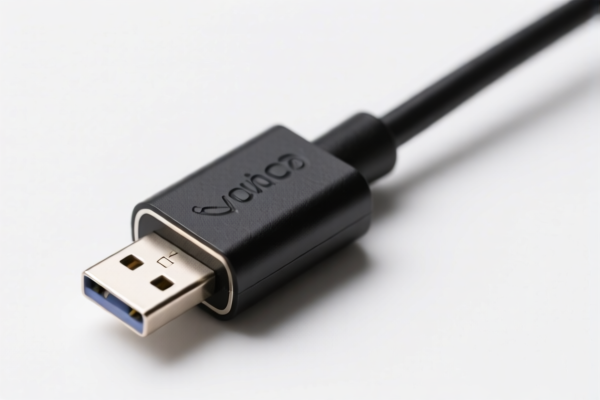
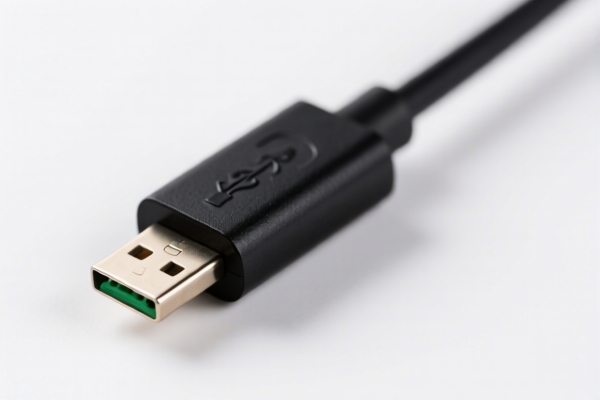
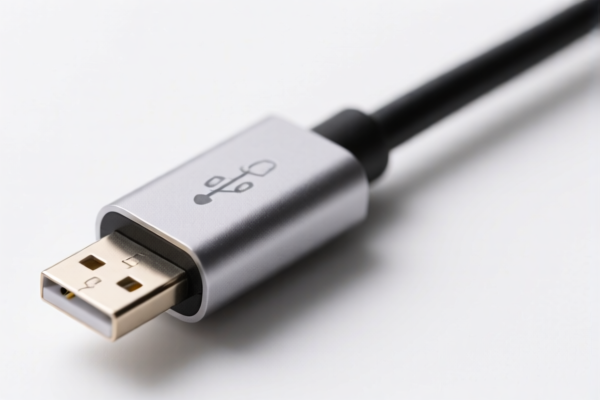
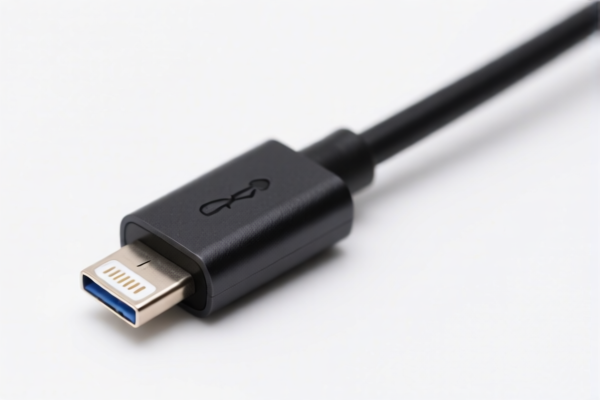
Product Images
AI Analysis
🔌 Adapter & Cable (Power Adapters & Connectors)
🌐 HS Code Reference & Customs Clearance Guide | 2026 Latest Tariff Analysis | Professional Clearance Strategy
📌 I. Product Definition & Classification: Do You Really Know What an "Adapter" Is?
In international trade, the term "Adapter" is often too vague. Customs authorities require precise technical classification based on function and electrical nature. Adapters generally fall into two main categories:
- Power Adapters (Static Converters): Devices that convert AC/DC or change voltage levels to provide power to electronic devices.
- Electrical Connectors/Adapters: Devices used to connect electrical circuits, such as coaxial connectors, plugs, or signal adapters (under 1,000V).
⚠️ Critical Distinction:
- If it converts power (e.g., AC to DC, voltage step-up/down) → Classified under 8504.40.
- If it connects circuits without converting power (e.g., changing plug type, signal transmission) → Classified under 8536.69 or 8517.79.
📦 II. HS Code Classification Details (2026 Latest Tariff Authority Comparison)
Based on the provided data, here are the specific classifications for "Adapter Cable" products, along with their corresponding tax implications.
| HS Code | Product Description | Application Scenario | Total Tax Rate (China to US) |
|---|---|---|---|
8504.40.60.07 |
Static Converter (Power Adapter) | Provides power to electronic devices; fits the category of power converters. | 35.0% |
8504.40.70.07 |
Static Converter (Power Adapter) | Static converter (power converter) matching the usage description for power conversion. | 35.0% |
8536.69.40.10 |
Electrical Connection Device (Coaxial Adapter) | Electrical connection/conversion equipment; fits the category of connectors with voltage ≤1,000V. | 35.0% |
8536.69.80.00 |
Electrical Connection Device (Plug/Socket Adapter) | Electrical connection/conversion device; fits the category of plugs, sockets, and others. | 37.7% |
8517.79.00.00 |
Part of Communication Equipment | Part/component of communication equipment; fits the "other" category for parts/components. | 67.5% |
🔍 Key Reminder:
- Power Adapters must be declared as "Static Converters" (8504 series). Misdeclaring them as connectors can lead to classification errors. - Connection Adapters (e.g., HDMI to USB, plug adapters) fall under 8536 if they are simple connections, but may fall under 8517 if they are specialized communication parts. - High Risk: Declaring a power adapter as a "communication part" (8517) triggers the highest tax rate (67.5%) due to additional steel/aluminum tariffs.
💰 III. 2026 Latest Tariff Rate Detailed Explanation (Including Surtaxes & Policy Add-ons)
✅ Applicable Country: USA (US)
✅ Origin: China (CN)
✅ Effective Time: Current applicable rates (Section 301 & IEEPA)
🎯 1. 8504.40.60.07 & 8504.40.70.07 —— Power Adapters (Static Converters)
These two codes are functionally similar, covering power adapters used for electronic devices.
| Item | Content |
|---|---|
| Base Tariff | 0.0% (Ad Valorem) |
| Section 301 Surcharge | +25.0% (Additional Tariff) |
| Section 122 Tariff | +10.0% (Additional Tariff) |
| Total Tax Rate | 35.0% |
| Tax Calculation | CIF Value × 35% |
| De Minimis Exemption? | ❌ NO (Deny De Minimis) |
| Legal Basis Path | Section 301: 8504.40 → Section 122: 10% → Total 35% |
📌 Explanation:
- The 0% base tariff reflects the free trade status for many electronic components. - The 25% Section 301 tariff is applied to Chinese origin goods. - The 10% Section 122 tariff is an additional surcharge on certain electronic products. - Total 35% is a significant cost factor. Ensure the product is clearly defined as a "Power Adapter" or "Static Converter."
🎯 2. 8536.69.40.10 & 8536.69.80.00 —— Electrical Connection Adapters
These codes cover adapters used for connecting electrical circuits (e.g., plug adapters, coaxial connectors).
A. Coaxial/Signal Connectors (8536.69.40.10)
| Item | Content |
|---|---|
| Base Tariff | 0.0% |
| Section 301 Surcharge | +25.0% |
| Section 122 Tariff | +10.0% |
| Total Tax Rate | 35.0% |
| Tax Calculation | CIF Value × 35% |
| De Minimis Exemption? | ❌ NO |
B. Other Plugs/Sockets/Adapters (8536.69.80.00)
| Item | Content |
|---|---|
| Base Tariff | 2.7% |
| Section 301 Surcharge | +25.0% |
| Section 122 Tariff | +10.0% |
| Total Tax Rate | 37.7% |
| Tax Calculation | CIF Value × 37.7% |
| De Minimis Exemption? | ❌ NO |
📌 Note:
- The difference between 35.0% and 37.7% is due to the 2.7% base tariff on "other" electrical connection devices. - If your adapter is a standard coaxial connector, it may qualify for the 0% base rate (35% total). If it is a general-purpose plug adapter, the 2.7% base rate applies (37.7% total).
🎯 3. 8517.79.00.00 —— Parts of Communication Equipment
This classification is used if the adapter is considered a part of a communication device (e.g., network interface parts).
| Item | Content |
|---|---|
| Base Tariff | 0.0% |
| Section 301 Surcharge | +7.5% (Standard) OR +50.0% (Steel/Aluminum/Copper Products) |
| Section 122 Tariff | +10.0% |
| Total Tax Rate | 67.5% (if steel/aluminum/copper components are included) |
| Tax Calculation | CIF Value × 67.5% |
| De Minimis Exemption? | ❌ NO |
📌 Warning:
- This is the highest tax bracket. - The 50% surcharge applies if the adapter contains significant amounts of steel, aluminum, or copper. - Misclassifying a power adapter as a "communication part" can increase taxes from 35% to 67.5%, nearly doubling the cost.
🛠️ IV. Customs Clearance Practical Advice (Battle-Tested Pitfall Avoidance Guide)
✅ 1. Document Checklist (Non-Negotiable)
| Document | Mandatory? | Description |
|---|---|---|
| ✅ Product Specifications | ✔️ | Must detail input/output voltage, current, power (Watts), and frequency. |
| ✅ Circuit Diagram / Structure | ✔️ | Proves whether it is a converter (8504) or a connector (8536). |
| ✅ Product Photos | ✔️ | Clear images of the label, plug type, and internal components (if visible). |
| ✅ Commercial Invoice | ✔️ | Must specify "Power Adapter" or "Electrical Connector" accurately. Avoid vague terms like "Adapter Cable." |
| ✅ Origin Certificate (CO) | ✔️ | To prove China origin for tariff calculation. |
| ✅ Packing List | ✔️ | Detailing the relationship between adapters and any packaging/accessories. |
✅ 2. Declaration Strategy (Key Mnemonics)
🔥 "Power Converts, Connects Don't Convert. Check Material, Check Function!"
| Scenario | Correct HS Code | Error to Avoid |
|---|---|---|
| Power Adapter (AC/DC converter) | 8504.40.60.07 or 8504.40.70.07 |
Do NOT declare as "Connector" (8536) unless it has no conversion function. |
| Plug Adapter (Physical shape change, no voltage change) | 8536.69.80.00 |
Ensure it is not a voltage converter. |
| Coaxial Adapter (Signal transmission) | 8536.69.40.10 |
If it contains steel/aluminum, watch out for the 50% surcharge if misclassified under 8517. |
| Communication Part (Internal component) | 8517.79.00.00 |
Only use if it is strictly a part of a communication device, not a standalone power adapter. |
✅ 3. Special Case Handling
| Situation | Handling Advice |
|---|---|
| Multi-function Adapter (e.g., USB Hub with Power) | Declare as Power Converter (8504) if power conversion is primary function. Tax: 35%. |
| Adapter with Steel/Aluminum Housing | If declared under 8517.79.00.00, expect 67.5% tax due to metal surcharge. If declared under 8536, check if base tariff applies. |
| OEM Custom Adapters | Provide client order and design specs to justify specific HS code. |
| Vague Description "Adapter Cable" | DO NOT USE. Use specific terms like "AC to DC Power Adapter" or "Coaxial Adapter." |
🌍 V. Global Market Comparison (2026 Latest)
| Country/Region | Recommended HS Code | Tax Rate (China Origin) | Certification Required | Notes |
|---|---|---|---|---|
| 🇺🇸 USA | 8504.40.xxxx |
35.0% (Power) / 37.7% (Connection) | FCC, UL (if applicable) | High tariffs due to Section 301 & 122. |
| 🇨🇳 China | 8504.40.xxxx |
0% - 5% | CCC, RoHS | No additional surcharges. |
| 🇪🇺 EU | 8504.40.xxxx |
0% - 4% | CE, RoHS, REACH | No Section 301 tariffs. |
| 🇬🇧 UK | 8504.40.xxxx |
0% - 4% | UKCA, RoHS | Post-Brexit rules apply. |
| 🇨🇦 Canada | 8504.40.xxxx |
0% - 6% | IC, UL/CUL | No major surcharges for China. |
📌 Conclusion:
- USA is the most expensive market due to layered tariffs (35-67.5%). - EU/UK/Canada offer significantly lower duty rates, making them more attractive if supply chain allows. - Cost Saving Tip: Ensure the product is correctly classified to avoid the 67.5% "communication part" trap for standard power adapters.
📌 VI. Common Errors & Pitfalls (Blood Lessons)
❌ Error 1: Declaring a Power Adapter as a "Communication Part" (8517.79.00.00)
👉 Consequence: Tax jumps from 35% to 67.5%.
👉 Fix: Clearly state "AC/DC Power Converter" in the invoice.
❌ Error 2: Using vague description "Adapter Cable"
👉 Consequence: Customs may classify it based on their discretion, potentially assigning a higher rate or demanding additional documentation.
👉 Fix: Use precise technical terms: "AC to DC Adapter, 12V 2A" or "Coaxial Adapter, 75 Ohm."
❌ Error 3: Ignoring the Section 122 Tariff
👉 Consequence: Forgetting the additional 10% on top of the 25% Section 301 tariff.
👉 Fix: Always calculate total tax as Base + 25% + 10%.
❌ Error 4: Misclassifying Coaxial Adapters as Connectors with higher base rates
👉 Consequence: Paying 37.7% instead of 35% unnecessarily.
👉 Fix: Verify if the product fits 8536.69.40.10 (0% base) vs. 8536.69.80.00 (2.7% base).
🎯 VII. Conclusion: Precision Saves Money!
🎯 Remember the Mnemonics:
🔹 "Power Converter = 8504 (35%)"
🔹 "Coaxial Connector = 8536.40 (35%)"
🔹 "General Connector = 8536.80 (37.7%)"
🔹 "Communication Part = 8517 (67.5% - AVOID!) "
🔹 "Never Declare 'Adapter Cable' Alone!"
📌 Pro Tip:
If your adapter contains significant steel, aluminum, or copper components and is misclassified under 8517, you will face the 50% metal surcharge. Always verify material composition and function before declaring under 8517.
📣 Immediate Action:
📞 Consult a Customs Broker + Provide Technical Datasheet + Apply for Advance Ruling
🚀 Optimize Your Classifications, Reduce Tariff Burden, Maximize Profit!
✨ Professional Clearance Starts with Accurate Classification!
💼 Every Percent in Tax is Money Out of Your Pocket!
Customer Reviews
About HS Code Classification
The Harmonized System (HS) is an internationally standardized nomenclature developed by the World Customs Organization (WCO) to classify traded products. Over 200 countries use the HS system as the basis for customs tariffs, trade statistics, and import/export regulations.
Each HS code follows a hierarchical structure:
- Chapter (2 digits) — Broad category of goods (e.g., Chapter 84: Machinery and Mechanical Appliances)
- Heading (4 digits) — More specific grouping within the chapter
- Subheading (6 digits) — Internationally standardized breakdown, used by all WCO member countries
- National subdivisions (8-10 digits) — Country-specific extensions for further classification, such as US HTSUS 10-digit codes
Correct HS code classification is essential for smooth customs clearance, accurate duty payment, and compliance with trade regulations. Misclassification can lead to customs delays, overpayment of duties, or penalties.
When importing from CN to US, the applicable tariff rates may include:
- Most-Favored-Nation (MFN) rate — The standard duty rate applied to WTO members
- General rate — Applied to countries without trade agreements
- Trade remedy duties — Additional tariffs such as Section 301 (anti-dumping), Section 232 (national security), or countervailing duties
The information provided on this page is for reference purposes only. For official classification, please consult with your local customs authority or a licensed customs broker.