Adhesive Label Paper
CN → US| HS Code | Tariff Rate | Origin | Destination | Doc |
|---|---|---|---|---|
| 4821902000 | 35.0% | CN | US | Official Doc |
| 3919905060 | 40.8% | CN | US | Official Doc |
| 3919102055 | 40.8% | CN | US | Official Doc |
| 4821904000 | 35.0% | CN | US | Official Doc |
| 4823908680 | 35.0% | CN | US | Official Doc |
Product Images
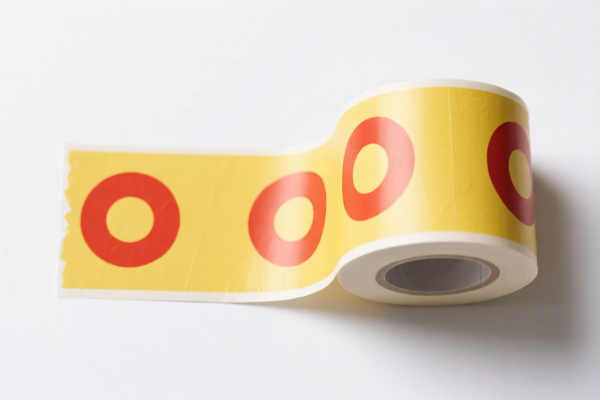
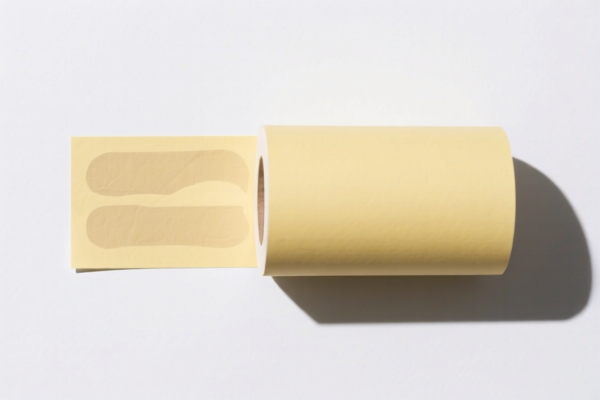
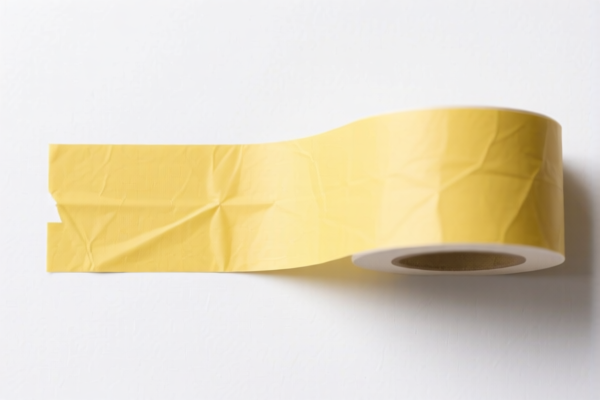
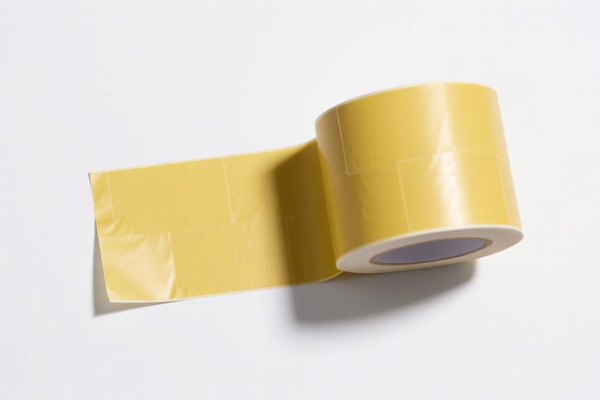
AI Analysis
🏷️ Adhesive Label Paper (不干胶贴纸/标签)
🌐 HS Code Reference & Customs Clearance Guide | 2026 Latest Tariff Breakdown | Professional Clearance Strategy for US Imports
📌 I. Product Definition & Classification: Do You Really Understand "Adhesive Labels"?
Adhesive Label Paper is a versatile packaging and branding material widely used in logistics, retail, and industrial applications. In international trade, specifically when importing into the United States from China, these products are strictly categorized based on their base material (Paper vs. Plastic/Film) and structure.
The key distinction lies in whether the backing is Paper (generally lower tariff risk) or Plastic/Film (subject to stricter trade remedies). Misclassification can lead to severe penalties or massive tariff hikes.
⚠️ Critical Distinction:
- If the backing is Paper (even if it has a thin adhesive layer): It falls under Chapter 48 (Paper products).
- If the backing is Plastic or Synthetic Film: It falls under Chapter 39 (Plastics).
- Self-adhesive means the item has a pressure-sensitive adhesive backing that does not require water or heat to activate.
📦 II. HS Code Classification Details (2026 Latest Tariff Authority Match)
Based on the provided <DATA>, here are the precise HS Codes for Adhesive Labels, categorized by material type:
| HS Code | Product Description | Material Base | Key Characteristics |
|---|---|---|---|
4821.90.20.00 |
Self-adhesive labels | Paper | Paper-based or film-based (if primarily paper structure), self-adhesive labels. |
4821.90.40.00 |
Paper labels | Paper | Paper-based or film-based, specifically classified as paper labels. |
3919.90.50.60 |
Self-adhesive sheets/films | Plastic | Plastic substrate, self-adhesive sheets/films. |
3919.10.20.55 |
Self-adhesive flat sheets | Plastic/Paper Mix | Plastic or paper adhesive films, self-adhesive flat shapes. |
4823.90.86.80 |
A4 Adhesive Printing Paper | Paper | Paper printing paper products, specifically A4 size adhesive paper. |
🔍 Important Note:
- Paper vs. Plastic is the Tax Determinant: Codes starting with4821or4823(Paper) generally have 0% Base Duty, while codes starting with3919(Plastic) have 5.8% Base Duty.
- Both categories are heavily impacted by US trade policies against Chinese goods.
💰 III. 2026 Latest Tariff Rate Detailed Breakdown (Including Surtaxes & Policy Add-ons)
✅ Applicable Country: United States (US)
✅ Country of Origin: China (CN)
✅ Effective Time: Including imports from Nov 10, 2025 onwards
🎯 1. Paper-Based Adhesive Labels (HS Code: 4821.90.20.00, 4821.90.40.00, 4823.90.86.80)
| Item | Content |
|---|---|
| Base Duty Rate | 0.0% (Ad Valorem) |
| Section 301 Surtax | +25.0% |
| IEEPA Surtax (Section 122) | +10.0% |
| Total Effective Rate | 35.0% |
| Tax Calculation | CIF Value × 35% |
| De Minimis Exemption | ❌ NOT Eligible (deny_de_minimis) |
| Legal Basis Path | USITC:4821.90.20.00 → FOOTNOTE:301 → IEEPA:122 |
📌 Explanation:
- "Base Duty 0%": Paper labels are generally considered low-tech or essential packaging materials, attracting zero base duty.
- "Section 301 (25%)": The Trump-era tariffs on Chinese goods remain in effect under the Biden administration for many manufacturing items.
- "IEEPA (10%)": Referenced as "122 Clause Tariff" in your data, likely referring to specific emergency powers or additional executive order surcharges on Chinese imports.
- Total 35%: This is a high tariff that significantly erodes profit margins. You cannot use the $800 de minimis exemption (Section 321) to avoid this.
🎯 2. Plastic-Based Adhesive Labels (HS Code: 3919.90.50.60, 3919.10.20.55)
| Item | Content |
|---|---|
| Base Duty Rate | 5.8% (Ad Valorem) |
| Section 301 Surtax | +25.0% |
| IEEPA Surtax (Section 122) | +10.0% |
| Total Effective Rate | 40.8% |
| Tax Calculation | CIF Value × 40.8% |
| De Minimis Exemption | ❌ NOT Eligible (deny_de_minimis) |
| Legal Basis Path | USITC:3919.90.50.60 → FOOTNOTE:301 → IEEPA:122 |
📌 Explanation:
- "Base Duty 5.8%": Plastic products often attract a higher baseline duty than paper products due to different trade agreements.
- "Total 40.8%": This is the highest tariff bracket in your dataset.
- Why is it higher? Plastic films (3919) are more susceptible to anti-dumping counts in some contexts, but here the difference is primarily due to the higher base rate plus the same punitive surcharges.
🛠️ IV. Customs Clearance Practical Advice (Pitfall Avoidance Guide)
✅ 1. Preparation Checklist (Mandatory)
| Document | Required? | Description |
|---|---|---|
| ✅ Product Specification Sheet | ✔️ | Must specify: Base material (Paper vs. PET/PP/PE), adhesive type (permanent/removable), size, and roll/die-cut form. |
| ✅ Commercial Invoice | ✔️ | Must explicitly state "Self-Adhesive Label" and "Made in China". Avoid vague terms like "Sticker" without HS classification support. |
| ✅ Packing List | ✔️ | Detail the net/gross weight and number of rolls/sheets. |
| ✅ Proof of Origin (CO) | ✔️ | Crucial for verifying Country of Origin (China). If shipped from Vietnam/Malaysia, ensure substantial transformation occurred. |
| ✅ Material Safety Data Sheet (MSDS) | Optional but Recommended | If the adhesive contains volatile organic compounds (VOCs), some carriers or states may require this. |
✅ 2. Declaration Tips (Key Mantra)
🔥 "Material First, Then Shape: Paper is 4821/4823, Plastic is 3919!"
| Scenario | Correct Declaration | Error to Avoid |
|---|---|---|
| Paper Backing Label | HS 4821.90.20.00 or 4821.90.40.00 |
Misdeclaring as Plastic (3919) → Overpaying 5.8% base? Or worse, Under-declaring → Penalties. |
| Plastic Film Label (PET/PP) | HS 3919.90.50.60 |
Misdeclaring as Paper → Customs Seizure & Fraud Penalties (35% vs 40.8% is minor; the fraud risk is major). |
| A4 Printing Adhesive Paper | HS 4823.90.86.80 |
Do not declare as "Printer Paper" (4802). It must be declared as "Self-adhesive". |
| Rolls vs. Sheets | Declare as "Rolled" or "Die-cut" | Ensure dimensions match the HS code description (e.g., width, length). |
⚠️ Warning:
- Do NOT use the $800 De Minimis (Section 321) for these goods. The<DATA>explicitly statesdeny_de_minimis.
- If you ship small samples via courier (DHL/FedEx) and claim de minimis, Customs will seize the package and issue a fine for misdeclaration.
✅ 3. Special Circumstances Handling
| Situation | Handling Suggestion |
|---|---|
| Mixed Material Labels | If a label has a paper face but a plastic liner, the face material usually dictates the classification. Consult a broker. |
| Private Label / OEM | Ensure the commercial invoice lists the brand owner clearly to avoid "Gray Market" restrictions. |
| High-Value Shipments | For large containers, consider Advance Rulings from CBP to confirm HS Code validity and avoid post-clearance audits. |
| Alternative Sourcing | If sourcing from Vietnam, Thailand, or Mexico, tariffs may be significantly lower or zero due to trade agreements or origin rules. |
🌍 V. Global Market Customs Comparison (2026 Latest)
| Country/Region | Recommended HS Code (Paper) | Tariff Rate (China Origin) | Certification Requirements | Remarks |
|---|---|---|---|---|
| 🇺🇸 USA | 4821.90.20.00 |
35.0% (0% + 25% + 10%) | None specific for labels | Highest Cost. De Minimis blocked. |
| 🇪🇺 EU | 4821.90 | ~6.5% (Standard MFN) | CE (if for electronics), RoHS | No Section 301/IEEPA equivalent. |
| 🇨🇳 China | 4821.90 | 0% - 5% (Import Duty) | CCC (if applicable) | Zero tariff for exports TO China? No, this is import from China. |
| 🇦🇺 Australia | 4821.90 | 5% | None | No major anti-dumping on labels. |
📌 Conclusion:
- The US market is exceptionally expensive for Chinese adhesive labels due to the 35%-40.8% combined tax burden.
- Strategy: For US-bound goods, consider warehousing in Mexico/Canada or sourcing from non-China origins to bypass the 25% + 10% surtaxes.
📌 VI. Common Mistakes & Pitfall Guide (Lessons Learned)
❌ Mistake 1: Declaring "Adhesive Stickers" as "General Paper" (HS 4802)
👉 Consequence: HS Code mismatch. Customs will reclassify to 4821 and assess back duties + penalties.
❌ Mistake 2: Using De Minimis ($800) for Commercial Shipments
👉 Consequence: Package Seizure. The <DATA> clearly marks these items as deny_de_minimis. CBP’s AI systems flag "self-adhesive labels" automatically.
❌ Mistake 3: Confusing "Paper" vs. "Plastic" Base
👉 Consequence: If you declare Plastic (3919) but Customs tests and finds Paper (4821), you may face an audit for under-declaring duties if the rates had been inverted, or over-declaring if you paid more. More importantly, it slows down clearance.
✅ Correct Declaration Example:
"Self-Adhesive Paper Labels, Die-cut, Size 4x6 inches, Permanent Adhesive, Material: 100% Paper, HS Code: 4821.90.20.00, Made in China."
🎯 VII. Conclusion: Professional Declaration for Cost Optimization
🎯 Key Takeaway:
🔹 "Paper is 35%, Plastic is 40.8%. No De Minimis Allowed!"
🔹 "Check Material First: Paper vs. Plastic changes the Base Rate."
📌 Pro Tip:
If you are importing large volumes of adhesive labels into the US:
1. Apply for an Advance Ruling from CBP to lock in the HS Code.
2. Evaluate Supply Chain: Can you source from Vietnam or Malaysia to avoid the 35%+ tariff?
3. Calculate Landed Cost: Include the 35% tax in your pricing model immediately. Do not assume it can be avoided.
📣 Take Action Now:
📞 Contact a Licensed Customs Broker + Provide Product Photos + Confirm Material Composition
🚀 Optimize Your Supply Chain to mitigate the high US tariffs on Chinese Adhesive Labels!
✨ Accurate Classification Saves Money!
💼 Every percentage point of tariff impacts your bottom line!
Customer Reviews
About HS Code Classification
The Harmonized System (HS) is an internationally standardized nomenclature developed by the World Customs Organization (WCO) to classify traded products. Over 200 countries use the HS system as the basis for customs tariffs, trade statistics, and import/export regulations.
Each HS code follows a hierarchical structure:
- Chapter (2 digits) — Broad category of goods (e.g., Chapter 84: Machinery and Mechanical Appliances)
- Heading (4 digits) — More specific grouping within the chapter
- Subheading (6 digits) — Internationally standardized breakdown, used by all WCO member countries
- National subdivisions (8-10 digits) — Country-specific extensions for further classification, such as US HTSUS 10-digit codes
Correct HS code classification is essential for smooth customs clearance, accurate duty payment, and compliance with trade regulations. Misclassification can lead to customs delays, overpayment of duties, or penalties.
When importing from CN to US, the applicable tariff rates may include:
- Most-Favored-Nation (MFN) rate — The standard duty rate applied to WTO members
- General rate — Applied to countries without trade agreements
- Trade remedy duties — Additional tariffs such as Section 301 (anti-dumping), Section 232 (national security), or countervailing duties
The information provided on this page is for reference purposes only. For official classification, please consult with your local customs authority or a licensed customs broker.