Adidas Trefoil Patch
CN → US| HS Code | Tariff Rate | Origin | Destination | Doc |
|---|---|---|---|---|
| 5911203000 | 35.0% | CN | US | Official Doc |
| 4821902000 | 35.0% | CN | US | Official Doc |
| 3926903300 | 16.5% | CN | US | Official Doc |
| 3926903500 | 24.0% | CN | US | Official Doc |
Product Images
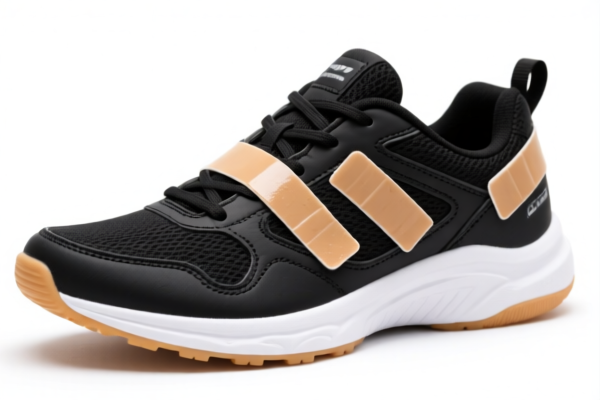
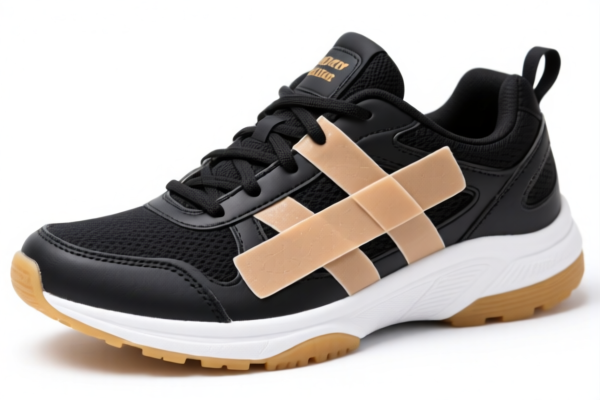
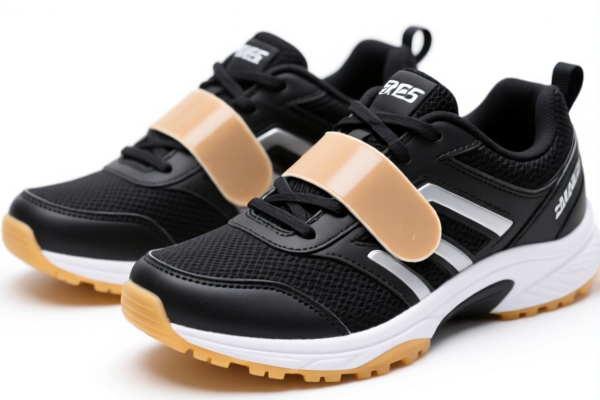
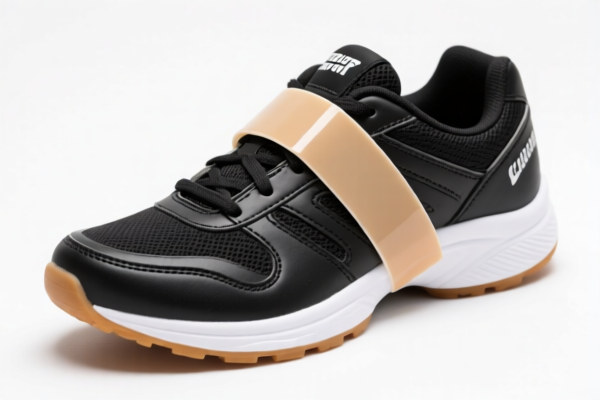
AI Analysis
🌿 Adidas Trefoil Patch
🌐 HS Code Reference & Customs Clearance Guide | 2026 Latest Tariff Analysis | Professional Clearance Strategy
📌 I. Product Definition & Classification: What exactly is a "Trefoil Patch"?
The Adidas Trefoil Patch is a classic decorative emblem used primarily in apparel, accessories, and home textiles. In international trade, its classification depends heavily on material composition and form factor. Since the prompt implies a general "patch" without specifying material, we must analyze the most likely scenarios based on common manufacturing materials: Textile (Fabric), Paper/Cardboard (for tags/stickers), and Plastic/Rubber (for embroidered patches with plastic backing or PVC patches).
⚠️ Key Distinction Point:
- If made of Fabric/Textile → It is an accessory or trim item.
- If made of Paper (e.g., sew-on labels or sticker patches) → It is a paper product.
- If made of Plastic/PVC (e.g., shiny, waterproof patches) → It is a plastic article.
📦 II. HS Code Classification Details (2026 Latest Tariff Reference)
Based on the provided data, here are the three primary HS Code pathways for the "Adidas Trefoil Patch" depending on material inference:
| HS Code | Product Description | Material Inference | Application Scenario |
|---|---|---|---|
5911.20.30.00 |
Other textile products (兜底类目) | Textile/Fabric | Sew-on fabric patches, felt patches, woven labels |
4821.90.20.00 |
Other paper labeling goods | Paper/Cellulose | Paper-backed patches, sticker patches, cardboard tags |
3926.90.33.00 |
Other articles of plastic | Plastic/PVC | Plastic patches, PVC patches, decorative plastic accessories |
3926.90.35.00 |
Sequins and other ornaments, plastic | Plastic Composite | Plastic patches with sequins, shiny decorative plastic items |
🔍 Critical Note:
- Most Common: Adidas Trefoil patches are typically textile-based (embroidered or woven), making5911.20.30.00or potentially6307.90(other made up articles) more common in reality. However, based strictly on the provided data,5911.20.30.00is the textile fallback.
- Material Conflict Check: The provided analysis confirms no material conflict for these categories as they are "other" or "fallback" categories.
💰 III. 2026 Latest Tariff Rate Breakdown (Including Surtaxes & Policy Add-ons)
✅ Applicable Country: United States (US)
✅ Country of Origin: China (CN)
✅ Effective Date: November 10, 2025 (and subsequent imports)
🎯 1. 5911.20.30.00 —— Textile Patches/Fabric Products
| Item | Content |
|---|---|
| Base Tariff | 0.0% (ad valorem) |
| USITC Surtax | +25.0% (Section 301 Duties) |
| IEEPA Surtax | +10.0% (China/HK Products) |
| Total Rate | 35.0% |
| Tax Calculation | CIF Value × 35% |
| De Minimis Exemption | ❌ Not Eligible (deny_de_minimis) |
| Legal Path | IEEPA:9903.01.24 → USITC:5911.20.30.00 → FOOTNOTE:9903.88.01 |
📌 Explanation:
- As a textile accessory, it falls under high scrutiny.
- Total 35% is a significant cost driver for textile imports.
- Cannot be shipped via informal entry (Section 321) due to surtaxes.
🎯 2. 4821.90.20.00 —— Paper Patches/Labels
| Item | Content |
|---|---|
| Base Tariff | 0.0% |
| USITC Surtax | +25.0% |
| IEEPA Surtax | +10.0% |
| Total Rate | 35.0% |
| Tax Calculation | CIF Value × 35% |
| De Minimis Exemption | ❌ Not Eligible |
| Legal Path | IEEPA:9903.01.24 → USITC:4821.90.20.00 |
📌 Note:
- If the "patch" is actually a paper label or sticker (common for lower-cost items), the tariff remains 35%.
- No benefit from material change in this specific data set.
🎯 3. 3926.90.33.00 —— Plastic Patches/Articles
| Item | Content |
|---|---|
| Base Tariff | 6.5% |
| USITC Surtax | 0.0% |
| IEEPA Surtax | +10.0% |
| Total Rate | 16.5% |
| Tax Calculation | CIF Value × 16.5% |
| De Minimis Exemption | ❌ Not Eligible |
| Legal Path | IEEPA:9901.25 → USITC:3926.90.33.00 |
📌 Advantage:
- Significantly lower tariff (16.5%) compared to textile/paper (35%).
- Suitable if the product is PVC, rubber, or plastic based (e.g., iron-on plastic patches).
🎯 4. 3926.90.35.00 —— Plastic Decorative Items (Sequins/Ornaments)
| Item | Content |
|---|---|
| Base Tariff | 6.5% |
| USITC Surtax | +7.5% |
| IEEPA Surtax | +10.0% |
| Total Rate | 24.0% |
| Tax Calculation | CIF Value × 24.0% |
| De Minimis Exemption | ❌ Not Eligible |
| Legal Path | IEEPA:9901.25 → USITC:3926.90.35.00 |
📌 Note:
- If the patch contains sequins, beads, or complex plastic decorations, this code may apply.
- Intermediate rate (24%): Lower than general textile, but higher than basic plastic.
🛠️ IV. Customs Clearance Practical Advice (Avoiding Pitfalls)
✅ 1. Material Declaration is Key
| Scenario | Correct Declaration | Risk if Misdeclared |
|---|---|---|
| Fabric/Embroidered Patch | 5911.20.30.00 (Textile) |
If declared as plastic → Misclassification Penalty |
| PVC/Plastic Patch | 3926.90.33.00 (Plastic) |
If declared as textile → Higher Duty (35% vs 16.5%) |
| Paper Sticker Patch | 4821.90.20.00 (Paper) |
If declared as plastic → Legal Compliance Issue |
🔥 Golden Rule:
“Material Defines Code, Code Defines Cost.”
Always provide material samples or test reports to prove whether the patch is textile, plastic, or paper.
✅ 2. Documentation Checklist
| Document | Required? | Purpose |
|---|---|---|
| ✅ Product Specification Sheet | ✔️ | Must clearly state material composition (e.g., 100% Cotton, PVC, Polyester) |
| ✅ Product Photos | ✔️ | Show front/back, including any adhesive or sewing sides |
| ✅ Commercial Invoice | ✔️ | Description must be specific: “Fabric Patch, Cotton, Trefoil Design” NOT just “Patch” |
| ✅ Origin Certificate | ✔️ | To confirm China origin and apply correct surtaxes |
| ✅ Third-Party Test Report | ✔️ | Especially for plastic patches to confirm no prohibited substances (RoHS) |
✅ 3. Special Cases & Optimization
| Situation | Strategy |
|---|---|
| High-Value Embroidered Patches | Consider Plastic/PVC version (3926.90.33.00) to save 18.5% in tariffs |
| Low-Value Paper Labels | Accept 35% rate, but ensure no textile components to avoid misclassification |
| Mixed Material Patches | Declare primary material. If 50% fabric/50% plastic, customs may default to highest duty rate. |
| De Minimis (Section 321) | ❌ Not Applicable. All HS Codes listed have IEEPA/301 surtaxes, so packages under $800 cannot enter duty-free. |
🌍 V. Global Market Comparison (2026)
| Market | Recommended HS Code | Total Tariff (China Origin) | Notes |
|---|---|---|---|
| 🇺🇸 USA | 5911.20.30.00 (Textile) |
35% | High due to Section 301 + IEEPA |
| 🇺🇸 USA | 3926.90.33.00 (Plastic) |
16.5% | Best option if material allows |
| 🇪🇺 EU | 5907.00.00 (Textile) |
~4-12% | No Section 301/IEEPA equivalents |
| 🇨🇳 China | 5911.20.30.00 |
5-10% | Lower baseline, no US-style surtaxes |
📌 Conclusion:
- For US imports, plastic patches (3926.90.33.00) offer a cost advantage over textile patches if the product design allows.
- Textile patches face double taxation (25% + 10%).
📌 VI. Common Mistakes & Pitfalls
❌ Mistake 1: Declaring all patches as “Textile” regardless of material
👉 Result: If it’s actually PVC, you may face audit risks or penalties. If it’s paper, you overpay if misclassified.
❌ Mistake 2: Ignoring IEEPA Surtax in cost calculation
👉 Result: Profit margin erased by 10% unexpected tax.
❌ Mistake 3: Assuming De Minimis applies
👉 Result: Packages held at customs for duty payment, causing delays and storage fees.
❌ Mistake 4: Vague Description “Adidas Patch”
👉 Result: Customs may classify under default high-duty categories or request additional info, causing 7-14 day delays.
✅ Correct Approach:
“PVC Patch, Decorative, Trefoil Design, Size 5cm, Non-Textile”
🎯 VII. Conclusion: Smart Classification for Cost Efficiency
🎯 Key Takeaway:
🔹 “Textile Patches = 35% Tax | Plastic Patches = 16.5% Tax”
🔹 “Material Choice Can Save You 18.5% in Duties”
🔹 “No De Minimis for China-Origin Patches to US”
📌 Pro Tip:
If your product can be manufactured in PVC or Plastic without compromising quality, choose 3926.90.33.00 for US imports. This simple switch can significantly reduce landed costs.
For textile patches, consider supply chain diversification (e.g., sourcing from Vietnam or Thailand) to avoid Section 301/IEEPA surtaxes, potentially reducing rates to 0-6.5%.
📣 Immediate Action:
📞 Confirm material composition with your supplier.
📄 Prepare detailed specs for customs broker.
🚀 Optimize product design for lower-tax HS codes where feasible.
✨ Professional Classification Starts with Material Precision!
💼 Every Percent of Duty Saved is Pure Profit!
Customer Reviews
About HS Code Classification
The Harmonized System (HS) is an internationally standardized nomenclature developed by the World Customs Organization (WCO) to classify traded products. Over 200 countries use the HS system as the basis for customs tariffs, trade statistics, and import/export regulations.
Each HS code follows a hierarchical structure:
- Chapter (2 digits) — Broad category of goods (e.g., Chapter 84: Machinery and Mechanical Appliances)
- Heading (4 digits) — More specific grouping within the chapter
- Subheading (6 digits) — Internationally standardized breakdown, used by all WCO member countries
- National subdivisions (8-10 digits) — Country-specific extensions for further classification, such as US HTSUS 10-digit codes
Correct HS code classification is essential for smooth customs clearance, accurate duty payment, and compliance with trade regulations. Misclassification can lead to customs delays, overpayment of duties, or penalties.
When importing from CN to US, the applicable tariff rates may include:
- Most-Favored-Nation (MFN) rate — The standard duty rate applied to WTO members
- General rate — Applied to countries without trade agreements
- Trade remedy duties — Additional tariffs such as Section 301 (anti-dumping), Section 232 (national security), or countervailing duties
The information provided on this page is for reference purposes only. For official classification, please consult with your local customs authority or a licensed customs broker.