Adjustable Armrest
CN → US| HS Code | Tariff Rate | Origin | Destination | Doc |
|---|---|---|---|---|
| 9401991085 | 17.5% | CN | US | Official Doc |
| 4421919880 | 38.3% | CN | US | Official Doc |
| 8302426000 | 20.9% | CN | US | Official Doc |
| 8302423065 | 71.4% | CN | US | Official Doc |
Product Images
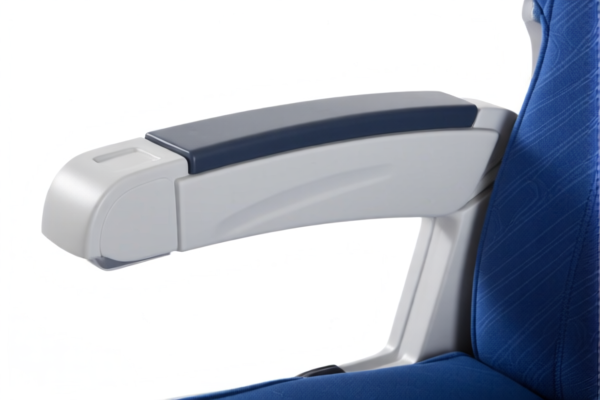
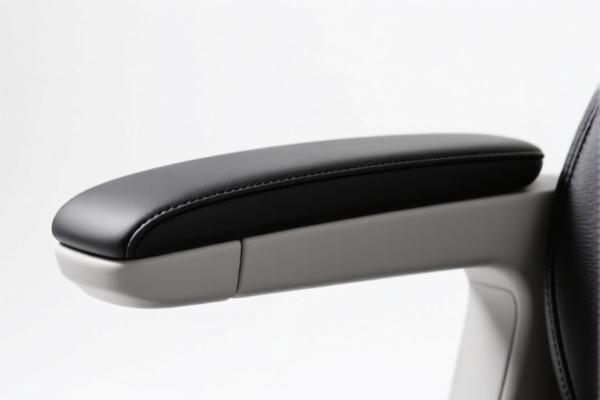
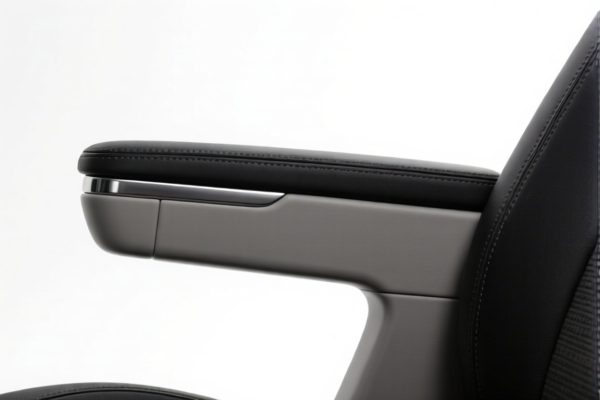
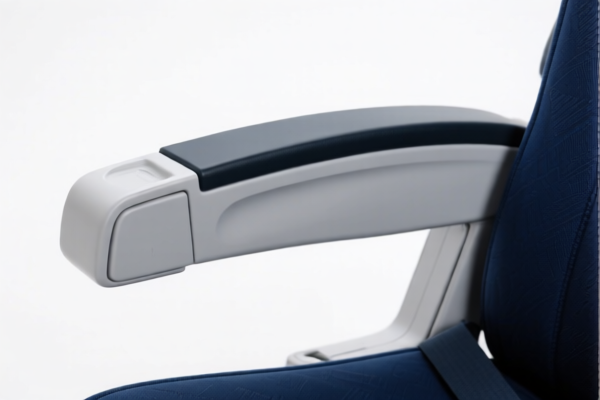
AI Analysis
🪑 Adjustable Armrests (Furniture Parts & Hardware)
🌐 HS Code Reference & Customs Clearance Guide | 2026 Latest Tariff Analysis | Strategic Import Strategy
📌 I. Product Definition & Classification: What Exactly is an "Adjustable Armrest"?
An adjustable armrest is a critical component of seating furniture, designed to provide ergonomic support. In international trade, its classification depends heavily on its material composition and functional identity. It is not treated as a standalone machine but rather as a part/accessory.
Core Distinction Logic: 1. Furniture Parts Logic: If the armrest is primarily identified as a component of a chair/sofa (regardless of material), it often falls under Chapter 94. 2. Material Specific Logic: If the armrest is made of specific materials (like wood or metal) and is considered a general-purpose hardware fitting or decorative element, it may fall under Chapter 44 or Chapter 83.
⚠️ Key Classification Trap:
- Do not assume all armrests are "Furniture Parts."
- Wooden armrests used as decorative/structural fittings often fall under Wood Products (Ch 44).
- Metal armrests used as general hardware/fittings fall under Base Metal Articles (Ch 83).
- Generic/Unspecified armrests often trigger the "Other Parts" catch-all in Chapter 94.
📦 II. HS Code Classification Details (2026 Latest Tariff Authority Comparison)
| HS Code | Product Description | Applicable Scenario | Material/Function |
|---|---|---|---|
9401.99.10.85 |
Furniture Parts: Armrests classified as parts of seats, fitting the "Other" residual category logic. | Generic armrests, plastic/composite, or when material-specific classification is ambiguous. | General/Composite |
4421.91.98.80 |
Wooden Articles: Armrests as components or decorative elements of other wooden items. | Solid wood or veneered armrests, considered as wooden parts/decorations. | Wood |
8302.42.60.00 |
Base Metal Accessories: Furniture, door, window, etc., hardware fittings. | Metal armrests (stainless, aluminum, steel) used as structural fittings for furniture/doors. | Metal |
8302.42.30.65 |
Base Metal Parts: Parts and accessories for furniture, similar items. | Specific metal parts for furniture, matching the "parts" principle. | Metal (Special) |
🔍 Critical Reminder:
- Chapter 94 (9401.99.10.85) is the most common "default" for furniture parts if no specific material code applies.
- Chapter 83 (8302.42.xxxx) applies if the item is strictly a metal hardware fitting.
- Chapter 44 (4421.91.98.80) applies if the item is strictly a wooden article/component.
- Misclassification Risk: Declaring a metal armrest as a "wooden part" or vice versa will lead to severe penalties and reclassification.
💰 III. 2026 Latest Tariff Rate Details (Including Surtaxes & Policy Add-ons)
✅ Applicable Country: United States (US)
✅ Country of Origin: China (CN)
✅ Effective Date: Post-2025 (Includes all subsequent imports)
🎯 1. 9401.99.10.85 —— Furniture Parts (General/Other)
| Item | Content |
|---|---|
| Base Tariff | 0.0% (Ad Valorem) |
| Section 301 Surtax | +7.5% |
| Section 122 Surtax | +10% |
| Total Tax Rate | 17.5% |
| Tax Calculation | CIF Value × 17.5% |
| De Minimis Eligibility | ❌ Not Eligible (High risk of audit for low-value shipments under this code) |
| Legal Basis Path | USITC:9401.99.10.85 → Section 301: Footnote 1 → Section 122: Authority |
📌 Explanation:
- This is the most favorable option among the choices if the armrest can be justified as a generic "furniture part."
- The base tariff is 0%, making it significantly cheaper than the metal or wood classifications.
- Strategic Note: Use this code if the armrest is made of mixed materials or if the primary function is clearly "part of a seat" rather than a raw material product.
🎯 2. 4421.91.98.80 —— Wooden Other Articles
| Item | Content |
|---|---|
| Base Tariff | 3.3% |
| Section 301 Surtax | +25.0% |
| Section 122 Surtax | +10% |
| Total Tax Rate | 38.3% |
| Tax Calculation | CIF Value × 38.3% |
| De Minimis Eligibility | ❌ Not Eligible |
| Legal Basis Path | USITC:4421.91.98.80 → Section 301: Footnote 1 → Section 122: Authority |
📌 Explanation:
- High tax burden due to the 25% Section 301 surtax on wood products.
- Only use this code if the product is 100% wooden and clearly defined as a "wooden article" rather than a "furniture part."
- Warning: If you declare wooden armrests under9401(0% base), you may be audited for misclassification.
🎯 3. 8302.42.60.00 —— Base Metal Furniture Accessories
| Item | Content |
|---|---|
| Base Tariff | 3.4% |
| Section 301 Surtax | +7.5% |
| Section 122 Surtax | +10% |
| Total Tax Rate | 20.9% |
| Tax Calculation | CIF Value × 20.9% |
| De Minimis Eligibility | ❌ Not Eligible |
| Legal Basis Path | USITC:8302.42.60.00 → Section 301: Footnote 1 → Section 122: Authority |
📌 Explanation:
- A moderate tax rate for metal hardware.
- Suitable for metal armrests that are standard industrial fittings (e.g., hinge brackets, support rods).
- Lower than the wooden option, but higher than the general furniture part option.
🎯 4. 8302.42.30.65 —— Base Metal Parts for Furniture
| Item | Content |
|---|---|
| Base Tariff | 3.9% |
| Section 301 Surtax | +7.5% |
| Section 122 Surtax | +10% |
| Steel/Aluminum/Copper Surtax | +50% (Additional specific surtax for these materials) |
| Total Tax Rate | 71.4% |
| Tax Calculation | CIF Value × 71.4% |
| De Minimis Eligibility | ❌ Not Eligible |
| Legal Basis Path | USITC:8302.42.30.65 → Section 301: Footnote 1 → Section 122: Authority → Special Steel/Aluminum Rules |
📌 Explanation:
- HIGHEST TAX RATE. Avoid this unless absolutely necessary.
- The 50% additional surtax for Steel, Aluminum, or Copper products makes this extremely expensive.
- Only applicable if the metal is specifically categorized under this narrow "parts" subheading with the special surtax trigger.
🛠️ IV. Customs Clearance Practical Advice (Battle-Tested Pitfall Guide)
✅ 1. Preparation Checklist (Essential Documents)
| Document | Required | Description |
|---|---|---|
| ✅ Product Specification Sheet | ✔️ | Must detail material (Wood/Metal/Composite), dimensions, and adjustability mechanism. |
| ✅ Material Breakdown | ✔️ | Explicitly state the % composition. Critical for distinguishing Ch 94 vs. Ch 44/83. |
| ✅ Product Photos | ✔️ | Clear images showing the armrest attached to a seat (proving it's a furniture part) AND detached (showing material). |
| ✅ Commercial Invoice | ✔️ | Must clearly describe as "Armrest for Chair/Sofa" or "Adjustable Furniture Armrest." Avoid vague terms like "Bracket." |
| ✅ Origin Certificate | ✔️ | Proof of China origin to apply correct Section 301/122 rates. |
✅ 2. Classification Strategy (Key Mantras)
🔥 “Material First, Function Second! Don't Mix Codes!”
| Scenario | Correct HS Code | Wrong Code | Consequence |
|---|---|---|---|
| Mixed Material / Generic | 9401.99.10.85 (17.5%) |
8302.42.60.00 (20.9%) |
Overpaying ~3.4% + audit risk |
| Solid Wood Armrest | 4421.91.98.80 (38.3%) |
9401.99.10.85 (17.5%) |
Under-declaration! Heavy Penalty + Back Taxes |
| Metal Hardware Fitting | 8302.42.60.00 (20.9%) |
8302.42.30.65 (71.4%) |
Overpaying ~50%! Massive cost increase |
| Steel/Aluminum Special Parts | Avoid 8302.42.30.65 if possible |
N/A | Avoid the 50% special surtax if alternative codes apply. |
✅ 3. Special Handling for Adjustability
| Feature | Clearance Advice |
|---|---|
| Adjustable Mechanism | If the adjustment involves electronic parts (motors), do not use furniture codes. Consider Chapter 85 (Electrical). |
| Modular Design | If sold as a kit (parts box), declare as "Parts of Furniture." If sold assembled, declare as "Parts." Both generally fall under Ch 94 if furniture-focused. |
| Packaging | Ensure packaging clearly states "Furniture Parts" to align with 9401. Vague packaging like "Home Decor" may trigger Ch 95 or Ch 73. |
🌍 V. Global Market Comparison (2026 Latest)
| Country/Region | Recommended HS Code | Total Tariff (CN Origin) | Certification | Notes |
|---|---|---|---|---|
| 🇺🇸 USA | 9401.99.10.85 |
17.5% | No special certs needed | Best for generic/mixed materials. |
| 🇺🇸 USA | 8302.42.60.00 |
20.9% | No special certs needed | Best for standard metal fittings. |
| 🇨🇳 China | 9401.99.10.85 |
5-10% | N/A | Low export/import duty. |
| 🇪🇺 EU | 9401.99 |
0% | CE (if electronic) | No Section 301/122 equivalent. |
📌 Conclusion:
- For US Imports,9401.99.10.85is the cost-effective sweet spot (17.5%) for most adjustable armrests, provided they can be classified as furniture parts.
- Wooden and Metal armrests face higher tariffs (38.3% and 20.9%) due to material-specific surtaxes.
- Avoid8302.42.30.65(71.4%) unless it is the only legally accurate code for specific steel/aluminum parts.
📌 VI. Common Mistakes & Pitfalls (Lessons Learned)
❌ Mistake 1: Declaring metal armrests as "Furniture Parts" (9401) to save tax.
👉 Result: If proven to be generic metal hardware, CBP may reclassify to 8302 (20.9%) or higher. However, 9401 is often accepted if the primary purpose is seating. Risk: Moderate.
❌ Mistake 2: Using 8302.42.30.65 for all metal armrests.
👉 Result: Paying 71.4% instead of 20.9% or 17.5%. Loss: ~50% of value.
👉 Fix: Check if the metal armrest fits 8302.42.60.00 (Accessories) or 9401 (Furniture Parts).
❌ Mistake 3: Misdeclaring wood armrests as "Plastic" or "Other."
👉 Result: Severe penalties for false declaration of material origin.
✅ Correct Declaration Example:
"Adjustable Armrest, Material: [Specify Wood/Metal/Plastic], For Use with Office Chairs, Model XYZ"
🎯 VII. Conclusion: Professional Classification, Maximize Profit!
🎯 Remember the Mantra:
🔹 "Furniture Part First (17.5%), Metal Hardware Second (20.9%), Wood Third (38.3%), Special Steel Last (71.4%)."
🔹 "HS Code Choice Saves Thousands! Declaration Accuracy Prevents Penalties!"
📌 Pro Tip:
If your armrests are assembled with electronic motors (power lift, heating), DO NOT use furniture codes. Classify under Chapter 85 (Electrical) or Chapter 92 (Mechanical) as appropriate. The tax structure for "furniture parts" does not apply to active electronic components.
📣 Immediate Action:
📞 Consult your customs broker with material composition data.
🚀 Apply for Advance Ruling if importing large volumes to lock in the 17.5% rate for9401.99.10.85.
💡 Optimize Supply Chain: If possible, source from countries with FTAs (Free Trade Agreements) to bypass Section 301/122 surtaxes entirely.
✨ Precision Classification Starts Now!
💼 Your Margin Depends on Your HS Code Choice!
Customer Reviews
About HS Code Classification
The Harmonized System (HS) is an internationally standardized nomenclature developed by the World Customs Organization (WCO) to classify traded products. Over 200 countries use the HS system as the basis for customs tariffs, trade statistics, and import/export regulations.
Each HS code follows a hierarchical structure:
- Chapter (2 digits) — Broad category of goods (e.g., Chapter 84: Machinery and Mechanical Appliances)
- Heading (4 digits) — More specific grouping within the chapter
- Subheading (6 digits) — Internationally standardized breakdown, used by all WCO member countries
- National subdivisions (8-10 digits) — Country-specific extensions for further classification, such as US HTSUS 10-digit codes
Correct HS code classification is essential for smooth customs clearance, accurate duty payment, and compliance with trade regulations. Misclassification can lead to customs delays, overpayment of duties, or penalties.
When importing from CN to US, the applicable tariff rates may include:
- Most-Favored-Nation (MFN) rate — The standard duty rate applied to WTO members
- General rate — Applied to countries without trade agreements
- Trade remedy duties — Additional tariffs such as Section 301 (anti-dumping), Section 232 (national security), or countervailing duties
The information provided on this page is for reference purposes only. For official classification, please consult with your local customs authority or a licensed customs broker.