Adjustable Bicycle Luggage Strap
CN → US| HS Code | Tariff Rate | Origin | Destination | Doc |
|---|---|---|---|---|
| 3926909989 | 22.8% | CN | US | Official Doc |
| 7312107000 | 60.0% | CN | US | Official Doc |
| 7312900000 | 60.0% | CN | US | Official Doc |
| 5607909000 | 41.3% | CN | US | Official Doc |
| 6307905010 | 17.5% | CN | US | Official Doc |
Product Images
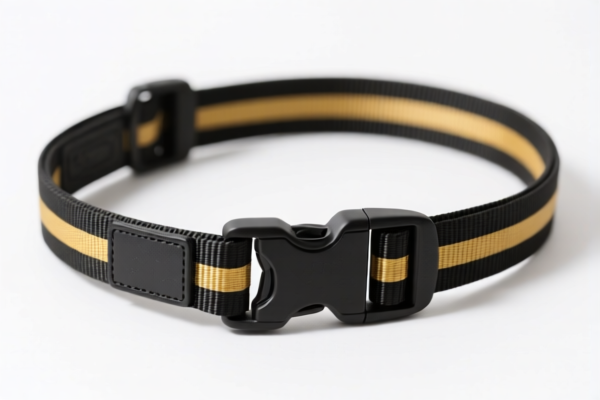
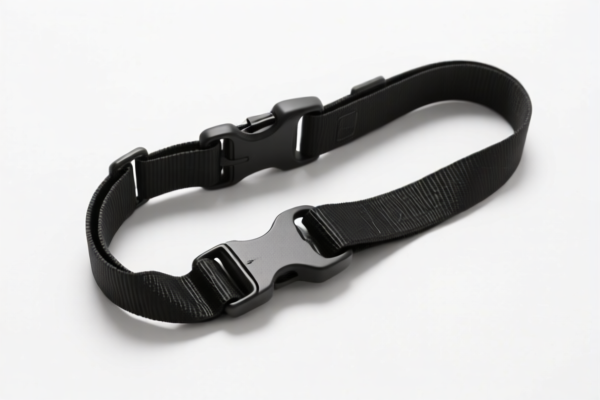
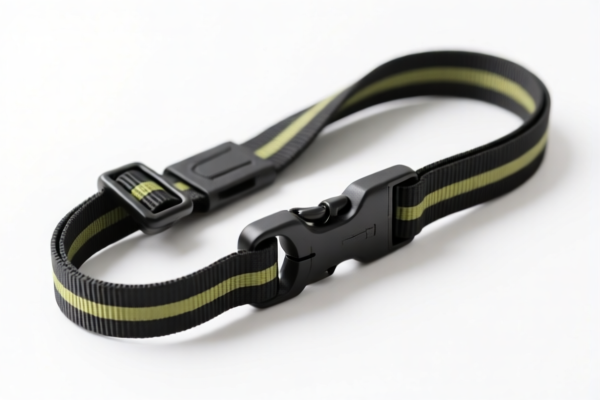
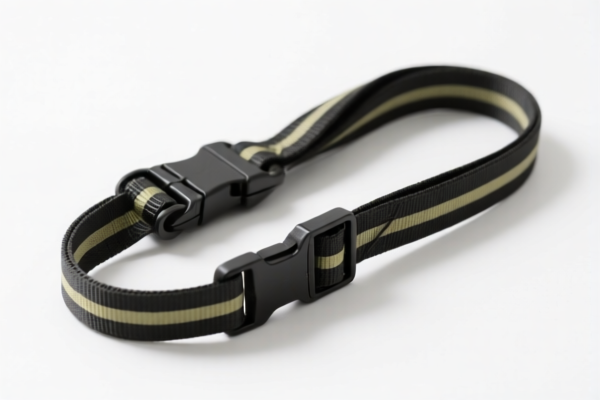
AI Analysis
🚲 Adjustable Bicycle Luggage Strap
🌐 HS Code Reference & Customs Clearance Guide | 2026 Latest Tariff Analysis | Professional Logistics Strategy
📌 I. Product Definition and Classification: Do You Really Understand "Bicycle Luggage Straps"?
The Adjustable Bicycle Luggage Strap is an essential accessory for cycling tourism, commuting, and freight transport. It is designed to secure loads to bicycle racks, handlebars, or seats. In international trade, its classification depends strictly on its material composition and functional form.
It is generally categorized into two main types:
1. Plastic/Polymer-based Straps (Accessories):
Made primarily of plastic, nylon webbing with polymer coatings, or rubberized materials. These are often considered "parts" or "accessories" of bicycles or general plastic articles.
2. Metal/Steel Cable Straps (Ropes/Cables):
Consist of steel wire ropes, iron cables, or braided metal bands, sometimes with plastic or rubber sleeves. These fall under metal articles or specific rope/cable categories.
⚠️ Key Distinction Point:
- If the item is mostly plastic/polymer and acts as a fastener/accessory → It may be classified under Chapter 39 (Plastics) or Chapter 87 Parts (8714/9403 context) depending on specificity, but often falls under general plastic articles if not specifically for bikes in some jurisdictions. Note: The provided data suggests plastic bike accessories often fall under generic plastic codes or specific accessory codes.
- If the item is metallic (steel/iron) cable/rope with attachments → It falls under Chapter 73 (Articles of Iron/Steel), specifically as ropes, cables, or plaited bands.
- If the item is non-metallic fiber (nylon/polyester/cotton) rope → It falls under Chapter 56 (Cordage/Ropes) or Chapter 63 (Other Made-up Textile Articles).
📦 II. HS Code Classification Details (Based on Provided Data | 2026 Context)
| HS Code | Product Description | Material & Form | Key Characteristics |
|---|---|---|---|
3926.90.99.89 |
Plastic Parts/Accessories | Plastic or polymer-coated materials. Classified as "Other articles of plastics." | Often used for plastic bike accessories that don't fit specific machine part codes. |
7312.10.70.00 |
Steel/Iron Wire Ropes & Cables | Metal (Steel/Iron) cables or braided bands with attachments. | Form is rope-like; material is metallic. High tax burden due to steel tariffs. |
7312.90.00.00 |
Other Iron/Steel Ropes & Cables | Uninsulated iron or steel ropes/braided bands. | General category for non-specific metal ropes. |
5607.90.90.00 |
Nylon/Polyester Cords & Ropes | Non-metallic fibers (e.g., nylon, polyester). | Common for standard bicycle bungee cords or webbing straps. |
6307.90.50.10 |
Other Made-up Textile Articles | Cotton or polyester fiber straps, similar to shoelaces. | Soft textile straps, often used for light luggage or decorative purposes. |
🔍 Critical Reminder:
- Material is King: The tariff rate varies wildly based on whether the strap is Steel (60%), Plastic (22.8%), Nylon (41.3%), or Cotton/Textile (17.5%).
- Form Matters: Is it a rigid cable? A flexible rope? A woven band? This determines if it goes to Chapter 39, 56, or 73.
💰 III. 2026 Latest Tariff Rate Breakdown (US Market | China Origin)
✅ Applicable Country: United States (US)
✅ Origin: China (CN)
✅ Effective Time: Current rates apply (including Section 301 and 122 tariffs)
🎯 1. 3926.90.99.89 – Plastic Bicycle Accessories
| Item | Details |
|---|---|
| Base Tariff | 5.3% |
| Section 301 Tariff | 7.5% |
| Section 122 Tariff | 10% |
| Total Effective Rate | 22.8% |
| Tax Calculation | CIF Value × 22.8% |
| De Minimis Exemption | ❌ No (Typically denied for goods subject to Section 301/122 duties depending on current enforcement) |
| Legal Basis | USITC Section 301 & 122 footnotes applied to Chapter 39 general articles. |
📌 Explanation:
- Plastic bike accessories are not always explicitly exempt from general plastic tariffs.
- The 22.8% total is a moderate-to-high burden but significantly lower than steel products.
🎯 2. 7312.10.70.00 & 7312.90.00.00 – Steel/Iron Ropes & Cables
| Item | Details |
|---|---|
| Base Tariff | 0.0% |
| Section 301 Tariff | 0.0% |
| Section 122 Tariff | 10% |
| Steel/Aluminum/Copper Additional Tariff | 50% |
| Total Effective Rate | 60.0% |
| Tax Calculation | CIF Value × 60.0% |
| De Minimis Exemption | ❌ No |
| Legal Basis | Crucial: Steel articles are subject to the aggressive 50% additional tariff under current trade policies. |
📌 Explanation:
- WARNING: If your "bicycle strap" contains any significant steel wire or iron cable (even if insulated or braided), it triggers the 50% steel surcharge.
- This makes steel luggage straps prohibitively expensive for import into the US (60% total).
🎯 3. 5607.90.90.00 – Nylon/Polyester Ropes (Non-Metallic)
| Item | Details |
|---|---|
| Base Tariff | 6.3% |
| Section 301 Tariff | 25.0% |
| Section 122 Tariff | 10% |
| Total Effective Rate | 41.3% |
| Tax Calculation | CIF Value × 41.3% |
| De Minimis Exemption | ❌ No |
📌 Explanation:
- Standard nylon bungee cords or webbing straps fall here.
- The 25% Section 301 tariff on textiles/cordage is the main driver of cost.
🎯 4. 6307.90.50.10 – Textile Straps (Cotton/Polyester)
| Item | Details |
|---|---|
| Base Tariff | 0.0% |
| Section 301 Tariff | 7.5% |
| Section 122 Tariff | 10% |
| Total Effective Rate | 17.5% |
| Tax Calculation | CIF Value × 17.5% |
| De Minimis Exemption | ❌ No |
📌 Explanation:
- Soft, fabric-based straps (like shoelaces or cloth bands) have the lowest tariff among the options.
- Ideal for light-duty luggage or decorative straps.
🛠️ IV. Customs Clearance Practical Advice (Battle-Tested Tips)
✅ 1. Preparation Checklist (Non-negotiable)
| Document | Required? | Description |
|---|---|---|
| ✅ Product Specification Sheet | ✔️ | Must detail exact material composition (e.g., "90% Nylon, 10% Rubber"). Vague descriptions lead to misclassification. |
| ✅ Material Safety Data Sheet (MSDS) | ✔️ | Especially for plastic or coated items, to prove no hazardous substances. |
| ✅ Product Photos | ✔️ | Clear images showing the hook, strap, and adjuster. Distinguish between metal and plastic parts. |
| ✅ Commercial Invoice | ✔️ | Describe as "Bicycle Luggage Strap, Non-Metallic" or "Steel Cable, 5mm diameter" accurately. |
| ✅ Packing List | ✔️ | Show quantity and net/gross weight. |
✅ 2. Declaration Strategy (Key Mantras)
🔥 “Material Defines Code, Steel Triggers 60%, Plastic is 22%, Textile is 17%!”
| Scenario | Correct Declaration | Wrong Action | Consequence |
|---|---|---|---|
| Nylon Webbing Strap | 5607.90.90.00 (41.3%) |
Declare as "Plastic Accessory" | Under-declaration risk; penalty. |
| Steel Cable Tie | 7312.10.70.00 (60%) |
Declare as "Plastic" | Major Red Flag: Physical inspection will reveal metal → Seizure/Fine. |
| Plastic Hook Strap | 3926.90.99.89 (22.8%) |
Declare as "Bicycle Part 8714" | May not qualify for specific bike part exemptions; use general plastic code. |
| Cotton Fabric Strap | 6307.90.50.10 (17.5%) |
Declare as "Rope 5607" | Misclassification; potential audit. |
✅ 3. Special Cases & Optimization
| Situation | Recommendation |
|---|---|
| Mixed Material (Plastic Hook + Steel Cable) | HS Code follows the essential character. If steel cable is dominant, it’s Chapter 73 (60%). If plastic hook dominates and cable is minor, Chapter 39 (22.8%). Strategy: Reduce steel content or use plastic-coated cable if possible. |
| De Minimis (Section 321) for US | ❌ Avoid: Most of these HS codes are subject to Section 301/122 tariffs, which are NOT covered by the $800 de minimis exemption. Declare properly. |
| Origin Labeling | Clearly mark "Made in China" on packaging to avoid origin fraud allegations. |
🌍 V. Global Market Clearance Comparison (2026)
| Market | Recommended HS Code | Tariff (China Origin) | Notes |
|---|---|---|---|
| 🇺🇸 USA | 5607.90.90.00 (Nylon) |
41.3% | High due to Section 301. Avoid Steel (7312) due to 60%. |
| 🇺🇸 USA | 6307.90.50.10 (Textile) |
17.5% | Best Option for non-structural straps. |
| 🇪🇺 EU | 5607.90 |
0-6.5% | No Section 301/122 equivalent. Much cheaper than US. |
| 🇨🇳 China | 5607.90 |
6.3% | Low entry barrier. |
📌 Conclusion:
- US Market: Heavily penalizes steel and nylon ropes. Textile/Cotton straps (6307) are the most cost-effective for import.
- EU/Other Markets: Tariffs are lower, making nylon (5607) and steel (7312) more viable.
📌 VI. Common Pitfalls & Avoidance Guide (Lessons Learned)
❌ Mistake 1: Calling a Steel Cable a "Plastic Tie"
👉 Result: Customs will open the package, see steel, and apply 60% tariff + fines.
❌ Mistake 2: Claiming "Bicycle Part" (8714) for a Generic Strap
👉 Result: 8714 is for specific parts like pedals or seats. Generic straps are often classified as plastic/textile/rope articles. Misclassification leads to delays.
❌ Mistake 3: Ignoring Section 122 Tariff
👉 Result: Many importers forget the 10% Section 122 tariff that applies to most consumer goods from China, leading to underpayment.
✅ Best Practice:
"Adjustable Bicycle Luggage Strap, 100% Nylon Webbing with Plastic Buckle, 1 Meter Length, Model XYZ"
🎯 VII. Conclusion: Professional Clearance, Cost Savings, Efficiency!
🎯 Remember This Mantra:
🔹 "Steel is 60%, Nylon is 41%, Plastic is 22%, Textile is 17%!"
🔹 "Don't hide steel; declare it. Or change the material to save money!"
📌 Pro Tip:
If you are importing into the US, consider switching from Nylon to Cotton/Polyester Textile straps if they meet your strength requirements. The tax difference is 23.8% (41.3% vs 17.5%). For every $10,000 in shipments, you save $2,380 in taxes.
📣 Immediate Action:
📞 Contact a licensed customs broker.
📸 Provide high-res photos of the strap material and hooks.
📝 Request an Advance Ruling for your specific product composition.
✨ Professional clearance starts with precise classification!
💼 Every dollar of tax saved is pure profit!
Customer Reviews
About HS Code Classification
The Harmonized System (HS) is an internationally standardized nomenclature developed by the World Customs Organization (WCO) to classify traded products. Over 200 countries use the HS system as the basis for customs tariffs, trade statistics, and import/export regulations.
Each HS code follows a hierarchical structure:
- Chapter (2 digits) — Broad category of goods (e.g., Chapter 84: Machinery and Mechanical Appliances)
- Heading (4 digits) — More specific grouping within the chapter
- Subheading (6 digits) — Internationally standardized breakdown, used by all WCO member countries
- National subdivisions (8-10 digits) — Country-specific extensions for further classification, such as US HTSUS 10-digit codes
Correct HS code classification is essential for smooth customs clearance, accurate duty payment, and compliance with trade regulations. Misclassification can lead to customs delays, overpayment of duties, or penalties.
When importing from CN to US, the applicable tariff rates may include:
- Most-Favored-Nation (MFN) rate — The standard duty rate applied to WTO members
- General rate — Applied to countries without trade agreements
- Trade remedy duties — Additional tariffs such as Section 301 (anti-dumping), Section 232 (national security), or countervailing duties
The information provided on this page is for reference purposes only. For official classification, please consult with your local customs authority or a licensed customs broker.