Adjustable Rearview Mirror
CN → US| HS Code | Tariff Rate | Origin | Destination | Doc |
|---|---|---|---|---|
| 8708295160 | 0.0% | CN | US | Official Doc |
| 8708295110 | 0.0% | CN | US | Official Doc |
| 7009100000 | 38.9% | CN | US | Official Doc |
| 7009915010 | 41.5% | CN | US | Official Doc |
| 9013105000 | 22.8% | CN | US | Official Doc |
Product Images
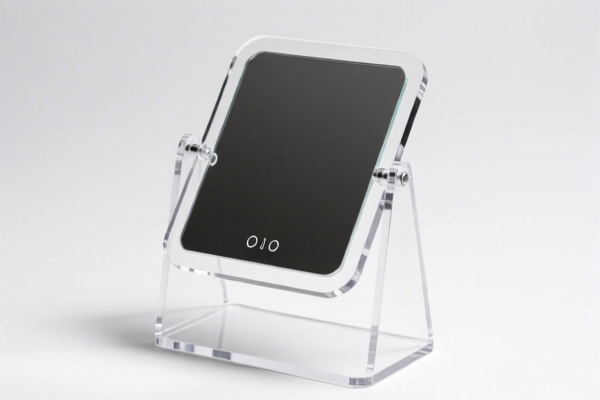
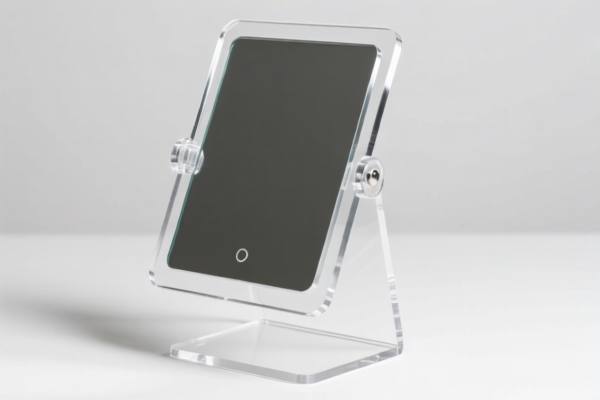
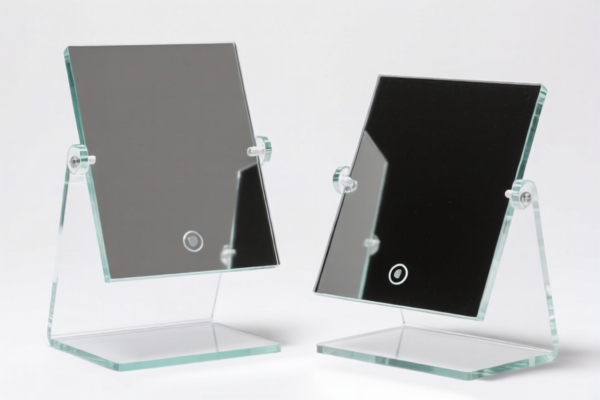
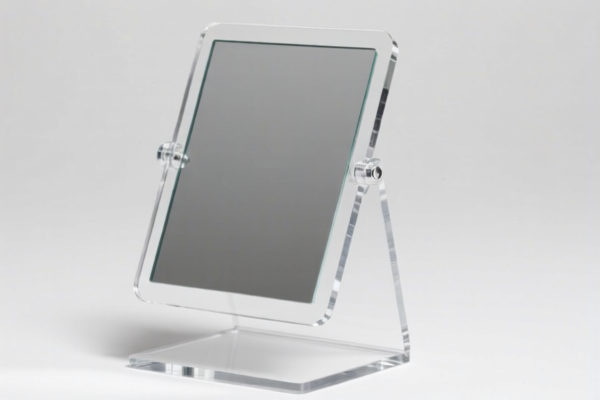
AI Analysis
🪞 Adjustable Rearview Mirror (Automotive Parts & Glass)
🌐 HS Code Reference & Customs Clearance Guide | 2026 Latest Tariff Analysis | Professional Clearance Strategy
📌 Part I: Product Definition & Classification – Do You Really Understand the "Rearview Mirror"?
An Adjustable Rearview Mirror is a critical safety component in automotive systems, used to provide drivers with a field of vision behind the vehicle. In international trade, its classification is complex because it straddles three different chapters: Automotive Parts (Ch. 87), Glass Articles (Ch. 70), and Optical Instruments (Ch. 90). The correct HS Code depends heavily on material composition, structural integration, and primary function.
⚠️ Key Classification Logic:
- If it is a glass pane with backing (e.g., reflective coating, housing integration), it leans towards Chapter 70 (Glass) or Chapter 87 (Auto Parts).
- If it is a complete mechanical assembly with metal/plastic housing and adjustment mechanisms, it leans towards Chapter 87.
- If it is a pure optical reflective device without automotive-specific housing, it may fall under Chapter 90 (Optical).
📦 Part II: HS Code Classification Details (2026 Latest Tariff Authoritative Comparison)
Based on the provided data, here are the 5 most relevant HS Codes for "Adjustable Rearview Mirror," ranked by likelihood and tax impact.
| HS Code | Product Description | Applicability Logic | Estimated Total Tax (US Import from CN) |
|---|---|---|---|
8708.29.51.60 |
Other Parts and Accessories of Bodies | Most Likely for Assemblies. Includes mirrors made of glass + metal/plastic housing. Classified as a general auto body part. | 87.5% |
8708.29.51.10 |
Other Parts and Accessories of Bodies | Likely for Metal/Plastic Parts. If the mirror is a stamped metal/plastic component (e.g., the bracket or housing only), or a simple glass mount without complex optics. | 37.5% |
7009.10.00.00 |
Glass Mirrors, Not Fitted | Likely for Glass-Only Units. If the product is classified strictly as a "Glass Mirror" used in vehicles, this code matches the "Vehicle Rearview Mirror" definition in classification notes. | 38.9% |
7009.91.50.10 |
Other Glass Mirrors | Fallback for Glass Mirrors. Based on the principle of matching with glass mirror categories. Used if it doesn't fit the specific "fitted" automotive code but is clearly a glass mirror. | 41.5% |
9013.10.50.00 |
Other Optical Appliances | Niche/Specific Use. If classified as an optical reflector or part of a specific instrument. Uses the "catch-all" logic for optical devices not elsewhere specified. | 22.8% |
🔍 Critical Distinction:
- HS 8708.29.51.xx: Best for complete automotive mirrors (housing + glass + adjustment mechanism). Note: This category attracts the highest tariffs (87.5%) due to Section 301 + 122 clauses.
- HS 7009.10.00.00: Best for glass mirrors where the optical nature is primary. Lower tax than 8708, but still subject to 122 clauses.
- HS 9013.10.50.00: Lowest Tax Option (22.8%), but only applicable if the product can be argued as an "Optical Instrument" rather than an auto part. Risky if customs determines it's strictly an auto part.
💰 Part III: 2026 Latest Tariff Rate Details (Including Surcharges & Policy Add-ons)
✅ Applicable Country: United States (US)
✅ Origin: China (CN)
✅ Effective Time: 2025/2026 (Current Trade Policy)
🎯 1. 8708.29.51.60 —— Auto Body Parts (Mirror Assembly)
| Item | Content |
|---|---|
| Base Duty Rate | 2.5% (Ad Valorem) |
| Section 301 Surcharge | +25.0% |
| Section 122 Surcharge | +10.0% (Steel, Aluminum, Copper products) |
| Steel/Aluminum/Copper Add-on | +50.0% (Specific to material content) |
| Total Tax Rate | 87.5% |
| Tax Calculation | CIF Value × 87.5% |
| De Minimis Exemption? | ❌ NO (High risk of seizure/rejection) |
| Legal Basis Path | USITC:8708.29.51.60 → FOOTNOTE:301:8708 → FOOTNOTE:122:STEEL |
📌 Explanation:
- This is the worst-case scenario for tariffs.
- The 2.5% base duty is standard for auto parts.
- The 25% is from the Section 301 Trade War tariffs on Chinese auto parts.
- The 10% is from Section 122 (National Security).
- The 50% is the critical kicker: If the mirror housing contains steel, aluminum, or copper, an additional 50% is applied. Since most mirrors have metal/plastic housings, this often applies.
🎯 2. 8708.29.51.10 —— Auto Body Parts (Other)
| Item | Content |
|---|---|
| Base Duty Rate | 2.5% |
| Section 301 Surcharge | +25.0% |
| Section 122 Surcharge | +10.0% |
| Steel/Aluminum/Copper Add-on | ❌ NOT APPLICABLE (Assumed plastic/non-metal dominant or excluded from 50% clause) |
| Total Tax Rate | 37.5% |
| Tax Calculation | CIF Value × 37.5% |
| De Minimis Exemption? | ❌ NO |
| Legal Basis Path | USITC:8708.29.51.10 → FOOTNOTE:301:8708 → FOOTNOTE:122 |
📌 Note:
- This code is significantly cheaper (37.5% vs 87.5%) if the product can be classified as a non-steel/aluminum/copper part (e.g., pure plastic housing).
- Requires strong documentation proving material composition (no steel/aluminum/copper content > threshold).
🎯 3. 7009.10.00.00 —— Glass Mirrors (Vehicle Use)
| Item | Content |
|---|---|
| Base Duty Rate | 3.9% |
| Section 301 Surcharge | +25.0% |
| Section 122 Surcharge | +10.0% |
| Steel/Aluminum/Copper Add-on | ❌ NOT APPLICABLE (Glass is not steel/aluminum/copper) |
| Total Tax Rate | 38.9% |
| Tax Calculation | CIF Value × 38.9% |
| De Minimis Exemption? | ❌ NO |
| Legal Basis Path | USITC:7009.10.00.00 → FOOTNOTE:301:7009 → FOOTNOTE:122 |
📌 Explanation:
- This is a strong alternative to HS 8708.
- The base duty (3.9%) is slightly higher than 8708 (2.5%), but it avoids the 50% steel/aluminum surcharge.
- Total 38.9% is much better than 87.5% if the mirror has metal parts that trigger the 122 steel/aluminum clause.
🎯 4. 7009.91.50.10 —— Other Glass Mirrors
| Item | Content |
|---|---|
| Base Duty Rate | 6.5% |
| Section 301 Surcharge | +25.0% |
| Section 122 Surcharge | +10.0% |
| Total Tax Rate | 41.5% |
| Tax Calculation | CIF Value × 41.5% |
| De Minimis Exemption? | ❌ NO |
| Legal Basis Path | USITC:7009.91.50.10 → FOOTNOTE:301 → FOOTNOTE:122 |
📌 Note:
- Slightly higher than7009.10.00.00(38.9%) due to higher base duty (6.5% vs 3.9%).
- Use if7009.10is rejected by customs as "not fitting vehicle mirror definition."
🎯 5. 9013.10.50.00 —— Other Optical Appliances
| Item | Content |
|---|---|
| Base Duty Rate | 5.3% |
| Section 301 Surcharge | +7.5% |
| Section 122 Surcharge | +10.0% |
| Total Tax Rate | 22.8% |
| Tax Calculation | CIF Value × 22.8% |
| De Minimis Exemption? | ❌ NO |
| Legal Basis Path | USITC:9013.10.50.00 → FOOTNOTE:301:9013 → FOOTNOTE:122 |
📌 Explanation:
- Lowest Tax Rate (22.8%).
- High Risk: Customs may reclassify as8708(Auto Part) and charge 87.5%.
- Strategy: Only use if you can prove the product is an optical instrument (e.g., specialized mirror for machinery, not standard car mirror) or if you have a Pre-Ruling supporting this classification.
🛠️ Part IV: Customs Clearance Practical Advice (Real-World Pitfall Guide)
✅ 1. Required Documentation Checklist (Non-Negotiable)
| Document | Must Provide | Explanation |
|---|---|---|
| ✅ Product Specifications | ✔️ | Material breakdown: % Glass, % Plastic, % Metal. Critical for determining if 50% steel/aluminum surcharge applies. |
| ✅ Structural Diagram | ✔️ | Show if the mirror is a "complete assembly" (HS 8708) or "glass only" (HS 7009). |
| ✅ Product Photos | ✔️ | Clear images of the mirror, including back/housing, labels, and adjustment mechanism. |
| ✅ Commercial Invoice | ✔️ | Must describe product accurately: e.g., "Automotive Rearview Mirror Assembly" vs. "Glass Mirror." |
| ✅ Certificate of Origin | ✔️ | Proof of Chinese origin triggers Section 301 & 122 taxes. |
| ✅ Bill of Lading | ✔️ | Consistent with invoice. |
✅ 2. Declaration Strategy (Key Mantras)
🔥 “Material Dictates Tax, Code Dictates Duty!”
| Scenario | Correct Declaration | Wrong Action | Consequence |
|---|---|---|---|
| Complete Mirror (Metal Housing + Glass) | 8708.29.51.60 |
Declare as "Glass Mirror" (HS 7009) | Rejection/Reclassification → Higher taxes + penalties. |
| Mirror with Plastic Housing Only | 8708.29.51.10 |
Declare as 8708.29.51.60 |
Overpay Tax: 37.5% vs 87.5%. |
| Glass Mirror Only (No Housing) | 7009.10.00.00 |
Declare as "Auto Part" | Potential Penalty: Misclassification. |
| Specialty Optical Mirror | 9013.10.50.00 |
Declare as 8708 |
Savings: 22.8% vs 87.5%. BUT requires legal backing. |
✅ 3. Special Handling Tips
| Situation | Handling Advice |
|---|---|
| Metal Housing (Steel/Aluminum) | Avoid HS 8708.29.51.60 if possible. Try to classify under 8708.29.51.10 (if non-steel) or 7009.10.00.00 (if glass primary). The 50% surcharge is fatal. |
| Plastic Housing | Strongly Consider HS 8708.29.51.10 (37.5%) or 7009.10.00.00 (38.9%). Avoid 8708.29.51.60. |
| Glass-Only Mirror | Use HS 7009.10.00.00 (38.9%). Safer than auto parts chapter. |
| Pre-Ruling Application | Highly Recommended. Apply for a US Customs Ruling before shipment. Classify as 9013.10.50.00 (22.8%) if legally defensible, or 8708.29.51.10 (37.5%) to avoid the 50% steel tax. |
🌍 Part V: Global Market Comparison (2026 Latest)
| Country/Region | Recommended HS Code | Estimated Total Tax (from CN) | Notes |
|---|---|---|---|
| 🇺🇸 USA | 8708.29.51.10 or 7009.10.00.00 |
37.5% - 38.9% | Avoid 8708.29.51.60 (87.5%) due to steel/aluminum surcharge. |
| 🇨🇳 China (Export) | 8708.29.51.60 |
0% (Export Duty) | No export tariff, but import tax in destination applies. |
| 🇪🇺 EU | 7009.10.00 |
0% - 4% | No Section 301/122. Lower base duty. CE marking required. |
| 🇯🇵 Japan | 7009.10.00 |
0% - 3% | Low tariff. JIS certification may be needed. |
📌 Conclusion:
- USA is the most expensive market due to Section 301 and Section 122 tariffs.
- EU and Japan are far more cost-effective for rearview mirrors.
- Strategy for USA: Optimize material composition (use plastic/wood/carbon fiber instead of steel/aluminum) and classification (Glass vs. Auto Part) to reduce tax from 87.5% to ~38%.
📌 Part VI: Common Errors & Pitfall Guide (Lessons Learned)
❌ Error 1: Declaring a steel-housed mirror as 8708.29.51.10
👉 Consequence: Customs detects steel content → Applies 50% surcharge → Tax jumps to 87.5%.
❌ Error 2: Declaring a complete auto mirror as 7009.91.50.10
👉 Consequence: Customs reclassifies as Auto Part (8708) → Penalty + Back Taxes.
❌ Error 3: Ignoring Section 122 (10%)
👉 Consequence: All goods from China are subject to this 10% national security tariff. Do not forget it in calculations.
❌ Error 4: Assuming De Minimis ($800) Exemption
👉 Consequence: NO. Section 301 and 122 tariffs apply even to de minimis shipments. You will pay tax on every package.
✅ Correct Action:
“Verify Material, Choose Code Wisely, Get Pre-Ruling!”
🎯 Part VII: Conclusion – Professional Clearance, Cost Control, Efficiency
🎯 Remember the Mantra:
🔹 “Steel/Housing = 87.5% Nightmare”
🔹 “Plastic/Glass = 38% Sweet Spot”
🔹 “Optical Classification = 22.8% Dream (If Allowed)”
🔹 “No De Minimis! Every Package Pays!”
📌 Pro Tip:
If your mirror housing is plastic or wood, argue for HS 8708.29.51.10 (37.5%).
If it is glass-only, argue for HS 7009.10.00.00 (38.9%).
If it is a specialized optical device, seek a Pre-Ruling for HS 9013.10.50.00 (22.8%).
Never declare a steel-housed mirror as a non-steel part!
📣 Immediate Action:
📞 Consult a US Customs Broker + Provide Material Specs + Apply for Advance Ruling
🚀 Secure your supply chain, avoid 87.5% tax traps, and maximize profit margins!
✨ Professional Clearance Starts with Precise Classification!
💼 Every percentage point of tax is profit in your pocket!
Customer Reviews
About HS Code Classification
The Harmonized System (HS) is an internationally standardized nomenclature developed by the World Customs Organization (WCO) to classify traded products. Over 200 countries use the HS system as the basis for customs tariffs, trade statistics, and import/export regulations.
Each HS code follows a hierarchical structure:
- Chapter (2 digits) — Broad category of goods (e.g., Chapter 84: Machinery and Mechanical Appliances)
- Heading (4 digits) — More specific grouping within the chapter
- Subheading (6 digits) — Internationally standardized breakdown, used by all WCO member countries
- National subdivisions (8-10 digits) — Country-specific extensions for further classification, such as US HTSUS 10-digit codes
Correct HS code classification is essential for smooth customs clearance, accurate duty payment, and compliance with trade regulations. Misclassification can lead to customs delays, overpayment of duties, or penalties.
When importing from CN to US, the applicable tariff rates may include:
- Most-Favored-Nation (MFN) rate — The standard duty rate applied to WTO members
- General rate — Applied to countries without trade agreements
- Trade remedy duties — Additional tariffs such as Section 301 (anti-dumping), Section 232 (national security), or countervailing duties
The information provided on this page is for reference purposes only. For official classification, please consult with your local customs authority or a licensed customs broker.