Adjustable Resistor
CN → US| HS Code | Tariff Rate | Origin | Destination | Doc |
|---|---|---|---|---|
| 8533408040 | 35.0% | CN | US | Official Doc |
| 8533408050 | 35.0% | CN | US | Official Doc |
Product Images
AI Analysis
⚡ Adjustable Resistors & Rheostats (Electrical Resistors, Variable)
🌐 HS Code Reference & Customs Clearance Guide | 2026 Latest Tariff Analysis | Professional Clearance Strategy
📌 Part I: Product Definition & Classification: Do You Truly Understand "Adjustable Resistors"?
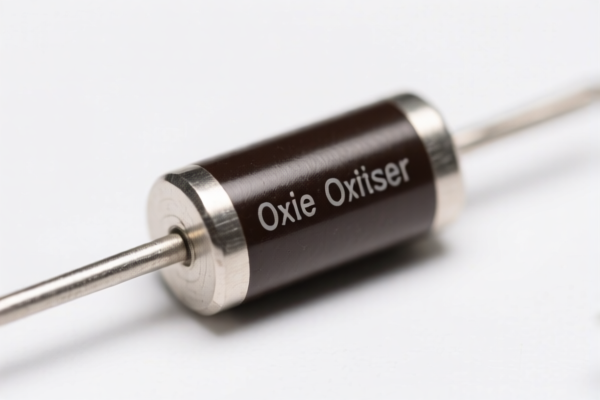
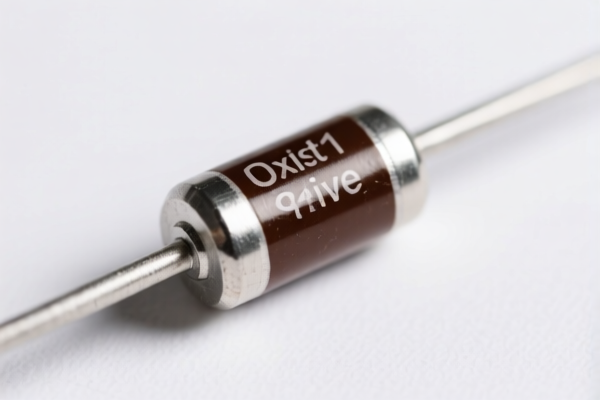
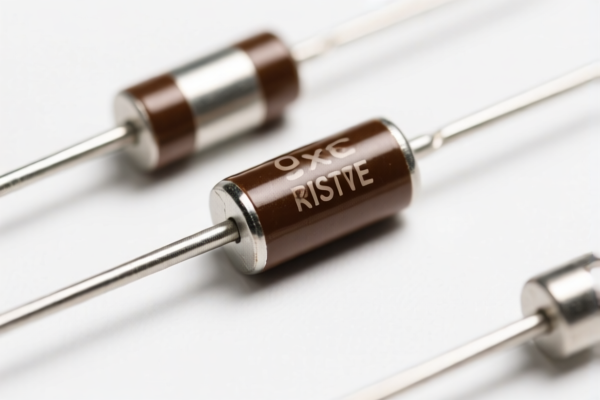
In international trade, Adjustable Resistors (including Rheostats and Potentiometers) are electronic components used to control current, voltage, or signal levels. They are distinct from fixed resistors because their resistance value can be manually or electronically adjusted.
Crucially, these items must be categorized based on their specific application and physical composition:
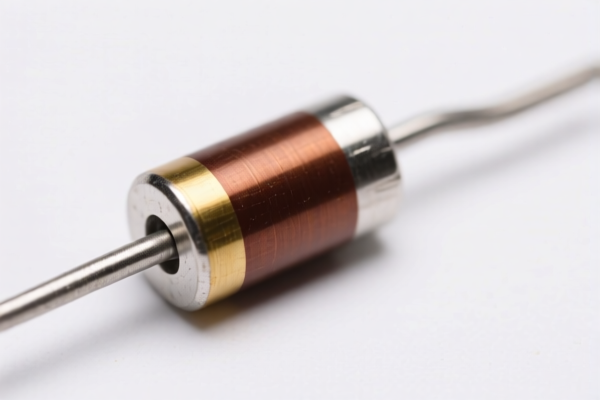
Motor Starters/Controllers: Devices specifically designed for starting or controlling electric motors. Cermet Type: Resistors constructed with a ceramic-metal composite material, often used in high-precision or high-stability applications.
⚠️ Key Distinction Point:
- If the device is explicitly a motor starter/controller or a generic variable resistor not specified as heating resistance, it falls under Chapter 85.33.
- Heating Resistors are excluded from this specific code group (they fall under different headings).
- The classification hinges on whether it is a general "other variable resistor" or a specific subtype like "Cermet."
📦 Part II: HS Code Classification Details (2026 Latest Harmonized System Authority Comparison)
| HS Code | Product Description | Application Scenario | Tax Rate Details |
|---|---|---|---|
8533.40.80.40 |
Other variable resistors, including rheostats and potentiometers: Other Rheostat and resistor type motor starters and controllers | Motor control systems, industrial drives, automotive starter controllers | Base: 0.0% Additional: 25.0% Total: 25.0% |
8533.40.80.50 |
Other variable resistors, including rheostats and potentiometers: Other Other: Cermet | High-precision electronics, audio equipment, measurement instruments using ceramic-metal composite elements | Base: 0.0% Additional: 25.0% Total: 25.0% |
🔍 Key Reminder:
- Both codes listed in the reference data carry a 25% Additional Tax on top of a 0% Base Tariff.
- Do not confuse with fixed resistors (8533.20...or8533.40.10...); if it has an adjustment mechanism (knob, slider, digital control), it is "Variable."
- "Cermet" refers to the material science aspect (Ceramic + Metal), often implying higher durability or specific electrical characteristics compared to wire-wound or carbon composition types.
💰 Part III: 2026 Latest Tariff Rate Breakdown (Including Surtaxes & Policy Additions)
✅ Applicable Country: United States (US)
✅ Origin: China (CN)
✅ Effective Time: 2025 November 10 onwards (including subsequent imports)
🎯 1. 8533.40.80.40 —— Rheostat and Resistor Type Motor Starters and Controllers
| Item | Details |
|---|---|
| Base Tariff Rate | 0% (ad valorem) |
| USITC Additional Tariff | +25% (Under USITC Footnote 9903.88.01 or relevant Section 301 provisions) |
| Total Tariff Rate | 25.0% |
| Tax Calculation | CIF Value × 25% |
| De Minimis Exemption Eligibility | ❌ Not Applicable (Standard for HS 8533 components) |
| Legal Basis Path | USITC:8533.40.80.40 → FOOTNOTE:9903.88.01 |
📌 Explanation:
- Although the base rate is 0%, the 25% additional tariff applies due to trade policies targeting specific electrical component categories from China.
- This code covers functional units designed for motor control, which are often scrutinized for their industrial application.
🎯 2. 8533.40.80.50 —— Other Variable Resistors (Cermet Type)
| Item | Details |
|---|---|
| Base Tariff Rate | 0% |
| USITC Additional Tariff | +25% |
| Total Tariff Rate | 25.0% |
| Tax Calculation | CIF Value × 25% |
| De Minimis Exemption Eligibility | ❌ Not Applicable |
| Legal Basis Path | USITC:8533.40.80.50 → FOOTNOTE:9903.88.01 |
📌 Note:
- The tax structure is identical to the motor starter code.
- "Cermet" classification is critical: If the product is a variable resistor but not made of cermet, it might fall under a different "Other" subheading, but per the provided data, only the Cermet variant is listed here with the 25% surtax.
- Ensure your product description explicitly states "Cermet" if claiming this code, or verify if it belongs to a different "Other" category if it is not Cermet.
🛠️ Part IV: Customs Clearance Practical Advice (Real-World Pitfall Avoidance)
✅ 1. Required Documentation Checklist (Mandatory)
| Document | Must Provide | Explanation |
|---|---|---|
| ✅ Product Specification Sheet | ✔️ | Must detail resistance range, power rating, adjustment mechanism, and material type (e.g., Cermet). |
| ✅ Circuit Diagram/Schematic | ✔️ | Proves it is a passive component (resistor) and not a powered active device. |
| ✅ Product Photos (Clear) | ✔️ | Show adjustment knob/slider and labeling (Resitance Value, Power, Material). |
| ✅ Commercial Invoice | ✔️ | Clear description: "Variable Resistor, Cermet, for Electronic Control, Model XYZ" |
| ✅ Packing List | ✔️ | Consistent with invoice; no missing items. |
| ✅ Certificate of Origin | ✔️ | Required to confirm country of origin for tariff calculation. |
✅ 2. Declaration Tips (Key Mnemonic)
🔥 “Variable vs. Fixed, Material Matters, Motor Control is Key!”
| Scenario | Correct Declaration | Wrong Action |
|---|---|---|
| Motor Starter (Controls speed/torque) | 8533.40.80.40 |
Misdeclaring as generic resistor → Potential misclassification risk. |
| Cermet Potentiometer (Audio/Instrument) | 8533.40.80.50 |
Calling it "Wire-wound" when it is Cermet → Customs may reclassify or audit. |
| Fixed Resistor (No adjustment) | ❌ Not in this list (Likely 8533.20 or 8533.40.10) |
Declaring as "Variable" → Wrong tax code. |
| Heating Element Resistor | ❌ Not in this list (Likely 8516.80 or similar) |
Declaring as "Variable" → High risk of rejection. |
✅ 3. Special Situation Handling
| Situation | Handling Advice |
|---|---|
| Mixed Shipments | If shipping both motor starters and ceramic resistors, declare separately under their respective HS codes to avoid confusion during inspection. |
| Ambiguous Material | If unsure if it’s "Cermet," provide a manufacturer’s datasheet proving the material composition. If it’s Carbon or Wire-wound, check if a different "Other" code applies (not listed in the provided data, so verify with a broker). |
| OEM Components | If sold as parts for a larger device, still declare as the component itself. Do not bundle into the final assembly’s HS code unless the resistor is not separable. |
🌍 Part V: Global Major Market Clearance Comparison (2026 Latest)
| Country/Region | Recommended HS Code | Tariff Rate | Certification Requirements | Remarks |
|---|---|---|---|---|
| 🇺🇸 USA | 8533.40.80.40 / 8533.40.80.50 |
25.0% (Total) | N/A (No specific FCC for passive components usually) | High surtax due to Section 301/USITC rules. |
| 🇨🇳 China | 8533.40.80.40 / 8533.40.80.50 |
~0-13% (Varies) | N/A | Import duties may be lower; check specific BOCOM rates. |
| 🇪🇺 EU | 8533.40.80 |
0% | CE (if part of larger apparatus), RoHS | No additional surtax for these components in many cases. |
| 🇬🇧 UK | 8533.40.80 |
0-4% | UKCA (if applicable) | Post-Brexit rules apply; generally favorable. |
📌 Conclusion:
- USA imposes a flat 25% additional tariff on these specific adjustable resistor codes.
- Cost Impact: For a $10,000 shipment, expect $2,500 in additional duties.
- Supply Chain Strategy: Consider sourcing from non-China countries (e.g., Vietnam, Malaysia) if possible to mitigate the 25% surtax, assuming rules of origin are met.
📌 Part VI: Common Errors & Pitfall Guide (Lessons Learned)
❌ Error 1: Declaring a Fixed Resistor as "Adjustable"
👉 Consequence: Wrong HS Code → Customs audit → Delay + Potential fines.
❌ Error 2: Failing to specify "Cermet" for 8533.40.80.50
👉 Consequence: If the resistor is not Cermet, it may be misclassified. If it is Cermet but not declared as such, it might be grouped under "Other" with potential scrutiny.
❌ Error 3: Confusing Motor Starters with General Resistors
👉 Consequence: 8533.40.80.40 is specific. If it’s just a potentiometer for volume control, 8533.40.80.50 (if Cermet) or another "Other" code is more appropriate. Misdeclaration can lead to incorrect duty assessment.
❌ Error 4: Ignoring the 25% Surcharge in Cost Calculations
👉 Consequence: Profit margin erosion. Many importers calculate only base rates.
✅ Correct Practice:
"Variable Resistor, Ceramic-Metal Composite (Cermet), Potentiometer Type, 10k Ohm, 0.5W, Model XYZ"
"Rheostat Type Motor Controller, Variable Resistor, 3-Phase, Model ABC"
🎯 Part VII: Conclusion: Precision in Classification Saves Money!
🎯 Remember the Mantra:
🔹 "Adjustable? Check the Function. Motor Starter vs. Cermet. 25% Tax in USA, Never Forget!"
🔹 "HS Code8533.40.80.XXis the zone, but the last digits define your fate."
📌 Pro Tip:
If your adjustable resistors are not of Cermet composition and not motor starters, they may fall under a different "Other" subheading within 8533.40. Always consult a licensed customs broker to verify the exact 8-10 digit HS code for non-Cermet, non-motor-start variable resistors, as the provided data only lists Cermet and Motor Starters.
📣 Immediate Action:
📞 Verify Product Material (Cermet?) & Function (Motor Start?)
📄 Prepare Detailed Spec Sheets
🚀 Calculate Landed Cost with 25% Additional Duty in mind!
✨ Professional Clearance Starts with Accurate Classification!
💼 Every Percentage Point Counts in Your Margin!
Customer Reviews
About HS Code Classification
The Harmonized System (HS) is an internationally standardized nomenclature developed by the World Customs Organization (WCO) to classify traded products. Over 200 countries use the HS system as the basis for customs tariffs, trade statistics, and import/export regulations.
Each HS code follows a hierarchical structure:
- Chapter (2 digits) — Broad category of goods (e.g., Chapter 84: Machinery and Mechanical Appliances)
- Heading (4 digits) — More specific grouping within the chapter
- Subheading (6 digits) — Internationally standardized breakdown, used by all WCO member countries
- National subdivisions (8-10 digits) — Country-specific extensions for further classification, such as US HTSUS 10-digit codes
Correct HS code classification is essential for smooth customs clearance, accurate duty payment, and compliance with trade regulations. Misclassification can lead to customs delays, overpayment of duties, or penalties.
When importing from CN to US, the applicable tariff rates may include:
- Most-Favored-Nation (MFN) rate — The standard duty rate applied to WTO members
- General rate — Applied to countries without trade agreements
- Trade remedy duties — Additional tariffs such as Section 301 (anti-dumping), Section 232 (national security), or countervailing duties
The information provided on this page is for reference purposes only. For official classification, please consult with your local customs authority or a licensed customs broker.