Aeolian Bells
CN → US| HS Code | Tariff Rate | Origin | Destination | Doc |
|---|---|---|---|---|
| 7020006000 | 40.0% | CN | US | Official Doc |
| 4421919880 | 38.3% | CN | US | Official Doc |
| 7326908688 | 87.9% | CN | US | Official Doc |
| 7326190080 | 87.9% | CN | US | Official Doc |
| 7020004000 | 41.6% | CN | US | Official Doc |
| 4421999880 | 38.3% | CN | US | Official Doc |
Product Images
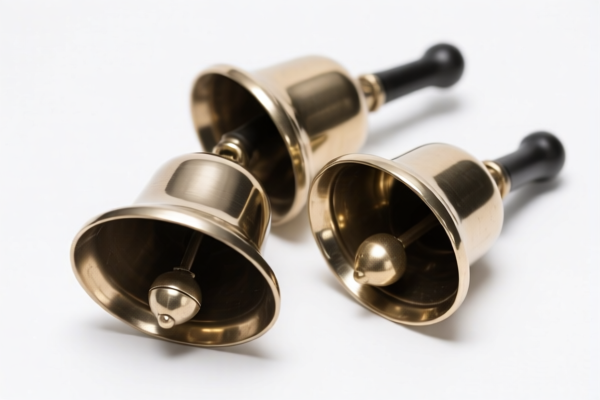
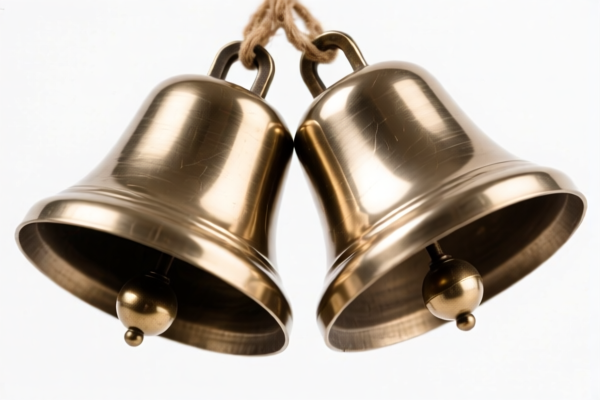

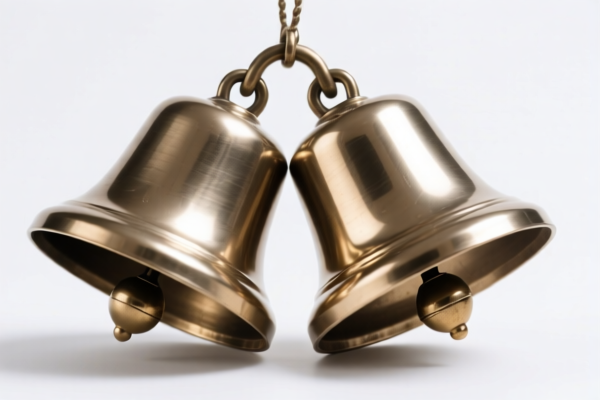
AI Analysis
🎐 Aeolian Bells (Wind Chimes)
🌐 HS Code Reference & Customs Clearance Guide | 2026 Latest Tariff Analysis | Professional-Level Strategy
📌 I. Product Definition & Classification: What Are "Aeolian Bells"?
Aeolian Bells, commonly known as Wind Chimes, are decorative or musical instruments consisting of suspended tubes, rods, or shells that produce sound when moved by the wind. In international trade, they are classified based on their material composition, as the functionality (sound production via wind) is secondary to the physical nature of the goods.
Key Material Distinctions: - Glass (玻璃): Ceramic, crystal, or glass tubes/shells. - Wood/Bamboo (竹木): Natural wood, bamboo, or wood-composite materials. - Metal (铁/钢/铝) (金属): Steel, iron, aluminum, or copper tubes/rods.
⚠️ Critical Classification Point:
- If made of Glass/Ceramic → Look under Chapter 70 (Articles of Glass).
- If made of Wood/Bamboo → Look under Chapter 44 (Wood and Articles of Wood).
- If made of Metal → Look under Chapter 73 (Articles of Iron or Steel).
📦 II. HS Code Classification Details (Based on Provided Data)
The following classifications are derived strictly from the provided dataset. Note that "Aeolian Bells" are generally considered "Other articles" (兜底分类) within their respective material chapters because they are not specifically listed in more detailed headings.
| HS Code | Product Description | Material Inference | Logic & Classification Basis |
|---|---|---|---|
7020.00.60.00 |
Other Glass Articles | Glass | Infers material is glass. Fits "Other glass articles." No conflict in form or use. |
7020.00.40.00 |
Other Glass Articles | Glass | Infers material is glass. Fits "Other glass articles" category. No obvious conflict in form or use. |
4421.91.98.80 |
Other Wooden Articles | Wood/Bamboo | Infers material is bamboo or wood. Fits "Other wooden articles" catch-all classification. |
4421.99.98.80 |
Other Wooden Articles | Wood/Metal Mix? | Infers material is metal or wood. Matches "Other wooden articles" catch-all attribute (Note: Dataset summary says "metal or wood," but HS Chapter 44 is wood; likely interpreted as wood-composite or wooden body). |
7326.90.86.88 |
Other Articles of Iron or Steel | Iron/Steel | Infers material is metal (iron/steel). Not specifically listed elsewhere. Fits "Other articles of iron/steel" catch-all. |
7326.19.00.80 |
Other Articles of Iron or Steel | Steel | Infers material is steel. Fits "Other steel articles" catch-all category. No conflict with wind chime as metal decoration. |
🔍 Important Note on Material Ambiguity:
Since Aeolian Bells can be made of various materials, the correct HS Code depends entirely on the primary material. - Glass Chimes: Use7020.xxxx- Wood/Bamboo Chimes: Use4421.xxxx- Metal Chimes: Use7326.xxxx
💰 III. 2026 Latest Tariff Rate Breakdown (Including Surcharges & Policy Add-ons)
✅ Applicable Country: United States (US)
✅ Origin: China (CN)
✅ Effective Time: Post-2025 (Current Trade Policy Context)
All HS Codes listed above are subject to a complex tariff structure involving Base Duties, Section 301 Surcharges, and Section 122 Tariffs.
🎯 1. Glass Aeolian Bells (7020.00.60.00 & 7020.00.40.00)
| Item | Content |
|---|---|
| Base Duty Rate | 5.0% (7020.00.60.00) or 6.6% (7020.00.40.00) |
| Section 301 Surcharge | +25.0% |
| Section 122 Tariff | +10.0% |
| Total Tax Rate | 40.0% (7020.00.60.00) 41.6% ( 7020.00.40.00) |
| Tax Calculation | CIF Value × Total Rate |
| De Minimis Exemption | ❌ Not Eligible (High duty rate typically excludes small parcel de minimis benefits in strict compliance scenarios) |
📌 Explanation:
- Base Duty: Standard US MFN (Most Favored Nation) rate for glass articles. - Section 301 (25%): Retaliatory tariff against Chinese goods. - Section 122 (10%): Historically applied to specific imports (check current enforcement status, but included in provided data). - Total: 40.0% - 41.6%. This is a significant cost driver.
🎯 2. Wooden/Bamboo Aeolian Bells (4421.91.98.80 & 4421.99.98.80)
| Item | Content |
|---|---|
| Base Duty Rate | 3.3% |
| Section 301 Surcharge | +25.0% |
| Section 122 Tariff | +10.0% |
| Total Tax Rate | 38.3% |
| Tax Calculation | CIF Value × 38.3% |
| De Minimis Exemption | ❌ Not Eligible |
📌 Explanation:
- Wooden articles from China face high tariffs. - Total: 38.3%. Slightly lower than glass but still substantial.
🎯 3. Metal Aeolian Bells (7326.90.86.88 & 7326.19.00.80)
| Item | Content |
|---|---|
| Base Duty Rate | 2.9% |
| Section 301 Surcharge | +25.0% |
| Section 122 Tariff | +10.0% |
| Steel/Aluminum/Copper Surcharge | +50.0% (Specific Note in Data) |
| Total Tax Rate | 87.9% |
| Tax Calculation | CIF Value × 87.9% |
| De Minimis Exemption | ❌ Not Eligible |
📌 Explanation:
- Base Duty: 2.9% for steel articles. - Section 301 (25%): Standard. - Section 122 (10%): Standard. - Special Metal Surcharge (50%): The data explicitly mentions "Steel, Aluminum, Copper products add 50% tariff." This is likely referring to Section 232 (National Security) tariffs or additional retaliatory measures on metal products. - Total: 87.9%. This is an extremely high tariff. Metal wind chimes are the most expensive to import from China to the US.
🛠️ IV. Customs Clearance Practical Advice (Battle-Tested Pitfall Guide)
✅ 1. Preparation Checklist (Non-negotiable)
| Document | Required | Explanation |
|---|---|---|
| ✅ Product Specification Sheet | ✔️ | Must explicitly state Material Composition (e.g., "100% Tempered Glass" or "Solid Bamboo"). |
| ✅ Product Photos | ✔️ | Clear images showing the item's structure to verify it's not a complex electrical device. |
| ✅ Commercial Invoice | ✔️ | Must list "Aeolian Bells / Wind Chimes" and Value. |
| ✅ Packing List | ✔️ | Detail weight and dimensions. |
| ✅ Origin Certificate | ✔️ | If claiming preferential treatment (unlikely for China due to tariffs), but essential for proving CN origin. |
✅ 2. Classification Strategy (Key Mnemonics)
🔥 “Material Dictates Code, Metal Costs More!”
| Scenario | Correct HS Code | Estimated Total Tax | Wrong Way | Consequence |
|---|---|---|---|---|
| Glass Chimes | 7020.00.60.00 |
~40.0% | Classify as Wood | Risk of misclassification penalty. |
| Wood/Bamboo Chimes | 4421.91.98.80 |
~38.3% | Classify as Metal | Overpaying? Or Underpaying? (Metal is 87.9%, so this is safer to avoid overpayment, but correct classification is key). |
| Metal Chimes | 7326.90.86.88 |
~87.9% | Classify as Glass | Huge Tax Evasion Risk! 87.9% vs 40% = Double the duty. |
⚠️ Critical Warning:
- Metal Chimes are 87.9% taxed. Consider sourcing from Vietnam, Mexico, or Thailand to avoid Section 301/122/Metal surcharges (if eligible). - Glass and Wood are ~40% taxed. Still high, but significantly better than metal.
✅ 3. Special Cases & Mitigation
| Situation | Handling Advice |
|---|---|
| Mixed Material Chimes | If the bell tubes are metal but the frame is wood, classify based on Essential Character. Usually, the sound-producing part (metal) dominates. → 87.9% Tax. |
| De Minimis (Section 321) | ❌ Do Not Rely. High tariff rates (>10-20%) often disqualify parcels from de minimis exemption under US CBP enforcement trends for China-origin goods. |
| Pre-Ruling | ✅ Highly Recommended. Apply for an Advance Ruling from US CBP to lock in the HS Code and avoid post-entry audits. |
🌍 V. Global Market Comparison (2026)
| Country/Region | Recommended HS Code | Est. Tariff (China Origin) | Notes |
|---|---|---|---|
| 🇺🇸 USA | 7326.90.86.88 (Metal) |
87.9% | Highest burden. Consider supply chain shift. |
| 🇺🇸 USA | 4421.91.98.80 (Wood) |
38.3% | Moderate burden. |
| 🇺🇸 USA | 7020.00.60.00 (Glass) |
40.0% | Moderate burden. |
| 🇨🇳 China | Same Codes | ~5-10% | Low duty. Main production hub. |
| 🇪🇺 EU | Similar Codes | ~0-2.5% | No Section 301/122. Much cheaper than US. |
| 🇯🇵 Japan | Similar Codes | ~0-3% | No retaliatory tariffs. |
📌 Conclusion:
- The US market is prohibitively expensive for Chinese-made metal Aeolian Bells (87.9% tax). - Glass and Wood are viable but still carry ~40% cost. - EU/Japan/Canada are far more favorable for Chinese exports.
📌 VI. Common Mistakes & Pitfalls (Lessons Learned)
❌ Mistake 1: Classifying Metal Chimes as "Glass" to save tax.
👉 Result: CBP Audit, 87.9% - 40% = 47.9% Underpayment + Penalties + Interest.
❌ Mistake 2: Ignoring Section 122 Tariffs.
👉 Result: Underestimating total landed cost by 10%.
❌ Mistake 3: Assuming De Minimis applies to high-duty goods.
👉 Result: Package seized or held at customs.
✅ Correct Approach:
“Identify Material First. If Metal, Think Twice. If Glass/Wood, Plan for ~40%.”
🎯 VII. Conclusion: Professional Clearance, Save Costs!
🎯 Key Takeaway:
🔹 Metal Chimes: 87.9% Tax → Avoid China Origin if possible.
🔹 Glass/Wood Chimes: ~40% Tax → Manageable but costly.
🔹 Documentation: Ensure Material Declaration is precise on Invoice and Packing List.
📌 Pro Tip:
If you are selling to the US market, consider sourcing metal chimes from Southeast Asia (Vietnam, Thailand) to potentially bypass Section 301 and Metal Surcharges. For Glass/Wood, China remains competitive despite the ~40% tax.
📣 Immediate Action:
📞 Consult a Customs Broker for a Pre-Ruling.
📦 Verify Material Composition before shipment.
📉 Calculate Landed Cost including 87.9% (Metal) or ~40% (Glass/Wood) tariffs.
✨ Professional Customs Clearance Starts with Accurate Classification!
💼 Your Margin Depends on Your HS Code!
Customer Reviews
About HS Code Classification
The Harmonized System (HS) is an internationally standardized nomenclature developed by the World Customs Organization (WCO) to classify traded products. Over 200 countries use the HS system as the basis for customs tariffs, trade statistics, and import/export regulations.
Each HS code follows a hierarchical structure:
- Chapter (2 digits) — Broad category of goods (e.g., Chapter 84: Machinery and Mechanical Appliances)
- Heading (4 digits) — More specific grouping within the chapter
- Subheading (6 digits) — Internationally standardized breakdown, used by all WCO member countries
- National subdivisions (8-10 digits) — Country-specific extensions for further classification, such as US HTSUS 10-digit codes
Correct HS code classification is essential for smooth customs clearance, accurate duty payment, and compliance with trade regulations. Misclassification can lead to customs delays, overpayment of duties, or penalties.
When importing from CN to US, the applicable tariff rates may include:
- Most-Favored-Nation (MFN) rate — The standard duty rate applied to WTO members
- General rate — Applied to countries without trade agreements
- Trade remedy duties — Additional tariffs such as Section 301 (anti-dumping), Section 232 (national security), or countervailing duties
The information provided on this page is for reference purposes only. For official classification, please consult with your local customs authority or a licensed customs broker.