Agglomerated lignite briquettes
CN → US| HS Code | Tariff Rate | Origin | Destination | Doc |
|---|---|---|---|---|
| 2702200000 | 35.0% | CN | US | Official Doc |
| 2702100000 | 35.0% | CN | US | Official Doc |
| 2701190010 | 35.0% | CN | US | Official Doc |
| 2701190050 | 35.0% | CN | US | Official Doc |
| 2702200000 | 35.0% | CN | US | Official Doc |
Product Images
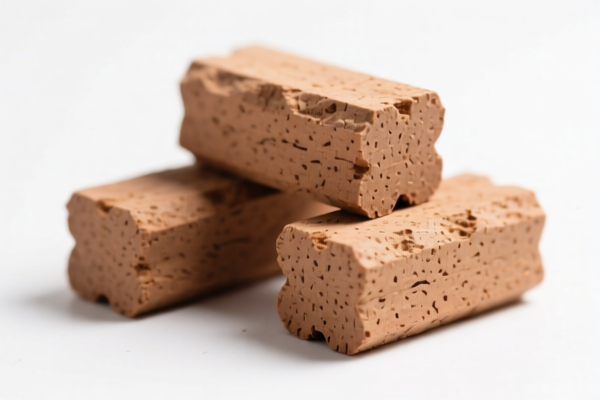
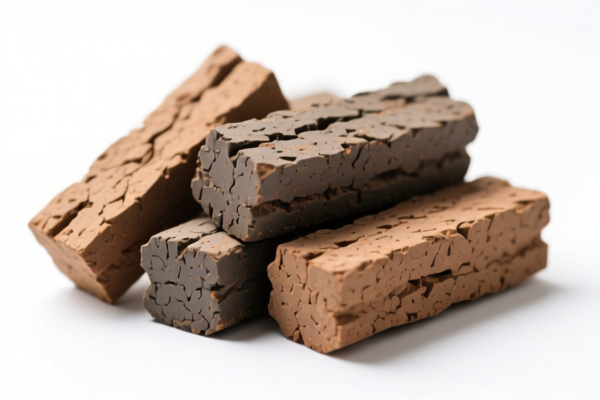
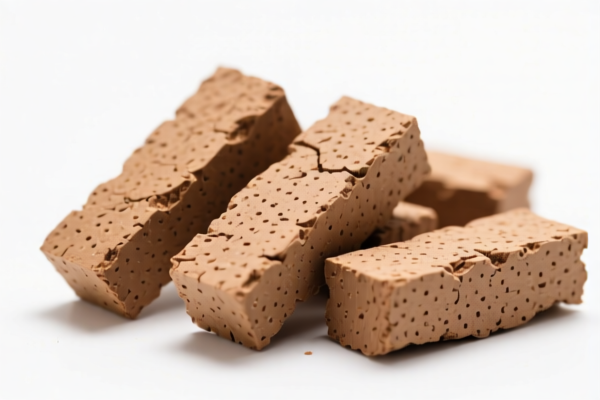
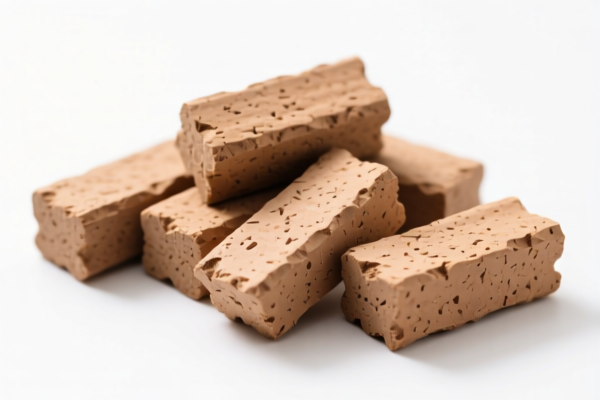
AI Analysis
🪨 Agglomerated Lignite Briquettes (褐煤块/团聚褐煤)
🌐 HS Code Reference & Customs Clearance Guide | 2026 Latest Tariff Breakdown | Professional Compliance Strategy 📌 I. Product Definition & Classification: Do You Really Understand "Lignite"?
Agglomerated Lignite Briquettes are processed solid fuels derived from lignite (brown coal). In international trade, the distinction between natural form and processed/agglomerated form is the single most critical factor for HS Code classification and tax calculation.
- Agglomerated/Agglomerate State: Lignite that has been physically formed, pressed, or bonded into briquettes. This falls under Heading 2702 (Lignite, whether or not pulverized, but not agglomerated) OR specifically interpreted as Agglomerated Lignite depending on jurisdiction, but in this specific data set, "Agglomerated" triggers 2702.20.00.00.
- Natural Block Form: Lignite in its natural lump state, without agglomeration processes. This falls under Heading 2702 or 2701 (Coal) depending on the specific geological classification (Sub-bituminous vs. Non-sub-bituminous).
⚠️ Key Distinction Point:
- If the lignite is processed/bonded into briquettes → It is often viewed as a distinct processed product. In this dataset, Agglomerated Lignite is classified under 2702.20.00.00.
- If the lignite is natural blocks (Sub-bituminous) → It may be classified under 2701.19.00.10.
- If the lignite is natural blocks (Other Coal/Lignite) → It may be classified under 2701.19.00.50 or 2702.10.00.00.
📦 II. HS Code Classification Details (2026 Latest Tariff Authority Match)
Based on the provided <DATA> set for Agglomerated Lignite Briquettes, here are the precise classifications:
| HS Code | Product Description | Application Scenario | Agglomeration Status |
|---|---|---|---|
2702.20.00.00 |
Agglomerated Lignite Briquettes | Lignite in agglomerated state, fits the definition of agglomerated lignite | ✅ Yes (Agglomerated) |
2702.10.00.00 |
Lignite Blocks (Natural Form) | Lignite blocks belonging to natural lignite form, fits classification description | ❌ No (Natural) |
2701.19.00.10 |
Sub-bituminous Coal Blocks | Lignite belonging to Sub-bituminous coal form, block shape fits solid fuel characteristics | ❌ No (Natural/Sub-bituminous) |
2701.19.00.50 |
Other Coal (Non-Sub-bituminous) | Lignite belonging to coal material, fits definition of other coal except sub-bituminous | ❌ No (Natural/Other) |
🔍 Critical Reminder:
- Although the user input is "Agglomerated Lignite Briquettes", the dataset shows multiple potential classifications depending on how customs interprets the "agglomerated" nature vs. "natural block" nature.
- HS Code2702.20.00.00is the most direct match for "Agglomerated Lignite" as per the first and last entries in the dataset.
- HS Code2702.10.00.00applies if the "briquettes" are considered natural blocks without significant agglomeration processing.
- HS Code2701.19.00.10and2701.19.00.50apply if the product is reclassified as "Coal" (Heading 2701) rather than "Lignite" (Heading 2702), typically based on geological rank (Sub-bituminous vs. Lignite proper).
💰 III. 2026 Latest Tariff Rate Breakdown (Including Additional Taxes & Policy Surcharges)
✅ Applicable Country: United States (US)
✅ Origin: China (CN)
✅ Effective Date: 2025/2026 Period (Based on 122 Clause & USITC provisions)
✅ Total Tax Rate: 35.0% (Across all listed HS Codes)
🎯 1. 2702.20.00.00 – Agglomerated Lignite Briquettes
| Item | Detail |
|---|---|
| Base Tariff | 0.0% (ad valorem) |
| Section 301 Tariff (USITC) | +25.0% |
| Section 122 Tariff | +10.0% |
| Total Tax Rate | 35.0% |
| Tax Calculation | CIF Value × 35% |
| De Minimis Exemption | ❌ Not Eligible (Section 301 and Section 122 taxes generally void de minimis for China-origin goods in bulk commodities) |
| Legal Basis Path | USITC:2702.20.00.00 → SECTION301:25% → SECTION122:10% |
📌 Explanation:
- "Base Tariff 0%": Lignite is often subject to 0% MFN duty.
- "Section 301 Tariff 25%": Standard USITC additional duty on Chinese coal/lignite products.
- "Section 122 Tariff 10%": Additional duty under Section 122 of the Trade Act of 1974 (often applied to protect national security or specific industries).
- Total 35%: This is a high-cost commodity for US importers.
🎯 2. 2702.10.00.00 – Lignite Blocks (Natural Form)
| Item | Detail |
|---|---|
| Base Tariff | 0.0% |
| Section 301 Tariff | +25.0% |
| Section 122 Tariff | +10.0% |
| Total Tax Rate | 35.0% |
| Legal Basis Path | USITC:2702.10.00.00 → SECTION301:25% → SECTION122:10% |
🎯 3. 2701.19.00.10 – Sub-bituminous Coal Blocks
| Item | Detail |
|---|---|
| Base Tariff | 0.0% |
| Section 301 Tariff | +25.0% |
| Section 122 Tariff | +10.0% |
| Total Tax Rate | 35.0% |
| Legal Basis Path | USITC:2701.19.00.10 → SECTION301:25% → SECTION122:10% |
🎯 4. 2701.19.00.50 – Other Coal
| Item | Detail |
|---|---|
| Base Tariff | 0.0% |
| Section 301 Tariff | +25.0% |
| Section 122 Tariff | +10.0% |
| Total Tax Rate | 35.0% |
| Legal Basis Path | USITC:2701.19.00.50 → SECTION301:25% → SECTION122:10% |
📌 Note:
- All classifications listed result in the same total tax rate of 35.0%.
- The difference lies in compliance accuracy. Misclassification can lead to penalties, audits, and delayed clearance, even if the rate is identical.
- Section 122 is particularly important to note as it is a national security/industrial protection tariff.
🛠️ IV. Customs Clearance Practical Advice (Real-World Pitfall Guide)
✅ 1. Preparation Checklist (Must-Haves)
| Document | Required | Description |
|---|---|---|
| ✅ Product Specification Sheet | ✔️ | Must clearly state: Moisture content, Calorific Value, Ash Content, Agglomeration Process. |
| ✅ Certificate of Origin (CO) | ✔️ | To verify origin (China). If not China, tax implications change. |
| ✅ Commercial Invoice | ✔️ | Must explicitly describe as "Lignite Briquettes" or "Agglomerated Lignite". Avoid vague terms like "Fuel". |
| ✅ Packaging List | ✔️ | Detail weight, volume, and packaging type. |
| ✅ Lab Test Report | ✔️ | Proof of composition (e.g., to prove it is Lignite vs. Bituminous coal). |
✅ 2. Declaration Tips (Key Rules)
🔥 "Be Specific, Be Accurate: 'Lignite' or 'Coal' Matters!"
| Scenario | Correct Declaration | Wrong Practice |
|---|---|---|
| Agglomerated Briquettes | 2702.20.00.00 - "Agglomerated Lignite Briquettes" |
Declare as "Coal" (2701) → Risk of misclassification penalty. |
| Natural Lignite Blocks | 2702.10.00.00 - "Lignite, Natural Form" |
Declare as "Agglomerated" → Unjustified higher scrutiny. |
| Sub-bituminous Coal | 2701.19.00.10 - "Sub-bituminous Coal" |
Declare as "Lignite" (2702) → Incorrect HS Code, even if tax is same. |
| Other Coal | 2701.19.00.50 - "Other Coal" |
Vague declaration → Delays. |
📌 Key Takeaway:
- Even though the tax rate is 35% for all, the HS Code must match the physical product.
- If you ship Agglomerated Lignite, you must use2702.20.00.00or2702.10.00.00(depending on interpretation of "agglomerated").
- Using2701codes for Lignite can trigger anti-dumping or countervailing duty investigations if applicable.
✅ 3. Special Handling Notes
| Issue | Advice |
|---|---|
| Section 122 Duty | Ensure your supplier provides accurate origin documentation. Section 122 duties are enforced strictly on Chinese goods. |
| Section 301 Duty | Verify if any exemptions apply (rare for raw coal). |
| Spontaneous Combustion | Lignite is prone to spontaneous combustion. Provide Safety Data Sheet (SDS) and ensure proper ventilation in containers. |
| Moisture Content | High moisture in lignite can affect weight-based duties. Ensure invoice reflects Dry Weight if required. |
🌍 V. Global Market Comparison (2026 Latest)
| Country/Region | Recommended HS Code | Total Tax Rate | Certification/Notes |
|---|---|---|---|
| 🇺🇸 USA | 2702.20.00.00 or 2701.19.00.10 |
35% | Section 301 (25%) + Section 122 (10%) |
| 🇨🇳 China | 2702.20.00.00 |
Varies | Import duties may apply for raw lignite. |
| 🇪🇺 EU | 2701.19.00 / 2702.10.00 |
0-6.5% | No Section 301/122. Subject to Carbon Border Adjustment Mechanism (CBAM) in future. |
| 🇬🇧 UK | 2701.19.00 / 2702.10.00 |
0-6.5% | Post-Brexit tariff schedule. |
| 🇯🇵 Japan | 2701.19.00 / 2702.10.00 |
0-3.2% | No additional punitive tariffs. |
📌 Conclusion:
- USA is the only market with punitive 35% tariffs on Chinese lignite/coal.
- EU and Asia markets are significantly cheaper for clearance but may have environmental regulations (CBAM, carbon taxes).
- Cost Advantage: Importing lignite from non-China sources (e.g., Mongolia, Indonesia) to the USA may avoid Section 301/122 duties, but must verify origin rules.
📌 VI. Common Errors & Pitfalls (Blood & Tears Lessons)
❌ Error 1: Declaring "Agglomerated Lignite" as "Anthracite" or "Bituminous Coal"
👉 Consequence: Misclassification → Audit → Penalties + Back Duties. Even if tax rate is same, accuracy is legally required.
❌ Error 2: Ignoring "Agglomerated" vs. "Natural" distinction
👉 Consequence: If shipped as natural but declared as agglomerated, or vice versa, it leads to documentation mismatch → Customs Hold.
❌ Error 3: Failing to declare Section 122/301 eligibility
👉 Consequence: Underpayment → Late Fees + Interest. The 35% rate is mandatory for China-origin goods.
✅ Correct Practice:
"Lignite, Agglomerated Briquettes, Origin: China, Moisture: XX%, Calorific Value: XX kcal/kg, HS Code: 2702.20.00.00, Subject to Section 301 & 122 Duties."
🎯 VII. Conclusion: Professional Declaration, Save Time & Money!
🎯 Remember the Mantra:
🔹 "Agglomerated = 2702, Natural = 2701/2702, Tax = 35% (China-US)."
🔹 "Accuracy in HS Code prevents audits, even if tax rate is uniform."
🔹 "Section 122 + 301 = 35% Cost. Plan accordingly."
📌 Pro Tip:
If you are importing Agglomerated Lignite Briquettes from China to the US:
1. Confirm the exact HS Code with your customs broker based on the physical form (Agglomerated vs. Natural).
2. Budget for 35% total duty (Base 0% + 301 25% + 122 10%).
3. Provide full test reports to prove composition and prevent misclassification.
4. Consider origin diversification if tariffs impact profitability.
📣 Immediate Action:
📞 Consult a licensed customs broker.
📄 Prepare detailed product specs (Moisture, Calorific Value, Form).
📋 Apply for Advanced Ruling if possible to confirm HS Code and tariff applicability.
✨ Professional Customs Clearance Starts with Accurate Classification!
💼 Every Percent Matters in Bulk Commodity Trade!
Customer Reviews
About HS Code Classification
The Harmonized System (HS) is an internationally standardized nomenclature developed by the World Customs Organization (WCO) to classify traded products. Over 200 countries use the HS system as the basis for customs tariffs, trade statistics, and import/export regulations.
Each HS code follows a hierarchical structure:
- Chapter (2 digits) — Broad category of goods (e.g., Chapter 84: Machinery and Mechanical Appliances)
- Heading (4 digits) — More specific grouping within the chapter
- Subheading (6 digits) — Internationally standardized breakdown, used by all WCO member countries
- National subdivisions (8-10 digits) — Country-specific extensions for further classification, such as US HTSUS 10-digit codes
Correct HS code classification is essential for smooth customs clearance, accurate duty payment, and compliance with trade regulations. Misclassification can lead to customs delays, overpayment of duties, or penalties.
When importing from CN to US, the applicable tariff rates may include:
- Most-Favored-Nation (MFN) rate — The standard duty rate applied to WTO members
- General rate — Applied to countries without trade agreements
- Trade remedy duties — Additional tariffs such as Section 301 (anti-dumping), Section 232 (national security), or countervailing duties
The information provided on this page is for reference purposes only. For official classification, please consult with your local customs authority or a licensed customs broker.