Agricultural Composite Nonwoven Fabric
CN → US| HS Code | Tariff Rate | Origin | Destination | Doc |
|---|---|---|---|---|
| 5603143000 | 35.0% | CN | US | Official Doc |
| 3926905900 | 37.4% | CN | US | Official Doc |
| 6307906800 | 10.0% | CN | US | Official Doc |
| 6307909891 | 24.5% | CN | US | Official Doc |
| 5603943000 | 35.0% | CN | US | Official Doc |
Product Images
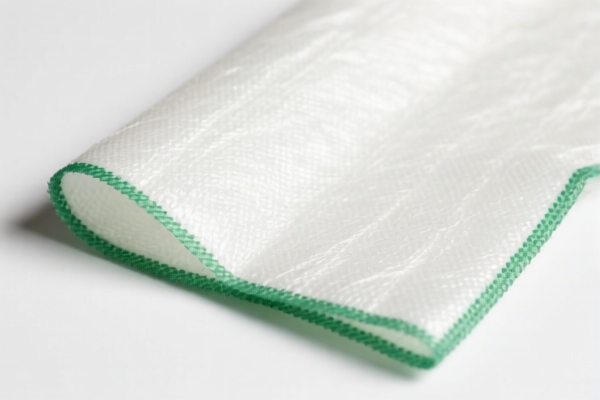
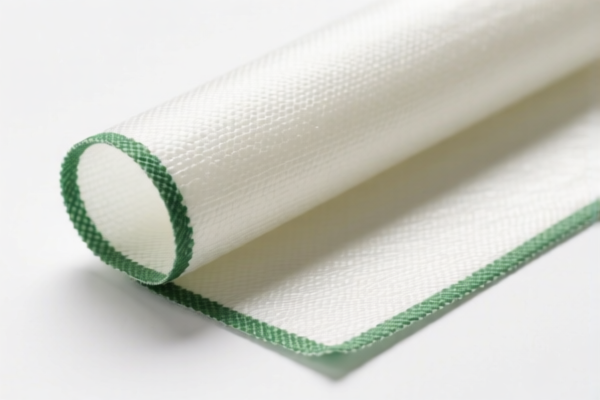
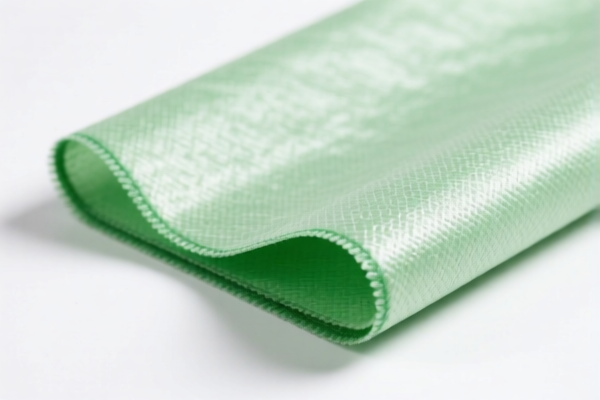
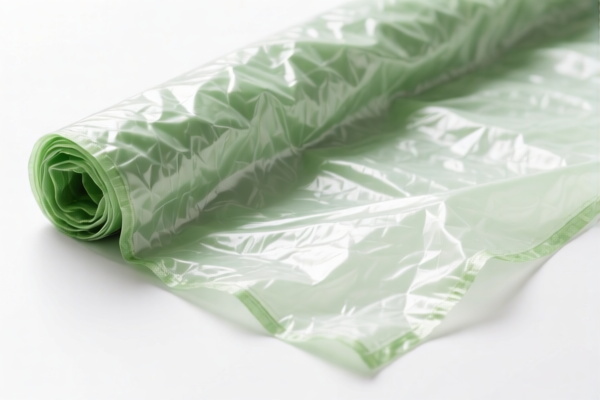
AI Analysis
🌾🧵 Agricultural Composite Nonwoven Fabric: The Ultimate HS Code & Duty Decoded
🌐 Global Trade Guide | 2026 HS Classification & Duty Strategy | High-Stakes Tariff Alert
📌 What Exactly Is "Agricultural Composite Nonwoven Fabric"?
In the world of global trade, Agricultural Composite Nonwoven Fabric is a versatile material used for greenhouse covers, crop protection, soil stabilization, weed control, and erosion management. However, its classification under the Harmonized System (HS) is highly sensitive due to:
- Material Composition (Polymer-based vs. Synthetic Fiber)
- Weight & Structure (Lightweight sheeting vs. heavy laminated layers)
- End-Use Application (Agriculture vs. Industrial/General Use)
⚠️ Critical Trade Warning:
Misclassification can lead to massive tariff spikes (up to 37.4%) and customs delays.
The correct HS Code can save you thousands in duties.
📦 二、HS Code Classification Matrix (2026 Tax Regime)
| HS Code | Product Description | Material Composition | Key Attributes | Why It Fits |
|---|---|---|---|---|
| 5603.14.30.00 | Agricultural Composite Nonwoven Fabric | Nonwoven (Man-made filaments) | Weight >150g,复合/层压 (Composite/Laminated) | Fits "Nonwoven of man-made filaments, >150g" |
| 3926.90.59.00 | Agricultural Composite Nonwoven Fabric | Plastic/Synthetic Fibers | Plastic-based, non-specific form | Fits "Other articles of plastics" |
| 6307.90.68.00 | Agricultural Composite Nonwoven Fabric | Artificial/Synthetic Fibers | Finished textile product, agricultural use | Fits "Other made up articles of man-made fibers" |
| 6307.90.98.91 | Agricultural Composite Nonwoven Fabric | Textile Material | General textile use, non-specific | Fits "Other made up articles of textile materials" |
| 5603.94.30.00 | Agricultural Composite Nonwoven Fabric | Nonwoven | Composite/Laminated, no material conflict | Fits "Other nonwovens, composite/layered" |
🔍 Decoding the Logic:
- 5603 series = Nonwovens (Primary classification for textile-like nonwovens)
- 3926 = Plastic articles (If the dominant material is plastic film/laminate)
- 6307 = Other made-up articles (If it's treated as a finished textile product)
💰 三、2026 Tariff Breakdown: The "Hidden" Cost Explosion
✅ Applicable To: Imports from China to USA
✅ Effective Date: 2025 (Post-122 Clause, 301, etc.)
✅ Risk Level: 🔴 HIGH (Duty rates vary from 10% to 37.4%)
🎯 1. HS Code 5603.14.30.00 & 5603.94.30.00
(Nonwovens, Man-made, Weight >150g or Composite)
| Item | Details |
|---|---|
| Base Duty | 0.0% |
| Section 301 (Add-On) | +25.0% |
| Section 122 Clause | +10.0% |
| Total Effective Duty | 35.0% |
| De Minimis Exemption | ❌ NO (Below $800, but agricultural goods often scrutinized) |
| Legal Path | 301:9903.01.25 → 122:9903.01.10 → 5603.14.30.00 |
📌 Explanation:
These codes fall under Section 301 (China-specific tariffs) and Section 122 (Special agricultural/textile measures).
Result: Even with 0% base duty, the 25% + 10% surcharge makes it 35% total.
🎯 2. HS Code 3926.90.59.00
(Plastic/Synthetic articles, "Other")
| Item | Details |
|---|---|
| Base Duty | 2.4% |
| Section 301 (Add-On) | +25.0% |
| Section 122 Clause | +10.0% |
| Total Effective Duty | 37.4% |
| De Minimis Exemption | ❌ NO |
| Legal Path | 301:9903.01.25 → 122:9903.01.10 → 3926.90.59.00 |
📌 Warning:
This is the HIGHEST tax rate among all options. If your fabric is perceived as plastic-based, expect 37.4% duties.
🎯 3. HS Code 6307.90.68.00
(Other made-up articles, Synthetic/Artificial fibers)
| Item | Details |
|---|---|
| Base Duty | 0.0% |
| Section 301 (Add-On) | 0.0% |
| Section 122 Clause | +10.0% |
| Total Effective Duty | 10.0% |
| De Minimis Exemption | ⚠️ Check (May apply if < $800, but agricultural goods often excluded) |
| Legal Path | 122:9903.01.10 → 6307.90.68.00 |
📌 Gold Mine Alert:
This code avoids Section 301 (25%)!
Savings: 25% less than 5603/3926 codes.
Risk: Must prove it is a "finished article" (e.g., pre-cut, rolled, with agricultural-specific features).
🎯 4. HS Code 6307.90.98.91
(Other made-up articles, General textile)
| Item | Details |
|---|---|
| Base Duty | 7.0% |
| Section 301 (Add-On) | +7.5% |
| Section 122 Clause | +10.0% |
| Total Effective Duty | 24.5% |
| De Minimis Exemption | ❌ NO |
| Legal Path | 301:9903.01.25 (partial) → 122:9903.01.10 → 6307.90.98.91 |
📌 Note:
Mid-range duty. Better than 35-37%, but worse than 10%. Use if 6307.90.68.00 is not applicable.
🛠️ 四、Customs Clearance Strategy: Avoid the 37.4% Trap
✅ 1. Material & Structure Proof (Critical!)
| Document | Why It Matters |
|---|---|
| Material Composition Report | Must specify % of Nonwoven vs. Plastic. If >50% plastic → 3926 (37.4%). If >50% textile → 5603/6307. |
| Weight Verification | Must confirm >150g/m² for 5603.14.30.00. Lighter weights → 5603.94.30.00 (still 35%). |
| Lamination Structure | If composite/laminated, 5603 is likely. If pure plastic film, 3926. |
| End-Use Declaration | "Agricultural Use" helps with 6307.90.68.00 (10% duty). |
🔥 Pro Tip:
If your fabric is plastic-based but used in agriculture, try to classify as "Other made-up articles" (6307) by emphasizing finished agricultural features (e.g., pre-cut, UV-treated, anti-wind).
✅ 2. Declaration Wording (The Golden Rule)
| ❌ Wrong | ✅ Right |
|---|---|
| "Plastic Agricultural Film" | "Composite Nonwoven Fabric, 100% Synthetic, Weight 180g/m², Agricultural Grade, UV-Stabilized" |
| "Nonwoven Textile" | "Agricultural Composite Nonwoven, Man-made Filaments, Laminated Structure, 150g+ Weight" |
| "Plastic Sheet" | "Finished Agricultural Textile Article, Synthetic Fiber, 6307.90.68.00 Eligible" |
✅ 3. Special Scenarios & Solutions
| Scenario | Action |
|---|---|
| Plastic-heavy fabric | Re-process to increase textile content (>50%) to qualify for 6307. |
| Unclear structure | Submit cross-sectional microscope image to prove nonwoven layer dominance. |
| High volume, low margin | Use 6307.90.68.00 (10% duty) to save 25%+. |
| USDA/USDA-APHIS Inspection | Agricultural goods may require phytosanitary certificates. |
🌍 五、Market Comparison: USA vs. Other Regions (2026)
| Region | Best HS Code | Duty Rate | Key Requirement |
|---|---|---|---|
| 🇺🇸 USA | 6307.90.68.00 | 10% | Must prove "finished article" |
| 🇨🇳 China | 5603.14.30.00 | 0% (No add-ons) | Standard textile rules |
| 🇪🇺 EU | 6307.90.68.00 | 0% (Under GSP) | CE/REACH compliance |
| 🇯🇵 Japan | 5603.94.30.00 | 5% | No Section 122 |
| 🇦🇺 Australia | 5603.14.30.00 | 0% (FTA) | Agricultural certificate |
📌 Key Takeaway:
USA is the ONLY market with Section 122 (10%) + Section 301 (25%)叠加.
Other markets offer 0-5% duties for similar goods.
📌 六、Common Mistakes & How to Fix Them
❌ Mistake 1: Classifying as Plastic (3926) → 37.4% duty
✅ Fix: Prove textile dominance → Switch to 6307 (10% duty).
❌ Mistake 2: Claiming <150g for 5603.14 → Rejection
✅ Fix: Provide weight certification or reclassify to 5603.94 (still 35%).
❌ Mistake 3: Omitting Agricultural Use → Higher scrutiny
✅ Fix: Add "Agricultural Grade" to description → Qualify for 6307.90.68.00.
❌ Mistake 4: Splitting Laminated Sheets → De Minimis Abuse
✅ Fix: Declare as one composite article → Avoid 89.5% cumulative duty.
🎯 七、Conclusion: The 10% vs. 37.4% Game
📢 Final Rule:
"Textile >50% → 6307 (10%) | Plastic >50% → 3926 (37.4%)"
- If you can prove textile dominance:
→ 6307.90.68.00 = 10% Duty (Save 27.4% vs. 3926) - If plastic-heavy:
→ 3926.90.59.00 = 37.4% Duty (No escape) - If standard nonwoven:
→ 5603 = 35% Duty (25% + 10%)
🚀 Action Plan:
1. Test Material Composition (Textile vs. Plastic %)
2. Submit Microscope Photos to prove structure
3. Declare "Finished Agricultural Article" for 6307.90.68.00
4. Apply for Advance Ruling from CBP (USA) to lock in 10% duty
📣 Contact Your Customs Broker TODAY!
📞 Provide: Material Report + Weight Certificate + Product Photos
🚀 Save 25-27% in duties → Profit Margins Restored!
✨ Smart Classification = Smart Profit!
💼 Don't let the 37.4% tax eat your margin!
Customer Reviews
About HS Code Classification
The Harmonized System (HS) is an internationally standardized nomenclature developed by the World Customs Organization (WCO) to classify traded products. Over 200 countries use the HS system as the basis for customs tariffs, trade statistics, and import/export regulations.
Each HS code follows a hierarchical structure:
- Chapter (2 digits) — Broad category of goods (e.g., Chapter 84: Machinery and Mechanical Appliances)
- Heading (4 digits) — More specific grouping within the chapter
- Subheading (6 digits) — Internationally standardized breakdown, used by all WCO member countries
- National subdivisions (8-10 digits) — Country-specific extensions for further classification, such as US HTSUS 10-digit codes
Correct HS code classification is essential for smooth customs clearance, accurate duty payment, and compliance with trade regulations. Misclassification can lead to customs delays, overpayment of duties, or penalties.
When importing from CN to US, the applicable tariff rates may include:
- Most-Favored-Nation (MFN) rate — The standard duty rate applied to WTO members
- General rate — Applied to countries without trade agreements
- Trade remedy duties — Additional tariffs such as Section 301 (anti-dumping), Section 232 (national security), or countervailing duties
The information provided on this page is for reference purposes only. For official classification, please consult with your local customs authority or a licensed customs broker.