Agricultural Other New Pneumatic Rubber Tires
CN → US| HS Code | Tariff Rate | Origin | Destination | Doc |
|---|---|---|---|---|
| 4011700050 | 35.0% | CN | US | Official Doc |
| 4011700010 | 35.0% | CN | US | Official Doc |
Product Images
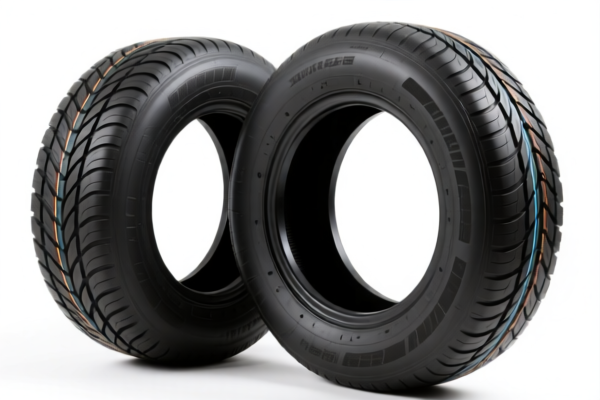
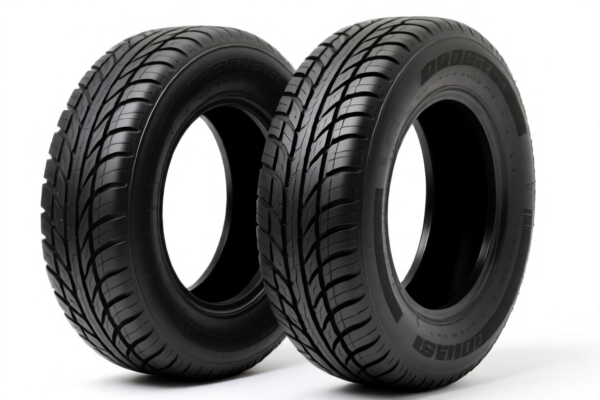
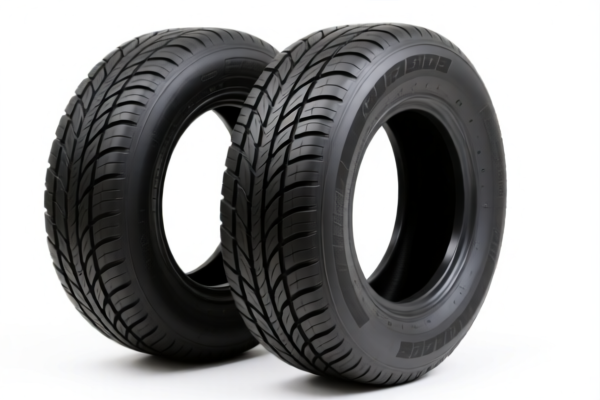
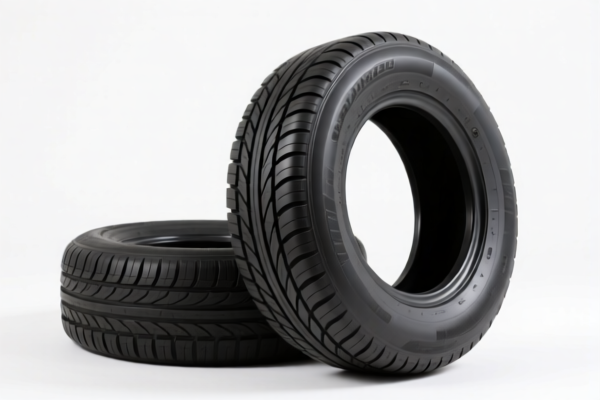
AI Analysis
🚜 Agricultural Other New Pneumatic Rubber Tires
🌐 HS Code Reference & Customs Clearance Guide | 2026 Latest Tariff Breakdown | Professional-Level Entry Strategy
📌 I. Product Definition & Classification: Do You Really Understand "Agricultural Tires"?
Agricultural pneumatic tires are the critical connection between heavy machinery and the field, designed to provide traction, flotation, and durability in soft or uneven terrain. In international trade, they are strictly categorized under Chapter 40 (Rubber and articles thereof), specifically within Heading 4011.
These tires are further subdivided based on their tread patterns and specific intended use within the agricultural sector. The two primary classifications you must be aware of are:
1. "Other" Agricultural Tires (General Purpose):
Standard agricultural tires that do not possess specific tread patterns like "herring-bone." These are typically used for general field operations where standard traction is sufficient.
2. "Herring-bone" or Similar Tread Tires (Specialized Traction):
Tires featuring a distinct zigzag or "V" shaped tread pattern. These are engineered for superior self-cleaning properties and enhanced grip in muddy, wet, or slippery conditions, commonly used in paddy fields or steep terrains.
⚠️ Key Distinction Point:
- If the tire has a standard rib or block tread (not specifically "herring-bone") → Classified under 4011.70.00.50
- If the tire has a distinct "herring-bone" or similar zigzag tread → Classified under 4011.70.00.10
- Note: Both fall under "New pneumatic tires of rubber of a kind used on agricultural or forestry vehicles and machines."
📦 II. HS Code Classification Details (2026 Latest Tariff Authority Match)
| HS Code | Product Description | Applicable Scenario | Tread Pattern Feature |
|---|---|---|---|
4011.70.00.50 |
New pneumatic tires, rubber; Ag/Forestry vehicles; Other | General farming, dry fields, standard machinery | Standard rib/block tread; NOT herring-bone |
4011.70.00.10 |
New pneumatic tires, rubber; Ag/Forestry vehicles; "Herring-bone" or similar tread | Paddy fields, muddy terrain, steep slopes | Distinct zigzag/V-shaped tread for self-cleaning |
🔍 Critical Reminder:
- Do not mix the codes based on brand or size alone. The determining factor is the tread pattern.
- "Similar tread" in code.10includes patterns that functionally resemble herring-bone (e.g., specific lugs designed for mud ejection). If the pattern is ambiguous, customs may lean towards.50unless technical drawings prove the herring-bone design.
- Both codes are for NEW tires. Used tires fall under a completely different chapter (4012).
💰 III. 2026 Latest Tariff Rate Details (Detailed Tax Clauses)
✅ Applicable Country: United States (US)
✅ Country of Origin: China (CN) [Assumed based on common trade context for these specific HS codes with high tariffs]
✅ Effective Time: Current applicable rates as per 2026 trade policies.
🎯 1. 4011.70.00.50 —— Agricultural Tires (Other)
| Item | Content |
|---|---|
| Base Tariff Rate | 0.0% (ad valorem) |
| Section 301 Additional Tariff | +25.0% |
| Total Tax Rate | 25.0% |
| Tax Calculation | CIF Value × 25% |
| De Minimis Exemption | ❌ Not Applicable (Section 301 goods are generally excluded from de minimis thresholds) |
| Legal Basis Path | HTSUS:4011.70.00.50 → Section 301 List 4A → USITC Footnote |
📌 Explanation:
- The base duty is 0%, reflecting the low traditional duty on agricultural inputs.
- The 25% additional tariff is imposed under Section 301 of the Trade Act of 1974 against China.
- This is a high-cost entry. While 25% seems lower than consumer electronics, on high-value agricultural machinery parts, the absolute dollar amount is significant.
- No exemptions are typically available for these goods under current trade war policies.
🎯 2. 4011.70.00.10 —— Agricultural Tires (Herring-bone Tread)
| Item | Content |
|---|---|
| Base Tariff Rate | 0.0% (ad valorem) |
| Section 301 Additional Tariff | +25.0% |
| Total Tax Rate | 25.0% |
| Tax Calculation | CIF Value × 25% |
| De Minimis Exemption | ❌ Not Applicable |
| Legal Basis Path | HTSUS:4011.70.00.10 → Section 301 List 4A → USITC Footnote |
📌 Note:
- Identical tariff structure to the "Other" category.
- Despite being specialized for difficult terrain, the US trade policy does not differentiate between tread types for tariff purposes within this subheading.
- Cost Impact: For a $10,000 container of tires, the duty payable is $2,500.
🛠️ IV. Customs Clearance Practical Advice (Real-World Pitfall Avoidance)
✅ 1. Required Documentation Checklist (Non-negotiable)
| Document | Must Provide | Explanation |
|---|---|---|
| ✅ Product Specification Sheet | ✔️ | Must clearly state: "Agricultural/Forestry Tire," Size (e.g., 11.2-28), Ply Rating, and Tread Type. |
| ✅ Tread Pattern Diagram/Photo | ✔️ | Crucial. Shows if it is "Herring-bone" (.10) or "Other" (.50). Without this, customs may flag for manual classification. |
| ✅ Commercial Invoice | ✔️ | Must match HS Code exactly. Description should read: "New Pneumatic Rubber Tires for Agricultural Tractors, Herring-bone Tread, Model XYZ." |
| ✅ Packing List | ✔️ | List quantity per carton/pallet. Ensure weight matches declaration. |
| ✅ Origin Certificate (CO) | ✔️ | If claiming any potential preferential rates (though currently 0% base, CO is still needed for trade compliance). |
✅ 2. Declaration Tips (Key Mantras)
🔥 "Tread Defines Code, Origin Defines Tax, Description Defines Compliance!"
| Scenario | Correct Declaration | Incorrect Practice |
|---|---|---|
| Standard Ag Tire | 4011.70.00.50 |
Misdeclaring as .10 → Risk of penalty if tread doesn't match. |
| Herring-bone Tire | 4011.70.00.10 |
Misdeclaring as .50 → Underpayment risk if audited and tread is proven to be herring-bone. |
| Forestry Tires | Use same codes (4011.70.x) | Do NOT use "Truck Tire" codes (4011.20.x). |
| Mixed Container | Split lines in invoice | Never mix .10 and .50 on a single line item without clear separation. |
✅ 3. Special Case Handling
| Case | Handling Advice |
|---|---|
| Ambiguous Tread | If the tread is hybrid (partly herring, partly rib), provide a technical analysis. Customs may default to .50 if herring feature is not dominant. |
| Used Tires | DO NOT use these codes. Used tires are prohibited or heavily restricted in many jurisdictions. Use Chapter 4012 instead (with strict regulations). |
| Inner Tubes | Declared separately under 4010.39 or 4010.31. Do not lump into tire cost to avoid misclassification. |
| Forestry vs. Ag | Both use 4011.70. Ensure the invoice says "Agricultural OR Forestry" to cover both machine types. |
🌍 V. Global Market Comparison (2026 Latest)
| Country/Region | Recommended HS Code | Base Tariff | Additional Tax (China Origin) | Total Cost Impact | Notes |
|---|---|---|---|---|---|
| 🇺🇸 USA | 4011.70.00.xx |
0% | +25% (Section 301) | High (25%) | Section 301 applies fully. No de minimis. |
| 🇨🇳 China | 4011.70.00.xx |
0% - 10%* | None | Low | Imports into China may have different rates. |
| 🇪🇺 EU | 4011.70.00.xx |
0% | None | Low (0%) | No retaliatory tariffs on these goods. |
| 🇦🇺 Australia | 4011.70.00.xx |
5% | None | Moderate (5%) | Check FTA if applicable. |
| 🇯🇵 Japan | 4011.70.00.xx |
0% | None | Low (0%) | EPA benefits may apply. |
📌 Conclusion:
- The USA is the only major market imposing the 25% additional tariff on these specific agricultural tires from China.
- Exporters to the EU, Japan, or Australia face 0% to 5% total duty, making them more cost-effective markets for Chinese-manufactured tires.
- Strategic Advice: If exporting to the US, consider supply chain diversification (e.g., tires manufactured in Vietnam or Thailand) to potentially avoid Section 301 tariffs, provided rules of origin are met.
📌 VI. Common Errors & Pitfall Guide (Lessons Learned)
❌ Error 1: Declaring "Herring-bone" tires as "Other" (.50) to save time.
👉 Consequence: If customs inspects and confirms herring-bone tread, they may reclassify to .10 (same tax here) but penalize for inaccurate declaration. More importantly, if you underdeclare by using a code with lower taxes (if rates differed), you face fraud allegations.
❌ Error 2: Ignoring the "New" requirement.
👉 Consequence: If tires are used or retreaded, declaring them as "New Pneumatic Tires" is smuggling. Used tires are subject to strict bans or high fees.
❌ Error 3: Confusing Agricultural Tires with Truck Tires.
👉 Consequence: Truck tires (4011.20) have different duty rates and regulatory standards (DOT safety). Misclassification leads to seizure or fines.
❌ Error 4: Failing to disclose Section 301 applicability.
👉 Consequence: The CBP (Customs and Border Protection) actively audits high-risk HS codes. Failure to pay the 25% results in back duties + interest + penalties.
✅ Correct Action:
"New Pneumatic Rubber Tires for Agricultural Tractors, Size 16.9-30, Herring-bone Tread Pattern, Made in China. HS: 4011.70.00.10. Duty: 0% Base + 25% Section 301."
🎯 VII. Conclusion: Precision Saves Money
🎯 Remember the Mantra:
🔹 "Herring-bone is .10, Other is .50, Both carry 25% in the US!"
🔹 "Tread Pattern is King, Origin is Queen, Declaration Must Match Both!"
📌 Pro Tip:
If your volume is large, consider applying for a Section 301 Exclusion (if still available for specific product categories) or explore tariff engineering by importing components for local assembly (if feasible). However, for finished tires, the 25% is usually non-negotiable for Chinese origin.
📣 Immediate Action:
📞 Verify tread pattern with your manufacturer.
📄 Ensure invoices explicitly state "Agricultural/Forestry" and "New."
🚀 Budget for 25% extra cost for US-bound shipments.
✨ Professional Clearance, From Precise Classification!
💼 Every percent of duty is a percent of your profit. Protect it.
Customer Reviews
About HS Code Classification
The Harmonized System (HS) is an internationally standardized nomenclature developed by the World Customs Organization (WCO) to classify traded products. Over 200 countries use the HS system as the basis for customs tariffs, trade statistics, and import/export regulations.
Each HS code follows a hierarchical structure:
- Chapter (2 digits) — Broad category of goods (e.g., Chapter 84: Machinery and Mechanical Appliances)
- Heading (4 digits) — More specific grouping within the chapter
- Subheading (6 digits) — Internationally standardized breakdown, used by all WCO member countries
- National subdivisions (8-10 digits) — Country-specific extensions for further classification, such as US HTSUS 10-digit codes
Correct HS code classification is essential for smooth customs clearance, accurate duty payment, and compliance with trade regulations. Misclassification can lead to customs delays, overpayment of duties, or penalties.
When importing from CN to US, the applicable tariff rates may include:
- Most-Favored-Nation (MFN) rate — The standard duty rate applied to WTO members
- General rate — Applied to countries without trade agreements
- Trade remedy duties — Additional tariffs such as Section 301 (anti-dumping), Section 232 (national security), or countervailing duties
The information provided on this page is for reference purposes only. For official classification, please consult with your local customs authority or a licensed customs broker.