Agricultural Planting Rubber Gloves
CN → US| HS Code | Tariff Rate | Origin | Destination | Doc |
|---|---|---|---|---|
| 4015195100 | 49.0% | CN | US | Official Doc |
| 4015191150 | 38.0% | CN | US | Official Doc |
| 6116109500 | 24.5% | CN | US | Official Doc |
| 3926204050 | 16.5% | CN | US | Official Doc |
| 6116106500 | 24.5% | CN | US | Official Doc |
Product Images


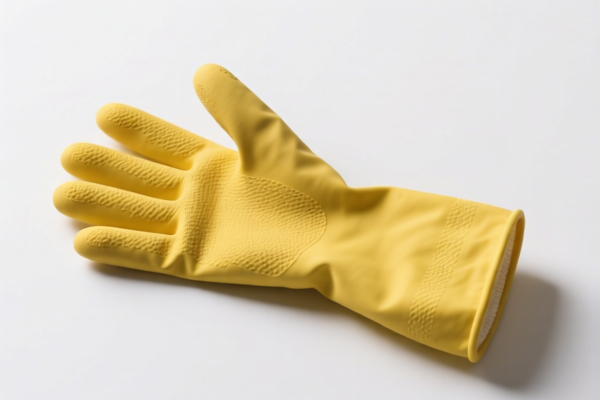
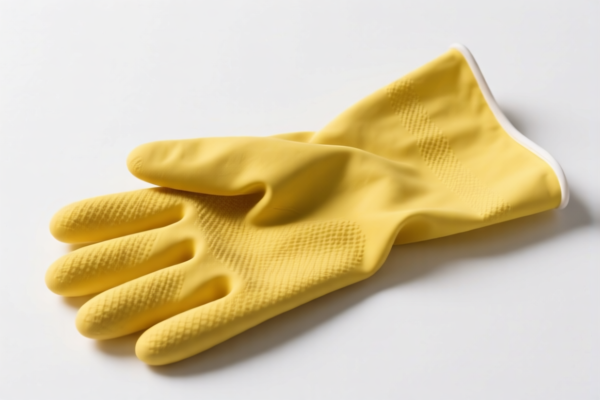
AI Analysis
🧤 Agricultural Planting Rubber Gloves
🌐 HS Code Reference & Customs Clearance Guide | 2026 Latest Tariff Analysis | Professional Strategy
📌 I. Product Definition: What Are "Agricultural Planting Rubber Gloves"?
In international trade, "Agricultural Planting Rubber Gloves" are protective handwear used in farming, gardening, and horticulture to shield hands from soil, chemicals, water, and thorns. Despite the common name, the material composition and manufacturing process determine the HS Code classification, which drastically impacts the tariff rate.
⚠️ Key Classification Logic:
- Vulcanized Rubber Garments: Classified under Chapter 40 (Rubber Articles) if made of hard/vulcanized rubber sheets.
- Knitted/Handmade Rubber Gloves: Classified under Chapter 61 (Articles of Apparel, Knitted or Crocheted) if the base is knitted fabric dipped in rubber.
- Plastic/Rubber Coated Gloves: Classified under Chapter 39 (Plastics) if the classification logic aligns with plastic articles.
📦 II. HS Code Classification Details (2026 Latest Tariff Data)
| HS Code | Product Description | Material/Structure | Classification Logic |
|---|---|---|---|
| 4015.19.51.00 | Rubber agricultural gloves | Vulcanized Rubber | Classified as "Clothing accessories of vulcanized rubber other than hard rubber" (Chapter 40). |
| 4015.19.11.50 | Rubber agricultural gloves | Rubber | Classified under "Vulcanized rubber clothing accessories" (Chapter 40), specific sub-heading for rubber apparel. |
| 6116.10.95.00 | Rubber agricultural gloves | Knitted Rubber Dipped | Classified as "Gloves impregnated, coated, covered or laminated with plastics or rubber", knitted or crocheted (Chapter 61). |
| 3926.20.40.50 | Rubber agricultural gloves | Rubber (Plastic Logic) | Classified under "Articles of plastics and articles of other materials of heading 3901 to 3914", treating rubber articles as plastics for classification purposes. |
| 6116.10.65.00 | Rubber agricultural gloves | Knitted/Coated | Classified as "Gloves impregnated, coated, covered or laminated with rubber", knitted or crocheted, specific to rubber coating characteristics. |
🔍 Critical Distinction:
- Chapter 40 (4015): Applies to gloves made from vulcanized rubber sheets/membranes (hard rubber or solid rubber construction).
- Chapter 61 (6116): Applies to gloves where a knitted fabric base is dipped or coated in rubber.
- Chapter 39 (3926): A less common but possible classification if local tariff rules interpret the rubber article as a "plastic article" or if the manufacturing process aligns with plastic molding.
💰 III. 2026 Tariff Rate Breakdown (Including Additional Taxes)
✅ Applicable Country: USA
✅ Origin: China (CN)
✅ Effective Date: 2025/2026
🎯 1. HS Code 4015.19.51.00 – Vulcanized Rubber Garments
| Item | Detail |
|---|---|
| Base Tariff | 14.0% |
| Section 301 Additional Tariff | +25.0% |
| Section 122 Tariff | +10.0% |
| Total Tariff Rate | 49.0% |
| Tax Calculation | CIF Value × 49% |
| De Minimis Exemption | ❌ Not Available |
| Legal Basis | USITC:4015.19.51.00 → Section 301: 25% → Section 122: 10% |
📌 Explanation:
- This is the highest tariff bracket (49%).
- Base Tariff (14%): Standard MFN rate for rubber clothing accessories.
- Section 301 (25%): Trade war tariff on Chinese rubber products.
- Section 122 (10%): Additional tariff under Section 122 of the Trade Expansion Act of 1962 (national security).
- Risk: High cost impact; consider alternative supply chains.
🎯 2. HS Code 4015.19.11.50 – Specific Rubber Apparel
| Item | Detail |
|---|---|
| Base Tariff | 3.0% |
| Section 301 Additional Tariff | +25.0% |
| Section 122 Tariff | +10.0% |
| Total Tariff Rate | 38.0% |
| Tax Calculation | CIF Value × 38% |
| De Minimis Exemption | ❌ Not Available |
| Legal Basis | USITC:4015.19.11.50 → Section 301: 25% → Section 122: 10% |
📌 Explanation:
- Lower Base Tariff (3%) due to specific sub-heading preference.
- However, Section 301 (25%) and Section 122 (10%) still apply.
- Savings: 11% less than4015.19.51.00, but still high.
🎯 3. HS Code 6116.10.95.00 – Knitted Rubber-Coated Gloves
| Item | Detail |
|---|---|
| Base Tariff | 7.0% |
| Section 301 Additional Tariff | +7.5% |
| Section 122 Tariff | +10.0% |
| Total Tariff Rate | 24.5% |
| Tax Calculation | CIF Value × 24.5% |
| De Minimis Exemption | ❌ Not Available |
| Legal Basis | USITC:6116.10.95.00 → Section 301: 7.5% → Section 122: 10% |
📌 Explanation:
- Significantly Lower Total Tariff (24.5%).
- Section 301 Rate Reduced: Only 7.5% instead of 25%.
- Key Advantage: Knitted gloves (Chapter 61) often face lower additional tariffs under Section 301 compared to solid rubber (Chapter 40).
🎯 4. HS Code 3926.20.40.50 – Plastic/Rubber Article (Plastic Logic)
| Item | Detail |
|---|---|
| Base Tariff | 6.5% |
| Section 301 Additional Tariff | 0.0% |
| Section 122 Tariff | +10.0% |
| Total Tariff Rate | 16.5% |
| Tax Calculation | CIF Value × 16.5% |
| De Minimis Exemption | ❌ Not Available |
| Legal Basis | USITC:3926.20.40.50 → Section 122: 10% |
📌 Explanation:
- Lowest Total Tariff (16.5%).
- No Section 301 Tariff (0%): This is a critical advantage if the goods qualify under this specific plastic/rubber logic.
- Risk: Classification risk. Must prove that the product aligns with plastic article classification logic rather than rubber clothing.
🎯 5. HS Code 6116.10.65.00 – Knitted Rubber-Coated Gloves (Specific)
| Item | Detail |
|---|---|
| Base Tariff | 7.0% |
| Section 301 Additional Tariff | +7.5% |
| Section 122 Tariff | +10.0% |
| Total Tariff Rate | 24.5% |
| Tax Calculation | CIF Value × 24.5% |
| De Minimis Exemption | ❌ Not Available |
| Legal Basis | USITC:6116.10.65.00 → Section 301: 7.5% → Section 122: 10% |
📌 Explanation:
- Same total rate as6116.10.95.00(24.5%).
- Specific sub-heading for rubber-coated knitted gloves.
🛠️ IV. Customs Clearance Practical Advice (Pitfall Avoidance)
✅ 1. Documentation Checklist (Essential)
| Document | Required | Notes |
|---|---|---|
| ✅ Product Specification | ✔️ | Must detail: Material (Rubber Type), Manufacturing Process (Knitted Dipped vs. Vulcanized Sheet), Usage (Agricultural). |
| ✅ Composition Analysis | ✔️ | Lab report proving % of rubber vs. fabric vs. plastic coating. |
| ✅ Photos | ✔️ | Clear images showing gloves’ structure (e.g., knitted inner layer visible). |
| ✅ Commercial Invoice | ✔️ | Describe as "Agricultural Rubber Gloves" with precise material description. |
| ✅ Packing List | ✔️ | Detail inner/outer packaging. |
✅ 2. Classification Strategy (Key Mnemonic)
🔥 "Knitted Dipped = 61 (Low Tax), Solid Vulcanized = 40 (High Tax), Plastic Logic = 39 (Best Tax but Risky)"
| Scenario | Recommended HS Code | Tariff Risk |
|---|---|---|
| Knitted fabric dipped in rubber | 6116.10.95.00 or 6116.10.65.00 |
Medium (24.5%) – Low Section 301. |
| Solid rubber sheet gloves | 4015.19.51.00 |
High (49%) – High Section 301. |
| Plastic-coated or ambiguous | 3926.20.40.50 |
Lowest (16.5%) – High Classification Risk. Must justify "Plastic" logic. |
✅ 3. Special Considerations
| Situation | Advice |
|---|---|
| OEM/Private Label | Ensure product matches specification sheet exactly. Custom designs may trigger manual classification. |
| Mixed Materials | If gloves have plastic handles or cotton liners, disclose fully. Misdeclaration leads to penalties. |
| Pre-Ruling Request | For high-volume imports, apply for an Advance Ruling from US CBP to lock in the HS Code (e.g., 3926.20.40.50) and avoid surprise audits. |
🌍 V. Global Market Comparison (2026)
| Market | Recommended HS Code | Est. Total Tariff (China Origin) | Notes |
|---|---|---|---|
| 🇺🇸 USA | 3926.20.40.50 |
16.5% | Best option if eligible. 6116 = 24.5%. 4015 = 38-49%. |
| 🇨🇳 China | 6116.10.95.00 |
~5-10% | Lower tariffs, no Section 301/122. |
| 🇪🇺 EU | 4015.19.90 |
0-4% | No additional punitive tariffs for rubber gloves. |
| 🇬🇧 UK | 4015.19.90 |
0-4% | Post-Brexit rules similar to EU. |
📌 Conclusion:
- USA Market: Classification is critical. Chapter 39 (16.5%) offers the best savings, but Chapter 61 (24.5%) is safer if gloves are knitted. Avoid Chapter 40 (38-49%) if possible.
- Evidence is Key: To classify as3926or6116, you must provide material composition reports and manufacturing process diagrams.
📌 VI. Common Mistakes & Pitfalls (Lessons Learned)
❌ Mistake 1: Calling all rubber gloves "Rubber Gloves" without specifying knitted vs. solid.
👉 Consequence: CBP may default to Chapter 40 (49%), leading to massive back taxes.
❌ Mistake 2: Assuming "Plastic" classification (3926) is always easier.
👉 Consequence: If gloves are truly rubber, CBP will reclassify to Chapter 40 or 61, imposing penalties for misdeclaration.
❌ Mistake 3: Ignoring Section 122 Tariff (10%).
👉 Consequence: Even if Section 301 is 0% or low, Section 122 still applies to most rubber/plastic articles from China.
🎯 VII. Conclusion: Strategic Classification for Cost Savings
🎯 Remember:
🔹 "Knitted = Chapter 61 (24.5%)"
🔹 "Solid Rubber = Chapter 40 (38-49%)"
🔹 "Plastic Logic = Chapter 39 (16.5%)" – Use with caution and strong evidence.
📌 Pro Tip:
For agricultural gloves, if the inner layer is knitted fabric, insist on Chapter 61 (
6116.10.95.00or6116.10.65.00) to enjoy the 7.5% Section 301 rate instead of 25%.
If the product can be argued as a plastic article, pursue Chapter 39 (3926.20.40.50) for the 0% Section 301 rate, but ensure legal defensibility.
📣 Immediate Action:
📞 Contact a Customs Broker: Provide product samples and material specs for a pre-import consultation.
📄 Apply for Advance Ruling: Lock in the most favorable HS Code (3926or6116) before shipment.
📊 Calculate Landed Cost: Factor in 16.5% vs. 24.5% vs. 49% tariffs into your pricing model.
✨ Professional Customs Clearance Starts with Accurate Classification!
💼 Save 30%+ on Tariffs by Choosing the Right HS Code!
Customer Reviews
About HS Code Classification
The Harmonized System (HS) is an internationally standardized nomenclature developed by the World Customs Organization (WCO) to classify traded products. Over 200 countries use the HS system as the basis for customs tariffs, trade statistics, and import/export regulations.
Each HS code follows a hierarchical structure:
- Chapter (2 digits) — Broad category of goods (e.g., Chapter 84: Machinery and Mechanical Appliances)
- Heading (4 digits) — More specific grouping within the chapter
- Subheading (6 digits) — Internationally standardized breakdown, used by all WCO member countries
- National subdivisions (8-10 digits) — Country-specific extensions for further classification, such as US HTSUS 10-digit codes
Correct HS code classification is essential for smooth customs clearance, accurate duty payment, and compliance with trade regulations. Misclassification can lead to customs delays, overpayment of duties, or penalties.
When importing from CN to US, the applicable tariff rates may include:
- Most-Favored-Nation (MFN) rate — The standard duty rate applied to WTO members
- General rate — Applied to countries without trade agreements
- Trade remedy duties — Additional tariffs such as Section 301 (anti-dumping), Section 232 (national security), or countervailing duties
The information provided on this page is for reference purposes only. For official classification, please consult with your local customs authority or a licensed customs broker.