Agricultural Plastic/Rubber Coated Four Finger Gloves
CN → US| HS Code | Tariff Rate | Origin | Destination | Doc |
|---|---|---|---|---|
| 4015191110 | 38.0% | CN | US | Official Doc |
| 3926201020 | 10.0% | CN | US | Official Doc |
| 4015191150 | 38.0% | CN | US | Official Doc |
| 3926204010 | 16.5% | CN | US | Official Doc |
| 4015191110 | 38.0% | CN | US | Official Doc |
Product Images
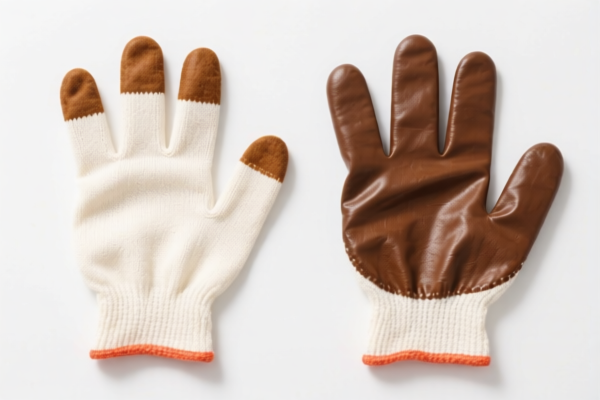
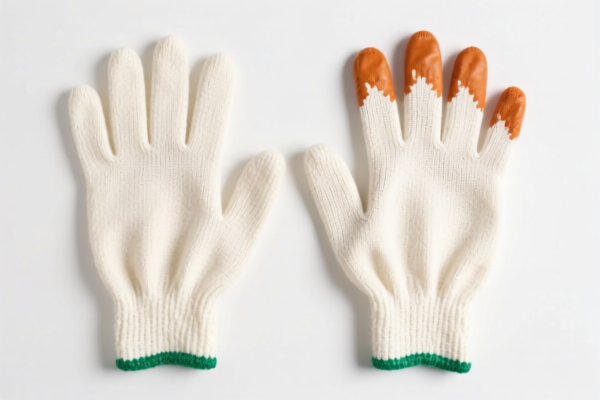

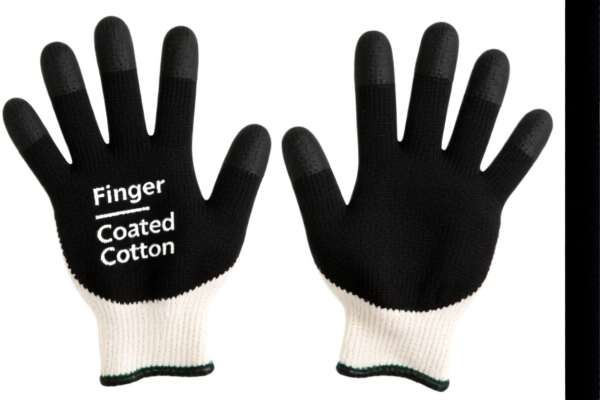
AI Analysis
🧤 Agricultural Plastic/Rubber Coated Four Finger Gloves
🌐 HS Code Reference & Customs Clearance Guide | 2026 Latest Tariff Analysis | Strategic Compliance Strategy
📌 Part I: Product Definition & Classification: Do You Really Understand "Coated Gloves"?
Agricultural gloves, specifically four-finger variants with plastic/rubber coatings, are specialized protective gear designed for farming, harvesting, and handling crops. In international trade, these products often spark classification disputes because they sit at the intersection of rubber products (Chapter 40) and plastic articles (Chapter 39).
The core distinction lies in the primary material composition and functional design:
- Rubber-Based Coated Gloves (Chapter 40): If the base material is textile but coated heavily with natural or synthetic rubber, and the rubber constitutes the essential character, it often falls under 4015. These are typically heavier, more durable, and associated with "vulcanized rubber" logic.
- Plastic-Based Disposable/Disposable-style Gloves (Chapter 39): If the product is lightweight, made primarily of PVC, PE, or nitrile (plastic polymers), and intended for single-use or light agricultural duty, it may be classified under 3926 (Plastic goods).
⚠️ Key Distinction Point:
- If the coating is thick rubber (vulcanized feel, durable) → Lean towards 4015.19.11.xx
- If the coating is thin plastic (PVC/PE, disposable/logic of consumption) → Lean towards 3926.20.xx.xx
📦 Part II: HS Code Classification Details (2026 Latest Tariff Authority Comparison)
Based on the provided data, here are the four potential HS Codes derived from the input product description ("Agricultural Plastic/Rubber Coated Four Finger Gloves"):
| HS Code | Product Summary & Logic | Primary Material Logic | Tax Rate |
|---|---|---|---|
4015.19.11.10 |
Rubber-Coated Agricultural Gloves Material: Coated plastic/rubber. Form: Four-finger gloves. Purpose: Agriculture. Logic: Fits vulcanized rubber category. |
Rubber Dominant (Vulcanized Rubber Logic) |
38.0% |
3926.20.10.20 |
Plastic Agricultural Gloves Material: Plastic/Rubber class. Form: Gloves. Purpose: Agriculture. Logic: Fits disposable/non-medical plastic glove logic. |
Plastic Dominant (Disposable Logic) |
10.0% |
4015.19.11.50 |
Other Coated Gloves (Rubber/Plastic) Material: Rubber/Plastic coated. Form: Four-finger gloves. Logic: Other category, no material conflict. |
Rubber/Plastic Blend (Other Rubber Category) |
38.0% |
3926.20.40.10 |
Disposable/Consumable Plastic Gloves Material: Plastic/Rubber. Form: Four-finger gloves. Purpose: Agriculture. Logic: Fits disposable/consumable category. |
Plastic Dominant (Consumable Logic) |
16.5% |
🔍 Critical Reminder:
-4015Codes are heavily taxed due to being classified under Rubber products, which face higher US tariffs (Section 301 + IEEPA).
-3926Codes are generally cheaper to import but require proof that the product is primarily plastic and fits the "disposable" or "consumable" logic.
- Four-Finger Design: This specific shape does not automatically change the tariff rate but confirms it is a "glove" and not a mitten or other handwear, keeping it within the4015.19or3926.20subheadings.
💰 Part III: 2026 Latest Tariff Rate Breakdown (Including Surtaxes & Policy Add-ons)
✅ Applicable Country: United States (US)
✅ Origin: China (CN)
✅ Effective Time: From Nov 10, 2025 (and subsequent imports)
🎯 1. 4015.19.11.10 & 4015.19.11.50 —— Rubber-Coated Agricultural Gloves
| Item | Content |
|---|---|
| Base Duty Rate | 3.0% (ad valorem) |
| Section 301 Surtax | +25.0% (USITC Footnote 9903.88.01) |
| IEEPA Surtax | +10.0% (Targeting China/HK products, effective Nov 10, 2025) |
| Total Effective Rate | 38.0% |
| Calculation Method | CIF Value × 38.0% |
| De Minimis Eligibility | ❌ Not Eligible (High duty rate exceeds threshold for 801.33 exemptions) |
| Legal Path | IEEPA:9903.01.25 → IEEPA:9903.01.24 → USITC:4015.19.11.xx → FOOTNOTE:9903.88.01 |
📌 Explanation:
- The 3.0% base rate applies to rubber gloves.
- The +25% Section 301 tariff is standard for most rubber/plastic goods from China.
- The +10% IEEPA tariff is the new layer added in late 2025, pushing the total to 38%.
- Cost Impact: For every $1,000 of gloves, you pay $380 in duties. This is a significant margin killer.
🎯 2. 3926.20.10.20 —— Plastic Disposable Agricultural Gloves
| Item | Content |
|---|---|
| Base Duty Rate | 0.0% |
| Section 301 Surtax | 0.0% |
| IEEPA Surtax | +10.0% |
| Total Effective Rate | 10.0% |
| Calculation Method | CIF Value × 10.0% |
| De Minimis Eligibility | ❌ Not Eligible (Due to IEEPA exclusion lists for China) |
| Legal Path | IEEPA:9901.25 → USITC:3926.20.10.20 |
📌 Note:
- This is the most tax-efficient option if your product can be legitimately classified as plastic-based.
- However, US Customs (CBP) is strict. If the glove is visibly thick rubber, CBP may reclassify it to 4015.
🎯 3. 3926.20.40.10 —— Disposable/Consumable Plastic Gloves
| Item | Content |
|---|---|
| Base Duty Rate | 6.5% |
| Section 301 Surtax | 0.0% |
| IEEPA Surtax | +10.0% |
| Total Effective Rate | 16.5% |
| Calculation Method | CIF Value × 16.5% |
| De Minimis Eligibility | ❌ Not Eligible |
| Legal Path | IEEPA:9901.25 → USITC:3926.20.40.10 |
📌 Note:
- A middle-ground option. It avoids the 25% Section 301 surtax but pays a higher base rate than3926.20.10.20.
- Use this if the product is clearly plastic but doesn't fit the "0% base" subheading criteria.
🛠️ Part IV: Customs Clearance Practical Advice (Real-World Pitfall Avoidance)
✅ 1. Documentation Checklist (Essential)
| Document | Required | Description |
|---|---|---|
| ✅ Product Specification Sheet | ✔️ | Must detail: Base material (Textile/Rubber/Plastic), Coating thickness (mm), Curing process (Vulcanized vs. Non-vulcanized). |
| ✅ Physical Samples | ✔️ | Provide 2 samples: One "Rubber-heavy" and one "Plastic-heavy" for CBP comparison if challenged. |
| ✅ Commercial Invoice | ✔️ | Description must be precise: "Agricultural Gloves, Rubber Coated, Four-Finger" OR "PVC Disposable Gloves, Agricultural Use". |
| ✅ Material Test Report | ✔️ | Third-party lab report confirming % composition of Rubber vs. Plastic. Crucial for 4015 vs. 3926 dispute. |
| ✅ HS Code Pre-Ruling Request | ✔️ | Strongly Recommended due to the 38% vs. 10% difference. |
✅ 2. Classification Strategy & Tips
🔥 "Rubber = 38%, Plastic = 10%. Prove it's Plastic!"
| Scenario | Recommended HS Code | Reasoning |
|---|---|---|
| Thick, smelly, durable coating | 4015.19.11.10 |
Characterized by Vulcanized Rubber. High duty is expected. |
| Thin, flexible, PVC/PE coating | 3926.20.10.20 |
Characterized by Disposable/Consumable nature. Lower duty. |
| Nitrile Coated (Non-Vulcanized) | 3926.20.40.10 or 10.20 |
Nitrile can be ambiguous. If it's a dip-coated glove without vulcanization, argue for Chapter 39. |
| Four-Finger Specific | 4015.19.11.xx |
The "Four-Finger" design doesn't exempt it from the 301 tariff if it's rubber. |
✅ 3. Special Situations
| Situation | Handling Advice |
|---|---|
| OEM Custom Gloves | Provide client order + design specs. If the client specifies "Nitrile Plastic Coating," use it as evidence for 3926. |
| Mixed Shipments | Do not mix 4015 and 3926 items in one BL without clear segregation. CBP will audit the whole shipment. |
| Small Quantity (<800 USD) | No De Minimis Exemption for China-origin goods under IEEPA. Even small packages are taxed at 10-38%. |
| Marketing as "Rubber Gloves" | If your marketing says "Rubber," CBP will assume 4015. Use "Plastic-Coated" or "Synthetic Polymer" in documentation if applicable. |
🌍 Part V: Global Market Comparison (2026 Latest)
| Country/Region | Recommended HS Code | Duty Rate (China Origin) | Certification Requirements | Notes |
|---|---|---|---|---|
| 🇺🇸 USA | 4015.19.11.xx or 3926.20.xx.xx |
10% - 38% | None specific for gloves | Highest Duty Risk. IEEPA 10% is mandatory. |
| 🇨🇳 China | 4015.19.11 or 3926.20 |
0% - 6.5% | None | Export duty is low; focus on import duty in US. |
| 🇪🇺 EU | 4015.11.00 or 3926.20 |
4.5% - 12% | CE (if PPE) | No 301-style surtaxes. Cheaper than US. |
| 🇬🇧 UK | 4015.11.00 or 3926.20 |
4.5% - 12% | UKCA (if PPE) | Post-Brexit rules apply. |
📌 Conclusion:
- The US is the most expensive market for these gloves due to the layered tariff structure (Base + 301 + IEEPA).
- EU/UK are significantly cheaper. If possible, consider routing through a non-China origin (e.g., Vietnam) for IEEPA exemption, though rules of origin are strict.
📌 Part VI: Common Errors & Pitfalls (Lessons Learned)
❌ Error 1: Classifying rubber-coated gloves as "Plastic Gloves" (3926) to save tax.
👉 Consequence: CBP reclassification → Back taxes + Penalties (2x duty amount) + Delayed Release.
❌ Error 2: Ignoring the IEEPA 10% tariff for small packages.
👉 Consequence: Package held at US Border → Confiscation or Return to Sender for packages under $800 (De Minimis exception revoked for China).
❌ Error 3: Vague Description: "Agricultural Gloves."
👉 Consequence: CBP cannot determine material → Holds for Inspection → 2-4 week delay.
❌ Error 4: Using "Vulcanized Rubber" on the label but claiming "Plastic" on the invoice.
👉 Consequence: Misdeclaration → Fraud Allegations → Seizure of goods.
✅ Correct Approach:
"Agricultural Work Gloves, Four-Finger Design, Rubber-Coated Palm & Cuff, Model AG-4F, Non-Medical."
OR
"Disposable Plastic-Coated Agricultural Gloves, PVC, Four-Finger, Model DG-4P."
🎯 Part VII: Conclusion: Professional Classification Saves Money!
🎯 Remember the Mantra:
🔹 "Rubber is 38%, Plastic is 10%. Prove the Material, Avoid the Fine!"
🔹 "Four-Finger Doesn't Lower Tax. IEEPA Hits Small Packages Hard."
📌 Pro Tip:
If you are importing more than 100 units, apply for a CBP Binding Ruling before shipment. It costs little but provides legal protection against retroactive duty increases.
If the gloves are Nitrile, argue for Chapter 39 (Plastic) if they are not vulcanized. This can save you 28% in duties (38% - 10%).
📣 Immediate Action:
📞 Contact your customs broker with the Material Test Report.
📄 Update Commercial Invoice to reflect exact material composition.
🚀 Ensure compliance to avoid costly delays at US ports.
✨ Professional Clearance Starts with Accurate Classification!
💼 Your Profit Margin Depends on the Last Digit of the HS Code!
Customer Reviews
About HS Code Classification
The Harmonized System (HS) is an internationally standardized nomenclature developed by the World Customs Organization (WCO) to classify traded products. Over 200 countries use the HS system as the basis for customs tariffs, trade statistics, and import/export regulations.
Each HS code follows a hierarchical structure:
- Chapter (2 digits) — Broad category of goods (e.g., Chapter 84: Machinery and Mechanical Appliances)
- Heading (4 digits) — More specific grouping within the chapter
- Subheading (6 digits) — Internationally standardized breakdown, used by all WCO member countries
- National subdivisions (8-10 digits) — Country-specific extensions for further classification, such as US HTSUS 10-digit codes
Correct HS code classification is essential for smooth customs clearance, accurate duty payment, and compliance with trade regulations. Misclassification can lead to customs delays, overpayment of duties, or penalties.
When importing from CN to US, the applicable tariff rates may include:
- Most-Favored-Nation (MFN) rate — The standard duty rate applied to WTO members
- General rate — Applied to countries without trade agreements
- Trade remedy duties — Additional tariffs such as Section 301 (anti-dumping), Section 232 (national security), or countervailing duties
The information provided on this page is for reference purposes only. For official classification, please consult with your local customs authority or a licensed customs broker.