Agricultural Textile Plastic Sheets
CN → US| HS Code | Tariff Rate | Origin | Destination | Doc |
|---|---|---|---|---|
| 3920992000 | 39.2% | CN | US | Official Doc |
| 3921901100 | 39.2% | CN | US | Official Doc |
| 5903102010 | 35.0% | CN | US | Official Doc |
| 5903102090 | 35.0% | CN | US | Official Doc |
Product Images
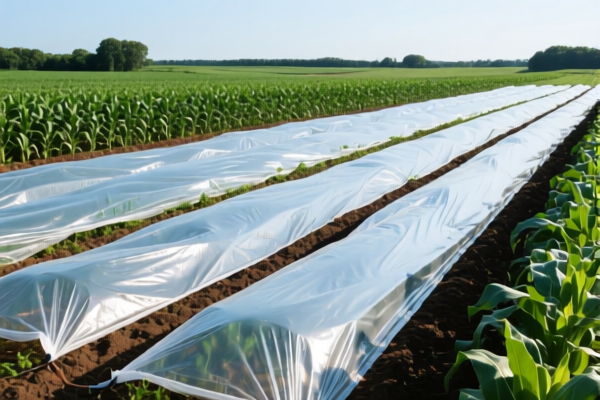
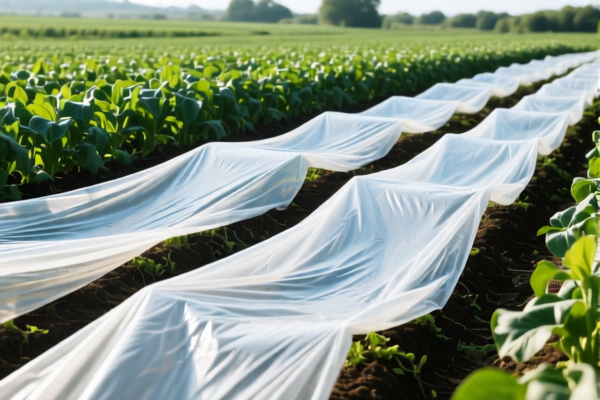
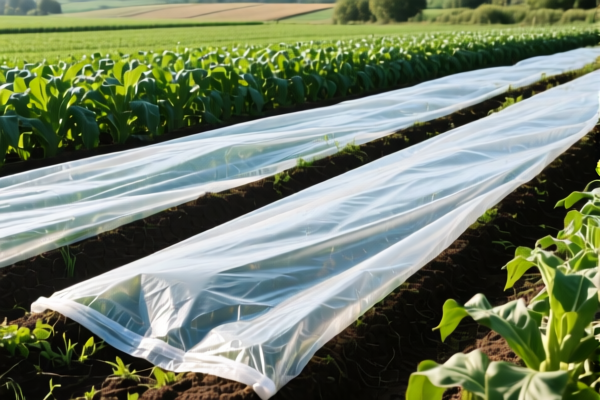
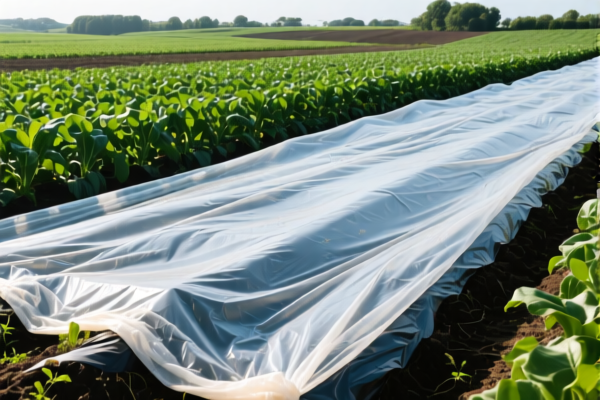
AI Analysis
🚜 Agricultural Textile Plastic Sheets (Agro-Film / Plastic-Textile Composites)
🌐 HS Code Reference & Customs Clearance Guide | 2026 Latest Tariff Analysis | Professional-Level Clearance Strategy
📌 I. Product Definition & Classification: What Exactly Are "Agricultural Textile Plastic Sheets"?
Agricultural Textile Plastic Sheets are composite materials used in modern agriculture for crop protection, weed control, soil warming, and moisture retention. In international trade, they are distinguished by their structural composition and primary material characteristics:
Plastic-Composite Textile Membranes (Plastic-Dominant): The base material is plastic, with textile fibers embedded or laminated for strength. The form is a "composite membrane."
Plastic-Coated/Composite Textiles (Textile-Dominant): The base material is textile fabric, coated or laminated with plastic to make it waterproof/agricultural grade. The form is "textile fabric."
⚠️ Key Distinction Point:
- If the product is primarily a plastic film reinforced with textile mesh → Classified under Chapter 39 (Plastics).
- If the product is primarily a textile fabric coated or laminated with plastic → Classified under Chapter 59 (Impregnated, Coated, Covered or Laminated Textile Fabrics).
📦 II. HS Code Classification Details (2026 Latest Tariff Authority Comparison)
| HS Code | Product Description | Applicable Scenario | Primary Material | Form Factor |
|---|---|---|---|---|
3920.99.20.00 |
Plastic composite textile membrane, agricultural covering, material is plastic, form is composite membrane. | Reinforced plastic mulch films, plastic-heavy agro-films. | ✅ Plastic | Composite Membrane |
3921.90.11.00 |
Plastic composite textile membrane, agricultural covering, material is plastic, form is sheet/film, composite textile meets combination characteristics with textile materials. | Similar to above but specifically noted for composite textile integration. | ✅ Plastic | Sheet/Film |
5903.10.20.10 |
Plastic composite textile membrane, agricultural covering, form is textile film, material contains plastic components, purpose is covering. | Plastic-coated agricultural textiles, primary structure is textile. | ✅ Textile (with plastic) | Textile Film |
5903.10.20.90 |
Plastic composite textile membrane, agricultural covering, form is textile film, material is plastic (in context of textile context), purpose is covering fabric. | Other plastic-covered textile fabrics not specified in 10. | ✅ Textile (with plastic) | Textile Fabric |
🔍 Important Reminder:
- Chapter 39 Codes are for products where the plastic component provides the primary structural integrity and barrier function (e.g., thick plastic films with reinforcing mesh).
- Chapter 59 Codes are for products where the textile component provides the structural strength and the plastic is primarily for waterproofing/wrapping (e.g., fabric mulch).
- Misclassification can lead to significant duty differences or customs delays.
💰 III. 2026 Latest Tariff Rate Breakdown (Including Surtaxes, Policy Add-ons)
✅ Applicable Country: United States (US)
✅ Origin: China (CN)
✅ Effective Date: November 10, 2025 (and subsequent imports)
🎯 1. 3920.99.20.00 & 3921.90.11.00 —— Plastic-Dominant Agricultural Films
| Item | Detail |
|---|---|
| Base Tariff Rate | 4.2% (ad valorem) |
| Section 301 Surcharge | +25.0% (USITC Footnote: Section 301 Tariff) |
| 122 Clause Surcharge | +10.0% (IEEPA/Section 122 related tariffs) |
| Total Tax Rate | 39.2% |
| Tax Calculation | CIF Value × 39.2% |
| De Minimis Eligibility | ❌ Not Eligible (deny_de_minimis) |
| Legal Basis Path | Section 301: 9903.88.01 → IEEPA: 9903.01.25 → USITC: 3920.99.20.00 |
📌 Explanation:
- The 4.2% is the standard Most Favored Nation (MFN) rate for plastic sheets.
- The 25% is the major Section 301 tariff targeting Chinese-made plastics and related goods.
- The 10% is an additional surcharge often associated with trade remedy measures or specific policy clauses (referred to as "122 Clause" in some contexts, likely referring to specific USITC or USTR determinations for agricultural inputs).
- Total 39.2% is a high-cost burden. Must be factored into landing cost immediately.
🎯 2. 5903.10.20.10 & 5903.10.20.90 —— Textile-Dominant Plastic-Coated Fabrics
| Item | Detail |
|---|---|
| Base Tariff Rate | 0.0% (ad valorem) |
| Section 301 Surcharge | +25.0% (USITC Footnote: Section 301 Tariff) |
| 122 Clause Surcharge | +10.0% (IEEPA/Section 122 related tariffs) |
| Total Tax Rate | 35.0% |
| Tax Calculation | CIF Value × 35.0% |
| De Minimis Eligibility | ❌ Not Eligible (deny_de_minimis) |
| Legal Basis Path | Section 301: 9903.88.01 → IEEPA: 9903.01.25 → USITC: 5903.10.20.10 |
📌 Explanation:
- The 0.0% base rate applies because many textile fabrics have zero MFN duties.
- However, the 25% + 10% surcharges still apply, resulting in a 35.0% total rate.
- Note: While slightly cheaper than the 39.2% plastic-code route, the 35.0% rate is still substantial. Correct classification is critical to ensure you are not paying extra for misclassified "plastic" goods when they qualify as "textile" goods, or vice versa.
🛠️ IV. Customs Clearance Practical Advice (Battle-Tested Pitfall Avoidance)
✅ 1. Required Documentation List (Non-Negotiable)
| Document | Mandatory? | Description |
|---|---|---|
| ✅ Product Specification Sheet | ✔️ | Must detail: Base material (Plastic % vs Textile %), thickness, width, usage (agricultural covering). |
| ✅ Material Composition Analysis | ✔️ | Laboratory report proving whether plastic or textile is the primary structural element. |
| ✅ Product Photos (Label & Cross-section) | ✔️ | Show layers: e.g., "Plastic outer layer with woven glass/textile mesh inside." |
| ✅ Commercial Invoice | ✔️ | Must clearly state: "Agricultural Textile Plastic Sheet for Crop Covering." Avoid vague terms like "Plastic Sheet." |
| ✅ Packing List | ✔️ | Detail roll dimensions and weights. |
| ✅ Certificate of Origin (CO) | ✔️ | Essential for origin verification (China-origin triggers surcharges). |
✅ 2. Declaration Tips (Key Mnemonics)
🔥 “Structure Determines Chapter, Material Dictates Duty!”
| Scenario | Correct Declaration | Wrong Approach | Consequence |
|---|---|---|---|
| Thick Plastic Film with Embedded Mesh | HS 3920.99.20.00 |
Label as "Fabric" | Risk: Customs may reclassify to Ch 39, but 39.2% vs 35% difference exists. Ensure description matches plastic-dominant nature. |
| Woven Fabric Coated with Plastic | HS 5903.10.20.10 |
Label as "Plastic Sheet" | Risk: Customs may reclassify to Ch 39, leading to higher duty (39.2% vs 35.0%) and potential penalties for misdeclaration. |
| Mixed Use (e.g., Greenhouse + Mulch) | Declare based on Primary Function | General "Agricultural Supply" | Risk: Vague descriptions cause clearance delays. |
✅ 3. Special Handling Cases
| Case | Handling Advice |
|---|---|
| New Agricultural Technology | If the product is a novel composite not clearly plastic or textile, request an Advance Ruling from CBP before shipment. |
| Re-Export | If importing into Mexico/Canada and re-exporting to US, consider USMCA benefits if origin criteria are met (though surcharges may still apply depending on final assembly). |
| Sample Imports | Even samples are subject to the same HS codes and tariffs if they meet the description. Do not declare as "Gifts" to avoid duty; it leads to audits. |
🌍 V. Global Market Comparison (2026 Latest)
| Country/Region | Recommended HS Code | Tariff Rate (China Origin) | Key Requirements | Notes |
|---|---|---|---|---|
| 🇺🇸 USA | 3920.99.20.00 or 5903.10.20.10 |
35.0% - 39.2% | Accurate material breakdown | High Surtax Zone: Section 301 + 122 Clause apply strictly. |
| 🇪🇺 EU | 3920 or 5903 |
~5-12% | REACH Compliance | No Section 301 surcharges. Standard MFN rates apply. |
| 🇨🇳 China (Import) | 3920 or 5903 |
~4-10% | CCC (if applicable) | Lower tariffs, but different classification nuances. |
| 🇬🇧 UK | 3920 or 5903 |
~5-10% | UKCA Marking | Post-Brexit tariffs are generally lower than US surcharges. |
📌 Conclusion:
- The USA is the highest-cost market for these goods due to Section 301 and additional policy surcharges.
- EU/UK markets are significantly more tariff-friendly (~5-12% vs 35-39%).
- Strategy: If targeting the US, optimize supply chain to reduce plastic content if possible, or ensure strict classification to avoid over-payment.
📌 VI. Common Errors & Pitfall Guide (Blood & Tears Lessons)
❌ Mistake 1: Calling "Plastic-Coated Fabric" a "Plastic Sheet"
👉 Result: Customs may apply 39.2% instead of 35.0%.
Loss: 4.2% of CIF value on large volumes = Huge Cost.
❌ Mistake 2: Calling "Plastic Reinforced Film" a "Fabric"
👉 Result: Customs may reject the textile classification if plastic is dominant, leading to reclassification to Ch 39 and penalties for misdeclaration.
❌ Mistake 3: Ignoring the "122 Clause" Surtax
👉 Result: Budgeting only for 25% tax, but landing cost hits 35-39%. Profit Margin Erosion.
❌ Mistake 4: Vague Description "Agro-Film"
👉 Result: CBP examines the goods, determines composition, and may delay shipment while assessing the correct HS code.
✅ Correct Action:
"Woven Polyethylene Agricultural Cover, Plastic-Coated Textile Base, 120gsm, UV-Stabilized, For Greenhouse Use, Model AG-123."
(Specificity prevents ambiguity and supports the correct Chapter 59 or 39 classification based on actual structure.)
🎯 VII. Conclusion: Precise Classification Saves Money!
🎯 Remember the Mantra:
🔹 "Plastic Base = Ch 39 (39.2%), Textile Base = Ch 59 (35.0%)."
🔹 "3% Difference x $1,000,000 Volume = $30,000 Savings!"
🔹 "Don't let vague descriptions lead to expensive customs re-assignments."
📌 Pro Tip:
If your product has a complex multi-layer structure, submit a Pre-Ruling Request to US CBP with detailed cross-section photos and material breakdowns. This provides legal certainty and avoids post-clearance audits.
📣 Immediate Action Plan:
📞 Consult a licensed customs broker.
📄 Provide exact material composition (e.g., "60% PE plastic, 40% Polyester weave").
🚀 Optimize your landed cost by choosing the correct HS Code today!
✨ Professional clearance starts with precise classification!
💼 Every percent of duty saved is profit earned!
Customer Reviews
About HS Code Classification
The Harmonized System (HS) is an internationally standardized nomenclature developed by the World Customs Organization (WCO) to classify traded products. Over 200 countries use the HS system as the basis for customs tariffs, trade statistics, and import/export regulations.
Each HS code follows a hierarchical structure:
- Chapter (2 digits) — Broad category of goods (e.g., Chapter 84: Machinery and Mechanical Appliances)
- Heading (4 digits) — More specific grouping within the chapter
- Subheading (6 digits) — Internationally standardized breakdown, used by all WCO member countries
- National subdivisions (8-10 digits) — Country-specific extensions for further classification, such as US HTSUS 10-digit codes
Correct HS code classification is essential for smooth customs clearance, accurate duty payment, and compliance with trade regulations. Misclassification can lead to customs delays, overpayment of duties, or penalties.
When importing from CN to US, the applicable tariff rates may include:
- Most-Favored-Nation (MFN) rate — The standard duty rate applied to WTO members
- General rate — Applied to countries without trade agreements
- Trade remedy duties — Additional tariffs such as Section 301 (anti-dumping), Section 232 (national security), or countervailing duties
The information provided on this page is for reference purposes only. For official classification, please consult with your local customs authority or a licensed customs broker.