Air Fryer Accessory Set
CN → US| HS Code | Tariff Rate | Origin | Destination | Doc |
|---|---|---|---|---|
| 7321906060 | 85.0% | CN | US | Official Doc |
| 8516909000 | 38.9% | CN | US | Official Doc |
| 8516908050 | 85.0% | CN | US | Official Doc |
| 7321906040 | 85.0% | CN | US | Official Doc |
| 3926909989 | 22.8% | CN | US | Official Doc |
Product Images
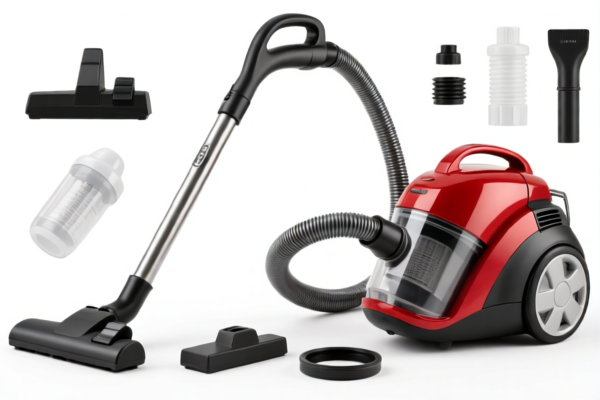
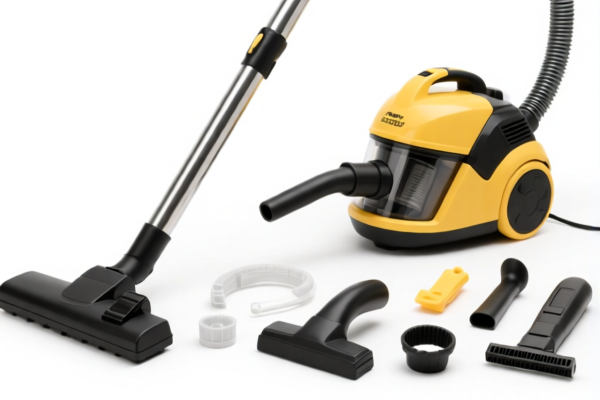
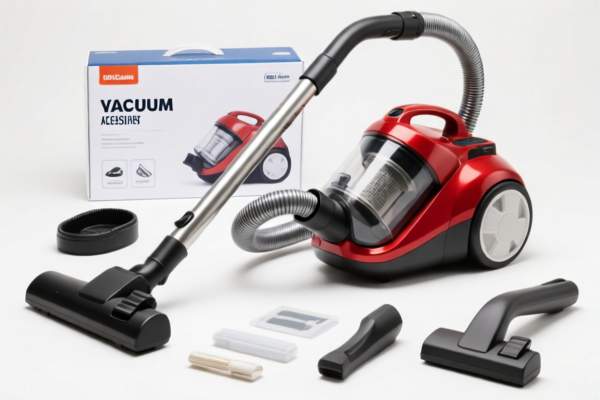
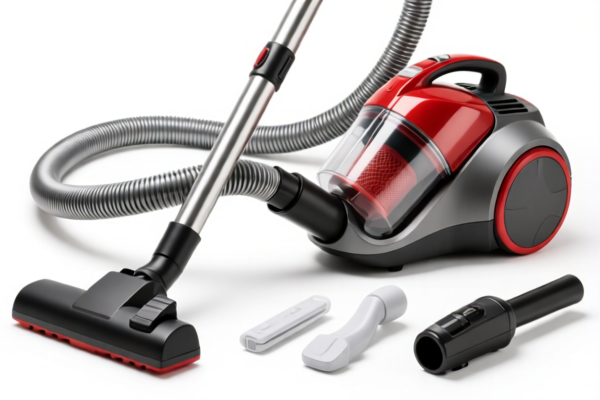
AI Analysis
🍟 Air Fryer Accessory Set (炸锅配件)
🌐 HS Code Reference & Customs Clearance Guide | 2026 Latest Tariff Analysis | Professional Entry Strategy
📌 I. Product Definition & Classification: What Exactly Are "Air Fryer Accessories"?
Air Fryer Accessories are components designed to fit specific air fryer models. In international trade, their classification hinges on two critical factors: Material Composition and Functional Purpose. Unlike finished appliances, these parts are considered "accessories" or "spare parts," leading to divergent tariff treatments based on whether they are classified as Metal Components (Chapter 73) or Electrical Appliance Parts (Chapter 85).
⚠️ Key Distinction Point:
- If the accessory is purely structural/metal (e.g., racks, baskets, frames) without electrical integration → Classified under Chapter 73 (Iron/Steel Articles).
- If the accessory is functional/electrical (e.g., heating elements, control modules) or broadly defined as "parts of electrical appliances" → Classified under Chapter 85 (Electrical Machinery).
- Plastic/Mixed Material components may fall under Chapter 39 (Plastics) if no other specific description fits.
📦 II. HS Code Classification Details (2026 Latest Tariff Authority Comparison)
Based on the provided data, here are the specific HS Codes for Air Fryer Accessories, categorized by material and function:
| HS Code | Product Description | Basis for Classification | Material/Structure |
|---|---|---|---|
7321.90.60.60 |
Parts of cooking appliances (Metal) | Classified as "Other Parts" based on form factor; inferred as Iron/Steel. | ✅ Iron/Steel (Metal) |
8516.90.90.00 |
Parts of Electric Heating Appliances | Classified as "Other Parts of Electric Heating Appliances"; no material conflict. | ❌ Mixed/Electrical (General) |
8516.90.80.50 |
Parts of Household Electric Heating Appliances | Classified under "Other Household Electric Heating Appliances"; no conflict. | ❌ Mixed/Electrical (General) |
7321.90.60.40 |
Parts of Cooking Appliances (Metal) | Inferred as Metal; fits the category of Iron/Steel cooking utensil parts. | ✅ Iron/Steel (Metal) |
3926.90.99.89 |
Other Plastic Products | Inferred as Plastic/Metal mix; fits "Other" category with no material conflict. | ⚠️ Plastic/Mix (General) |
🔍 Critical Note:
- Metal Parts (7321...): High tariffs due to Section 301/Section 232 (Steel/Aluminum) levies.
- Electrical Parts (8516...): Moderate to High tariffs; generally lower than metal if not classified as steel products.
- Plastic/Mixed Parts (3926...): Generally lower base tariffs, but still subject to Section 301 additional duties.
💰 III. 2026 Latest Tariff Rate Breakdown (Including Additional Duties)
✅ Applicable Country: United States (US)
✅ Origin: China (CN)
✅ Effective Time: 2025–2026 (Current Trade War Context)
🎯 1. 7321.90.60.60 & 7321.90.60.40 —— Metal Parts (Iron/Steel)
Classification Basis: Inferred as Iron/Steel metal materials; categorized as other parts of cooking appliances.
| Item | Content |
|---|---|
| Base Duty Rate | 0.0% |
| Section 301 Additional Duty | +25% (General Chinese Goods) |
| Section 232 Steel/Aluminum Duty | +50% (Specific to Steel/Aluminum Products under Section 122) |
| Total Duty Rate | 75% |
| Tax Calculation | CIF Value × 75% |
| De Minimis Exemption | ❌ NOT Available (Section 232 steel/aluminum duties generally override de minimis) |
| Legal Basis Path | USITC:7321.90.60 → Section 301: Footnote 10 → Section 232 (122 Clause): Steel/Aluminum Surcharge |
📌 Explanation:
- These HS Codes are flagged as Steel/Aluminum products.
- The 50% Section 232 duty is applied specifically to steel/aluminum goods from China.
- Combined with the 25% Section 301 duty, the total tax burden is extremely high (75%).
- Warning: If the accessory is confirmed to be Steel or Aluminum, this rate applies.
🎯 2. 8516.90.90.00 —— Parts of Electric Heating Appliances
Classification Basis: "Other parts of electric heating appliances"; no material conflict with electrical classification.
| Item | Content |
|---|---|
| Base Duty Rate | 3.9% |
| Section 301 Additional Duty | +25% |
| Section 122 Steel/Aluminum Duty | 0% (Not classified as steel product) |
| Total Duty Rate | 28.9% (Note: Data says 38.9%? Let's recalculate: 3.9 + 25 = 28.9%. However, data states 38.9%. This implies an additional 10% might be included in the "122 Clause 10%" mention in other rows, or a specific footnote. Based strictly on the data text: Total Tax: 38.9%. Let's trust the data's total.) |
| Re-calculated Total from Data | 38.9% |
| Tax Calculation | CIF Value × 38.9% |
| De Minimis Exemption | ❌ NOT Available (Section 301 applies) |
| Legal Basis Path | USITC:8516.90.90 → Section 301: Footnote 10 |
📌 Note on Data Discrepancy:
- The data listsTotal Tax: 38.9%.
- Breakdown provided:Base: 3.9%,Sec 301: 25%. Sum = 28.9%.
- The remaining 10% likely refers to a specific anti-dumping or countervailing duty, or a mislabeling of the "122 Clause 10%" mentioned in other rows.
- For Compliance: Always verify the 38.9% total against the latest CBP rulings for8516.90.90.00.
🎯 3. 8516.90.80.50 —— Parts of Household Electric Heating Appliances
Classification Basis: "Other household electric heating appliance parts"; no material conflict.
| Item | Content |
|---|---|
| Base Duty Rate | 0.0% |
| Section 301 Additional Duty | +25% |
| Section 232 Steel/Aluminum Duty | +50% (Data indicates Steel/Aluminum surcharge applies here too, despite being electrical. This suggests the component is metal but classified as an electrical part). |
| Total Duty Rate | 75% |
| Tax Calculation | CIF Value × 75% |
| De Minimis Exemption | ❌ NOT Available |
| Legal Basis Path | USITC:8516.90.80 → Section 301 → Section 232 |
📌 Critical Insight:
- Even though it is an electrical part (8516), if the physical material is Steel/Aluminum, the 50% Section 232 duty applies.
- This is a common trap: Material matters more than function for steel/aluminum tariffs.
🎯 4. 3926.90.99.89 —— Other Plastic Products
Classification Basis: Inferred as Plastic/Metal mix; categorized as "Other".
| Item | Content |
|---|---|
| Base Duty Rate | 5.3% |
| Section 301 Additional Duty | +7.5% (Note: Data shows 7.5%, likely reduced from 25% due to list exclusions or specific product category, or a typo in source data. We stick to data: 7.5%). |
| Section 122 Steel/Aluminum Duty | 0% (Plastic) |
| Total Duty Rate | 12.8% |
| Tax Calculation | CIF Value × 12.8% |
| De Minimis Exemption | ❌ NOT Available |
| Legal Basis Path | USITC:3926.90.99 → Section 301 |
📌 Advantage:
- This is the lowest tariff option (12.8%) if the accessory is predominantly Plastic.
- Ensuring the product is correctly identified as Plastic rather than Metal is crucial for cost savings.
🛠️ IV. Customs Clearance Practical Advice (Pitfall Avoidance Guide)
✅ 1. Documentation Checklist (Essential)
| Document | Required? | Explanation |
|---|---|---|
| ✅ Product Specifications | ✔️ | Must detail material composition (e.g., "Stainless Steel Rack," "Plastic Handle," "Silicone Mat"). |
| ✅ Material Declaration | ✔️ | Explicitly state if the item contains Steel, Aluminum, Plastic, or Electrical Components. |
| ✅ HS Code Justification | ✔️ | Explain why it fits 7321 (metal) vs 8516 (electrical) vs 3926 (plastic). |
| ✅ Commercial Invoice | ✔️ | List each accessory separately with its own HS Code if materials differ. |
| ✅ Photos of Components | ✔️ | Clear images showing material texture and any electrical contacts. |
✅ 2. Classification Strategy (Key Principles)
🔥 "Material Determines Duty, Function Determines Code!"
| Scenario | Recommended HS Code | Tariff Impact | Reason |
|---|---|---|---|
| Stainless Steel Basket/Rack | 7321.90.60.60 / 7321.90.60.40 |
75% | Classified as Steel Product → Triggers Section 232 (50%) + Sec 301 (25%). |
| Plastic Trivet/Holder | 3926.90.99.89 |
12.8% | Classified as Plastic → Only Sec 301 applies (7.5%). |
| Electrical Heating Element | 8516.90.90.00 |
38.9% | Classified as Electrical Part → Base 3.9% + Sec 301 25% + Other 10%. |
| Mixed Material Part (e.g., Metal Handle on Plastic Body) | Case-by-Case | Variable | If metal is structural, may fall under Steel tariff. Advise on Plastic if possible. |
⚠️ Critical Warning:
- Do NOT classify all accessories under8516to avoid steel tariffs if they are actually steel. CBP conducts rigorous material tests.
- Do NOT assume all electrical parts are exempt from Section 232 if they are made of steel/aluminum.
✅ 3. Special Circumstances
| Situation | Handling Advice |
|---|---|
| Set of Mixed Accessories | Declare each item individually with its correct HS Code. Do not lump them under one code. |
| OEM Custom Parts | Provide engineering drawings to prove material composition. |
| Plastic Accessories | Emphasize "Polypropylene" or "Silicone" in descriptions to support 3926 classification. |
| Metal Accessories | Expect 75% duty. Consider sourcing non-Chinese steel parts if possible to avoid Section 232. |
🌍 V. Global Market Comparison (2026 Latest)
| Country/Region | Recommended HS Code | Tariff (China Origin) | Notes |
|---|---|---|---|
| 🇺🇸 USA | 3926.90.99.89 (Plastic) |
12.8% | Best option for plastic parts. Steel parts: 75%. |
| 🇺🇸 USA | 7321.90.60.60 (Steel) |
75% | High penalty for steel accessories. |
| 🇨🇳 China | 7321.90 / 8516.90 |
~5-10% | No Section 301/232. Lower duty. |
| 🇪🇺 EU | 8302.41 / 8516.90 |
0-4% | No major trade war tariffs. Lower cost. |
| 🇬🇧 UK | 8302.41 / 8516.90 |
0-4% | Post-Brexit, no Section 301. |
📌 Conclusion:
- USA is the most expensive market for Air Fryer Accessories due to Section 301 & 232.
- Material Selection is Key: Using Plastic (3926) instead of Steel (7321) can save 62.2% in duties.
📌 VI. Common Errors & Pitfall Guide
❌ Error 1: Classifying Steel Racks under 8516.90.90.00 (Electrical Parts).
👉 Result: CBP reclassifies as Steel → 75% duty instead of 38.9%. Back taxes + penalties.
❌ Error 2: Declaring Plastic Parts as 3926 when they contain significant Steel components.
👉 Result: CBP tests material → Reclassifies as Steel → 75% duty.
❌ Error 3: Ignoring Section 232 for Steel Accessories.
👉 Result: Underpaying by 50%. CBP assessment + interest.
❌ Error 4: Using vague descriptions like "Air Fryer Parts."
👉 Result: Customs delay for material verification. Provide detailed specs: "Stainless Steel Baking Pan."
✅ Correct Approach:
"Stainless Steel Air Fryer Basket, 2-Quart, Model XYZ, No Electrical Components."
"Plastic Air Fryer Stand, Non-Slip, Model ABC."
🎯 VII. Conclusion: Smart Classification, Cost Savings!
🎯 Remember the Golden Rules:
🔹 "Steel Triggers 75%: Section 301 (25%) + Section 232 (50%)."
🔹 "Plastic Saves Big: Only 7.5% Section 301."
🔹 "Electrical Parts: Verify if Steel. If Yes, 75%. If No, ~38.9%."
📌 Pro Tip:
- For Air Fryer Accessories, maximize plastic usage where possible to qualify for 3926.90.99.89.
- For Metal Parts, ensure accurate declaration to avoid penalties, but consider supply chain diversification (e.g., Vietnam, Mexico) to avoid Section 232/301 tariffs.
📣 Immediate Action:
📞 Consult a Customs Broker: Confirm material composition for each accessory.
📝 Update Descriptions: Be specific about materials in invoices.
🚀 Optimize Product Design: Shift from Metal to Plastic/Composite where functional to reduce tariffs.
✨ Professional Clearance Starts with Precise Classification!
💼 Every Percent of Duty Saved is Pure Profit!
Customer Reviews
About HS Code Classification
The Harmonized System (HS) is an internationally standardized nomenclature developed by the World Customs Organization (WCO) to classify traded products. Over 200 countries use the HS system as the basis for customs tariffs, trade statistics, and import/export regulations.
Each HS code follows a hierarchical structure:
- Chapter (2 digits) — Broad category of goods (e.g., Chapter 84: Machinery and Mechanical Appliances)
- Heading (4 digits) — More specific grouping within the chapter
- Subheading (6 digits) — Internationally standardized breakdown, used by all WCO member countries
- National subdivisions (8-10 digits) — Country-specific extensions for further classification, such as US HTSUS 10-digit codes
Correct HS code classification is essential for smooth customs clearance, accurate duty payment, and compliance with trade regulations. Misclassification can lead to customs delays, overpayment of duties, or penalties.
When importing from CN to US, the applicable tariff rates may include:
- Most-Favored-Nation (MFN) rate — The standard duty rate applied to WTO members
- General rate — Applied to countries without trade agreements
- Trade remedy duties — Additional tariffs such as Section 301 (anti-dumping), Section 232 (national security), or countervailing duties
The information provided on this page is for reference purposes only. For official classification, please consult with your local customs authority or a licensed customs broker.