Air Fryer Splash Guard
CN → US| HS Code | Tariff Rate | Origin | Destination | Doc |
|---|---|---|---|---|
| 3924905650 | 20.9% | CN | US | Official Doc |
| 3924104000 | 13.4% | CN | US | Official Doc |
| 7615107125 | 63.1% | CN | US | Official Doc |
| 7323997000 | 65.3% | CN | US | Official Doc |
| 7323999030 | 88.4% | CN | US | Official Doc |
Product Images
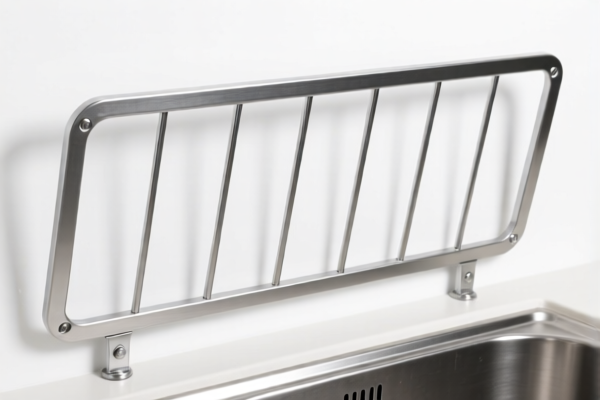
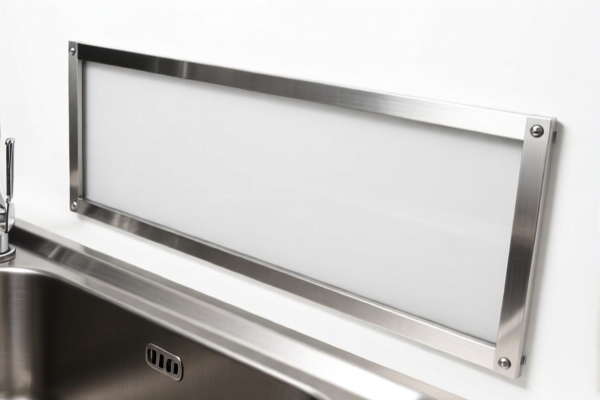
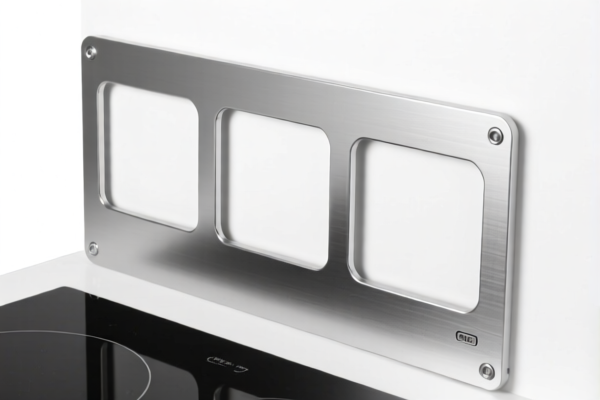
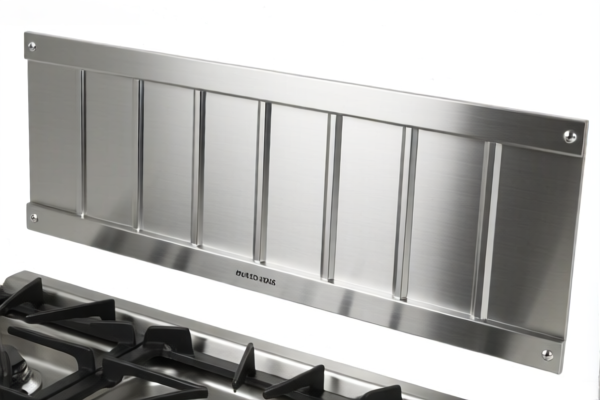
AI Analysis
🍳 Air Fryer Splash Guard (Plastic, Aluminum, Stainless Steel)
🌐 HS Code Reference & Customs Clearance Guide | 2026 Latest Tariff Analysis | Professional Clearance Strategy
📌 I. Product Definition & Classification: What Exactly is a "Splash Guard"?
An Air Fryer Splash Guard is a kitchen accessory designed to prevent oil splatter and food debris from sticking to the internal walls of an air fryer basket or drawer during the cooking process. It is typically made of heat-resistant plastic, aluminum, or stainless steel.
In international trade, the classification depends heavily on the material composition:
Plastic Splash Guards: Classified under Chapter 39 (Plastics). They are often categorized based on their specific function—either as general kitchenware (cutlery/tableware) or as specialized accessories/parts for household appliances. Metal Splash Guards: Classified under Chapters 73 (Iron/Steel) or 76 (Aluminum). These are treated as "other cooking or kitchenware utensils."
⚠️ Key Distinction Point: - If made of Plastic, the dispute lies between "accessories" (Ch 39.24.90) and "tableware/kitchenware" (Ch 39.24.10). - If made of Metal, the tariff burden is significantly higher due to Section 232 tariffs on steel/aluminum, plus Section 301 tariffs.
📦 II. HS Code Classification Details (2026 Latest Tariff Authority对照)
Based on the provided data, here are the precise classifications for Air Fryer Splash Guards:
| HS Code | Product Description | Material & Category | Applicable Scenario |
|---|---|---|---|
3924.90.56.50 |
Plastic Splash Guard | Plastic / Kitchen Accessory / Home Goods | Generic plastic guards, often sold as accessories for air fryers or stovetops. |
3924.10.40.00 |
Plastic Splash Guard | Plastic / Other Tableware, Cookware, or Household Articles | Plastic guards classified specifically as "tableware" or "cookware accessories." |
7615.10.71.25 |
Aluminum Splash Guard | Aluminum / Other Cooking & Kitchen Utensils | Lightweight, heat-conductive aluminum guards. |
7323.99.70.00 |
Iron/Steel Splash Guard | Iron/Steel / Other Kitchenware & Parts | Stainless steel or carbon steel guards, categorized as general kitchen accessories. |
7323.99.90.30 |
Iron/Steel Splash Guard | Iron/Steel / Iron Kitchenware | Specific steel kitchenware items, potentially with different duty nuances than 7323.99.70.00. |
🔍 Key Insight: - Plastic items face relatively low tariffs (13.4% – 20.9%). - Metal items (Steel/Aluminum) face extremely high tariffs (63.1% – 88.4%) due to the combination of Section 232 (Steel/Aluminum) and Section 301 (China) tariffs.
💰 III. 2026 Latest Tariff Rate Breakdown (Including Surtaxes)
✅ Applicable Country: United States (US)
✅ Origin: China (CN)
✅ Effective Date: Current rates apply as per the provided data.
🎯 1. 3924.90.56.50 — Plastic Splash Guard (Kitchen Accessory)
| Item | Details |
|---|---|
| Base Duty Rate | 3.4% (Standard MFN rate) |
| Section 301 Surcharge | 7.5% (Additional tariffs on Chinese goods) |
| Section 122 Tariff | 10% (Specific tariff provision) |
| Total Tariff Rate | 20.9% |
| Calculation | CIF Value × 20.9% |
| De Minimis Eligibility | ❌ No (Generally, goods under $800 may be exempt, but commercial shipments are not. Note: Check current de minimis rules for potential changes). |
| Legal Basis Path | HTSUS:3924.90.56.50 → USITC Footnotes → Trade Remedy Tariffs |
📌 Explanation: - The 3.4% is the standard duty for plastic household articles. - The 7.5% is the Section 301 additional duty applicable to many plastic goods from China. - The 10% Section 122 tariff is a specific safeguard measure, adding significant cost.
🎯 2. 3924.10.40.00 — Plastic Splash Guard (Tableware/Cookware)
| Item | Details |
|---|---|
| Base Duty Rate | 3.4% |
| Section 301 Surcharge | 0.0% (Exempt or lower bracket in this specific subheading) |
| Section 122 Tariff | 10% |
| Total Tariff Rate | 13.4% |
| Calculation | CIF Value × 13.4% |
| De Minimis Eligibility | ❌ No (Commercial shipment) |
| Legal Basis Path | HTSUS:3924.10.40.00 → Trade Remedy Tariffs |
📌 Critical Advantage: - This code has a 0% Section 301 surcharge, making it the most cost-effective option for plastic guards if the product fits the "tableware/cookware" definition. - Total Tax: 13.4% vs. 20.9% for
3924.90.56.50.
🎯 3. 7615.10.71.25 — Aluminum Splash Guard
| Item | Details |
|---|---|
| Base Duty Rate | 3.1% |
| Section 301 Surcharge | 0.0% |
| Section 122 Tariff | 10% |
| Section 232 (Steel/Aluminum) Surcharge | 50% |
| Total Tariff Rate | 63.1% |
| Calculation | CIF Value × 63.1% |
| De Minimis Eligibility | ❌ No |
| Legal Basis Path | HTSUS:7615.10.71.25 → USITC Footnote 9903.05 (Steel/Aluminum) |
📌 Warning: - The 50% Section 232 tariff is the dominant cost driver. Aluminum is heavily scrutinized. - Even with a low base rate, the total tax exceeds 60%.
🎯 4. 7323.99.70.00 — Iron/Steel Splash Guard (Kitchen Accessories)
| Item | Details |
|---|---|
| Base Duty Rate | 5.3% |
| Section 301 Surcharge | 0.0% |
| Section 122 Tariff | 10% |
| Section 232 (Steel/Aluminum) Surcharge | 50% |
| Total Tariff Rate | 65.3% |
| Calculation | CIF Value × 65.3% |
| De Minimis Eligibility | ❌ No |
| Legal Basis Path | HTSUS:7323.99.70.00 → USITC Footnote 9903.04 (Steel) |
📌 Analysis: - Steel products face the same 50% Section 232 tariff as aluminum. - The base duty is slightly higher than aluminum (5.3% vs 3.1%), but the surcharge structure is identical.
🎯 5. 7323.99.90.30 — Iron/Steel Splash Guard (Iron Kitchenware)
| Item | Details |
|---|---|
| Base Duty Rate | 3.4% |
| Section 301 Surcharge | 25.0% (Higher Section 301 bracket for this specific subheading) |
| Section 122 Tariff | 10% |
| Section 232 (Steel/Aluminum) Surcharge | 50% |
| Total Tariff Rate | 88.4% |
| Calculation | CIF Value × 88.4% |
| De Minimis Eligibility | ❌ No |
| Legal Basis Path | HTSUS:7323.99.90.30 → USITC Footnote 9903.04 + Section 301 |
📌 Highest Risk: - This is the most expensive classification. - It suffers from both the 50% Section 232 tariff and a higher 25% Section 301 tariff (compared to 0% in the other steel codes). - Avoid this code if possible.
🛠️ IV. Customs Clearance Practical Advice (Pitfall Avoidance Guide)
✅ 1. Preparation Checklist (Mandatory)
| Document | Required? | Explanation |
|---|---|---|
| ✅ Product Specifications | ✔️ | Material composition (Plastic vs. Metal), heat resistance rating. |
| ✅ Composition Breakdown | ✔️ | If plastic, is it 100% PP/Silicone? If metal, is it pure Al or Stainless Steel? |
| ✅ Product Photos | ✔️ | Clear images showing usage (attached to air fryer) to justify "accessory" vs. "standalone utensil." |
| ✅ Commercial Invoice | ✔️ | Must clearly state "Air Fryer Splash Guard" and material. Avoid vague terms like "Kitchen Part." |
| ✅ Material Certificate | ✔️ | For metal items, prove alloy composition to avoid misclassification under different steel grades. |
✅ 2. Classification Strategy (Key Mnemonics)
🔥 "Plastic is Cheap, Metal is Heavy, Choose Code 3924.10!"
| Scenario | Recommended HS Code | Total Tax | Reason |
|---|---|---|---|
| Best Case (Plastic) | 3924.10.40.00 |
13.4% | No Section 301 surcharge, only Base + Sec 122. |
| Alternative (Plastic) | 3924.90.56.50 |
20.9% | Higher Sec 301 surcharge (7.5%). |
| Avoid (Steel) | 7323.99.70.00 |
65.3% | 50% Sec 232 + 10% Sec 122. |
| Avoid (Aluminum) | 7615.10.71.25 |
63.1% | 50% Sec 232 + 10% Sec 122. |
| Critical Avoid (Steel) | 7323.99.90.30 |
88.4% | 50% Sec 232 + 25% Sec 301 + 10% Sec 122. |
📌 Advice: - If your product is Plastic, always argue for
3924.10.40.00(Tableware/Cookware) to save the 7.5% Section 301 tariff. - If your product is Metal, consider if the cost penalty (63-88%) makes it commercially viable. Look for supply chain alternatives (e.g., sourcing from non-China origins if eligible for Section 232 exclusions, though rare).
✅ 3. Special Case Handling
| Situation | Handling Advice |
|---|---|
| Composite Materials (e.g., Plastic handle + Metal body) | Declare the essential character material. If metal body is dominant, it likely falls under Ch 73/76. If plastic is dominant, Ch 39. Document carefully. |
| Set with Air Fryer | If sold as a set, the air fryer (usually 8516) may dictate the classification, but accessories are often separated. Check if the guard is essential for the appliance's function. |
| Silicone Guards | Ensure HS Code reflects Silicone (often Ch 39 or Ch 40 depending on specific formulation). Data provided assumes standard plastic (PP/PE). |
🌍 V. Global Market Clearance Comparison (2026 Latest)
| Country/Region | Recommended HS Code | Tariff (China Origin) | Key Certification | Notes |
|---|---|---|---|---|
| 🇺🇸 USA | 3924.10.40.00 (Plastic) |
13.4% | FDA, BPA-Free | Lowest duty for plastic. Avoid Steel codes (63%+). |
| 🇺🇸 USA | 7323.99.70.00 (Steel) |
65.3% | None specific | High duty due to Sec 232/301. |
| 🇪🇺 EU | 3924.10.40.00 |
4.2% | LFGB, Food Contact | No Sec 301/232. Standard EU duty. |
| 🇬🇧 UK | 3924.10.40.00 |
4.2% | UKCA, Food Contact | Post-Brexit alignment with EU. |
| 🇨🇦 Canada | 3924.10.40.00 |
5.0% | CFIA, Food Safe | No Section 301. Competitive. |
📌 Conclusion: - USA is the most challenging market for metal kitchenware due to Section 232/301. - Plastic guards are highly competitive in the US if classified under
3924.10.40.00. - Europe/Canada/UK offer much lower barriers for both plastic and metal guards.
📌 VI. Common Mistakes & Pitfalls (Blood & Tears Lessons)
❌ Mistake 1: Classifying Plastic Guards under 3924.90.56.50 instead of 3924.10.40.00
👉 Consequence: Pay 20.9% instead of 13.4%. Loss: 7.5% of CIF value.
✅ Fix: Argue that the item is "Tableware/Cookware" (Ch 39.24.10) because it is used directly with food preparation utensils.
❌ Mistake 2: Classifying Steel Guards under general 7323.99 without checking for Section 232
👉 Consequence: Unexpected 50% surcharge. Total duty jumps from ~5% to ~65%.
✅ Fix: Always verify if the HS Code triggers USITC Footnote 9903.04 (Steel) or 9903.05 (Aluminum).
❌ Mistake 3: Using vague descriptions like "Kitchen Tool" 👉 Consequence: Customs may reclassify to a higher duty code or detain shipment for inspection. ✅ Fix: Use precise description: "Plastic Air Fryer Liner/Splash Guard, Heat Resistant PP, for Home Kitchen Use."
🎯 VII. Conclusion: Professional Declaration, Save Costs!
🎯 Remember the Mnemonic:
🔹 "Plastic 3924.10, Tax 13.4%. Plastic 3924.90, Tax 20.9%. Steel/Al, Tax 63%+. Avoid 7323.99.90.30 at all costs (88.4%)!"
📌 Pro Tip: - If you are importing Metal Splash Guards, calculate the landed cost carefully. A 65% tariff can wipe out margins. - For Plastic, ensure your supplier provides a Material Safety Data Sheet (MSDS) and FDA compliance to facilitate smooth US customs clearance.
📣 Immediate Action:
📞 Consult with a licensed customs broker to confirm the essential character of your product. 🚀 Optimize for
3924.10.40.00if plastic, to save 7.5% in tariffs.
✨ Professional Clearance Starts with Precise Classification! 💼 Every percentage point matters in your profit margin!
Customer Reviews
About HS Code Classification
The Harmonized System (HS) is an internationally standardized nomenclature developed by the World Customs Organization (WCO) to classify traded products. Over 200 countries use the HS system as the basis for customs tariffs, trade statistics, and import/export regulations.
Each HS code follows a hierarchical structure:
- Chapter (2 digits) — Broad category of goods (e.g., Chapter 84: Machinery and Mechanical Appliances)
- Heading (4 digits) — More specific grouping within the chapter
- Subheading (6 digits) — Internationally standardized breakdown, used by all WCO member countries
- National subdivisions (8-10 digits) — Country-specific extensions for further classification, such as US HTSUS 10-digit codes
Correct HS code classification is essential for smooth customs clearance, accurate duty payment, and compliance with trade regulations. Misclassification can lead to customs delays, overpayment of duties, or penalties.
When importing from CN to US, the applicable tariff rates may include:
- Most-Favored-Nation (MFN) rate — The standard duty rate applied to WTO members
- General rate — Applied to countries without trade agreements
- Trade remedy duties — Additional tariffs such as Section 301 (anti-dumping), Section 232 (national security), or countervailing duties
The information provided on this page is for reference purposes only. For official classification, please consult with your local customs authority or a licensed customs broker.