Air Outlet Duct
CN → US| HS Code | Tariff Rate | Origin | Destination | Doc |
|---|---|---|---|---|
| 3926909987 | 22.8% | CN | US | Official Doc |
| 3926909989 | 22.8% | CN | US | Official Doc |
Product Images
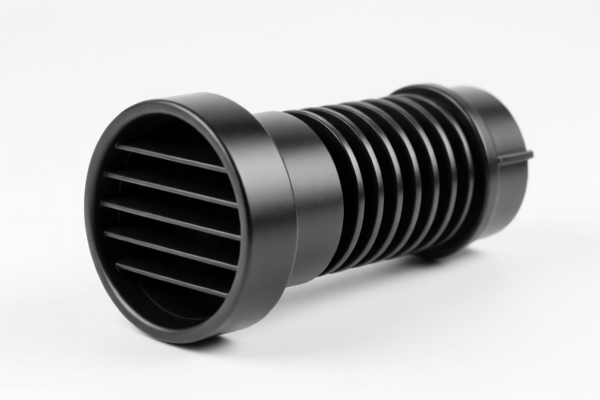
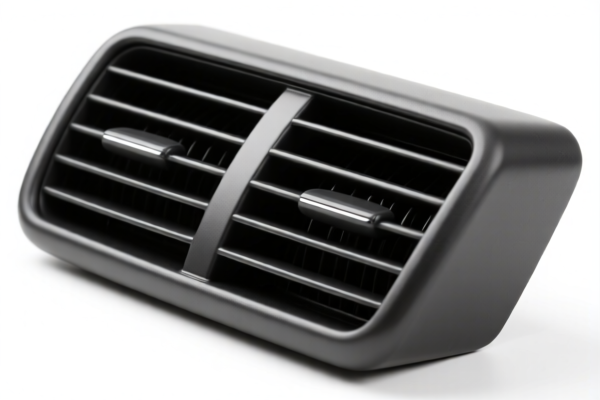
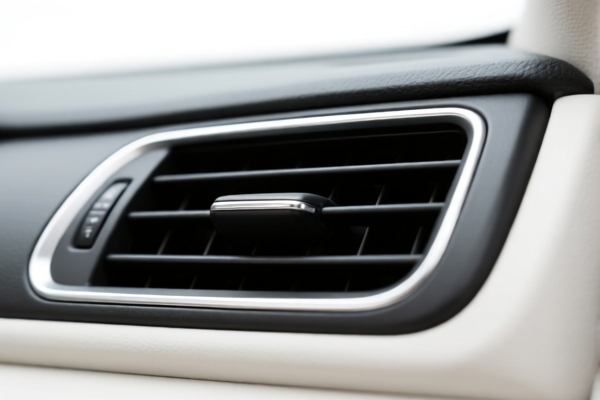
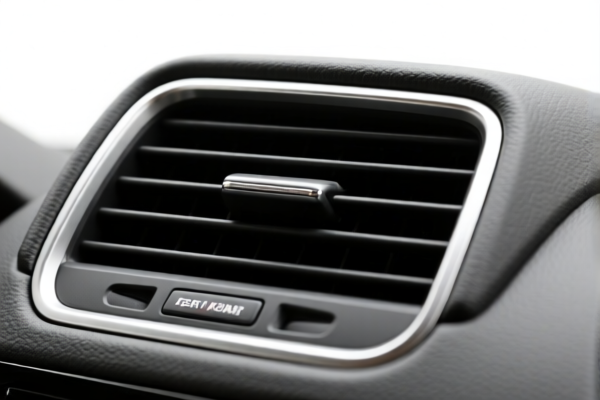
AI Analysis
🌬️ Air Outlet Ducts (Plastic Electrical Conduits)
🌐 HS Code Reference & Customs Clearance Guide | 2026 Latest Tariff Analysis | Professional Clearance Strategy
📌 I. Product Definition & Classification: Are You Identifying These "Ducts" Correctly?
In international trade, the term "Air Outlet Duct" can be ambiguous. However, based on the specific technical description "Rigid tubes or pipes suitable for use as electrical conduit", this product is classified under Chapter 39 (Plastics and Articles Thereof).
⚠️ Critical Distinction:
- If the product is a rigid plastic tube/pipe designed to protect electrical wires/cables, it is classified as an article of plastics (Heading 3926).
- It is NOT classified as "Parts of Air Conditioning Units" (Heading 84.15) if its primary function is electrical conduit protection.
- The term "Air Outlet Duct" may be a commercial misnomer; the technical function ("Electrical Conduit") dictates the HS Code.
📦 II. HS Code Classification Details (2026 Latest Tariff Authority Comparison)
Based on the provided data, the product falls under Heading 3926: Other articles of plastics and articles of other materials of headings 3901 to 3914.
| HS Code | Product Description | Application Scenario | Key Feature |
|---|---|---|---|
3926.90.99.87 |
Other articles of plastics: Other: Other Rigid tubes or pipes suitable for use as electrical conduit | Rigid plastic electrical conduits, cable management systems, industrial wiring protection | ✅ Specific Purpose: Rigid tube/pipe for electrical conduit |
3926.90.99.89 |
Other articles of plastics: Other: Other | General plastic articles not meeting the specific "rigid tube for electrical conduit" definition | ❌ Generic Category |
🔍 Key Reminder:
- The distinction between.87and.89lies in the specificity of the form and function.
- If the product is explicitly a rigid tube or pipe intended for electrical conduit use, it must be classified under3926.90.99.87.
- If it is a plastic article that does not fit the strict definition of a "rigid tube/pipe for electrical conduit" (e.g., a flexible hose, a complex fitting, or a decorative cover), it may fall under the residual category3926.90.99.89.
- Best Practice: For clear "rigid electrical conduit" products, use.87to ensure accurate classification and potentially clearer customs inspection criteria.
💰 III. 2026 Latest Tariff Rate Details (Including Additional Taxes)
✅ Applicable Country: United States (US)
✅ Origin: China (CN)
✅ Effective Date: Current rates as per provided data
🎯 1. 3926.90.99.87 —— Rigid Plastic Electrical Conduits
| Item | Content |
|---|---|
| Base Tariff | 5.3% (Ad Valorem) |
| Additional Tariff (Section 301/China) | 7.5% (Ad Valorem) |
| Total Tax Rate | 12.8% |
| Tax Calculation | CIF Value × 12.8% |
| De Minimis Exemption? | ❌ No (De minimis threshold typically does not apply to Chinese-origin goods subject to Section 301 duties) |
| Legal Basis Path | HTSUS 3926.90.99.87 → USITC Footnote (Section 301) → Additional 7.5% |
📌 Explanation:
- The 5.3% base tariff is the standard Most Favored Nation (MFN) rate for general plastic articles.
- The 7.5% additional tariff is the Section 301 surcharge applicable to goods originating from China.
- Total Duty = 12.8%. This is a significant cost factor that must be included in your landed cost calculation.
🎯 2. 3926.90.99.89 —— Other Plastic Articles
| Item | Content |
|---|---|
| Base Tariff | 5.3% (Ad Valorem) |
| Additional Tariff (Section 301/China) | 7.5% (Ad Valorem) |
| Total Tax Rate | 12.8% |
| Tax Calculation | CIF Value × 12.8% |
| De Minimis Exemption? | ❌ No |
| Legal Basis Path | HTSUS 3926.90.99.89 → USITC Footnote (Section 301) → Additional 7.5% |
📌 Note:
- The tariff rate is identical to.87because both fall under the same general heading (3926) and are subject to the same Section 301 additional duties.
- However, using the correct code (.87) reduces the risk of customs delays due to classification disputes.
🛠️ IV. Customs Clearance Practical Advice (实战避坑指南)
✅ 1. Required Documentation Checklist (Must-Have)
| Document | Required | Description |
|---|---|---|
| ✅ Product Specifications | ✔️ | Detailed description: Material (e.g., PVC, HDPE), Diameter, Wall Thickness, Rigidity, Intended Use (Electrical Conduit) |
| ✅ Technical Drawings/Photos | ✔️ | Clear images showing the rigid nature of the tube/pipe and any fittings |
| ✅ Commercial Invoice | ✔️ | Must clearly state "Rigid Plastic Tubes/Pipes for Electrical Conduit", not just "Air Outlet Duct" |
| ✅ Packing List | ✔️ | Quantity, weight, dimensions |
| ✅ Country of Origin Certificate | ✔️ | Proof of Chinese origin (if applicable) |
✅ 2. Declaration Tips (Key Mnemonics)
🔥 “Function Defines Code, Rigidity is Key, Conduit Use, Don’t Hide!”
| Scenario | Correct Declaration | Wrong Practice |
|---|---|---|
| Rigid plastic tube for wiring | 3926.90.99.87 |
Misdeclare as "HVAC Part" → Higher Duty/Reject |
| Flexible plastic hose | 3926.90.99.89 or other |
Misdeclare as "Rigid Conduit" → Classification Error |
| Generic plastic pipe | 3926.90.99.89 |
Over-specify as "Electrical" without proof → Delay |
| Mixed shipment | Separate line items | Bundle different products → Confusion |
✅ 3. Special Cases Handling
| Scenario | Handling Advice |
|---|---|
| OEM Custom Ducts | Provide customer PO and design specs. Ensure the description matches the technical function. |
| "Air Outlet" Misnomer | If the product is physically an electrical conduit but called "Air Duct," use both terms: "Rigid Plastic Conduit (Commercially Known as Air Outlet Duct)." |
| Material Verification | Ensure the material is indeed plastic (Chapter 39). If metal, it falls under Chapter 73. |
🌍 V. Global Market Clearance Comparison (2026 Latest)
| Country/Region | Recommended HS Code | Tariff Rate | Certification | Notes |
|---|---|---|---|---|
| 🇺🇸 USA | 3926.90.99.87 |
12.8% | None Specific | High duty due to Section 301 |
| 🇨🇳 China | 3926.90.99.87 |
5.3% | CCC (if applicable) | No additional tariffs |
| 🇪🇺 EU | 3926.90.90 |
6.5% | CE (if electrical accessories) | No Section 301 equivalent |
| 🇯🇵 Japan | 3926.90.90 |
6.0% | PSE (if electrical) | No additional tariffs |
📌 Conclusion:
- The USA imposes a 12.8% total tariff due to base + Section 301 duties.
- Other markets may have lower or different rates, but the functional classification remains critical globally.
- Always verify if the product is considered an "Electrical Accessory" in other jurisdictions, which might affect VAT or local taxes.
📌 VI. Common Mistakes & Pitfalls (Lessons Learned)
❌ Mistake 1: Declaring as "Plastic Pipes for Water"
👉 Consequence: Wrong HS Code (3917) → Customs Rejection or Penalty.
👉 Fix: Emphasize "Electrical Conduit" and "Non-water".
❌ Mistake 2: Not specifying "Rigid"
👉 Consequence: Ambiguity leads to classification as flexible tubing (different rate) or general article.
👉 Fix: Clearly state "Rigid" in the product description.
❌ Mistake 3: Using "Air Duct" without context
👉 Consequence: Customs may suspect HVAC parts (84.15) → Different tariff, potential anti-dumping issues.
👉 Fix: Use "Plastic Conduit" as the primary description, with "Air Duct" as a secondary commercial name.
✅ Correct Declaration Example:
"Rigid Plastic Tubes/Pipes for Electrical Conduit (Not for Water or Air Pressure), Material: PVC, Diameter: 25mm, Origin: China"
🎯 VII. Conclusion: Professional Declaration, Cost Control!
🎯 Remember the Mantra:
🔹 "Conduit Function, Rigid Form, Code .87, Tax 12.8%."
🔹 "HS Code Determines Duty, Accuracy Saves Money, Declaration Clarity Prevents Delays."
📌 Tips:
- If your product is flexible, it may fall under a different code (e.g., 3917). Ensure it is rigid for 3926.90.99.87.
- Consider applying for an Advance Ruling from US Customs (CBP) if the product is borderline between rigid and flexible, or between conduit and general plastic article.
📣 Immediate Action:
📞 Contact a licensed customs broker + Provide product specs + Verify "Rigid" nature
🚀 Ensure smooth clearance, avoid penalties, and optimize landed costs!
✨ Professional Customs Clearance Starts with Precise Classification!
💼 Every Percent of Duty Counts!
Customer Reviews
About HS Code Classification
The Harmonized System (HS) is an internationally standardized nomenclature developed by the World Customs Organization (WCO) to classify traded products. Over 200 countries use the HS system as the basis for customs tariffs, trade statistics, and import/export regulations.
Each HS code follows a hierarchical structure:
- Chapter (2 digits) — Broad category of goods (e.g., Chapter 84: Machinery and Mechanical Appliances)
- Heading (4 digits) — More specific grouping within the chapter
- Subheading (6 digits) — Internationally standardized breakdown, used by all WCO member countries
- National subdivisions (8-10 digits) — Country-specific extensions for further classification, such as US HTSUS 10-digit codes
Correct HS code classification is essential for smooth customs clearance, accurate duty payment, and compliance with trade regulations. Misclassification can lead to customs delays, overpayment of duties, or penalties.
When importing from CN to US, the applicable tariff rates may include:
- Most-Favored-Nation (MFN) rate — The standard duty rate applied to WTO members
- General rate — Applied to countries without trade agreements
- Trade remedy duties — Additional tariffs such as Section 301 (anti-dumping), Section 232 (national security), or countervailing duties
The information provided on this page is for reference purposes only. For official classification, please consult with your local customs authority or a licensed customs broker.