Air Receiver Tank
CN → US| HS Code | Tariff Rate | Origin | Destination | Doc |
|---|---|---|---|---|
| 3925100000 | 41.3% | CN | US | Official Doc |
| 7304598055 | 35.0% | CN | US | Official Doc |
| 7309000030 | 85.0% | CN | US | Official Doc |
| 7309000090 | 85.0% | CN | US | Official Doc |
| 3925100000 | 41.3% | CN | US | Official Doc |
Product Images

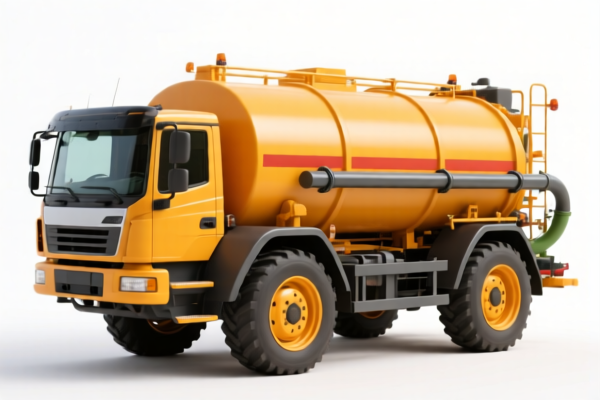
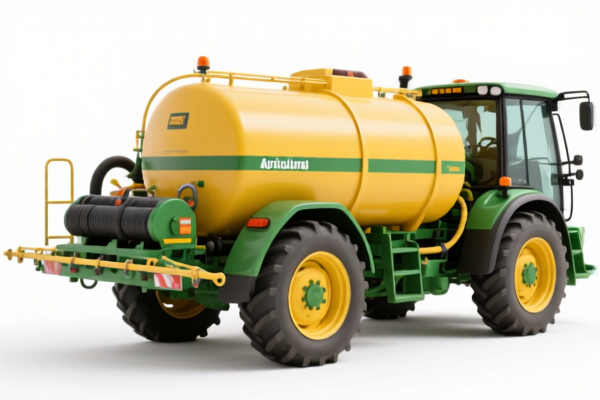
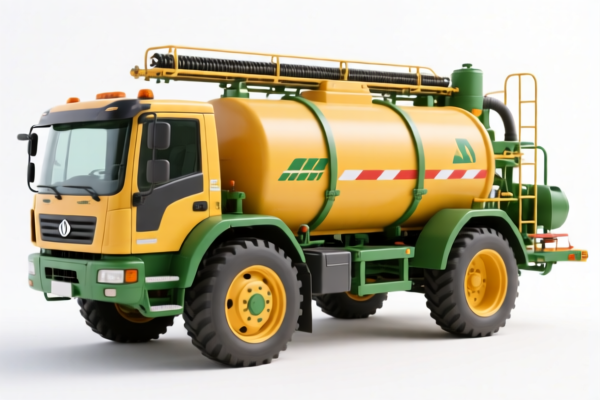
AI Analysis
🛢️ Air Receiver Tank (Industrial Pressure Vessels)
🌐 HS Code Reference & Clearance Guide | 2026 Latest Tariff Analysis | Professional Clearance Strategy 📌 I. Product Definition & Classification: Do You Really Know "Air Receiver Tank"?
An Air Receiver Tank is a crucial component in compressed air systems, designed to store compressed air to stabilize pressure, reduce pulsation, and remove moisture. In international trade, its classification depends heavily on material composition and specific structural form. Based on current data, there are four distinct classification paths, ranging from low-tariff plastic tanks to high-tariff metal storage units.
1. Plastic Air Receiver Tanks (3925.10.00.00)
* Definition: Tanks made primarily of plastic polymers.
* Key Feature: Lightweight, corrosion-resistant, but limited pressure tolerance compared to metal.
* Inference Logic: Matches the form (storage tank) and use (gas/air storage), inferring plastic material.
2. Steel/Iron Seamless Tubes or Hollow Profiles (7304.59.80.55)
* Definition: Components derived from seamless steel tubes or hollow profiles, used as pressure vessel parts.
* Key Feature: High strength, suitable for high-pressure industrial applications.
* Inference Logic: Infers material as iron or steel; classified as an extension of seamless tube applications for pressure vessels.
3. Other Metal Storage Tanks (Steel/Aluminum/Copper) (7309.00.00.30)
* Definition: General-purpose metal tanks for storing materials or gases.
* Key Feature: Specifically targets steel, aluminum, or copper products.
* Inference Logic: Matches use (storage container) and form (Tanks), inferring metal material.
4. Other Iron or Steel Tanks (7309.00.00.90)
* Definition: Tanks, containers, and similar receptacles made of iron or steel, not specified elsewhere.
* Key Feature: General iron/steel construction for air or gas storage.
* Inference Logic: Matches use (storage tanks/containers) and form, inferring iron or steel material.
⚠️ Critical Distinction:
- If the tank is Plastic → It falls under HS 3925.
- If the tank is Steel/Iron and made from Seamless Tubes → It falls under HS 7304.59.80.55.
- If the tank is Steel/Iron (General Form) → It falls under HS 7309.00.00.30/90.
- Tariff Impact: Metal tanks face significantly higher tariffs (up to 85%) due to Section 232/301 rules compared to Plastic tanks (~41%).
📦 II. HS Code Classification Details (2026 Latest Tariff Authority对照)
| HS Code | Product Description | Material Inference | Applicability Scenario |
|---|---|---|---|
3925.10.00.00 |
Air Receiver Tanks (Plastic) | Plastic (Polymer) | Lightweight industrial setups, low-pressure air systems, outdoor units requiring corrosion resistance. |
7304.59.80.55 |
Seamless Steel Tubes / Hollow Profiles (Pressure Vessel Parts) | Steel/Iron | High-pressure industrial tanks; inferred as an extension of seamless tube manufacturing. |
7309.00.00.30 |
Other Metal Tanks (Steel/Aluminum/Copper) | Steel/Aluminum/Copper | General metal storage tanks; specific classification for non-ferrous or specific steel alloys if distinguished. |
7309.00.00.90 |
Other Iron or Steel Tanks | Iron/Steel | Standard heavy-duty air receiver tanks made of carbon steel; most common industrial type. |
🔍 Key Reminder:
- Material is King: The primary differentiator between 3925 and 73xx codes is the material (Plastic vs. Metal).
- Metal Sub-category: For steel tanks, check if they are classified as "Seamless Tube Extensions" (7304.59) or "General Tanks" (7309). This changes the tariff base significantly.
- Usage: All these codes apply to "Air Receiver" functions (storage, pressure stabilization).
💰 III. 2026 Latest Tariff Rate Details (Including Surtaxes & Policy Add-ons)
✅ Applicable Country: United States (US)
✅ Origin: China (CN)
✅ Effective Time: Current tariffs include Section 301 and Section 232 surcharges.
🎯 1. 3925.10.00.00 —— Plastic Air Receiver Tanks
| Item | Content |
|---|---|
| Base Duty | 6.3% (Ad Valorem) |
| Section 301 Surtax | +25.0% (Standard Trade War Tariff) |
| Section 122 Tariff | +10.0% (Specific Policy Add-on) |
| Total Tax Rate | 41.3% |
| Tax Calculation | CIF Value × 41.3% |
| De Minimis Exemption | ❌ Not Eligible (Due to surcharges) |
| Legal Basis Path | Base: 6.3% → Sec301: +25% → Sec122: +10% |
📌 Explanation:
- Plastic tanks incur a 41.3% total tariff.
- While lower than metal tanks, this is still a significant cost burden.
- No de minimis exemption applies due to the叠加 surcharges.
🎯 2. 7304.59.80.55 —— Steel/Iron Seamless Tubes (Pressure Vessel Components)
| Item | Content |
|---|---|
| Base Duty | 0.0% |
| Section 301 Surtax | +25.0% (Standard Trade War Tariff) |
| Section 122 Tariff | +10.0% (Specific Policy Add-on) |
| Total Tax Rate | 35.0% |
| Tax Calculation | CIF Value × 35.0% |
| De Minimis Exemption | ❌ Not Eligible |
| Legal Basis Path | Base: 0.0% → Sec301: +25% → Sec122: +10% |
📌 Note:
- This code benefits from a 0% base duty, resulting in the lowest total tax rate (35%) among metal options.
- It is classified as a structural component (tube/profile) rather than a finished tank, which may allow for a more favorable base rate.
🎯 3. 7309.00.00.30 & 7309.00.00.90 —— Iron/Steel Storage Tanks
| Item | Content |
|---|---|
| Base Duty | 0.0% |
| Section 301 Surtax | +25.0% (Standard Trade War Tariff) |
| Section 122 Tariff | +10.0% (Specific Policy Add-on) |
| Section 232 Surcharge | +50.0% (Steel/Aluminum/Copper Products) |
| Total Tax Rate | 85.0% |
| Tax Calculation | CIF Value × 85.0% |
| De Minimis Exemption | ❌ Not Eligible |
| Legal Basis Path | Base: 0.0% → Sec301: +25% → Sec122: +10% → Sec232: +50% |
📌 Warning:
- 85% Total Tax Rate is extremely high.
- The 50% Section 232 Surcharge applies specifically to Steel, Aluminum, and Copper products.
- This applies to general metal tanks (7309.00) which are explicitly covered under the Section 232 steel tariffs.
- Do not use these codes for standard steel air receivers unless you have a specific exemption or alternative origin.
🛠️ IV. Clearance Practical Advice (Battle-Tested Pitfall Guide)
✅ 1. Preparation Checklist (Must-Have)
| Document | Required | Description |
|---|---|---|
| ✅ Technical Spec Sheet | ✔️ | Must specify Material (Plastic/Steel/Aluminum), Pressure Rating, and Volume. |
| ✅ Material Certificate | ✔️ | Crucial for proving if it is Plastic (HS 3925) or Steel (HS 7309/7304). |
| ✅ Product Photos | ✔️ | Clear images showing seams, welds, and pressure gauges to distinguish tank type. |
| ✅ Commercial Invoice | ✔️ | Must accurately describe the item as "Air Receiver Tank" and specify material. |
| ✅ Packing List | ✔️ | Detail weights and dimensions; avoid mixing plastic and metal tanks in one shipment without clear segregation. |
✅ 2. Declaration Strategy (Key Mantras)
🔥 “Plastic = Low Tax, Steel = High Tax, Tube = Medium Tax!”
| Scenario | Correct Declaration | Wrong Action |
|---|---|---|
| Plastic Tank | 3925.10.00.00 |
Misdeclaring as steel → 85% Tariff! |
| Steel Tank (General) | 7309.00.00.30/90 |
Misdeclaring as plastic → Smuggling risk + 85% fine |
| Steel Tank (Seamless Tube Origin) | 7304.59.80.55 |
Misdeclaring as general tank → 85% instead of 35% |
| Aluminum Tank | 7309.00.00.30 |
Misdeclaring as iron → Potential misclassification penalties |
📌 Crucial Tip:
- If your steel tank is manufactured from seamless steel tubes, argue for HS 7304.59.80.55 to save 50% in tariffs (35% vs 85%).
- If it is a fabricated tank (welded plates), it likely falls under HS 7309 and faces the 85% tariff.
✅ 3. Special Cases Handling
| Situation | Handling Advice |
|---|---|
| OEM Plastic Tanks | Ensure specs confirm "Plastic" to secure the 41.3% rate. Avoid metal fittings that might trigger a "mixed material" dispute. |
| Mixed Shipment (Plastic + Steel) | Separate shipments or clearly declare separate line items. Do not mix under one HS code. |
| Used vs. New | Customs may require additional inspection for used pressure vessels. Ensure safety certificates are attached. |
| High-Pressure Vessels | May require ASME certification or equivalent safety standards. Include these docs to speed up clearance. |
🌍 V. Global Market Comparison (2026 Latest)
| Country/Region | Recommended HS Code | Est. Tariff (China Origin) | Notes |
|---|---|---|---|
| 🇺🇸 USA | 3925.10.00.00 (Plastic) |
41.3% | Best option for cost-saving if material allows. |
| 🇺🇸 USA | 7304.59.80.55 (Steel Tube) |
35.0% | Strategic classification for steel components. |
| 🇺🇸 USA | 7309.00.00 (Steel Tank) |
85.0% | Avoid if possible. Extremely high cost. |
| 🇨🇳 China | 8419.89.90 (Typical) |
~10% | Different classification logic; domestic use differs. |
| 🇪🇺 EU | 7321.90 or 8419.89 |
~0-6% | No Section 232 equivalent; standard WTO rates apply. |
📌 Conclusion:
- USA is the most punitive market for steel air receivers due to Section 232.
- Plastic tanks are the only viable option for high-volume, low-margin shipments to the US without massive tariff burdens.
- Steel tanks should consider manufacturing in Vietnam/Mexico to avoid Section 232/301 surcharges.
📌 VI. Common Errors & Pitfalls (Blood-Lesson Guide)
❌ Mistake 1: Declaring a Steel Tank as Plastic (3925)
👉 Consequence: Customs seizure, fines, and back-tariff of 85%. Material analysis will reveal steel content.
❌ Mistake 2: Declaring a Fabricated Steel Tank as Seamless Tube (7304.59)
👉 Consequence: Audit failure. If the tank is welded from plates, it is not a "seamless tube." Penalty for misclassification.
❌ Mistake 3: Ignoring Section 232 on Steel Tanks
👉 Consequence: Unexpected 85% bill at customs. Many importers forget the 50% steel surcharge is on top of Section 301.
❌ Mistake 4: Using "Storage Tank" too vaguely
👉 Consequence: Customs requests additional info, delaying clearance by weeks. Be specific: "Air Receiver Tank, Steel, 100 Gallon."
✅ Correct Practice:
“Air Receiver Tank, 50 Gallon, Carbon Steel, ASME Certified, Model XYZ” → Declare under 7309.00.00.90 (if general) or negotiate for 7304.59.80.55 if tubular construction is proven.
🎯 VII. Conclusion: Professional Classification Saves Money!
🎯 Remember the Mantra:
🔹 “Plastic 41%, Steel Tube 35%, General Steel 85%.”
🔹 “Material is the key; Structure is the detail; Surcharge is the killer!”
🔹 “Check the seam: Seamless saves 50%, Welded costs 85%!”
📌 Small Tip:
If your air receiver tank is aluminum, it still falls under Section 232 and incurs the 50% surcharge.
For steel tanks, consider advance ruling with CBP to confirm if your specific design qualifies for the lower 7304.59 rate.
📣 Immediate Action:
📞 Consult with a customs broker + Provide material specs + Apply for HS Code Advance Ruling
🚀 Let your Air Receiver Tank clear smoothly, reduce costs, and boost profits!
✨ Professional clearance starts with precise classification!
💼 Every dollar of tariff saved is pure profit!
Customer Reviews
About HS Code Classification
The Harmonized System (HS) is an internationally standardized nomenclature developed by the World Customs Organization (WCO) to classify traded products. Over 200 countries use the HS system as the basis for customs tariffs, trade statistics, and import/export regulations.
Each HS code follows a hierarchical structure:
- Chapter (2 digits) — Broad category of goods (e.g., Chapter 84: Machinery and Mechanical Appliances)
- Heading (4 digits) — More specific grouping within the chapter
- Subheading (6 digits) — Internationally standardized breakdown, used by all WCO member countries
- National subdivisions (8-10 digits) — Country-specific extensions for further classification, such as US HTSUS 10-digit codes
Correct HS code classification is essential for smooth customs clearance, accurate duty payment, and compliance with trade regulations. Misclassification can lead to customs delays, overpayment of duties, or penalties.
When importing from CN to US, the applicable tariff rates may include:
- Most-Favored-Nation (MFN) rate — The standard duty rate applied to WTO members
- General rate — Applied to countries without trade agreements
- Trade remedy duties — Additional tariffs such as Section 301 (anti-dumping), Section 232 (national security), or countervailing duties
The information provided on this page is for reference purposes only. For official classification, please consult with your local customs authority or a licensed customs broker.