AirTag 保护壳
CN → US| HS Code | Tariff Rate | Origin | Destination | Doc |
|---|---|---|---|---|
| 3926305000 | 22.8% | CN | US | Official Doc |
| 4202329900 | 52.6% | CN | US | Official Doc |
| 7326903500 | 92.8% | CN | US | Official Doc |
| 3926904510 | 38.5% | CN | US | Official Doc |
Product Images
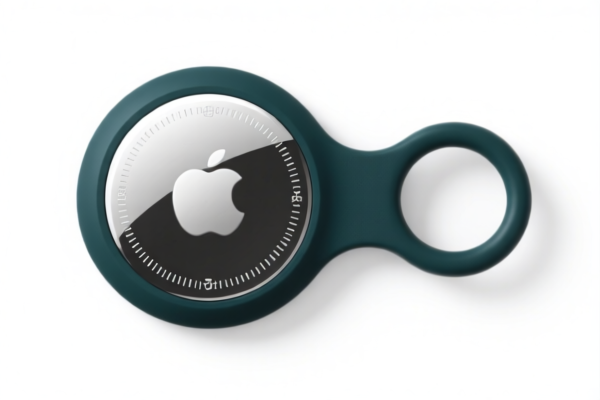
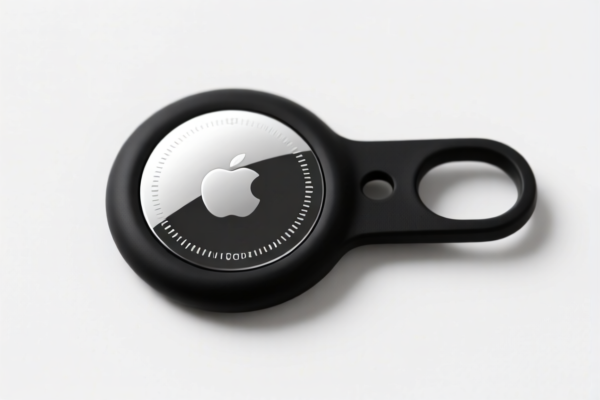
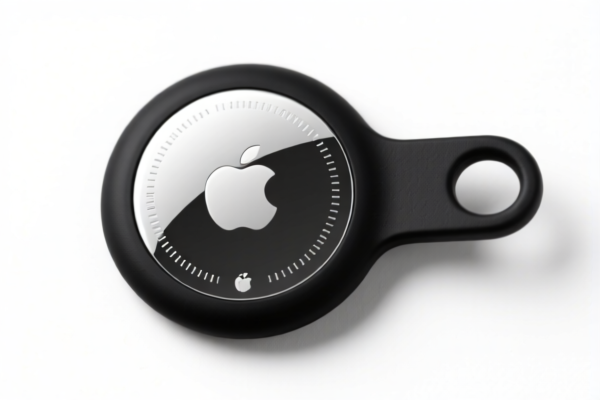
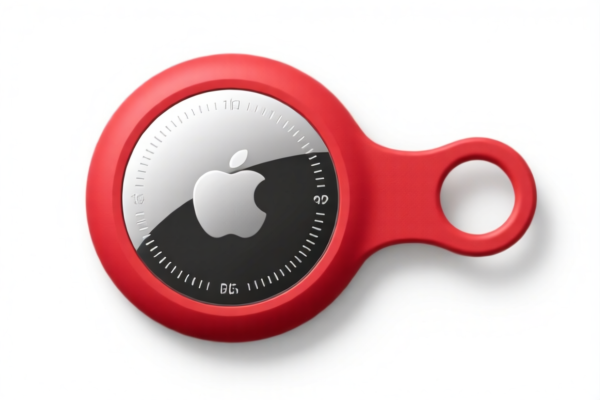
AI Analysis
🛡️ AirTag Protective Cases (Protective Shells)
🌐 HS Code Reference & Clearance Guide | 2026 Latest Tariff Analysis | Professional Customs Strategy
📌 I. Product Definition & Classification: Do You Really Understand "Protective Cases"?
AirTag protective cases are specialized accessories designed to house Apple's AirTag tracking device. In international trade, the classification of these "cases" is highly sensitive to material composition and functional description. They are generally categorized as:
- Plastic Cases: The most common type, offering impact resistance and waterproofing.
- Metal/Steel Cases: Premium, ruggedized options often used for outdoor or industrial tracking.
- Bag/Pouch Style Cases: Soft-shell cases made from textile, leather, or synthetic materials, often including keyrings or loops.
⚠️ Key Classification Distinction:
- If the case is made of plastic → It typically falls under Chapter 39 (Plastics).
- If the case is made of metal/steel → It typically falls under Chapter 73 (Iron/Steel Articles).
- If the case is a soft pouch/bag → It typically falls under Chapter 42 (Articles of Leather/Travel Goods).🔍 Critical Note: Misclassification based on material can lead to drastic tariff differences, especially under current US trade policies (Section 301 & IEEPA).
📦 II. HS Code Classification Details (2026 Latest Tariff Authority Comparison)
The following HS codes represent the most likely classifications for "AirTag Protective Cases" based on material and form, derived from the provided data.
| HS Code | Product Description | Material Assumption | Functional Description | Total Tax Rate |
|---|---|---|---|---|
3926.90.45.10 |
Other articles of plastics (General Accessories) | Plastic | General protective shell/component | 38.5% |
3926.30.50.00 |
Plastic Articles for Office/Industrial Use (Connectors/Accessories) | Plastic | Plastic accessory/component (Logical fit for "other") | 22.8% |
7326.90.35.00 |
Other articles of iron or steel | Steel/Metal | Rugged metal case; treated as "other steel article" or container | 92.8% |
4202.32.99.00 |
Articles of apparel/accessories of plastic/textile | Plastic/Textile | Soft case/pouch (fits "container/bag" logic) | 52.6% |
🔍 Important Note:
-3926.30.50.00offers the lowest tax burden (22.8%) among plastic options, assuming it can be justified as a specific type of plastic accessory.
-7326.90.35.00carries the highest risk and cost (92.8%) due to the "Steel/Aluminum/Copper" additional tariff of 50%. Avoid this unless the product is explicitly heavy-duty steel.
-4202.32.99.00is suitable for soft-shell cases but incurs a moderate-high rate (52.6%).
💰 III. 2026 Latest Tariff Rate Breakdown (Including Additional Duties & Policies)
✅ Applicable Country: United States (US)
✅ Origin: China (CN)
✅ Effective Time: Ongoing (Subject to Section 301 & IEEPA regulations)
🎯 1. 3926.90.45.10 —— Plastic Articles (General)
| Item | Content |
|---|---|
| Base Tariff | 3.5% (ad valorem) |
| Section 301 Additional Tariff | +25.0% (USITC Footnote) |
| 122 Clause Tariff (IEEPA) | +10.0% (Targeting specific Chinese goods) |
| Total Effective Rate | 38.5% |
| Tax Calculation | CIF Value × 38.5% |
| De Minimis Exemption? | ❌ No (Denied for China-origin goods under current enforcement) |
| Legal Basis Path | USITC:3926.90.45.10 → Section 301: 25% → IEEPA 122: 10% |
📌 Explanation:
- This is a "middle-ground" classification for plastic accessories.
- The 25% Section 301 tariff applies to most plastic articles from China.
- The 10% IEEPA tariff is a critical addition, bringing the total to nearly 40%.
🎯 2. 3926.30.50.00 —— Plastic Articles (Office/Industrial Accessory)
| Item | Content |
|---|---|
| Base Tariff | 5.3% (ad valorem) |
| Section 301 Additional Tariff | +7.5% (Reduced rate for specific sub-categories) |
| 122 Clause Tariff (IEEPA) | +10.0% |
| Total Effective Rate | 22.8% |
| Tax Calculation | CIF Value × 22.8% |
| De Minimis Exemption? | ❌ No |
| Legal Basis Path | USITC:3926.30.50.00 → Section 301: 7.5% → IEEPA 122: 10% |
📌 Explanation:
- This is the most cost-effective classification for plastic AirTag cases.
- The Section 301 rate is only 7.5% instead of 25%, likely due to specific sub-heading exemptions for certain plastic components.
- Crucial Strategy: If your product is plastic, argue strongly for this HS code to save 15.7% in duties compared to3926.90.45.10.
🎯 3. 7326.90.35.00 —— Steel/Artificial Iron Articles
| Item | Content |
|---|---|
| Base Tariff | 7.8% (ad valorem) |
| Section 301 Additional Tariff | +25.0% |
| 122 Clause Tariff (IEEPA) | +10.0% |
| Steel/Aluminum/Copper Additional Tariff | +50.0% (Specific penalty for metal imports from China) |
| Total Effective Rate | 92.8% |
| Tax Calculation | CIF Value × 92.8% |
| De Minimis Exemption? | ❌ No |
| Legal Basis Path | USITC:7326.90.35.00 → Section 301: 25% → IEEPA 122: 10% → Metal Penalty: 50% |
📌 Warning:
- DO NOT USE THIS CODE unless the product is exclusively steel/metal and you have no other option.
- The 50% metal-specific tariff makes this category prohibitively expensive for most consumer accessories.
- Even if the case is only partially metal, customs may scrutinize the entire item.
🎯 4. 4202.32.99.00 —— Articles of Apparel/Accessories (Plastic/Textile Surface)
| Item | Content |
|---|---|
| Base Tariff | 17.6% (ad valorem) |
| Section 301 Additional Tariff | +25.0% |
| 122 Clause Tariff (IEEPA) | +10.0% |
| Total Effective Rate | 52.6% |
| Tax Calculation | CIF Value × 52.6% |
| De Minimis Exemption? | ❌ No |
| Legal Basis Path | USITC:4202.32.99.00 → Section 301: 25% → IEEPA 122: 10% |
📌 Explanation:
- This code is suitable for soft-shell cases made of fabric, synthetic leather, or plastic-coated textile.
- It assumes the "case" is a type of "container" or "bag" for personal items.
- While cheaper than steel, it is more expensive than the optimal plastic code (3926.30.50.00).
🛠️ IV. Customs Clearance Practical Advice (Battle-Tested Pitfall Avoidance Guide)
✅ 1. Essential Documentation Checklist (Non-Negotiable)
| Document | Must Provide? | Description |
|---|---|---|
| ✅ Product Specifications | ✔️ | Material composition (e.g., "100% Polycarbonate Plastic" vs. "TPU Soft Case"). Be precise. |
| ✅ Product Photos (Labeled) | ✔️ | Clear images showing the item without the AirTag inside, to prove it is a "case" and not a "tracking device." |
| ✅ Commercial Invoice | ✔️ | Clearly state "Protective Case for AirTag," NOT "AirTag" or "GPS Tracker." |
| ✅ Bill of Lading/Packing List | ✔️ | Ensure quantity matches invoice exactly. |
| ✅ Material Safety Data Sheet (MSDS) | ✔️ | If chemical components are involved, required for plastics/rubber. |
✅ 2. Declaration Strategy (Key Mantras)
🔥 "Material Defines Code, Name Defines Intent, Avoid 'Tracker' at All Costs!"
| Scenario | Correct Declaration | Incorrect Declaration |
|---|---|---|
| Hard Plastic Case | 3926.30.50.00 - "Plastic Protective Case for Electronic Device" |
"AirTag Holder" (Vague) or "GPS Accessory" (Misleading) |
| Soft Fabric Pouch | 4202.32.99.00 - "Textile Keychain Pouch" |
"AirTag Case" (Too generic) |
| Metal Rugged Case | 7326.90.35.00 - "Steel Protective Shell" |
"Tracking Device Case" |
| Mixed Material Case | Assess dominant material. Usually Plastic → 3926.30.50.00 |
Split shipment (Risky & Complex) |
⚠️ Critical Warning:
- Never declare "AirTag Cases" as "GPS Trackers" or "Electronic Devices."
- If you declare them as electronics, you risk Section 301 penalties on electronic goods and FCC certification requirements.
- By declaring them as "Plastic/Textile Accessories," you leverage the accessory/chemical/material classification, which can be more favorable.
✅ 3. Special Circumstances Handling
| Scenario | Handling Advice |
|---|---|
| Silicone/TPE Cases | Classify under 3926.90.45.10 or 3926.30.50.00 depending on specific formulation. Argue for 3926.30 to save tax. |
| Leather/PU Leather Cases | Classify under 4202.32.99.00. Ensure the "shell" aspect is dominant, not just a decorative cover. |
| Metal-Aluminum Cases | AVOID 7326.90.35.00 if possible. If unavoidable, budget for 92.8% duty. Consider if a plastic coating allows reclassification to plastic. |
| Sets (Case + AirTag) | DO NOT COMBINE. If shipped together, Customs may assess the entire set as an electronic device (AirTag), triggering FCC, Section 301 on electronics, and higher base tariffs. Ship separately. |
🌍 V. Global Market Customs Comparison (2026 Latest)
| Country/Region | Recommended HS Code | Est. Tariff (China Origin) | Certification Required | Notes |
|---|---|---|---|---|
| 🇺🇸 USA | 3926.30.50.00 (Plastic) |
22.8% | No specific cert for accessory | Cheapest option for plastic. Avoid 7326 (92.8%). |
| 🇺🇸 USA | 3926.90.45.10 (Plastic) |
38.5% | No specific cert for accessory | Default if 3926.30 is disputed. |
| 🇪🇺 EU | 3926.90 (Plastic) |
~0-6% + VAT | CE (if electronics nearby), REACH | No Section 301/IEEPA penalties. Much cheaper than US. |
| 🇨🇳 China | 3926.90 (Plastic) |
~5-10% | CCC (if electronic part) | Domestic duty lower, but focus is on export. |
| 🇬🇧 UK | 3926.90 (Plastic) |
~0-6% + VAT | UKCA | Post-Brexit rules apply, similar to EU. |
📌 Conclusion:
- The USA is the most challenging market due to Section 301 and IEEPA tariffs.
- Optimization is Key: Using3926.30.50.00saves 15.7% compared to the general plastic code.
- Metal cases are financially unviable for mass-market accessories in the US due to the 50% metal penalty.
📌 VI. Common Errors & Pitfall Guide (Blood & Tears Lessons)
❌ Error 1: Declaring "AirTag Cases" as "GPS Tracking Devices"
👉 Consequence: Subject to FCC regulations, Section 301 on electronics, and potential 25%+10% on electronics. Plus, compliance risk.
❌ Error 2: Using 7326.90.35.00 for a thin aluminum case
👉 Consequence: 92.8% duty. A $10 case becomes $19.28 in duty alone. Financial suicide.
❌ Error 3: Misidentifying material
👉 Consequence: If declared as plastic (3926) but found to be metal, back taxes + penalties + seizure.
❌ Error 4: Shipping AirTag + Case in one box
👉 Consequence: Customs may assess the value of the AirTag at the higher electronic tariff rate, and require FCC ID for the set. Split shipments are safer.
✅ Correct Approach:
"TPU Soft Case for Apple AirTag, 100% Polyurethane, No Electronics Inside, Model XYZ"
🎯 VII. Conclusion: Professional Declaration, Cost Savings, Risk Reduction
🎯 Remember the Mantra:
🔹 "Plastic is King,
3926.30is Queen, Steel is Jail, Metal is Pain!"
🔹 "Clear Material Declaration, Avoid Electronic Classification, Save 15-70% in Duties!"💡 Pro Tip:
If you are exporting to the US, pre-apply for an Advance Ruling (CBP Ruling) for your specific case material. This locks in the3926.30.50.00classification and protects you from future audits.
For non-US markets (EU, Asia), classification is simpler, but always verify local VAT rules.
📣 Immediate Action:
📞 Consult a licensed customs broker to review your product's Material Safety Data Sheet (MSDS).
📄 Prepare detailed product photos showing the material texture (plastic vs. metal vs. fabric).
🚀 Ship Cases Separately from AirTags to avoid electronic device classification traps.
✨ Precision in Classification, Profit in Margins!
💼 Your Accessory's Success Depends on the Right HS Code!
Customer Reviews
About HS Code Classification
The Harmonized System (HS) is an internationally standardized nomenclature developed by the World Customs Organization (WCO) to classify traded products. Over 200 countries use the HS system as the basis for customs tariffs, trade statistics, and import/export regulations.
Each HS code follows a hierarchical structure:
- Chapter (2 digits) — Broad category of goods (e.g., Chapter 84: Machinery and Mechanical Appliances)
- Heading (4 digits) — More specific grouping within the chapter
- Subheading (6 digits) — Internationally standardized breakdown, used by all WCO member countries
- National subdivisions (8-10 digits) — Country-specific extensions for further classification, such as US HTSUS 10-digit codes
Correct HS code classification is essential for smooth customs clearance, accurate duty payment, and compliance with trade regulations. Misclassification can lead to customs delays, overpayment of duties, or penalties.
When importing from CN to US, the applicable tariff rates may include:
- Most-Favored-Nation (MFN) rate — The standard duty rate applied to WTO members
- General rate — Applied to countries without trade agreements
- Trade remedy duties — Additional tariffs such as Section 301 (anti-dumping), Section 232 (national security), or countervailing duties
The information provided on this page is for reference purposes only. For official classification, please consult with your local customs authority or a licensed customs broker.