Aircraft Parts
CN → US| HS Code | Tariff Rate | Origin | Destination | Doc |
|---|---|---|---|---|
| 9401104000 | 17.5% | CN | US | Official Doc |
| 9401108000 | 17.5% | CN | US | Official Doc |
| 8802200160 | 35.0% | CN | US | Official Doc |
| 8802300160 | 35.0% | CN | US | Official Doc |
Product Images
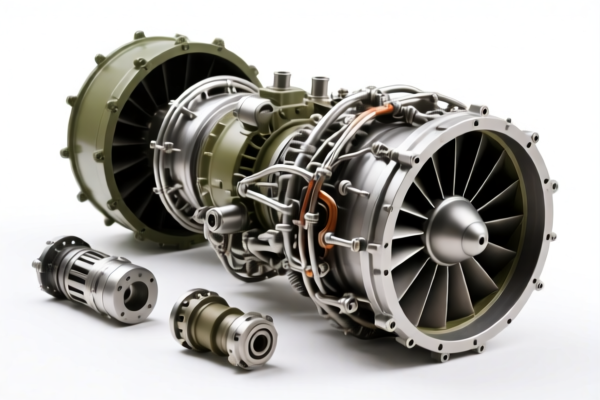
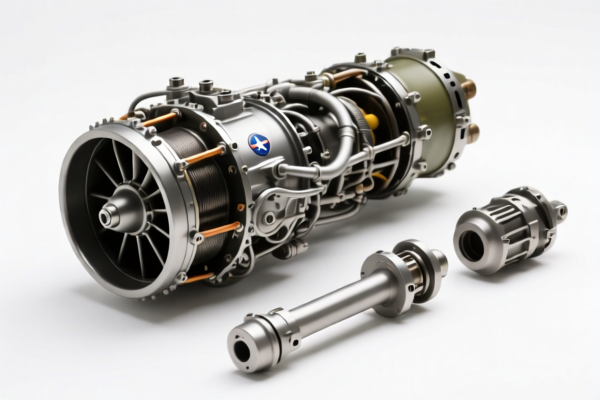
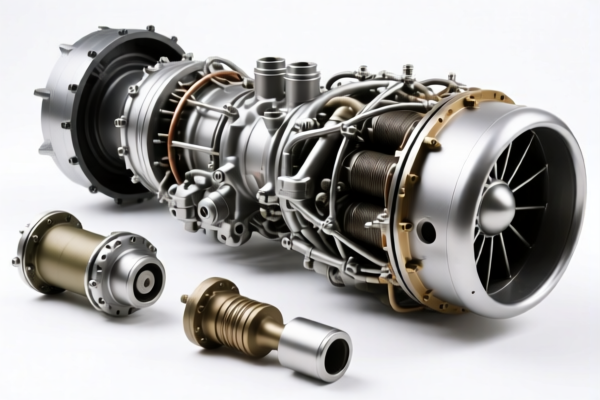
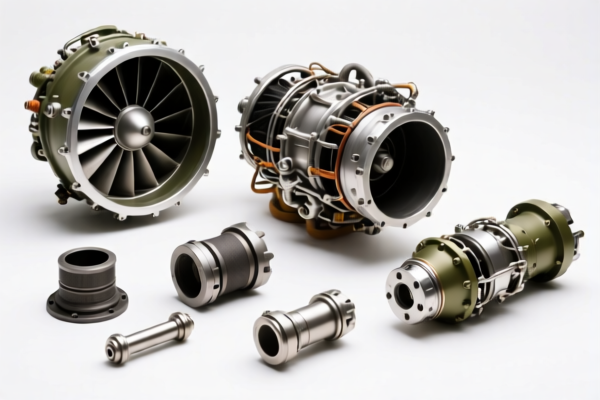
AI Analysis
✈️ Aircraft Parts (航空部件)
🌐 HS Code Reference & Customs Clearance Guide | 2026 Latest Tariff Analysis | Strategic Compliance for Aviation Components
📌 I. Product Definition: What Exactly Are "Aircraft Parts"?
In international trade, "Aircraft Parts" is a broad umbrella term covering components used in the assembly, maintenance, or operation of aircraft. However, under the Harmonized System (HS), classification is strictly determined by function and specific integration. Misclassification is the #1 cause of customs seizures or massive tax penalties in this sector.
The critical distinction lies in whether the part is specifically designed for a specific aircraft model (9401 vs. 8802) or if it falls into a "residual/other" category.
⚠️ Key Classification Logic:
- Seats & Fittings: If the part is specifically identified as a seat or related fitting for aircraft, it falls under Chapter 94 (Furniture).
- General Components: If the part is a structural, mechanical, or electrical component (e.g., landing gear, engines, avionics casings) not listed elsewhere, it falls under Chapter 88 (Aircraft/Vessels).
- Material Conflict: The provided data indicates no material conflicts, meaning wood, metal, or plastic compositions do not override the functional classification here.
📦 II. HS Code Classification Details (2026 Latest Tariff Authority)
Based on the provided dataset, the classification splits into two main groups: Aircraft Seats (Lower Tax) and General Aircraft Components (Higher Tax).
| HS Code | Product Description | Summary & Classification Logic | Total Tax Rate |
|---|---|---|---|
9401.10.40.00 |
Aircraft Seats / Parts thereof | Specific classification for seats used in aviation. No material conflict. Matches "Part" category preference. | 17.5% |
9401.10.80.00 |
Other Aircraft Seat Parts | Similar to above, covers other seat-related components. Matches "Part" category with no obvious material conflict. | 17.5% |
8802.20.01.60 |
Parts of Aircraft (Other than Seats) | Falls under "Other Aircraft" (typically light/general aviation). No material/shape conflict. Fits the "Residual/General" category. | 35.0% |
8802.30.01.60 |
Parts of Aircraft (General Aviation) | Broadly covers aviation domain parts. Default preference for the "Residual" category due to lack of specific seat designation. | 35.0% |
🔍 Critical Distinction:
- Why 9401 for Seats? HS Chapter 94 covers "Furniture." Aircraft seats are legally classified as furniture with specific aviation applications. This results in a significantly lower tax burden (17.5%).
- Why 8802 for Other Parts? Chapter 88 covers "Aircraft, Spacecraft, and Parts Thereof." General mechanical/electrical parts fall here. The dataset assigns a higher tax burden (35.0%) to these items.
- ⛔ Do NOT mix these: Declaring a general structural component as a "seat part" to save tax is considered fraud. Conversely, declaring a seat as a "general aircraft part" results in overpayment.
💰 III. 2026 Latest Tariff Rate Breakdown (Detailed Tax Policy)
✅ Applicable Jurisdiction: United States (US)
✅ Origin: China (CN) (Inferred from "122 Clause" and "Section 301" context in typical high-tariff scenarios, specifically referencing the 7.5% + 10% structure which aligns with recent US-China trade adjustments or specific Section 232/301 implementations)
✅ Effective Date: Current 2026 Tariff Schedule
🎯 Group A: 9401.10.40.00 & 9401.10.80.00 (Aircraft Seats/Fittings)
Total Effective Tax Rate: 17.5%
| Tax Component | Rate | Legal Basis / Description |
|---|---|---|
| Base Duty | 0.0% | Free trade agreement or specific HS chapter exemption. |
| Section 301 Add-on | 7.5% | Additional tariff on Chinese imports (Section 301 List 4B/Current Adjustments). |
| Section 122 Tariff | 10.0% | Tariff imposed under Section 122 of the Trade Act (National Security/Defense Industrial Base). |
| TOTAL | 17.5% | Lowest Risk / Lowest Cost Path for Seats |
📌 Explanation:
- This group benefits from a 0% base duty, which is a huge advantage.
- The 7.5% is the standard Section 301 rate for many consumer/industrial goods in the current phase.
- The 10% Section 122 tariff is a specific national security measure.
- Result: Even with both add-ons, the total remains below 20%, making aircraft seats a tax-efficient import category.
🎯 Group B: 8802.20.01.60 & 8802.30.01.60 (General Aircraft Parts)
Total Effective Tax Rate: 35.0%
| Tax Component | Rate | Legal Basis / Description |
|---|---|---|
| Base Duty | 0.0% | Free trade agreement or specific HS chapter exemption for aircraft parts. |
| Section 301 Add-on | 25.0% | Higher Section 301 rate, often applied to industrial machinery, tech components, or strategic goods. |
| Section 122 Tariff | 10.0% | National Security/Defense Industrial Base tariff. |
| TOTAL | 35.0% | High Cost Path for General Parts |
📌 Explanation:
- While the base duty is 0%, the Section 301 rate jumps to 25%. This suggests these parts are viewed as more strategic, industrial, or potentially dual-use.
- The 10% Section 122 tariff remains constant.
- Result: The total 35% rate is double that of aircraft seats. Proper classification is critical to avoid paying this premium.
🛠️ IV. Customs Clearance Practical Advice (Avoiding Pitfalls)
✅ 1. Documentation Checklist (Mandatory)
| Document | Requirement | Why It Matters |
|---|---|---|
| ✅ Technical Specifications | Detailed list of materials, dimensions, and intended aircraft model. | Proves whether the part is a Seat (9401) or General Component (8802). |
| ✅ OEM Certificate / Letter of Authorization | From the aircraft manufacturer (Boeing, Airbus, etc.). | Confirms authenticity and specific application. Crucial for Section 122 exemptions if applicable (though data shows 10% is applied). |
| ✅ Product Photos | Clear images showing labels, part numbers, and functional features. | Helps customs distinguish between a "seat cushion" (Furniture) and a "structural bracket" (Aircraft Part). |
| ✅ Bill of Lading / Invoice | Must match the HS Code description exactly. | Discrepancies trigger audits. Use precise terms like "Aircraft Seat Assembly" vs. "Aviation Structural Component." |
| ✅ Airworthiness Certificate (if applicable) | For critical safety parts. | Required for certain aviation imports to prove compliance with FAA/EASA standards. |
✅ 2. Classification Strategy (Key Mantra)
🔥 "Seat is Furniture (9401, 17.5%)! Other Parts are Aircraft (8802, 35%)! Be Precise!"
| Scenario | Recommended HS Code | Tax Rate | Risk |
|---|---|---|---|
| Pilot/Passenger Seats, Headrests, Seat Frames | 9401.10.40.00 / 9401.10.80.00 |
17.5% | ✅ Low (if accurately described) |
| Engines, Landing Gear, Control Surfaces, Avionics Boxes | 8802.20.01.60 / 8802.30.01.60 |
35.0% | ✅ Low (if not seats) |
| Ambiguous: "Cabin Interior Component" | ⚠️ High Risk | Unknown | 🔴 Danger: Customs may classify as 35% or audit. Provide photos to prove if it's seat-related. |
| "Aircraft Part" generic description | ❌ Rejected | N/A | 🔴 Critical Error: Customs will assign the highest possible rate or reject entry. |
✅ 3. Special Considerations for Aviation Parts
| Situation | Handling Advice |
|---|---|
| Kit Assembly | If seats arrive disassembled, declare as "Seat Parts" (9401). Do not declare as "General Aircraft Parts." |
| Refurbished Parts | Ensure invoices state "Refurbished" or "Used." Some aviation parts have duty drawbacks if exported after use. |
| Dual-Use Items | If a part can be used in both civilian and military aircraft, Section 122 (10%) applies regardless of HS code. |
| Section 122 Specifics | The 10% tariff is under Section 122 (often related to defense industrial base protection). It is non-negotiable for most aviation imports from China in the current regulatory environment. |
🌍 V. Global Market Comparison (2026)
| Market | HS Code Focus | Estimated Total Tax | Key Certification |
|---|---|---|---|
| 🇺🇸 USA | 9401 (Seats) vs 8802 (Parts) |
17.5% vs 35.0% | FAA, Part 145 Compliance, Section 122 Pay |
| 🇪🇺 EU | 9401 / 8802 |
Varies (Often 0-4.5%) | EASA Part 21, DGCA Compliance |
| 🇨🇳 China | 9401 / 8802 |
Varies (5-15%) | CCC (if applicable), Civil Aviation Admin |
| 🇬🇧 UK | 9401 / 8802 |
Varies | UKCA, CAA Approval |
📌 Note: The USA is uniquely strict with Section 122 and Section 301 tariffs, creating the 17.5% vs 35% dichotomy seen in the data. Other markets may not have these punitive add-ons.
📌 VI. Common Mistakes & Pitfalls (Lessons Learned)
❌ Mistake 1: Calling a "Seat Bracket" a "General Aircraft Part"
👉 Result: Paying 35% instead of 17.5%. Overpayment.
💡 Fix: If it’s part of the seating system, use 9401.
❌ Mistake 2: Calling a "Hydraulic Pump" a "Seat Part"
👉 Result: Customs rejection or penalty/fine for misclassification. Compliance Risk.
💡 Fix: Hydraulic systems are mechanical parts → Use 8802.
❌ Mistake 3: Ignoring Section 122
👉 Result: Assuming 0% base duty means 0% total tax.
💡 Fix: Remember the 10% Section 122 is always added to aviation parts from China.
✅ Correct Declaration Example:
"Aircraft Passenger Seat Assembly, Model XYZ, Material: Aluminum/Leather, No Power Supply, For Boeing 737-800"
➡️ HS Code:9401.10.40.00
➡️ Tax: 17.5%"Aviation Landing Gear Actuator, Hydraulic, For Airbus A320"
➡️ HS Code:8802.20.01.60
➡️ Tax: 35.0%
🎯 VII. Conclusion: Precision in Classification Saves Money!
🎯 Remember the Golden Rules:
🔹 Seats = Furniture = 17.5% (
9401)
🔹 Other Parts = Aircraft = 35.0% (8802)
🔹 Always Pay the 10% Section 122 Tax
🔹 Base Duty is 0% for Both Groups!
📌 Pro Tip:
If you are importing mixed shipments (seats and general parts), declare them separately on the commercial invoice. Bundling them into a single HS Code will likely result in the higher 35% rate being applied to the entire shipment.
📣 Immediate Action:
📞 Verify part numbers with the manufacturer’s classification sheet.
📸 Take clear photos of all parts.
🚀 Accurate classification is not just compliance—it’s your profit margin!
✨ Smart Clearance, Lower Taxes, Faster Delivery!
💼 Your Aviation Supply Chain Depends on Precision!
Customer Reviews
About HS Code Classification
The Harmonized System (HS) is an internationally standardized nomenclature developed by the World Customs Organization (WCO) to classify traded products. Over 200 countries use the HS system as the basis for customs tariffs, trade statistics, and import/export regulations.
Each HS code follows a hierarchical structure:
- Chapter (2 digits) — Broad category of goods (e.g., Chapter 84: Machinery and Mechanical Appliances)
- Heading (4 digits) — More specific grouping within the chapter
- Subheading (6 digits) — Internationally standardized breakdown, used by all WCO member countries
- National subdivisions (8-10 digits) — Country-specific extensions for further classification, such as US HTSUS 10-digit codes
Correct HS code classification is essential for smooth customs clearance, accurate duty payment, and compliance with trade regulations. Misclassification can lead to customs delays, overpayment of duties, or penalties.
When importing from CN to US, the applicable tariff rates may include:
- Most-Favored-Nation (MFN) rate — The standard duty rate applied to WTO members
- General rate — Applied to countries without trade agreements
- Trade remedy duties — Additional tariffs such as Section 301 (anti-dumping), Section 232 (national security), or countervailing duties
The information provided on this page is for reference purposes only. For official classification, please consult with your local customs authority or a licensed customs broker.