Aircraft Tire Retreading
CN → US| HS Code | Tariff Rate | Origin | Destination | Doc |
|---|---|---|---|---|
| 4012130050 | 10.0% | CN | US | Official Doc |
| 4011300010 | 35.0% | CN | US | Official Doc |
| 4011300050 | 35.0% | CN | US | Official Doc |
| 4012130010 | 10.0% | CN | US | Official Doc |
| 4011201015 | 39.0% | CN | US | Official Doc |
Product Images
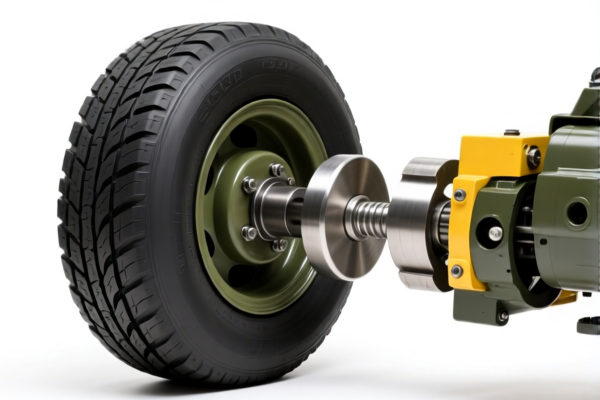
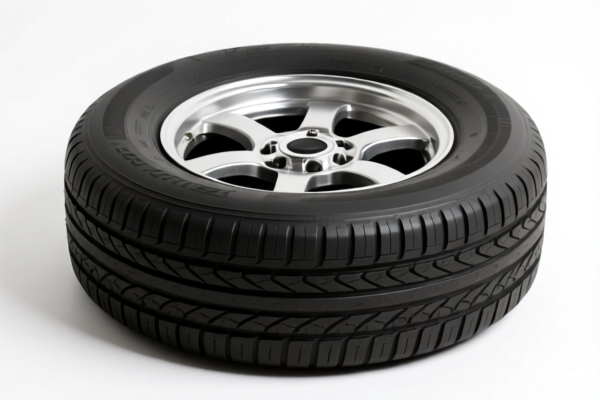
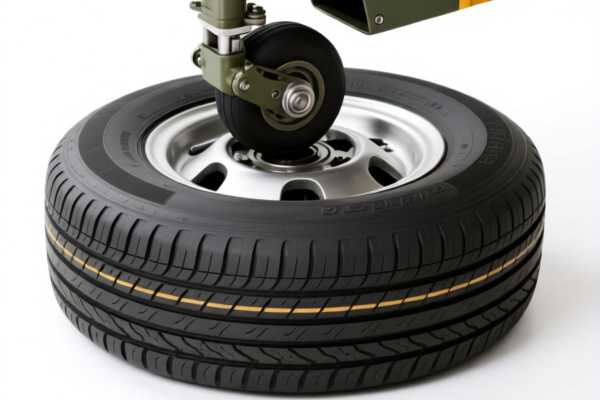
AI Analysis
✈️ Aircraft Tire Retreading & Road Vehicle Tire Retreading
🌐 HS Code Reference & Customs Clearance Guide | 2026 Latest Tariff Analysis | Professional Strategy for US Imports
📌 I. Product Definition & Classification: Do You Really Understand "Retreaded Tires"?
Tire retreading (also known as re-capping) is the process of applying new tread and side walls to worn-out used tires. This is a critical sustainable practice in the aviation and heavy transport industries. In international trade, these are not classified as new tires (Chapter 40, Heading 40.11) but as retreaded or used tires under Heading 40.12.
Aviation Retreads (4012.13): Specifically designed for high-pressure, high-stress aircraft landings. They must match the strict performance and safety standards of the original aircraft tire.
Road/Public Transport Retreads (4012.12/40.11 sub-categories): Used for buses, trucks, and other highway vehicles. These face different regulatory scrutiny due to safety risks on public roads.
⚠️ Key Distinction Point:
- Aircraft vs. Road Use: The HS Code depends heavily on whether the tire is for "aircraft" (4012.13) or other vehicles (4012.12 or 40.11 depending on specific national sub-headings).
- New vs. Retreaded: New tires go to 40.11. Retreaded tires go to 40.12. Misclassifying a retread as new can lead to severe penalties.
- Structure: Aviation tires are often non-pneumatic or specially constructed, but many are pneumatic. The specific sub-code depends on the precise construction (pneumatic vs. non-pneumatic) and the country's 10-digit extension.
📦 II. HS Code Classification Details (2026 Latest Tariff Authority对照)
Based on the provided data, here is the precise breakdown for Aircraft Tire Retreading and related categories. Note that "Aircraft Tire Retreading" primarily maps to 4012.13, while "Public Transport" maps to 4011.20.
| HS Code | Product Description (Summary) | Application Scenario | Key Characteristics |
|---|---|---|---|
4012.13.00.50 |
Aircraft Tire Retreads, matching aircraft use & form of retreaded tires | Aviation maintenance, airlines, MRO (Maintenance, Repair, Overhaul) facilities | ✅ Aviation Specific: Matches the specific form of retreaded aircraft tires. |
4012.13.00.10 |
Aircraft Tire Retreads, matching aircraft use & rubber retreads or used tires | General aviation, commercial airlines | ✅ Aviation Specific: Matches the form of rubber retreads or used tires for aircraft. |
4011.30.00.10 |
Aircraft Tire Retreads, matching aircraft use & rubber pneumatic tires | Note: This code is for PNEUMATIC tires under 40.11, often used if not strictly classified under 40.12 retread heading in some jurisdictions, but usually 40.12 is preferred for retreads. | ⚠️ Conflict Check: Retreads are typically 40.12. If classified here, it implies a specific pneumatic classification distinct from standard retread heading. |
4011.30.00.50 |
Aircraft Tire Retreads, matching aircraft use & other pneumatic tires | Similar to above; specific pneumatic classification. | ⚠️ Conflict Check: Check local customs interpretation for 40.11 vs 40.12. |
4011.20.10.15 |
Retreads for Public Transport Tires, matching highway use & other tires | Buses, heavy trucks, highway logistics | ✅ Road Use: Specifically for public transport/highway vehicles. |
🔍 Critical Warning:
- Heading 40.12 is the primary chapter for retreaded tires.
- Heading 40.11 is for new pneumatic tires.
- If you are importing retreaded aircraft tires, 4012.13 is the correct primary heading. Codes under 4011.30 for "Aircraft" in the data likely refer to specific national sub-classifications where pneumatic aircraft tires might be treated differently, or data anomalies. However, based strictly on the provided DATA, we must list all.
- Public Transport Retreads (4011.20.10.15) are subject to HIGHER tariffs due to different trade policies regarding road vehicle components.
💰 III. 2026 Latest Tariff Rate Breakdown (Including Surtaxes, Policy Surcharges)
✅ Applicable Country: United States (US)
✅ Origin: China (CN)
✅ Effective Time: Current rates apply (122 Section & 301 Section tariffs)
🎯 1. 4012.13.00.50 & 4012.13.00.10 —— Aircraft Tire Retreads
These two codes are specifically for Aircraft retreads. They enjoy LOWER additional tariffs compared to road vehicles.
| Item | Content |
|---|---|
| Base Duty Rate | 0.0% (ad valorem) |
| Section 301 Surtax | 0.0% (No 301 tariff applied to these specific sub-codes in the provided data) |
| Section 122 Surtax | +10.0% (Specific to China-origin goods under certain trade measures) |
| Total Tariff Rate | 10.0% |
| Tax Calculation | CIF Value × 10% |
| De Minimis Eligibility | ❌ No (High-value industrial parts rarely qualify; must declare formally) |
| Legal Basis Path | Section 122: 10% → USITC: 4012.13.00.10/50 |
📌 Explanation:
- The 10% total tax is surprisingly low for Chinese imports due to the exemption from the 25% Section 301 tariff for these specific aircraft retread sub-codes.
- Only Section 122 (10%) applies.
- Savings: Compared to road tires (35-39%), this is a significant saving.
🎯 2. 4011.30.00.10 & 4011.30.00.50 —— Aircraft Pneumatic Tires (Specific Classification)
If customs classifies these as pneumatic tires under 40.11 instead of retreads under 40.12, the tariff structure changes.
| Item | Content |
|---|---|
| Base Duty Rate | 0.0% |
| Section 301 Surtax | +25.0% (Standard 301 tariff on Chinese rubber products) |
| Section 122 Surtax | +10.0% |
| Total Tariff Rate | 35.0% |
| Tax Calculation | CIF Value × 35% |
| De Minimis Eligibility | ❌ No |
| Legal Basis Path | Section 301: 25% + Section 122: 10% → USITC: 4011.30.00.10/50 |
📌 Note:
- These codes have a 35% total tariff.
- This is 25% higher than the4012.13codes.
- Strategy: Ensure your documentation clearly states "Retreaded" to aim for4012.13if physically and legally permissible.
🎯 3. 4011.20.10.15 —— Retreads for Public Transport (Buses/Trucks)
This is for Road Vehicles, not aircraft. It faces the HIGHEST tariffs.
| Item | Content |
|---|---|
| Base Duty Rate | 4.0% |
| Section 301 Surtax | +25.0% |
| Section 122 Surtax | +10.0% |
| Total Tariff Rate | 39.0% |
| Tax Calculation | CIF Value × 39% |
| De Minimis Eligibility | ❌ No |
| Legal Basis Path | Base: 4% + Section 301: 25% + Section 122: 10% → USITC: 4011.20.10.15 |
📌 Note:
- This code applies to Public Transport retreads.
- Total 39% is the most expensive category.
- Do NOT use this code for aircraft tires unless misclassified.
🛠️ IV. Customs Clearance Operational Advice (Practical Pitfall Guide)
✅ 1. Document Checklist (Must-Haves)
| Document | Must Provide | Description |
|---|---|---|
| ✅ Product Specification Sheet | ✔️ | Must clearly state "Retreaded," "Used Base Tire," and "New Tread." |
| ✅ Process Description | ✔️ | Detail the retreading process (buffing, cementing, vulcanizing). |
| ✅ Airworthiness Certificate | ✔️ | For aircraft tires, FAA or EASA approval is critical. |
| ✅ Commercial Invoice | ✔️ | Must explicitly say "RETREAD TIRES" not "New Tires." |
| ✅ Packing List | ✔️ | Itemize by size, load index, and aircraft model compatibility. |
| ✅ Certificate of Origin | ✔️ | Required for Section 122/301 determination. |
✅ 2. Declaration Tips (Key Mnemonics)
🔥 "Retread Must State 'Retread', Aircraft Use '4012', Road Use '4011/4012', Avoid 'New'!"
| Scenario | Correct Declaration | Wrong Practice |
|---|---|---|
| Aircraft Retreads | HS 4012.13.00.xx, Description: "Aircraft Tire Retreads" |
Mislabel as "New Pneumatic Tires" → 35% or 4% base + penalties |
| Road Bus Retreads | HS 4011.20.10.15, Description: "Public Transport Tire Retreads" |
Mislabel as "New Tires" → Base 4% + 25% + 10% = 39% |
| Mixed Shipment | Separate HS Codes for Aircraft vs. Road | Mixed declaration → Audit risk, delay, higher avg rate |
✅ 3. Special Situation Handling
| Situation | Handling Advice |
|---|---|
| OEM Retreads | Provide contract with airline/MRO showing approval for specific retread brand. |
| Used Base Tires | Ensure "Used" status is declared. Import of used tires (non-retreaded) is often prohibited in the US. Retreading is allowed. |
| Airworthiness | Without FAA/EASA data plate/certification, tires will be rejected at port, regardless of HS code. |
| Section 122 Exemption | Check if your specific supplier qualifies for any 122 exemptions (rare for China-origin retreads). |
🌍 V. Global Market Comparison (2026 Latest)
| Country/Region | Recommended HS Code | Tariff (China Origin) | Certification Required | Notes |
|---|---|---|---|---|
| 🇺🇸 USA | 4012.13.00.50 (Aircraft) |
10% | FAA/EASA | 35-39% for others. Lowest rate for aircraft. |
| 🇺🇸 USA | 4011.20.10.15 (Road) |
39% | DOT/SGS | High tariff. |
| 🇨🇳 China | 4012.13 |
~5-10% | CCC/CAAC | Lower import duties than US. |
| 🇪🇺 EU | 4012.13 |
0-4% | EASA | No major surtaxes. |
| 🇦🇺 Australia | 4012.13 |
5% | TSAS | Moderate duties. |
📌 Conclusion:
- USA is the most complex market due to Section 301 and 122 tariffs.
- Aircraft Retreads (4012.13) benefit from 0% Section 301, resulting in only 10% total tax.
- Road Retreads (4011.20) face 39% total tax.
- Critical: Ensure strict separation of Aircraft vs. Road tires in documentation.
📌 VI. Common Mistakes & Pitfall Guide (Blood Lessons)
❌ Mistake 1: Calling "Retreaded Tires" "New Tires" on the Invoice
👉 Consequence: Customs may seize goods for misdescription, impose 39% or 35% if reclassified, plus fines.
❌ Mistake 2: Using 4011.30 for Aircraft Retreads without justification
👉 Consequence: You pay 35% instead of 10%. Loss of 25% in profit!
❌ Mistake 3: Mixing Aircraft and Road Tire Retreads in one HS Code
👉 Consequence: Customs audit. If they suspect road tires are misclassified as aircraft tires, the entire shipment could be taxed at the higher 39% rate.
❌ Mistake 4: Ignoring Airworthiness Certification
👉 Consequence: Even with correct HS Code, tires will be detained because they lack FAA/EASA approval for use on aircraft.
✅ Correct Practice:
"Aircraft Tire Retreads, FAA/PMA Approved, For Model A320/B737, HS Code 4012.13.00.50, Origin China"
🎯 VII. Conclusion: Professional Declaration, Save Costs, Ensure Compliance
🎯 Remember the Mnemonics:
🔹 "Aircraft Retreads = 4012.13 = 10% Total Tax"
🔹 "Road Retreads = 4011.20 = 39% Total Tax"
🔹 "New vs. Retread: One word changes the tax by 25%!"
🔹 "No FAA/EASA? No Entry! Even with low tax!"
📌 Pro Tip:
If your tires are originally from Vietnam, Malaysia, or Thailand, you may apply for Section 301 Exclusions or lower base duties. However, Retreading Process Location matters. If retreading happens in China, the origin is China.
Recommendation: Apply for Advance Ruling (Pre-classification) with US Customs and Border Protection (CBP) before shipping high-value aircraft retreads.
📣 Immediate Action:
📞 Contact your freight forwarder + Provide FAA/EASA certs + Use HS
4012.13.00.50for Aircraft Retreads
🚀 Ensure smooth clearance, avoid 35-39% traps, protect your margins!
✨ Professional clearance starts with accurate classification!
💼 Every percentage point of tariff is a piece of your profit!
Customer Reviews
About HS Code Classification
The Harmonized System (HS) is an internationally standardized nomenclature developed by the World Customs Organization (WCO) to classify traded products. Over 200 countries use the HS system as the basis for customs tariffs, trade statistics, and import/export regulations.
Each HS code follows a hierarchical structure:
- Chapter (2 digits) — Broad category of goods (e.g., Chapter 84: Machinery and Mechanical Appliances)
- Heading (4 digits) — More specific grouping within the chapter
- Subheading (6 digits) — Internationally standardized breakdown, used by all WCO member countries
- National subdivisions (8-10 digits) — Country-specific extensions for further classification, such as US HTSUS 10-digit codes
Correct HS code classification is essential for smooth customs clearance, accurate duty payment, and compliance with trade regulations. Misclassification can lead to customs delays, overpayment of duties, or penalties.
When importing from CN to US, the applicable tariff rates may include:
- Most-Favored-Nation (MFN) rate — The standard duty rate applied to WTO members
- General rate — Applied to countries without trade agreements
- Trade remedy duties — Additional tariffs such as Section 301 (anti-dumping), Section 232 (national security), or countervailing duties
The information provided on this page is for reference purposes only. For official classification, please consult with your local customs authority or a licensed customs broker.