Alarm Equipment
CN → US| HS Code | Tariff Rate | Origin | Destination | Doc |
|---|---|---|---|---|
| 8543709860 | 37.6% | CN | US | Official Doc |
| 8531100035 | 36.3% | CN | US | Official Doc |
| 8531100045 | 36.3% | CN | US | Official Doc |
| 8543706000 | 35.0% | CN | US | Official Doc |
| 8531100035 | 36.3% | CN | US | Official Doc |
Product Images
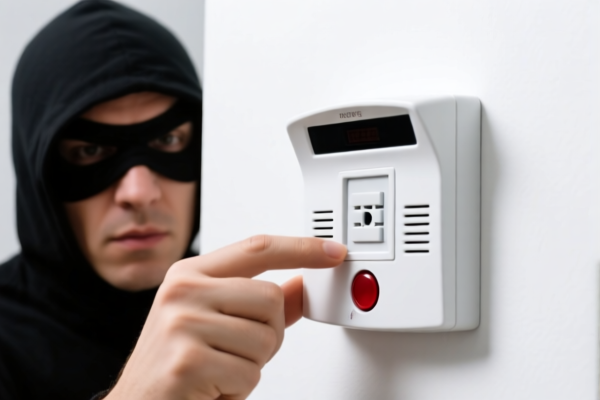
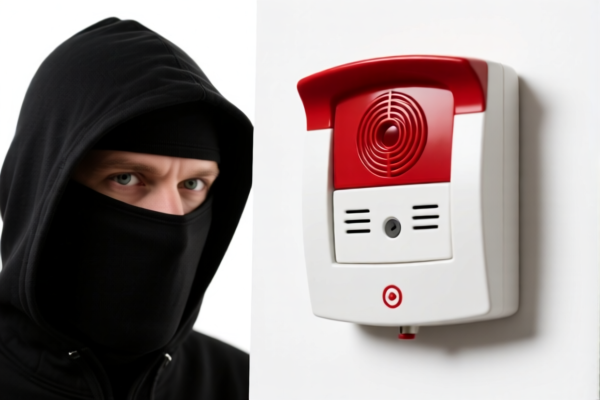
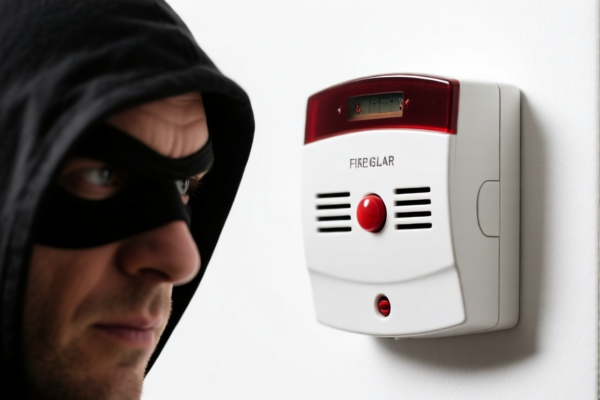

AI Analysis
🚨 Alarm Equipment: The Ultimate Customs Classification & Tax Guide for 2026
🌐 HS Code Reference & Customs Clearance Guide | 2026 Latest Tariff Analysis | Professional-Level Strategy
📌 I. Product Definition & Classification: Do You Really Understand "Alarm Equipment"?
"Alarm Equipment" is not a single, unified product category in international trade. It is a functional umbrella term that covers devices ranging from simple audible sirens to complex networked security systems. Misclassification here is the #1 cause of customs delays and excessive duties.
In the Harmonized System (HS), alarms are primarily split into two distinct families: 1. Sound/Visual Signaling Devices (Chapter 8531): Simple devices like sirens, horns, or strobe lights that react to a trigger but do not necessarily process complex data. 2. Independent Electrical Apparatus/Networked Devices (Chapter 8543): Smart sensors, integrated security systems, or devices that connect to networks/instruments and have independent functional purposes beyond simple signaling.
⚠️ Key Distinction Point:
- If the device is primarily a siren, horn, or visual indicator (beeping/lighting up) triggered by a security event → Chapter 8531.
- If the device is a smart sensor, control unit, or networked endpoint that processes data or acts as an independent appliance → Chapter 8543.
📦 II. HS Code Classification Matrix (2026 Latest Tariff Authority Comparison)
Based on the provided data, here are the four specific HS Codes applicable to "Alarm Equipment," categorized by their technical nature and tariff impact.
| HS Code | Product Description | Applicable Scenario | Technical Nature |
|---|---|---|---|
8531.10.00.35 |
Theft/Fire Alarm Signaling Devices | Theft or fire alarms, burglar alarms, smoke detectors (sound/visual output). | Signal Generation Device |
8531.10.00.45 |
Other Signaling Equipment (Catch-All) | Alarms for theft/fire that do not fit specific sub-categories; generic alarm bells/sirens. | Signal Generation Device |
8543.70.98.60 |
Independent Electrical Apparatus | Security alarms with independent functionality; complex electronic devices not solely for signaling. | Independent Electronic Appliance |
8543.70.60.00 |
Network/Instrument Connection Devices | Electronic devices designed to connect to specific networks or instruments; smart security hubs. | Networked Electronic Device |
🔍 Critical Reminder:
-8531.10.00.35is the most common code for standard burglar/fire alarms because they are explicitly described as devices for theft or fire alarm systems.
-8543.70.98.60applies if the alarm is considered an "Independent Electrical Apparatus" with broader functionality than just signaling.
-8543.70.60.00is for smart/networked alarm components that interface with larger systems.
-8531.10.00.45is the "catch-all" for signaling equipment that doesn't fit the specific theft/fire description of .35.
💰 III. 2026 Tariff Rate Breakdown (Including Additional Taxes)
✅ Applicable Market: United States (US)
✅ Origin: China (CN)
✅ Effective Time: 2025/2026 (Current Trade War Context)
The total tax rate for alarm equipment is extremely high due to the combination of Base Duties and Section 301/IEEPA Additional Tariffs. Below is the detailed breakdown for each classification.
🎯 1. 8531.10.00.35 — Theft/Fire Alarm Signaling Devices
| Item | Content |
|---|---|
| Base Tariff | 1.3% |
| Additional Tariff (Section 301) | +25.0% |
| Section 122 Tariff (IEEPA) | +10.0% |
| Total Effective Tax Rate | 36.3% |
| Tax Calculation | CIF Value × 36.3% |
| De Minimis Eligibility | ❌ NO (Denied due to high duty rates) |
| Legal Basis | Base Duty (HTSUS) + USITC Footnote 9903.88.01 + IEEPA 9903.01.25 |
📌 Explanation:
- This is the most common classification for standard home/business security alarms.
- The 36.3% rate is punitive. It combines the low base duty (1.3%) with the heavy 25% Section 301 tariff and the additional 10% IEEPA tariff.
- Cost Impact: For a $10,000 shipment, you pay $3,630 in duties alone.
🎯 2. 8531.10.00.45 — Other Signaling Equipment (Catch-All)
| Item | Content |
|---|---|
| Base Tariff | 1.3% |
| Additional Tariff (Section 301) | +25.0% |
| Section 122 Tariff (IEEPA) | +10.0% |
| Total Effective Tax Rate | 36.3% |
| Tax Calculation | CIF Value × 36.3% |
| De Minimis Eligibility | ❌ NO |
| Legal Basis | Same as above |
📌 Note:
- The tax rate is identical to8531.10.00.35.
- This code is used if your alarm does not fit the specific "theft or fire" description but is still a signaling device.
- Risk: If customs determines your device is a theft/fire alarm, they may reclassify it to.35(no tax difference) or challenge the description.
🎯 3. 8543.70.98.60 — Independent Electrical Apparatus
| Item | Content |
|---|---|
| Base Tariff | 2.6% |
| Additional Tariff (Section 301) | +25.0% |
| Section 122 Tariff (IEEPA) | +10.0% |
| Total Effective Tax Rate | 37.6% |
| Tax Calculation | CIF Value × 37.6% |
| De Minimis Eligibility | ❌ NO |
| Legal Basis | Base Duty (HTSUS) + USITC Footnote + IEEPA |
📌 Explanation:
- This code carries the highest total tax rate (37.6%).
- It applies if the alarm is deemed an "Independent Electrical Apparatus" (e.g., a complex smart security hub with processing capabilities).
- Why higher? The base duty is higher (2.6% vs 1.3%), and the additional tariffs remain the same.
- Strategy: Avoid this classification if a8531code applies, as it costs 1.3% more on the CIF value.
🎯 4. 8543.70.60.00 — Network/Instrument Connection Devices
| Item | Content |
|---|---|
| Base Tariff | 0.0% |
| Additional Tariff (Section 301) | +25.0% |
| Section 122 Tariff (IEEPA) | +10.0% |
| Total Effective Tax Rate | 35.0% |
| Tax Calculation | CIF Value × 35.0% |
| De Minimis Eligibility | ❌ NO |
| Legal Basis | Base Duty (HTSUS) + USITC Footnote + IEEPA |
📌 Explanation:
- This code offers the lowest total tax rate (35.0%).
- It applies to smart, networked alarm components that connect to instruments or networks.
- Why lower? The base duty is 0%, which saves 1.3–2.6% compared to other codes.
- Strategy: If your device is a smart sensor, Wi-Fi alarm, or IoT security node, argue for this classification to save up to 2.6% on the CIF value.
🛠️ IV. Customs Clearance Practical Advice (Battle-Tested Tips)
✅ 1. Documentation Checklist (Non-Negotiable)
| Document | Required? | Purpose |
|---|---|---|
| ✅ Technical Specification Sheet | ✔️ | Must clearly state if the device is a "signal generator" (8531) or "networked device" (8543). |
| ✅ Circuit Diagram/Block Diagram | ✔️ | Proves whether the device processes data (8543) or just triggers a sound/light (8531). |
| ✅ Product Photos (Including Label) | ✔️ | Shows interfaces (HDMI, USB, RJ45) which indicate network capability. |
| ✅ FCC ID / CE Certification | ✔️ | Mandatory for electronic alarms in the US. No FCC ID = Clearance Failure. |
| ✅ Commercial Invoice | ✔️ | Must describe the item accurately (e.g., "IoT Security Sensor" vs. "Burglar Alarm Siren"). |
| ✅ Packing List | ✔️ | Shows if accessories (sirens, sensors) are packed together. |
✅ 2. Classification Strategy (The "Save Money" Algorithm)
🔥 "Networked is Lower, Signal is Standard, Independent is Highest!"
| Device Type | Recommended HS Code | Total Tax | Why? |
|---|---|---|---|
| Smart Alarm / Wi-Fi Sensor | 8543.70.60.00 |
35.0% | Base duty is 0%. Argue it's a "device connecting to a network." |
| Standard Burglar Alarm | 8531.10.00.35 |
36.3% | Base duty 1.3%. Explicitly for "theft/fire alarms." |
| Generic Alarm Siren | 8531.10.00.45 |
36.3% | Base duty 1.3%. Catch-all for signaling. |
| Complex Security Hub | 8543.70.98.60 |
37.6% | Base duty 2.6%. Avoid if possible; highest tax. |
📌 Pro Tip:
- If your alarm has Wi-Fi, Ethernet, or Bluetooth, emphasize its networking capability in the description. Use terms like "IoT Security Module" or "Networked Alarm Interface" to push for8543.70.60.00(35.0%).
- If it is a simple wired siren or strobe, use8531.10.00.35(36.3%).
- Do not use8543.70.98.60unless your device has complex independent processing that doesn't fit the other categories. It costs you an extra 1.3–2.6%.
✅ 3. Special Scenarios & Pitfalls
| Scenario | Recommendation |
|---|---|
| OEM/White Label Alarms | Ensure the invoice description matches the technical function, not just the brand. |
| Alarms with Batteries | Ensure battery documentation (MSDS, UN38.3) is included. Lithium batteries add shipping complexity but don't change HS code. |
| Smart Home Integration | If the alarm integrates with Alexa/Google Home, highlight "Smart IoT" features to support 8543.70.60.00. |
| Fire vs. Burglar | 8531.10.00.35 covers both. No tax difference. Be precise in description. |
🌍 V. Global Market Comparison (2026)
| Market | Recommended HS Code | Approx. Duty (China Origin) | Notes |
|---|---|---|---|
| 🇺🇸 USA | 8531.10.00.35 / 8543.70.60.00 |
35.0% – 37.6% | Highest Duties due to Section 301 + IEEPA. |
| 🇨🇳 China | 8531.10.00.35 |
~1.3% | Low import duty. No additional tariffs. |
| 🇪🇺 EU | 8531.10.00.35 |
~2.7% | No Section 301. CE Certification required. |
| 🇬🇧 UK | 8531.10.00.35 |
~2.7% | Similar to EU. UKCA marking required. |
📌 Conclusion:
- The USA is the most challenging market for alarm equipment due to layered tariffs.
- Optimization is key: Use8543.70.60.00(35.0%) for smart devices to save money.
- Compliance is mandatory: FCC certification is non-negotiable for US entry.
📌 VI. Common Mistakes & How to Avoid Them
❌ Mistake 1: Calling all alarms "Security System" → Vague description leads to customs audit and reclassification to the highest tax bracket (8543.70.98.60 at 37.6%).
👉 Fix: Use specific technical terms: "Wired Burglar Alarm Siren" or "Wi-Fi Smart Motion Sensor."
❌ Mistake 2: Ignoring the Base Duty Difference → Assuming all alarms are taxed the same.
👉 Fix: Check the base duty! 8543.70.60.00 has 0% base, while others have 1.3–2.6%. This matters on large shipments.
❌ Mistake 3: Missing FCC Certification → Goods held at port, storage fees accumulate, or return shipment.
👉 Fix: Ensure every electronic alarm has a valid FCC ID listed on the product and invoice.
❌ Mistake 4: Splitting Shipments to Avoid Tariffs → Illegal and risky.
👉 Fix: Accurate classification is better than evasion. If taxes are high, consider duty drawback or foreign trade zone strategies if applicable.
✅ Correct Description Example:
"Model XYZ: 80dB Theft Alarm Siren, 12V DC, Signal Generation Device, FCC ID: ABC123, Made in China"
🎯 VII. Final Verdict: Professional Classification Saves Money!
🎯 Remember This Rule:
🔹 Networked/Smart? → Aim for
8543.70.60.00(35.0%).
🔹 Standard Alarm? → Use8531.10.00.35(36.3%).
🔹 Complex Independent Unit? →8543.70.98.60(37.6%) — Avoid if possible.
🔹 Generic Siren? →8531.10.00.45(36.3%).
📌 Action Plan:
1. Identify if your device is "Signaling" (8531) or "Networked/Independent" (8543).
2. Select the HS Code with the lowest base duty that accurately describes your product.
3. Prepare FCC docs and technical specs to support your classification.
4. Calculate the total landed cost including the 35–37.6% duty.
📣 Immediate Action:
📞 Consult a Customs Broker to pre-classify your specific alarm model.
📄 Get an Advance Ruling from CBP if shipping large volumes.
🚀 Optimize Your Supply Chain to absorb or mitigate the 35%+ tariff burden.
✨ Precision in Classification = Precision in Profit!
💼 Don't let ambiguous HS Codes eat your margins!
Customer Reviews
About HS Code Classification
The Harmonized System (HS) is an internationally standardized nomenclature developed by the World Customs Organization (WCO) to classify traded products. Over 200 countries use the HS system as the basis for customs tariffs, trade statistics, and import/export regulations.
Each HS code follows a hierarchical structure:
- Chapter (2 digits) — Broad category of goods (e.g., Chapter 84: Machinery and Mechanical Appliances)
- Heading (4 digits) — More specific grouping within the chapter
- Subheading (6 digits) — Internationally standardized breakdown, used by all WCO member countries
- National subdivisions (8-10 digits) — Country-specific extensions for further classification, such as US HTSUS 10-digit codes
Correct HS code classification is essential for smooth customs clearance, accurate duty payment, and compliance with trade regulations. Misclassification can lead to customs delays, overpayment of duties, or penalties.
When importing from CN to US, the applicable tariff rates may include:
- Most-Favored-Nation (MFN) rate — The standard duty rate applied to WTO members
- General rate — Applied to countries without trade agreements
- Trade remedy duties — Additional tariffs such as Section 301 (anti-dumping), Section 232 (national security), or countervailing duties
The information provided on this page is for reference purposes only. For official classification, please consult with your local customs authority or a licensed customs broker.