Alarm Indicator
CN → US| HS Code | Tariff Rate | Origin | Destination | Doc |
|---|---|---|---|---|
| 8543707100 | 37.0% | CN | US | Official Doc |
| 8531200040 | 35.0% | CN | US | Official Doc |
| 8531809026 | 17.5% | CN | US | Official Doc |
| 8543709860 | 37.6% | CN | US | Official Doc |
| 8512202080 | 35.0% | CN | US | Official Doc |
Product Images
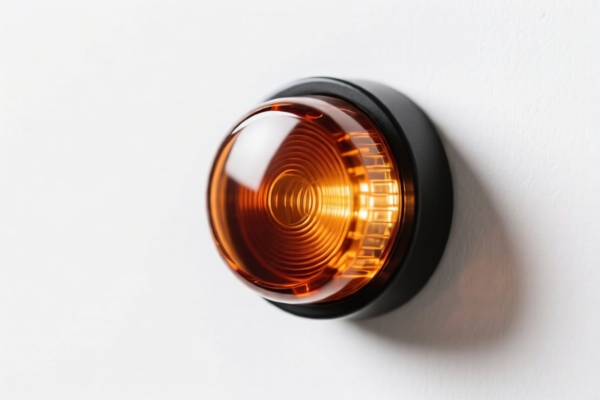
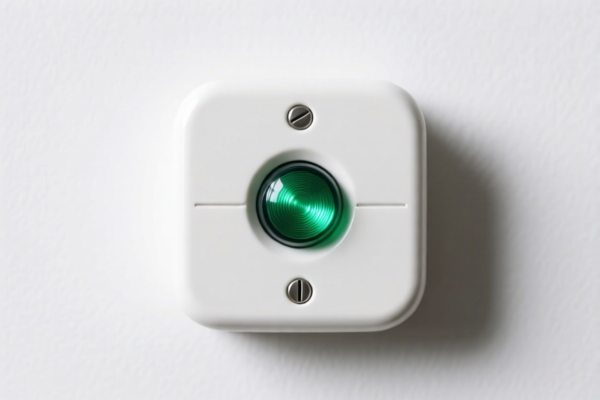
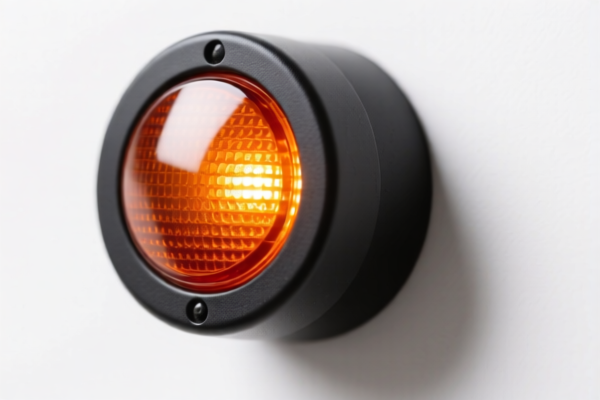
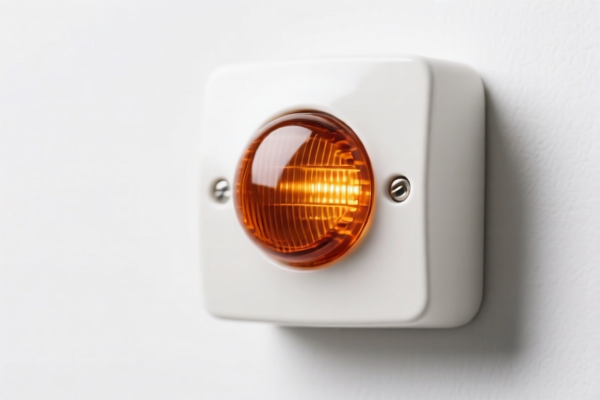
AI Analysis
🚨 Alarm Indicators (Warning Lights & Signal Devices)
🌐 HS Code Reference & Customs Clearance Guide | 2026 Latest Tariff Analysis | Professional Clearance Strategy
📌 I. Product Definition & Classification: Do You Really Understand "Alarm Indicators"?
Alarm Indicators are critical components in industrial control, automotive, marine, and consumer electronic systems. They serve as visual or auditory signals to alert operators to system status, faults, or warnings. In international trade, they are not a single unified category but are split based on function, application, and technical complexity.
Visual Signal Components (Standalone/Panel-Mounted): Simple lights, LEDs, or strobes used for status indication, not necessarily for traffic or specific vehicle signaling.
Vehicle/Transport Signal Devices: Warning flashers, turn signals, or alarm lights specifically designed for road vehicles.
Integrated Electrical Apparatus: Complex signal devices with independent electronic functions, microcontrollers, or specific machine-integrated roles.
⚠️ Key Distinction Point:
- If it is a simple visual signal (LED, bulb, strobe) mounted on a panel → Look at 8531.
- If it is a vehicle-specific warning light → Look at 8512.
- If it has independent complex electronic functionality beyond simple signaling → Look at 8543.
📦 II. HS Code Classification Details (2026 Latest Tariff Authority Comparison)
| HS Code | Product Description | Application Scenario | Functional Complexity |
|---|---|---|---|
8543.70.71.00 |
Electric lamps/equipment; independent function; matches other machinery/appliance categories | Complex industrial alarm panels, smart signalers with integrated logic | ✅ High (Independent electronic function) |
8531.20.00.40 |
Electric sound or visual signal apparatus; visual signal components under indication panels | Standard industrial panel indicators, status LEDs, simple alarm lights | ✅ Low (Basic visual signal component) |
8531.80.90.26 |
Alarm indicators highly matching indication panels and electric/visual signal devices | General-purpose visual alarms, non-vehicle specific warning lights | ✅ Low-Medium (General signal device) |
8543.70.98.60 |
Electric apparatus with independent functions; fits other machinery/appliance categories | Advanced alarm units with data processing or complex interface capabilities | ✅ High (Advanced independent apparatus) |
8512.20.20.80 |
Electrical lighting or signaling equipment; warning flashlights for vehicles | Vehicle-specific warning strobes, emergency beacon lights, automotive alarm LEDs | ✅ Medium (Vehicle-specific application) |
🔍 Key Reminder:
-8531.xxxxis the most common category for general industrial/commercial alarm lights.
-8512.20.20.80is strictly for vehicle-related signaling (automotive, marine, etc.). Misclassifying a vehicle light as a general industrial light can lead to audit issues.
-8543applies when the indicator has independent electronic processing beyond basic signaling (e.g., Wi-Fi enabled smart alarm, complex logic controller).
💰 III. 2026 Latest Tariff Rate Breakdown (Including Surtaxes, Policy Add-ons)
✅ Applicable Country: United States (US)
✅ Origin: China (CN)
✅ Effective Time: From November 10, 2025 (Including subsequent imports)
🎯 1. 8543.70.71.00 – Alarm Indicator (Independent Function / Machinery Category)
| Item | Content |
|---|---|
| Base Tariff | 2.0% (ad valorem) |
| USITC Surtax (Section 301) | +25% |
| IEEPA Surtax | +10% (China/HK products, from Nov 10, 2025) |
| Total Tariff Rate | 37.0% |
| Tax Calculation | CIF Value × 37.0% |
| De Minimis Exemption | ❌ Not Eligible (deny_de_minimis) |
| Legal Basis Path | IEEPA:9903.01.25 → USITC:8543.70.71.00 → FOOTNOTE:9903.88.01 |
📌 Explanation:
- This code is for indicators with independent electrical/electronic functions that don't fit strictly into simple signaling categories.
- The 37% total rate is significantly high. Ensure the product truly has "independent function" complexity; otherwise, a lower-tariff code might be applicable.
🎯 2. 8531.20.00.40 – Alarm Indicator (Visual Signal Component)
| Item | Content |
|---|---|
| Base Tariff | 0.0% |
| USITC Surtax (Section 301) | +25% |
| IEEPA Surtax | +10% |
| Total Tariff Rate | 35.0% |
| Tax Calculation | CIF Value × 35.0% |
| De Minimis Exemption | ❌ Not Eligible |
| Legal Basis Path | IEEPA:9903.01.25 → USITC:8531.20.00.40 → FOOTNOTE:9903.88.01 |
📌 Note:
- This is a standard industrial indicator code.
- Even though the base tariff is 0%, the 25% + 10% surtaxes bring the total to 35%.
- Ideal for simple LEDs, bulbs, or strobe lights used in control panels.
🎯 3. 8531.80.90.26 – Alarm Indicator (General Signal Device)
| Item | Content |
|---|---|
| Base Tariff | 0.0% |
| USITC Surtax (Section 301) | +7.5% |
| IEEPA Surtax | +10% |
| Total Tariff Rate | 17.5% |
| Tax Calculation | CIF Value × 17.5% |
| De Minimis Exemption | ❌ Not Eligible |
| Legal Basis Path | IEEPA:9901.25 → USITC:8531.80.90.26 → FOOTNOTE:9903.88.01 |
📌 Crucial Advantage:
- This is the LOWEST TARIFF CODE among the valid classifications for general alarm indicators.
- Only 17.5% total tariff (Base 0% + 7.5% 301 Surtax + 10% IEEPA).
- Condition: The device must be a general-purpose visual signal device not classified as a "component" (8531.20) or "vehicle signal" (8512). Use this if the product fits the description "highly matching indication panels and electric/visual signal devices."
🎯 4. 8543.70.98.60 – Alarm Indicator (Other Independent Apparatus)
| Item | Content |
|---|---|
| Base Tariff | 2.6% |
| USITC Surtax (Section 301) | +25% |
| IEEPA Surtax | +10% |
| Total Tariff Rate | 37.6% |
| Tax Calculation | CIF Value × 37.6% |
| De Minimis Exemption | ❌ Not Eligible |
| Legal Basis Path | IEEPA:9903.01.25 → USITC:8543.70.98.60 → FOOTNOTE:9903.88.01 |
📌 Note:
- Similar to8543.70.71.00, this is for complex independent electrical apparatus.
- Highest tariff (37.6%). Only use if the product does NOT fit8543.70.71.00and has independent functions beyond simple signaling.
🎯 5. 8512.20.20.80 – Warning Flashing Light (Vehicle Specific)
| Item | Content |
|---|---|
| Base Tariff | 0.0% |
| USITC Surtax (Section 301) | +25% |
| IEEPA Surtax | +10% |
| Total Tariff Rate | 35.0% |
| Tax Calculation | CIF Value × 35.0% |
| De Minimis Exemption | ❌ Not Eligible |
| Legal Basis Path | IEEPA:9903.01.25 → USITC:8512.20.20.80 → FOOTNOTE:9903.88.01 |
📌 Warning:
- This code is STRICTLY for vehicle warning lights (e.g., emergency strobes, automotive alarm lights).
- Do NOT use this for general industrial alarm lights. Misclassification can lead to penalties.
- If your alarm indicator is NOT for vehicles, do NOT use this code.
🛠️ IV. Customs Clearance Practical Advice (Combat Pitfall Guide)
✅ 1. Preparation Checklist (Missing Any One = Delay)
| Document | Required | Explanation |
|---|---|---|
| ✅ Product Specifications | ✔️ | Dimensions, voltage, wattage, IP rating, color, frequency. |
| ✅ Circuit Diagram / Schematic | ✔️ | Critical to distinguish between 8531 (simple) and 8543 (complex/independent). |
| ✅ Product Photos (with Nameplate) | ✔️ | Clear view of label, model number, input/output parameters. |
| ✅ Third-Party Test Report | ✔️ | UL, CE, RoHS, FCC (if wireless), IEC 60529 (IP rating). |
| ✅ Commercial Invoice | ✔️ | Clearly state "Alarm Indicator" or "Warning Light," NOT just "Light." |
| ✅ Certificate of Origin (CO) | ✔️ | If not CN origin, may qualify for lower tariffs. |
| ✅ Packing List | ✔️ | Show relationship between main unit and accessories. |
✅ 2. Declaration Tips (Key Mantra)
🔥 “Function Dictates Code, Vehicle vs. Industrial, Complexity Matters, Surtax Saves Time!”
| Scenario | Correct Declaration | Wrong Practice |
|---|---|---|
| Simple Industrial Panel Indicator | 8531.20.00.40 or 8531.80.90.26 |
Declare as 8543 → Higher tariff (37%) |
| Vehicle Warning Strobe | 8512.20.20.80 |
Declare as 8531 → Risk of audit/misclassification |
| Smart Alarm with Data Processing | 8543.70.71.00 |
Declare as 8531 → Under-declaration risk |
| Simple LED Light | 8531.80.90.26 (17.5%) |
Declare as 8531.20.00.40 (35%) → Pay double tax! |
✅ 3. Special Cases Handling
| Situation | Handling Advice |
|---|---|
| OEM Custom Alarm Lights | Provide customer PO + design drawings to prove functional intent. |
| Multi-Color/Programmable Indicators | If it has independent processing, consider 8543; if just wiring colors, stick to 8531. |
| Alarm Lights for Marine Use | If not road-vehicle related, may still fall under 8531 or 8543, NOT 8512. |
| Integrated with Control Panel | If shipped with a control panel, may be classified as part of the panel (8537), not as a separate indicator. |
🌍 V. Global Market Comparison (2026 Latest)
| Country/Region | Recommended HS Code | Tariff | Certification | Remarks |
|---|---|---|---|---|
| 🇺🇸 USA | 8531.80.90.26 |
17.5% | FCC, UL, CE | Lowest US tariff for general indicators |
| 🇨🇳 China | 8531.20.00.40 |
~7.5-10% | CCC | No US surtaxes |
| 🇪🇺 EU | 8531.20.00.40 |
0% | CE, RoHS | No additional surtaxes |
| 🇯🇵 Japan | 8531.20.00.40 |
0-5% | PSE | Low tariff |
| 🇦🇺 Australia | 8531.20.00.40 |
5% | RCM | No surtaxes |
📌 Conclusion:
- USA is the only market imposing high surtaxes on Chinese-made indicators.
-8531.80.90.26(17.5%) is the optimal code for general industrial alarm indicators to minimize US duty.
- Avoid8543unless the product has clear independent electronic functionality.
📌 VI. Common Mistakes & Pitfalls (Lessons Learned)
❌ Mistake 1: Declaring a simple LED indicator as 8543 (Independent Apparatus)
👉 Result: Pay 37% instead of 17.5% → Double tax cost!
❌ Mistake 2: Declaring a vehicle warning light as 8531
👉 Result: Customs may flag for misclassification, delay, or penalties.
❌ Mistake 3: Not providing circuit diagrams for complex indicators
👉 Result: Customs cannot determine if it’s 8531 or 8543 → Delay or worst-case classification.
❌ Mistake 4: Using generic terms like "Light" or "Bulb"
👉 Result: Ambiguity leads to higher scrutiny and potential misclassification.
✅ Correct Practice:
"Visual Alarm Indicator, LED, 24V DC, IP65, Panel Mount, No Independent Data Processing, Model ABC, UL & CE Certified"
🎯 VII. Conclusion: Professional Declaration, Save Time, Reduce Costs!
🎯 Remember the Mantra:
🔹 "Simple Signal = 8531, Vehicle = 8512, Complex = 8543"
🔹 "Target 17.5% with 8531.80.90.26 for General Indicators"
🔹 "Surtax is 10% + 7.5% (or 25%), Plan Ahead!"
📌 Pro Tip:
If your product is not for vehicles and has no complex independent processing, strive for
8531.80.90.26. This saves 17.5% in tariffs compared to other codes.
Consider applying for an Advance Ruling from US Customs to lock in the classification.
📣 Take Action Now:
📞 Contact a professional customs broker + Provide product specs + Request HS Code Advance Ruling
🚀 Ensure your alarm indicators clear customs smoothly, reduce costs, and boost profit margins!
✨ Professional customs clearance starts with accurate classification!
💼 Every cent of tariff savings is pure profit!
Customer Reviews
About HS Code Classification
The Harmonized System (HS) is an internationally standardized nomenclature developed by the World Customs Organization (WCO) to classify traded products. Over 200 countries use the HS system as the basis for customs tariffs, trade statistics, and import/export regulations.
Each HS code follows a hierarchical structure:
- Chapter (2 digits) — Broad category of goods (e.g., Chapter 84: Machinery and Mechanical Appliances)
- Heading (4 digits) — More specific grouping within the chapter
- Subheading (6 digits) — Internationally standardized breakdown, used by all WCO member countries
- National subdivisions (8-10 digits) — Country-specific extensions for further classification, such as US HTSUS 10-digit codes
Correct HS code classification is essential for smooth customs clearance, accurate duty payment, and compliance with trade regulations. Misclassification can lead to customs delays, overpayment of duties, or penalties.
When importing from CN to US, the applicable tariff rates may include:
- Most-Favored-Nation (MFN) rate — The standard duty rate applied to WTO members
- General rate — Applied to countries without trade agreements
- Trade remedy duties — Additional tariffs such as Section 301 (anti-dumping), Section 232 (national security), or countervailing duties
The information provided on this page is for reference purposes only. For official classification, please consult with your local customs authority or a licensed customs broker.