Album Folder
CN → US| HS Code | Tariff Rate | Origin | Destination | Doc |
|---|---|---|---|---|
| 4602192940 | 40.3% | CN | US | Official Doc |
| 4820500000 | 35.0% | CN | US | Official Doc |
| 4820900000 | 35.0% | CN | US | Official Doc |
| 3926909989 | 22.8% | CN | US | Official Doc |
| 4820300040 | 35.0% | CN | US | Official Doc |
| 3926908700 | 40.3% | CN | US | Official Doc |
Product Images
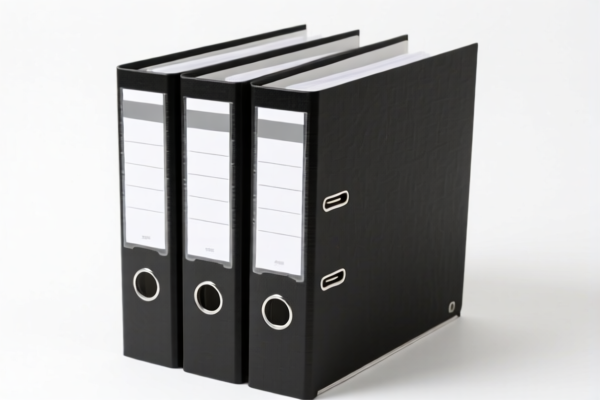
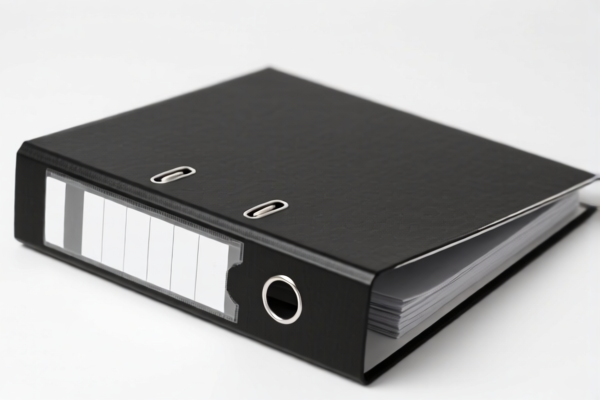
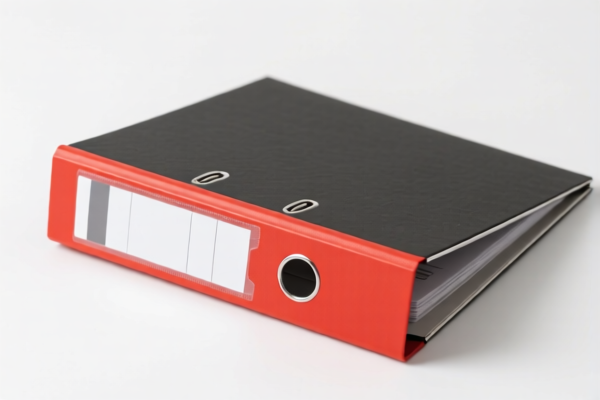
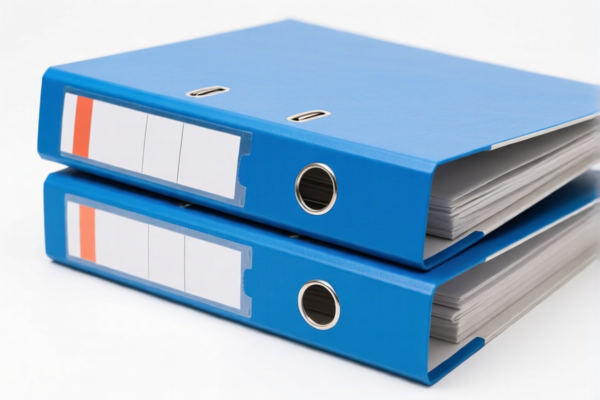
AI Analysis
📁 Album & Folder (Albums & File Folders)
🌐 HS Code Reference & Customs Clearance Guide | 2026 Latest Tariff Analysis | Professional Strategy
📌 I. Product Definition & Classification: What Exactly Are You Shipping?
In international trade, "Albums" and "Folders" are often confused but fall into distinctly different categories based on material and primary function. Understanding the nuance is critical because the tariff difference between paper, plastic, and leather-based items can be significant, especially under current US trade restrictions.
1. Albums (Photo Albums / Sample Books)
Definition: Books or cases designed for holding photographs, stamps, coins, or samples.
* Key Determinant: If made of paper/cardboard, it falls under Chapter 48. If made of plastic, leather, or other materials*, it may fall under Chapter 42 or 46.
2. File Folders (Document Organizers)
Definition: Items used to organize loose papers, documents, or notes.
* Key Determinant:
* Paper/Cardboard: Standard file folders → Chapter 48.
* Plastic: Plastic sleeve folders or binders → Chapter 39.
* Mixed/Luxury Materials:* Pockets/purses containing folders → Chapter 42.
⚠️ Critical Distinction Point:
- Paper-based Albums/Folders: Generally lower base duty, but subject to specific "122 Clause" tariffs.
- Plastic-based Albums: Often treated as general plastics with higher base duties + Section 301 tariffs.
- Leather/Mixed Albums: Treated as accessories (Chapter 42), often attracting the highest combined duties.
📦 II. HS Code Classification Details (2026 Latest Tariff Mapping)
| HS Code | Product Description | Material/Form Factor | Logic / Summary from Data |
|---|---|---|---|
4602.19.29.40 |
Other woven material albums | Plastic-like/Woven | "Based on common sense, albums are often paper/plastic, flat products, classified as other miscellaneous items." |
4820.50.00.00 |
Photo Albums (Paper) | Paper/Cardboard | "Purpose: Collection/display. Material: Paper/Cardboard. Fits sample/collectible book description." |
4820.90.00.00 |
Other Albums/Notebooks (Paper) | Paper/Cardboard | "Purpose: Albums for samples or collection. Material: Paper/Cardboard." |
4202.32.20.00 |
File Folders (Mixed/Luxury) | Leather/Plastic/Other | "Portability: Pockets/handbags. Material: Includes plastic sheets/cardboard. Fits 'other articles' with plastic outer surface." |
3926.90.87.00 |
File Folders (Plastic) | Pure Plastic | "Material: Plastic. Form: Flat. Fits plastic product attributes and flat shape description." |
4820.30.00.40 |
File Folders (Paper) | Paper/Cardboard | "Type: Paper stationery. Material: Paper/Cardboard. No material/form conflict." |
🔍 Key Insight:
- Paper Products (48xx) generally have 0% Base Duty but face the full burden of Add-on tariffs.
- Plastic Products (39xx) and Miscellaneous (46xx) face 5.3% Base Duty + Add-ons.
- Luxury/Mixed Products (42xx) face the highest total duty (55%) due to a 20% Base Duty.
💰 III. 2026 Latest Tariff Rate Breakdown (US Market Focus)
✅ Applicable Country: United States (US)
✅ Origin: China (CN)
✅ Effective Date: Current restrictions remain active (Section 301 + IEEPA 122 Clause)
🎯 1. Paper Albums & Folders (4820.50.00.00, 4820.90.00.00, 4820.30.00.40)
| Item | Content |
|---|---|
| Base Tariff | 0.0% (Ad Valorem) |
| Section 301 Tariff | +25.0% (Trade Remedy Duties) |
| IEEPA 122 Clause Tariff | +10.0% (China-specific surcharge) |
| Total Tariff | 35.0% |
| Tax Calculation | CIF Value × 35% |
| De Minimis Eligibility | ❌ No (High duty rates usually exclude Section 321 de minimis benefits for certain goods, or risk seizure if misdeclared) |
| Legal Basis Path | HTSUS:4820 → Footnote 9903.88.01 (Section 301) → IEEPA:9903.01.24 (122 Clause) |
📌 Explanation:
- Although the base duty is 0%, the 35% effective rate is substantial.
- The 122 Clause (10%) is specific to certain Chinese goods and compounds with the Section 301 tariff.
- Strategy: Ensure the description clearly states "Paper Album" or "Cardboard Folder" to avoid being misclassified as plastic (which might incur higher base duties).
🎯 2. Plastic Folders (3926.90.87.00) & Woven/Misc Albums (4602.19.29.40)
| Item | Content |
|---|---|
| Base Tariff | 5.3% |
| Section 301 Tariff | +25.0% |
| IEEPA 122 Clause Tariff | +10.0% |
| Total Tariff | 40.3% |
| Tax Calculation | CIF Value × 40.3% |
| De Minimis Eligibility | ❌ No |
| Legal Basis Path | HTSUS:3926 or 4602 → Footnote 9903.88.01 → IEEPA:9903.01.24 |
📌 Note:
- Plastic folders incur a 5.3% base duty on top of the 35% add-ons.
- Even if the product looks like paper, if it has significant plastic components (e.g., clear plastic sleeves), customs may classify it under3926or4602.
🎯 3. Luxury/Mixed Folders (4202.32.20.00)
| Item | Content |
|---|---|
| Base Tariff | 20.0% |
| Section 301 Tariff | +25.0% |
| IEEPA 122 Clause Tariff | +10.0% |
| Total Tariff | 55.0% |
| Tax Calculation | CIF Value × 55.0% |
| De Minimis Eligibility | ❌ No |
| Legal Basis Path | HTSUS:4202 → Footnote 9903.88.01 → IEEPA:9903.01.24 |
📌 Warning:
- This is the most expensive category.
- Applies to folders that are considered "articles of a kind normally carried in the pocket or handbag" made of plastic, paperboard, or other materials, often classified as fashion accessories rather than pure office supplies.
- Avoid this classification if possible by ensuring the product is described strictly as "Stationery/File Folder" and not "Fashion Accessory."
🛠️ IV. Customs Clearance Practical Advice (Avoiding Pitfalls)
✅ 1. Documentation Checklist (Non-Negotiable)
| Document | Required? | Purpose |
|---|---|---|
| ✅ Product Specification Sheet | ✔️ | Must clearly state Material Composition (e.g., "90% Cardboard, 10% Plastic Sleeves") |
| ✅ High-Res Photos | ✔️ | Show the interior pages/sleeves to prove it's for albums/folders, not general containers |
| ✅ Commercial Invoice | ✔️ | Description must include: "Paper Photo Album" or "Plastic File Folder", NOT just "Album" |
| ✅ Packing List | ✔️ | Ensure weight and dimensions match the declared HS Code logic |
✅ 2. Declaration Tips (Key Mantra)
🔥 "Material Defines Code, Purpose Defines Chapter!"
| Scenario | Correct Declaration | Incorrect Declaration | Risk |
|---|---|---|---|
| Paper Album | "Photo Album, Paper/Cardboard, For Home Use" |
"Plastic Album" |
Misclassification Penalty: If customs suspects plastic, duty jumps to 40.3% or 55% |
| Plastic Folder | "Plastic Document Folder, PVC Material" |
"Stationery Folder" |
Ambiguity: Customs may request detailed material breakdown |
| Mixed Material | "Fashion Folder, Leather/Plastic" |
"Paper Folder" |
High Duty Trap: If declared as paper, but is actually mixed, you face 55% duty + penalties |
| Gift Set | "Album Set, Contents: 1 Paper Album, 2 Pens" |
"Gift Set" |
Split Valuation: Each item may be taxed separately at different rates |
✅ 3. Special Cases
| Situation | Handling Advice |
|---|---|
| Custom-Printed Albums | Provide the print file or mockup to prove it's a "Photo Album" (Chapter 48) and not a generic notebook. |
| Folders with Metal Parts | If metal rings constitute >50% of value, it might shift to Chapter 82/83, but usually, if plastic/paper is dominant, Chapter 48/39 applies. Check with a broker. |
| OEM Private Label | Ensure the invoice lists the buyer and the manufacturer clearly to avoid "Country of Origin" disputes. |
🌍 V. Global Market Comparison (2026 Latest)
| Country/Region | Recommended HS Code | Tariff (China Origin) | Certification Req. | Notes |
|---|---|---|---|---|
| 🇺🇸 USA | 4820.50.00.00 (Paper) |
35.0% | None specific, but FDA/CPSC may apply if children's | High Section 301 + 122 Clause impact |
| 🇺🇸 USA | 4202.32.20.00 (Mixed) |
55.0% | None | Avoid this code if it's just a folder! |
| 🇪🇺 EU | 4820.50.00.00 |
Varies (usually 0-6.5%) | CE (if applicable) | No Section 301 or IEEPA tariffs |
| 🇨🇳 China | 4820.50.00.00 |
Varies | CCC (if applicable) | Internal trade, no export duties |
| 🇬🇧 UK | 4820.50.00.00 |
Varies | UKCA | Post-Brexit rules apply |
📌 Conclusion:
- The US market is the most challenging for Albums/Folders due to the 35%-55% tariff burden.
- Paper-based products (4820) are the most cost-effective for export to the US (35% total vs 40-55%).
- EU/UK markets offer much lower tariffs, making them preferable for cost-sensitive exports.
📌 VI. Common Errors & Pitfalls (Blood & Tears Lessons)
❌ Error 1: Declaring a Plastic Folder as "Paper Album"
👉 Consequence: Customs inspection reveals plastic content → Back-duties + Fines + Delay.
👉 Fix: Be accurate. Use 3926.90.87.00 for plastic.
❌ Error 2: Declaring a Mixed Material Folder as "Stationery"
👉 Consequence: If deemed a "handbag accessory," duty spikes to 55%.
👉 Fix: If it's a functional office item, emphasize "File Folder" and "Office Supply" in the description.
❌ Error 3: Ignoring the 122 Clause (10%)
👉 Consequence: Underpricing leads to seizure because many brokers forget this surcharge on Chinese goods.
👉 Fix: Always calculate Base + 25% + 10% for US exports from China.
✅ Correct Practice:
"Photo Album, 100% Cardboard, 100 Page Capacity, Black Cover, For Personal Use, HS: 4820.50.00.00"
🎯 VII. Conclusion: Professional Declaration, Cost Optimization!
🎯 Remember the Mantra:
🔹 "Paper is King (0% Base), Plastic is Moderate (5.3% Base), Mixed is Expensive (20% Base)."
🔹 "Add 35% for Paper Albums to US, 40% for Plastic, 55% for Mixed. Always!"
📌 Pro Tip:
If your albums/folders are made of bamboo, wood, or leather, they fall into Chapter 44 or 42, which may have different tariff structures. Do not assume 4820 applies to all non-paper items.
📣 Immediate Action:
📞 Contact a Customs Broker + Provide Material Breakdown + Apply for Advance Ruling if shipment value is high.
🚀 Get your Albums and Folders cleared smoothly, efficiently, and profitably!
✨ Professional Clearance Starts with Accurate Classification!
💼 Your every cent of cost deserves precise calculation!
Customer Reviews
About HS Code Classification
The Harmonized System (HS) is an internationally standardized nomenclature developed by the World Customs Organization (WCO) to classify traded products. Over 200 countries use the HS system as the basis for customs tariffs, trade statistics, and import/export regulations.
Each HS code follows a hierarchical structure:
- Chapter (2 digits) — Broad category of goods (e.g., Chapter 84: Machinery and Mechanical Appliances)
- Heading (4 digits) — More specific grouping within the chapter
- Subheading (6 digits) — Internationally standardized breakdown, used by all WCO member countries
- National subdivisions (8-10 digits) — Country-specific extensions for further classification, such as US HTSUS 10-digit codes
Correct HS code classification is essential for smooth customs clearance, accurate duty payment, and compliance with trade regulations. Misclassification can lead to customs delays, overpayment of duties, or penalties.
When importing from CN to US, the applicable tariff rates may include:
- Most-Favored-Nation (MFN) rate — The standard duty rate applied to WTO members
- General rate — Applied to countries without trade agreements
- Trade remedy duties — Additional tariffs such as Section 301 (anti-dumping), Section 232 (national security), or countervailing duties
The information provided on this page is for reference purposes only. For official classification, please consult with your local customs authority or a licensed customs broker.