Alcohol Stove
CN → US| HS Code | Tariff Rate | Origin | Destination | Doc |
|---|---|---|---|---|
| 7611000090 | 37.6% | CN | US | Official Doc |
| 7611000030 | 37.6% | CN | US | Official Doc |
| 8402190000 | 40.2% | CN | US | Official Doc |
| 8402900090 | 39.3% | CN | US | Official Doc |
| 7321120000 | 60.0% | CN | US | Official Doc |
| 7321821000 | 70.4% | CN | US | Official Doc |
Product Images
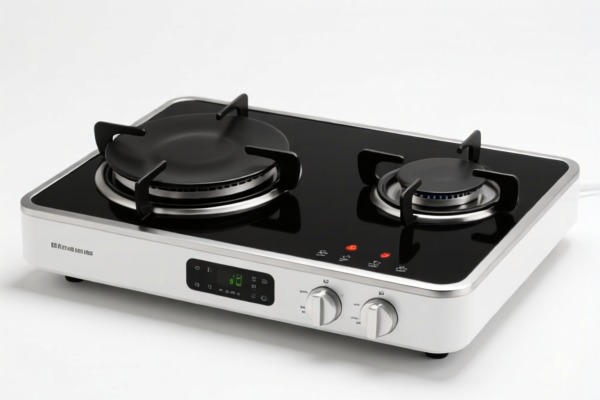
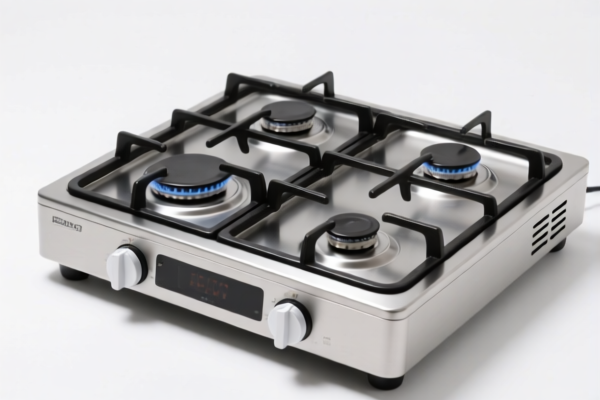
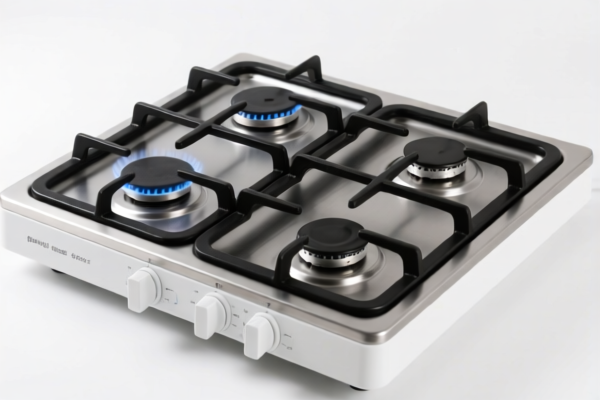
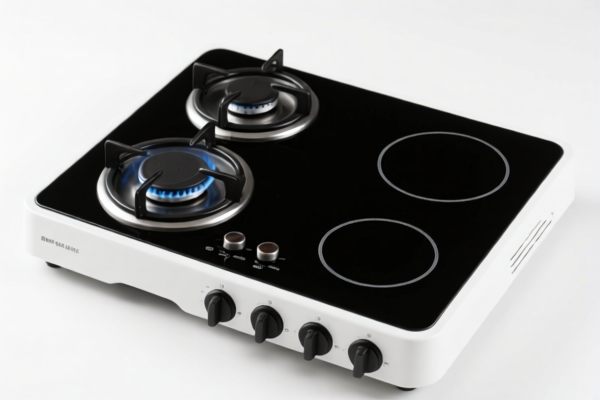
AI Analysis
🔥 Alcohol Stoves (Portable Liquid Fuel Appliances)
🌐 HS Code Reference & Customs Clearance Guide | 2026 Latest Tariff Analysis | Professional Strategy for Iron & Steel Alloys
📌 I. Product Definition & Classification: What Exactly is an "Alcohol Stove"?
In international trade, "Alcohol Stoves" typically fall under the broader category of non-electric domestic appliances of iron or steel used for cooking or heating. They are distinct from electric hot plates and gas burners.
Key Product Types: 1. Portable Camping Stoves: Lightweight, foldable, designed for outdoor use (hiking, backpacking). 2. Stationary/Tabletop Stoves: Heavier, fixed base, used for indoor camping, RVs, or emergency home heating/cooking.
⚠️ Critical Distinction:
- If the stove is primarily for liquid fuel (alcohol, kerosene, diesel) and made of iron or steel, it belongs in Chapter 73.
- If it is electric, it belongs in Chapter 85.
- If it is gas-powered (propane/butane), it also generally belongs in Chapter 73 but may have different sub-heading nuances (often 7321.12 for non-portable or specific designs).
- This guide focuses on the specific data provided for Iron/Steel Liquid Fuel Stoves.
📦 II. HS Code Classification Details (2026 Authoritative Mapping)
Based on the provided data, there are two primary HS Codes depending on the portability and design of the alcohol stove.
| HS Code | Product Description | Applicable Scenario | Portability | Material |
|---|---|---|---|---|
7321.12.00.00 |
Cooking appliances and plate warmers: For liquid fuel | Standard tabletop alcohol stoves, non-portable or semi-portable units for RVs, boats, or indoor emergency use. | ❌ Non-Portable / Fixed | Iron or Steel |
7321.82.10.00 |
Other appliances: For liquid fuel: Portable | Lightweight, foldable, or backpacking alcohol stoves (e.g., Trangia-style, metal cup stoves). | ✅ Portable | Iron or Steel |
🔍 Key Clarification:
-7321.12.00.00is the general category for liquid fuel appliances that are not classified as portable. This often includes larger units, integrated kitchen components, or stoves with permanent fixtures.
-7321.82.10.00is strictly for Portable appliances. If your alcohol stove is designed to be carried easily (folding legs, lightweight metal body), it likely falls here.
- Material Constraint: Both codes specify "of iron or steel". If the stove is made primarily of aluminum, brass, or plastic, these codes may not apply (see Section V for Aluminum Containers).
💰 III. 2026 Tariff Rate Breakdown (Including Additional Duties)
✅ Applicable Country: United States (US)
✅ Origin: China (CN)
✅ Effective Date: 2025 November 10 onwards
🎯 1. 7321.12.00.00 —— Non-Portable Liquid Fuel Cooking Appliances
| Item | Detail |
|---|---|
| Base Tariff | 0.0% |
| Additional Tariff | 0.0% |
| Steel/Aluminum/Copper Surcharge | 50% |
| Total Tax Rate | 50.0% |
| Tax Calculation | CIF Value × 50% |
| De Minimis Exemption | ❌ Not Available |
| Legal Basis Path | USITC:7321.12.00.00 → Steel/Aluminum Surcharge: 50% |
📌 Explanation:
- Although the base MFN tariff is 0%, the 50% surcharge on Steel products applies heavily.
- Since alcohol stoves are primarily made of iron or steel, they are subject to the Section 232/Steel Surcharge.
- Total Cost Impact: You must budget for a 50% duty on the CIF value. This is a high-cost category for steel-based appliances.
🎯 2. 7321.82.10.00 —— Portable Liquid Fuel Appliances
| Item | Detail |
|---|---|
| Base Tariff | 0.0% |
| Additional Tariff | 0.0% |
| Steel/Aluminum/Copper Surcharge | 50% |
| Total Tax Rate | 50.0% |
| Tax Calculation | CIF Value × 50% |
| De Minimis Exemption | ❌ Not Available |
| Legal Basis Path | USITC:7321.82.10.00 → Steel/Aluminum Surcharge: 50% |
📌 Note:
- Even though it is "portable," the material (iron/steel) triggers the same 50% surcharge.
- Total Cost Impact: Identical to the non-portable version. Do not assume "portable" means lower duty.
🛠️ IV. Customs Clearance Practical Advice (Real-World Pitfall Avoidance)
✅ 1. Required Documentation Checklist
| Document | Mandatory? | Notes |
|---|---|---|
| ✅ Product Specifications | ✔️ | Must clearly state: "Alcohol Stove," "Liquid Fuel," "Iron/Steel Construction." |
| ✅ Material Composition Proof | ✔️ | Certificate of Material Analysis confirming >50% iron/steel weight to justify HS 73 classification. |
| ✅ Product Photos | ✔️ | Show the burner, fuel container, and overall structure. |
| ✅ Commercial Invoice | ✔️ | Explicitly describe as "Portable Alcohol Stove, Steel, for Cooking." Avoid vague terms like "Kitchen Tool." |
| ✅ Origin Certificate | ✔️ | Crucial for determining if any origin-based exemptions apply (though steel surcharges are often origin-agnostic for China). |
✅ 2. Declaration Tips (Key Mantras)
🔥 "Steel Content is King, Portability Defines Sub-Code!"
| Scenario | Correct Declaration | Incorrect Practice |
|---|---|---|
| Foldable Camping Stove | 7321.82.10.00 + "Portable" |
Misdeclaring as 7321.12.00.00 → May trigger audits for misclassification. |
| Heavy Tabletop Stove | 7321.12.00.00 + "Non-Portable" |
Calling it "Portable" when it weighs >5kg → Risk of duty evasion penalties. |
| Aluminum Stove | NOT in 7321 | Using 7321 for aluminum → HS Code Error. See Section V. |
| Electric Alcohol Warmer | NOT in 7321 | Using 7321 for electric devices → HS Code Error. Must use Chapter 85. |
✅ 3. Special Handling: Aluminum vs. Steel
⚠️ Critical Warning:
The provided data only covers Iron/Steel stoves (HS 7321).
If your alcohol stove is made of Aluminum, it DOES NOT fall under HS 7321. It may fall under:
- HS 7611.00.00.30 (Aluminum Tanks) or
- HS 7611.00.00.90 (Other Aluminum Containers).
📌 Data from Input:
-7611.00.00.30(Tanks): 0% Total Tax
-7611.00.00.90(Other): 0% Total Tax
- Advantage: Aluminum stoves may have 0% duty compared to 50% for steel, IF they are classified as containers/tanks and not appliances. However, classification of "stoves" in aluminum is complex and requires careful engineering justification to avoid being reclassified as "appliances" of steel (if parts are steel) or other chapters.
- Recommendation: If using aluminum, consult a customs broker to verify if7611is appropriate or if it falls under7321(if steel parts dominate) or8516/8528(if electric).
🌍 V. Global Market Comparison (2026 Update)
| Country/Region | Recommended HS Code | Tariff Rate | Notes |
|---|---|---|---|
| 🇺🇸 USA | 7321.12.00.00 / 7321.82.10.00 |
50% | Steel surcharge applies. High cost. |
| 🇨🇳 China | 7321.10.00.00 |
~10-12% | Standard import duty for cooking appliances. |
| 🇪🇺 EU | 7321.12.00 |
0-1.7% | No steel surcharge like US. Low duty. |
| 🇯🇵 Japan | 7321.12.00 |
10-12% | Standard duty for cooking appliances. |
📌 Conclusion:
- The US market is exceptionally expensive for steel alcohol stoves due to the 50% surcharge.
- EU and Japan are significantly more favorable.
- Strategy: Consider manufacturing in a third country (e.g., Vietnam, Thailand) to avoid US steel surcharges, OR switch to aluminum construction (if legally classifiable under 7611 with 0% duty).
📌 VI. Common Mistakes & Pitfalls (Lessons Learned)
❌ Mistake 1: Classifying an aluminum stove under 7321 because it's a "stove."
👉 Consequence: Customs may reject it or reclassify to 7611 (0% duty) or penalize for wrong HS.
👉 Fix: Verify material dominance. If aluminum, use 7611.
❌ Mistake 2: Ignoring the 50% steel surcharge.
👉 Consequence: Profit margin wiped out.
👉 Fix: Include 50% duty in pricing model for US imports.
❌ Mistake 3: Calling a non-portable stove "Portable" to seek lower scrutiny.
👉 Consequence: Audits, fines, and retroactive duties.
👉 Fix: Accurately describe portability. If it has fixed legs, heavy base, or weighs >5kg, it's likely non-portable.
✅ Correct Approach:
"Alcohol Stove, Foldable, Steel, for Outdoor Cooking, Model X, Made of Iron/Steel, Weight: 0.5kg" →
7321.82.10.00→ 50% Duty.
🎯 VII. Final Recommendations: Optimize Costs & Compliance
🎯 Action Plan:
1. Material Switch: If targeting the US, consider aluminum construction. While classification risk exists, if successfully classified under 7611.00.00.90, the duty drops from 50% to 0%.
2. Pre-Ruling: File an Advance Ruling with CBP for your specific design to confirm if it is 7321 (50%) or 7611 (0%).
3. Supply Chain Diversification: Produce steel stoves in non-China countries to avoid origin-based surcharges (if any apply) or simply to mitigate risk.
4. Accurate Documentation: Always specify "Iron or Steel" and "Liquid Fuel" in commercial invoices.
📌 Pro Tip:
Steel Stoves = 50% Duty (US)
Aluminum Stoves = Potential 0% Duty (US)
The difference is $50 on every $100 shipment!
📣 Immediate Action:
📞 Contact Customs Broker: Verify material composition vs. HS Code
7611eligibility.
📄 Review Design: Can we switch to aluminum alloy?
🚀 Cost-Benefit Analysis: 50% duty vs. 0% duty can determine market viability.
✨ Precision Classification, Maximize Profit!
💼 Don't let 50% duty eat your margin!
Customer Reviews
About HS Code Classification
The Harmonized System (HS) is an internationally standardized nomenclature developed by the World Customs Organization (WCO) to classify traded products. Over 200 countries use the HS system as the basis for customs tariffs, trade statistics, and import/export regulations.
Each HS code follows a hierarchical structure:
- Chapter (2 digits) — Broad category of goods (e.g., Chapter 84: Machinery and Mechanical Appliances)
- Heading (4 digits) — More specific grouping within the chapter
- Subheading (6 digits) — Internationally standardized breakdown, used by all WCO member countries
- National subdivisions (8-10 digits) — Country-specific extensions for further classification, such as US HTSUS 10-digit codes
Correct HS code classification is essential for smooth customs clearance, accurate duty payment, and compliance with trade regulations. Misclassification can lead to customs delays, overpayment of duties, or penalties.
When importing from CN to US, the applicable tariff rates may include:
- Most-Favored-Nation (MFN) rate — The standard duty rate applied to WTO members
- General rate — Applied to countries without trade agreements
- Trade remedy duties — Additional tariffs such as Section 301 (anti-dumping), Section 232 (national security), or countervailing duties
The information provided on this page is for reference purposes only. For official classification, please consult with your local customs authority or a licensed customs broker.