Alcohol Tester
CN → US| HS Code | Tariff Rate | Origin | Destination | Doc |
|---|---|---|---|---|
| 9027102000 | 35.0% | CN | US | Official Doc |
| 9031808085 | 10.0% | CN | US | Official Doc |
| 9031808060 | 35.0% | CN | US | Official Doc |
| 9027504015 | 35.0% | CN | US | Official Doc |
Product Images
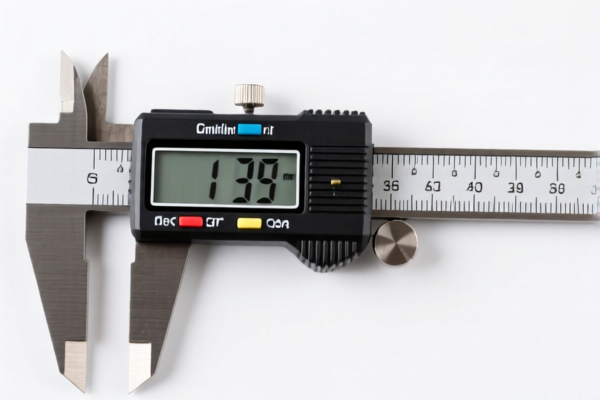
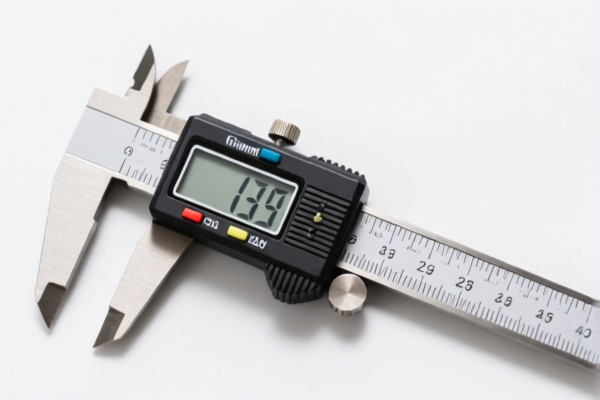
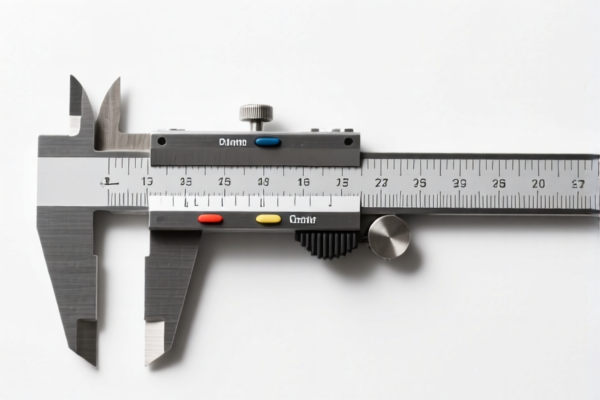
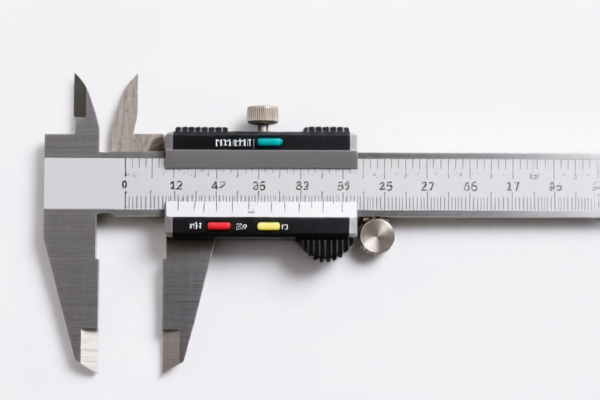
AI Analysis
🚗 Alcohol Tester (Breathalyzers for Chemical Analysis)
🌐 HS Code Reference & Customs Clearance Guide | 2026 Latest Tariff Analysis | Professional Strategy for US-China Trade
📌 I. Product Definition: What Exactly is an "Alcohol Tester"?
An Alcohol Tester (commonly known as a Breathalyzer) is an analytical instrument used to detect the presence and concentration of ethanol (alcohol) in breath or blood. In international trade, it is classified based on its analytical principle (gas/smoke analysis) and its function (measurement/testing instrument).
⚠️ Key Classification Logic:
- If it uses electrochemical or optical sensors to analyze gas composition (ethanol vapor) → It is an Analytical Instrument (Heading 9027).
- If it is a general-purpose testing/measuring device without specific chemical analysis features → It falls under Other Measuring Instruments (Heading 9031).
- Crucial Distinction: The specific HS Code determines whether you pay 10% or 35% in total duties due to Section 301 and IEEPA tariffs.
📦 II. HS Code Classification Matrix (2026 Authorized Tariff Codes)
| HS Code | Product Description | Application Logic | Total Duty Rate | Key Tariff Components |
|---|---|---|---|---|
| 9027.10.20.00 | Gas/Smoke Analyzers | Detects alcohol vapor (gas); fits "electrically operated analytical instruments." | 35.0% | Base: 0% + Sec 301: 25% + IEEPA: 10% |
| 9031.80.80.85 | Other Measuring Instruments | General testing equipment; "Other" category for instruments not specified elsewhere. No material conflict. | 10.0% | Base: 0% + Sec 301: 0% + IEEPA: 10% |
| 9031.80.80.60 | Other Measuring Instruments | Detects chemical/electrical properties; extends logic from "internal combustion engine test equipment." | 35.0% | Base: 0% + Sec 301: 25% + IEEPA: 10% |
| 9027.50.40.15 | Chemical Analyzers | Uses optical or electrochemical principles to detect ethanol (chemical component). | 35.0% | Base: 0% + Sec 301: 25% + IEEPA: 10% |
🔍 Critical Insight:
- The 10% vs. 35% Split:
- 9031.80.80.85 is the ONLY code in this list with a 0% Section 301 tariff. This is because it falls under "Other" measuring instruments where the 25% additional tariff may not apply or is excluded in this specific subheading context.
- 9027.10, 9027.50, and 9031.80.80.60 are all subject to the full 25% Section 301 tariff, resulting in a 35% total effective duty rate (0% base + 25% Sec 301 + 10% IEEPA).
💰 III. 2026 Tariff Rate Breakdown (China-Origin Imports to USA)
✅ Applicable Country: USA (US)
✅ Origin: China (CN)
✅ Effective Date: Post-November 2025 (Current Trade Policy)
🎯 1. Low-Tariff Option: 9031.80.80.85
Why it works: Classified as "Other Measuring or Testing Instruments" without specific chemical analysis designation. It relies on the "Other" fallback nature of Heading 9031.
| Item | Detail |
|---|---|
| Base Duty | 0% |
| Section 301 Duty | 0% (Excluded/Not Applicable for this specific subheading) |
| IEEPA Duty | 10% (Against China-origin goods) |
| Total Effective Rate | 10.0% |
| Calculation | CIF Value × 10% |
| De Minimis Eligibility | ❌ No (Not eligible for $800 de minimis exemption if classified as Section 301 goods, but even at 10%, it is significantly cheaper than 35%) |
| Legal Path | IEEPA:9903.01.25 → USITC:9031.80.80.85 |
📌 Strategic Advantage:
By classifying under 9031.80.80.85, you save 25% in duties compared to the other codes. This is the optimal cost-saving strategy if the device’s primary function can be described as general "testing/measuring" rather than strict "chemical gas analysis."
🎯 2. High-Tariff Options: 9027.10.20.00, 9027.50.40.15, 9031.80.80.60
Why it happens: If customs determines the device is a dedicated "Chemical Analyzer" or "Gas Analyzer," it falls under Heading 9027 or specific parts of 9031, triggering the full 301 tariff.
| Item | Detail |
|---|---|
| Base Duty | 0% |
| Section 301 Duty | 25% |
| IEEPA Duty | 10% |
| Total Effective Rate | 35.0% |
| Calculation | CIF Value × 35% |
| De Minimis Eligibility | ❌ No |
| Legal Path | IEEPA:9903.01.25 → USITC:9027.10.20.00 (or .40.15/.80.60) |
📌 Warning:
- 9027.10.20.00: Explicitly covers gas/smoke analysis. Alcohol vapor is a gas. High risk of 35%.
- 9027.50.40.15: Covers chemical analyzers using optical/electrochemical methods. Ethanol detection is chemical. High risk of 35%.
- 9031.80.80.60: Despite being "Other," the summary notes it aligns with internal combustion engine test logic, which customs may interpret as chemical analysis, thus applying 25% Sec 301.
🛠️ IV. Customs Clearance Strategy (Pro Tips to Save Money)
✅ 1. Documentation Strategy
| Document | Requirement | Purpose |
|---|---|---|
| Product Description | CRITICAL: Use generic terms like "Portable Alcohol Testing Device" or "Breath Sample Analyzer." Avoid words like "Gas Analyzer" or "Chemical Detector" in the primary title if possible. | To support classification under 9031.80.80.85 (General Measuring) rather than 9027 (Analytical). |
| Technical Manual | Highlight "Measurement of alcohol concentration in breath" rather than "Chemical composition analysis of gas mixture." | Emphasizes function (testing) over mechanism (analysis). |
| Circuit Diagram | Provide if requested. | Proves it is an electronic testing device, not a complex laboratory chemical analyzer. |
| Certifications | FCC, CE, RoHS. | Standard compliance; does not affect HS code directly but required for clearance. |
✅ 2. Classification Defense (The "10% Strategy")
🔥 Key Argument for Customs:
"This device is a testing instrument designed to verify compliance (yes/no or ppm level) rather than a laboratory analytical instrument designed to determine the precise chemical composition of a sample. Therefore, it falls under 9031.80.80.85 as 'Other Measuring/Testing Instruments,' avoiding the 25% Section 301 duty applicable to Heading 9027."
| Scenario | Recommended HS Code | Duty Rate | Risk Level |
|---|---|---|---|
| General Breathalyzer (Police/Personal use) | 9031.80.80.85 |
10% | ✅ Low (Best Option) |
| Lab-Grade Chemical Analyzer | 9027.50.40.15 |
35% | ⚠️ High (If clearly analytical) |
| Gas Sniffing Device | 9027.10.20.00 |
35% | ⚠️ High |
✅ 3. Common Mistakes to Avoid
❌ Mistake 1: Using the term "Gas Analyzer" in the commercial invoice.
👉 Consequence: Customs will likely reclassify under 9027.10.20.00 → 35% Duty.
👉 Fix: Use "Alcohol Breath Tester" or "Ethanol Concentration Measurement Device."
❌ Mistake 2: Assuming all "Electrical Appliances" are duty-free.
👉 Consequence: Ignoring Section 301 and IEEPA surcharges.
👉 Fix: Always calculate Base + Sec 301 + IEEPA.
❌ Mistake 3: Declaring as "Parts" (e.g., sensors only).
👉 Consequence: If imported as finished goods, partial shipments may be flagged.
👉 Fix: Declare as complete units.
🌍 V. Global Market Comparison (2026)
| Country/Region | Recommended HS Code | Duty Rate (China Origin) | Notes |
|---|---|---|---|
| 🇺🇸 USA | 9031.80.80.85 |
10% | Best for Cost Saving |
| 🇺🇸 USA | 9027.10.20.00 |
35% | Avoid if possible |
| 🇨🇳 China | 9027.50.40.15 |
Varies | Generally lower base rates, no IEEPA |
| 🇪🇺 EU | 9027.80.90 |
0% | No Section 301/IEEPA equivalent. Standard EU duty is low for medical/testing devices. |
| 🇬🇧 UK | 9027.80.90 |
0% | Post-Brexit tariffs often favor testing instruments. |
📌 Conclusion for US Market:
The 35% difference between9031.80.80.85(10%) and9027.10.20.00(35%) is massive. For every $10,000 shipment, choosing the wrong code costs you $2,500 extra in duties.
📌 VI. Final Recommendations & Action Plan
-
Prioritize
9031.80.80.85:
Structure your product description to emphasize measurement/testing rather than chemical analysis. This is the only code in the dataset with a 0% Section 301 component. -
Avoid Heading 9027:
Unless your device is explicitly a laboratory-grade chemical gas analyzer, do not use 9027.10 or 9027.50. These trigger the highest tariffs (35%). -
Prepare for Customs Scrutiny:
Customs may challenge the9031classification for alcohol testers, as they detect gases. Be prepared to provide technical documentation showing that the device is a simple electrochemical sensor-based tester (common in portable breathalyzers) rather than a complex chromatograph or spectrometer. -
Consult a Customs Broker:
HS Code classification is subjective. A broker can help argue that your specific model fits9031.80.80.85by highlighting its portability and simplicity.
🎯 Summary Table: Cost Comparison
| HS Code | Duty Breakdown | Total Rate | Savings vs. Highest |
|---|---|---|---|
| 9031.80.80.85 | 0% + 0% + 10% | 10% | $2,500 per $10k ✅ |
| 9027.10.20.00 | 0% + 25% + 10% | 35% | Baseline |
| 9027.50.40.15 | 0% + 25% + 10% | 35% | Baseline |
| 9031.80.80.60 | 0% + 25% + 10% | 35% | Baseline |
🚀 Pro Tip:
"Don't let 'Alcohol' mean 'Chemical Analysis'. Call it a 'Tester'. Save 25% today!"
✨ Professional Customs Clearance Starts with the Right HS Code!
💼 Optimize your supply chain by choosing 9031.80.80.85 for maximum efficiency.
Customer Reviews
About HS Code Classification
The Harmonized System (HS) is an internationally standardized nomenclature developed by the World Customs Organization (WCO) to classify traded products. Over 200 countries use the HS system as the basis for customs tariffs, trade statistics, and import/export regulations.
Each HS code follows a hierarchical structure:
- Chapter (2 digits) — Broad category of goods (e.g., Chapter 84: Machinery and Mechanical Appliances)
- Heading (4 digits) — More specific grouping within the chapter
- Subheading (6 digits) — Internationally standardized breakdown, used by all WCO member countries
- National subdivisions (8-10 digits) — Country-specific extensions for further classification, such as US HTSUS 10-digit codes
Correct HS code classification is essential for smooth customs clearance, accurate duty payment, and compliance with trade regulations. Misclassification can lead to customs delays, overpayment of duties, or penalties.
When importing from CN to US, the applicable tariff rates may include:
- Most-Favored-Nation (MFN) rate — The standard duty rate applied to WTO members
- General rate — Applied to countries without trade agreements
- Trade remedy duties — Additional tariffs such as Section 301 (anti-dumping), Section 232 (national security), or countervailing duties
The information provided on this page is for reference purposes only. For official classification, please consult with your local customs authority or a licensed customs broker.