Alkali Resistant Fire Resistant Concrete
CN → US| HS Code | Tariff Rate | Origin | Destination | Doc |
|---|---|---|---|---|
| 6810110010 | 38.2% | CN | US | Official Doc |
| 6902901010 | 35.0% | CN | US | Official Doc |
| 6810110070 | 38.2% | CN | US | Official Doc |
| 3816001000 | 35.0% | CN | US | Official Doc |
| 3816002050 | 38.0% | CN | US | Official Doc |
Product Images
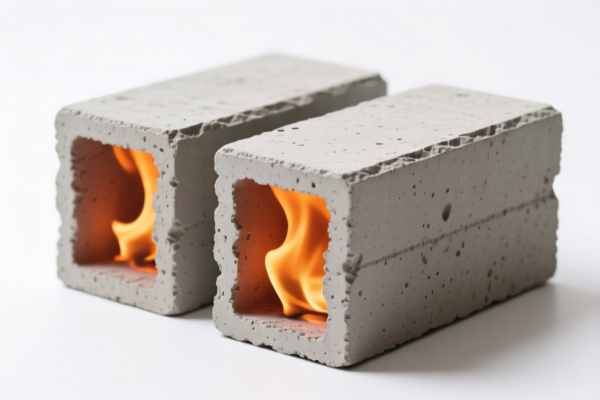
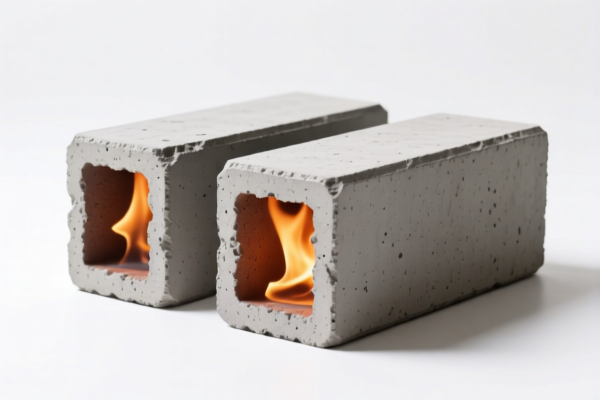
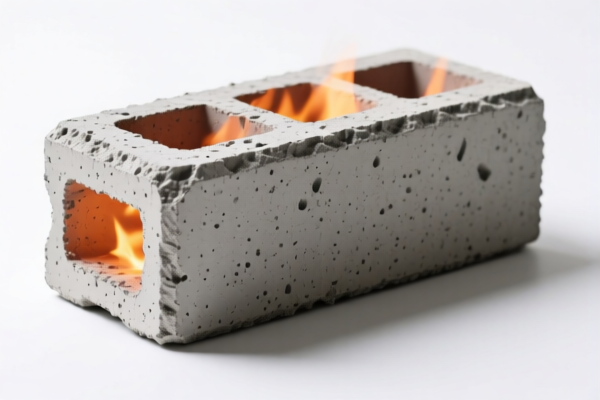
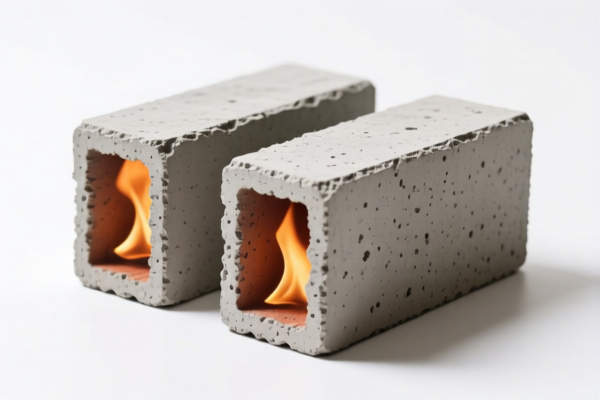
AI Analysis
🧱 Alkali Resistant Fire Resistant Concrete (ARFRC)
🌐 HS Code Reference & Customs Clearance Guide | 2026 Latest Tariff Analysis | Professional Clearance Strategy for Construction Materials
📌 Part 1: Product Definition & Classification: What is "Alkali Resistant Fire Resistant Concrete"?
This product is a specialized construction material combining concrete/man-made stone properties with refractory (fire-resistant) capabilities. In international trade, it falls under a complex intersection of Chapter 68 (Articles of Stone, Plaster, Cement, Asbestos, Mica, or Similar Materials) and Chapter 38 (Miscellaneous Chemical Products).
Because the material is explicitly described as "Concrete" and "Fire Resistant", customs authorities must determine if the primary characteristic is the structural form (bricks/blocks) or the chemical composition (refractory chemicals).
⚠️ Key Distinction Point:
- If it is a pre-formed block/brick made of concrete/cement: → Chapter 68 (6810 or 6902).
- If it is a chemical compound/mixture specifically formulated for fire resistance: → Chapter 38 (3816).
- Crucial Note: The input data suggests a conflict between "Concrete Structure" and "Refractory Function." We must analyze the specific HS Codes provided in the dataset to understand the customs risk.
📦 Part 2: HS Code Classification Details (2026 Latest Tariff Alignment)
Based on the provided <DATA>, there are 6 potential HS Codes. This indicates a high risk of classification dispute. The classification depends on whether Customs views the item as a "Building Block" (Chapter 68) or a "Refractory Chemical Product" (Chapter 38).
| HS Code | Product Description (From Data) | Applicable Scenario | Tax Rate | Legal Basis/Reasoning |
|---|---|---|---|---|
6810.11.00.10 |
Concrete/Man-made Stone Blocks | Pre-formed building bricks/blocks made of concrete. | 38.2% | Base: 3.2% + Sec 301: 25% + Sec 122: 10%. |
6902.90.10.10 |
Refractory Building Articles | Ceramic or mineral refractory bricks (non-fireclay). | 35.0% | Base: 0.0% + Sec 301: 25% + Sec 122: 10%. |
6810.11.00.70 |
Other Concrete Building Blocks | Other categories of concrete masonry units. | 38.2% | Base: 3.2% + Sec 301: 25% + Sec 122: 10%. |
3816.00.10.00 |
Refractory Chemical Product | Chemical preparations for refractory use (concrete-like). | 35.0% | Base: 0.0% + Sec 301: 25% + Sec 122: 10%. |
3816.00.20.50 |
Refractory Concrete/Preparations | Specific refractory concrete preparations. | 38.0% | Base: 3.0% + Sec 301: 25% + Sec 122: 10%. |
6902.90.50.10 |
Inorganic Refractory Articles | Inorganic material refractory building articles. | 35.0% | Base: 0.0% + Sec 301: 25% + Sec 122: 10%. |
🔍 Critical Analysis:
- Chapter 68 vs. Chapter 38: The biggest risk is whether the product is classified as a physical construction article (68/69) or a chemical product (38).
- Tax Variance: The difference between 35.0% and 38.2% is significant ($3.20 per $100 CIF value).
- Section 122: All items in the dataset include a 10% "Section 122" tariff. Note: Section 122 tariffs are typically temporary measures or specific to certain trade actions; ensure this is still applicable in 2026.
💰 Part 3: 2026 Latest Tariff Rate Breakdown
✅ Applicable Country: United States (US)
✅ Origin: China (CN)
✅ Effective Time: Post-2025 adjustments (based on Sec 301 & 122)
🎯 1. The "Cheaper" Refractory Path: 35.0% Total
Applicable HS Codes: 6902.90.10.10, 3816.00.10.00, 6902.90.50.10
| Item | Detail |
|---|---|
| Base Tariff | 0.0% (for 6902/3816) or 3.0% (for 3816.00.20.50) |
| USITC Add-on (Sec 301) | +25% |
| Section 122 Tariff | +10% |
| Total Tax Rate | 35.0% (or 38.0% for 3816.00.20.50) |
| Calculation | CIF Value × 35.0% |
| De Minimis Exemption | ❌ Denied (Section 301 items are excluded from de minimis) |
📌 Explanation:
- If Customs accepts the product as "Refractory" (fire-resistant) rather than just "Concrete", the base tariff drops to 0% or 3%.
- Why 35%? Because the 25% Sec 301 and 10% Sec 122 are added on top.
- Best Case for Cost:6902.90.10.10or3816.00.10.00at 35.0%.
🎯 2. The "Expensive" Concrete Path: 38.2% Total
Applicable HS Codes: 6810.11.00.10, 6810.11.00.70
| Item | Detail |
|---|---|
| Base Tariff | 3.2% |
| USITC Add-on (Sec 301) | +25% |
| Section 122 Tariff | +10% |
| Total Tax Rate | 38.2% |
| Calculation | CIF Value × 38.2% |
| De Minimis Exemption | ❌ Denied |
📌 Explanation:
- If Customs views the product primarily as "Concrete Bricks/Blocks", the base tariff is higher (3.2%).
- This adds an extra $3.20 in tax per $100 compared to the refractory classification.
🛠️ Part 4: Customs Clearance Practical Advice (Real-World Pitfall Guide)
✅ 1. Documentation Checklist (Non-Negotiable)
| Document | Required? | Description |
|---|---|---|
| ✅ Product Specification Sheet | ✔️ | Must clearly state "Alkali Resistant" and "Fire Resistant (Refractory)" properties. Include chemical composition if possible. |
| ✅ Fire Resistance Test Report | ✔️ | UL, FM, or equivalent third-party report proving fire resistance rating (e.g., ASTM E119). |
| ✅ Material Safety Data Sheet (MSDS) | ✔️ | Crucial for distinguishing between Chapter 68 (Concrete) and Chapter 38 (Chemical/Refractory). |
| ✅ Product Photos | ✔️ | Show the form (brick/block vs. powder/granule). If it's a block, it leans toward 68/69. If it's a mix/powder, it leans toward 38. |
| ✅ Commercial Invoice | ✔️ | Description must match the HS Code logic. E.g., "Refractory Concrete Blocks" vs. "Chemical Refractory Preps". |
| ✅ Certificate of Origin | ✔️ | Required for Sec 301 applicability. |
✅ 2. Classification Strategy (Key Tactics)
🔥 "Focus on Function, Not Just Material!"
| Scenario | Recommended HS Code | Why? |
|---|---|---|
| Product is a Pre-formed Brick | 6902.90.10.10 or 6902.90.50.10 |
If it's a ceramic/mineral refractory brick, the base tariff is 0%. Argue that it is a Refractory Article, not just concrete. |
| Product is a Concrete Block with Fire Resistance | 6810.11.00.10 |
If it's standard concrete, you pay 3.2% base. You cannot avoid Sec 301/122. |
| Product is a Refractory Mortar/Coating | 3816.00.10.00 |
If it's a chemical preparation for refractory use, base tariff is 0%. |
| Ambiguous Product | Apply for Pre-Ruling | Strongly Recommended. Do not guess. The difference between 35% and 38.2% is small in %, but large in volume. However, the difference between Chapter 38 and Chapter 68 can trigger different inspections (chemical vs. structural). |
✅ 3. Special Considerations
| Issue | Advice |
|---|---|
| "Concrete" vs. "Refractory" | If you label it "Concrete," Customs will likely use 6810. If you label it "Refractory," they might use 6902 or 3816. Use "Refractory Building Article" in the description. |
| Alkali Resistance | This is a performance feature, not a classification driver. It supports the "High-Performance Refractory" argument. |
| Section 122 Tariff | Verify if the 10% Section 122 tariff is still active in 2026. If it has expired, the total rate drops to 25% or 28.2%! |
🌍 Part 5: Global Market Comparison (2026)
| Country/Region | Recommended HS Code | Base Tariff | Sec 301/122? | Total Est. Rate |
|---|---|---|---|---|
| 🇺🇸 USA | 6902.90.10.10 (Best Case) |
0% | Yes (+35%) | 35.0% |
| 🇨🇳 China | 6902.90.10.10 |
0% | No | 0% |
| 🇪🇺 EU | 6810.11.00 |
6.5% | No | 6.5% |
| 🇬🇧 UK | 6902.90.10 |
6.5% | No | 6.5% |
| 🇦🇺 Australia | 6902.90.10 |
5.0% | No | 5.0% |
📌 Conclusion:
- The USA is the most expensive market due to Sec 301 (25%) and Sec 122 (10%).
- To minimize cost, argue for Chapter 69 or 38 (0% base) rather than Chapter 68 (3.2% base).
- Total US Rate: 35.0% to 38.2%.
📌 Part 6: Common Mistakes & Pitfalls
❌ Mistake 1: Declaring as "Concrete Blocks" only.
👉 Consequence: Customs assigns 6810.11.00.10 → 38.2% tax. Missed the opportunity for 0% base tariff.
❌ Mistake 2: Ignoring "Refractory" proof.
👉 Consequence: Without a fire resistance test report, Customs cannot classify it as 6902 or 3816. They will default to the cheapest/standard concrete code, which might be higher or subject to different inspections.
❌ Mistake 3: Assuming De Minimis applies.
👉 Consequence: Section 301 items are NOT eligible for de minimis ($800 exemption). You must file formal entry and pay taxes.
❌ Mistake 4: Not checking Section 122 status.
👉 Consequence: If Section 122 has expired, your tax should be 25% or 28.2%, not 35%/38.2%. Verify current trade actions!
✅ Correct Approach:
"Refractory Concrete Block, Alkali Resistant, ASTM E119 Rated, Chemical/Mineral Base, HS 6902.90.10.10"
🎯 Part 7: Conclusion: Smart Classification Saves Money!
🎯 Remember the Golden Rule:
🔹 "Refractory = 0% Base | Concrete = 3.2% Base"
🔹 "Total US Tax: 35% (Refractory) vs. 38.2% (Concrete)"
🔹 "Proof is Key: Fire Test Report + MSDS = Lower Tax"
📌 Pro Tip:
- If your product is powder/granule, use
3816.00.10.00(35.0%).- If your product is brick/block, use
6902.90.10.10(35.0%).- Avoid
6810if possible (38.2%).- Apply for a US CBP Advance Ruling before shipment. The cost of a ruling is far less than the risk of 38.2% tax or seizure.
📣 Action Now:
📞 Contact a Licensed Customs Broker
📄 Prepare Fire Resistance Certificate + MSDS
🚀 Declare as "Refractory Building Article" to target 35.0% tax rate!
✨ Professional Clearance Starts with Precise Classification!
💼 Your Profit Margin Depends on This 3.2% Difference!
Customer Reviews
About HS Code Classification
The Harmonized System (HS) is an internationally standardized nomenclature developed by the World Customs Organization (WCO) to classify traded products. Over 200 countries use the HS system as the basis for customs tariffs, trade statistics, and import/export regulations.
Each HS code follows a hierarchical structure:
- Chapter (2 digits) — Broad category of goods (e.g., Chapter 84: Machinery and Mechanical Appliances)
- Heading (4 digits) — More specific grouping within the chapter
- Subheading (6 digits) — Internationally standardized breakdown, used by all WCO member countries
- National subdivisions (8-10 digits) — Country-specific extensions for further classification, such as US HTSUS 10-digit codes
Correct HS code classification is essential for smooth customs clearance, accurate duty payment, and compliance with trade regulations. Misclassification can lead to customs delays, overpayment of duties, or penalties.
When importing from CN to US, the applicable tariff rates may include:
- Most-Favored-Nation (MFN) rate — The standard duty rate applied to WTO members
- General rate — Applied to countries without trade agreements
- Trade remedy duties — Additional tariffs such as Section 301 (anti-dumping), Section 232 (national security), or countervailing duties
The information provided on this page is for reference purposes only. For official classification, please consult with your local customs authority or a licensed customs broker.