Alkyl Naphthalene Intermediate
CN → USProduct Images
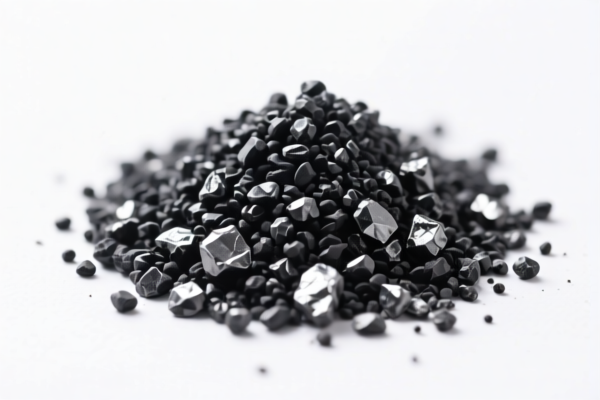
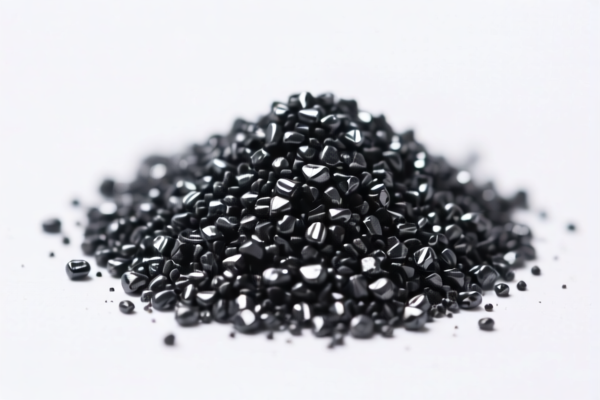
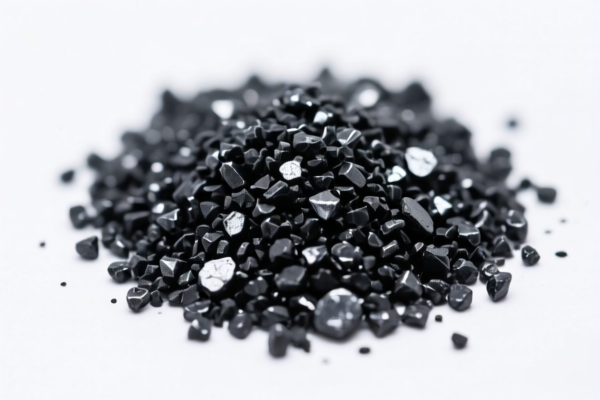
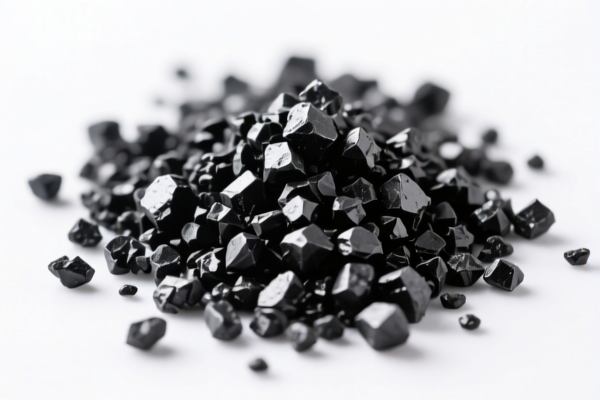
AI Analysis
🧪 Alkyl Naphthalene Intermediate (ANI)
🌐 HS Code Reference & Customs Clearance Guide | 2026 Latest Tariff Analysis | Professional Clearance Strategy
📌 I. Product Definition & Classification: What Exactly is "Alkyl Naphthalene Intermediate"?
Alkyl Naphthalene Intermediates (ANI) are critical chemical building blocks used primarily in the synthesis of Superplasticizers (for concrete), Polyalphaolefins (PAO) base oils, and various Detergents/Additives.
In international trade, classification hinges on the degree of alkylation and the specific chemical nature:
1. Technical Alkyl Naphthalene Sulfonate (TANS) / Sulfonated ANI:
Often classified under sulfonated organic products if highly sulfonated.
2. Unsubstituted/Alkylated Naphthalene Hydrocarbons:
Classified under Naphthalene derivatives in Chapter 29.
3. Mixtures/Preparations:
If mixed with solvents or other agents, they may fall under Chapter 38.
⚠️ Key Distinction Point:
- If the product is a pure chemical compound (e.g., Methyl Naphthalene, Ethyl Naphthalene, or technical grade Alkyl Naphthalene) → Chapter 29.
- If it is a sulfonated salt (e.g., Sodium Methyl Naphthalene Sulfonate) → Chapter 29 (specifically 2904).
- If it is a mixture with undefined composition or prepared as a final formulation → Chapter 38.
📦 II. HS Code Classification Details (2026 Latest Tariff Authority Comparison)
| HS Code | Product Description | Application Scenario | Chemical Nature |
|---|---|---|---|
2904.10.00.00 |
Alkylated, arylated, or unsubstituted naphthalenes; alkylated or arylated homologues of naphthalenes | Technical grade ANI for concrete superplasticizers; precursor for PAO | ✅ Pure Hydrocarbon |
2904.90.00.00 |
Other sulfonated naphthalenes and their salts; other esterified derivatives | Sulfonated ANI (e.g., for detergents, asphalt emulsifiers) | ✅ Sulfonated |
2902.90.00.00 |
Other aromatic hydrocarbons (if classified as naphthalene derivatives incorrectly) | Misclassification risk; strict scrutiny required | ❌ Risky |
3824.99.92.00 |
Other prepared binders for foundry molds/cores; other chemical products and preparations | If ANI is mixed with solvents or additives for specific use | ✅ Mixture |
🔍 Critical Reminder:
- Chapter 29 applies to isolated organic compounds. Most "ANI intermediates" used in industry are pure or near-pure 2904.10.00.00 (alkylated naphthalenes).
- If the product is sulfonated (e.g., Sodium Methyl Naphthalene Sulfonate), it falls under 2904.90.00.00.
- Do not misclassify as generic "chemical mixtures" (Chapter 38) unless it is explicitly a formulated product, as this attracts higher duties and stricter environmental reviews.
💰 III. 2026 Latest Tariff Rate Details (Including Surtaxes & Policy Add-ons)
✅ Applicable Country: United States (US)
✅ Origin: China (CN)
✅ Effective Date: November 10, 2025 onwards (including subsequent imports)
🎯 1. 2904.10.00.00 —— Alkylated Naphthalenes (Pure Intermediate)
| Item | Content |
|---|---|
| Base Duty Rate | 0% (ad valorem) |
| USITC Surtax | +25% (from USITC Footnote 9903.88.01, Section 301) |
| IEEPA Surtax | +10% (Targeting China/HK products, effective Nov 10, 2025) |
| Total Duty Rate | 35% |
| Tax Calculation | CIF Value × 35% |
| De Minimis Eligibility | ❌ Not Eligible (deny_de_minimis) |
| Legal Path | IEEPA:9903.01.25 → IEEPA:9903.01.24 → USITC:2904.10.00.00 → FOOTNOTE:9903.88.01 |
📌 Explanation:
- The 25% USITC surtax is due to Section 301 tariffs on Chinese chemical intermediates.
- The 10% IEEPA surtax is the new base-level levy on Chinese origin goods under the International Emergency Economic Powers Act.
- Total 35% is a high duty, significantly impacting cost competitiveness for superplasticizer manufacturers.
🎯 2. 2904.90.00.00 —— Sulfonated Naphthalenes & Derivatives
| Item | Content |
|---|---|
| Base Duty Rate | 0% |
| USITC Surtax | +25% |
| IEEPA Surtax | +10% |
| Total Duty Rate | 35% |
| Tax Calculation | CIF × 35% |
| De Minimis Eligibility | ❌ Not Eligible |
| Legal Path | IEEPA:9901.25 → IEEPA:9903.01.24 → USITC:2904.90.00.00 → FOOTNOTE:9903.88.01 |
📌 Note:
- Sulfonated ANI derivatives (e.g., for detergents or asphalt) are taxed identically to the alkylated hydrocarbon form.
- Ensure your MSDS and Certificates of Analysis (COA) clearly state "Sulfonated" vs "Alkylated" to avoid misclassification penalties.
🛠️ IV. Customs Clearance Practical Advice (Real-World Pitfall Guide)
✅ 1. Required Documentation Checklist (All Mandatory)
| Document | Must Provide | Description |
|---|---|---|
| ✅ Safety Data Sheet (SDS) | ✔️ | Must comply with GHS; clearly state chemical identity (e.g., "Technical Alkyl Naphthalene"). |
| ✅ Certificate of Analysis (COA) | ✔️ | Specifies purity, alkylation degree, and impurity levels to prove it's not a mixture. |
| ✅ Product Photo & Label | ✔️ | Clear view of drum/barrel labeling, UN number (if hazardous), and batch number. |
| ✅ Commercial Invoice | ✔️ | Must explicitly state: "Alkylated Naphthalene, HS 2904.10.00.00". Avoid vague terms like "Chemical". |
| ✅ Non-Dangerous Goods Certificate | ✔️ | If applicable, to expedite customs inspection (ANI is often non-HAZMAT, but verify). |
| ✅ Fumigation Certificate | ✔️ | If shipped in wooden packaging. |
✅ 2. Declaration Tips (Critical Mnemonic)
🔥 "Pure Chemical, Code 2904; Mixture Goes to 38! Label Clearly, Avoid 35% Penalty!"
| Scenario | Correct Declaration | Wrong Practice |
|---|---|---|
| Technical Grade ANI (Pure) | 2904.10.00.00 |
Misdeclaring as "Surfactant" (3824) → Higher scrutiny |
| Sulfonated ANI Salt | 2904.90.00.00 |
Misdeclaring as "Soap" (3401) → Major error |
| ANI + Solvent Mixture | 3824.99.92.00 |
Misdeclaring as pure chemical → Duty evasion risk |
| Raw Naphthalene (Unalkylated) | 2902.11.00.00 |
Misdeclaring as alkylated → Wrong HS Code |
✅ 3. Special Case Handling
| Scenario | Handling Advice |
|---|---|
| OEM Private Label | Provide customer PO and specs; avoid generic "ANI" if custom blends exist. |
| Hazardous Classification | ANI is often classified as UN3077 (Environmentally hazardous substance, solid, n.o.s.) or non-hazardous. Verify with SDS to avoid unnecessary HAZMAT fees. |
| Transshipment from Vietnam/Malaysia | If re-exported, ensure Rules of Origin are met to claim IEEPA Exemption. Direct CN origin triggers 35%. |
| Used Drums | Must provide cleaning certificate; reused chemical containers face stricter EPA/Customs checks. |
🌍 V. Global Major Market Clearance Comparison (2026 Latest)
| Country/Region | Recommended HS Code | Duty Rate (CN Origin) | Certification Requirements | Notes |
|---|---|---|---|---|
| 🇺🇸 USA | 2904.10.00.00 |
35% (China) | None usually, but SDS mandatory | High duty due to 301 + IEEPA |
| 🇨🇳 China | 2904.10.00.00 |
0% | N/A (Import) | No surtaxes |
| 🇪🇺 EU | 2904.10.00 |
6.5% | REACH Registration Required | No US-style surtaxes |
| 🇦🇺 Australia | 2904.10.00 |
5% | AICIS Registration | Moderate duty |
| 🇯🇵 Japan | 2904.10.00 |
6.0% | FIEA (if applicable) | Stable duty |
📌 Conclusion:
- USA is the most expensive market for ANI intermediates due to the 35% combined tariff.
- EU and Japan impose standard MFN rates but require REACH/FIEA compliance, which can be a non-tariff barrier.
- China Origin benefits from 0% duty in RCEP partners if Rules of Origin are met (e.g., ASEAN, Japan, Korea).
📌 VI. Common Mistakes & Pitfall Guide (Lessons Learned)
❌ Mistake 1: Misclassifying ANI as "Surfactant" (3402) or "Preparation" (3824)
👉 Consequence: Customs may reassess to 2904 with 35% duty + penalties for undervaluation of classification.
❌ Mistake 2: Not declaring alkylation degree
👉 Consequence: Customs may suspect it is a mixture, delaying inspection for weeks.
❌ Mistake 3: Ignoring IEEPA Surtax (10%) in cost calculation
👉 Consequence: Profit margin erosion by 10% on CIF value alone.
❌ Mistake 4: Using vague invoice descriptions like "Chemical Intermediate"
👉 Consequence: High risk of customs examination, potential seizure for unclear HS Code.
✅ Correct Practice:
"Technical Alkyl Naphthalene (Pure), HS 2904.10.00.00, CAS No. 11032-04-3 (if applicable), Used for Concrete Superplasticizer, Origin: China, IEEPA Applicable"
🎯 VII. Conclusion: Professional Classification, Cost Efficiency, Smooth Clearance!
🎯 Remember the Mnemonic:
🔹 "Pure ANI is 2904; Mixture is 3824! 35% Duty in USA, Don't Be Blind!"
🔹 "HS Code Determines Duty, 35% Hits Hard, Correct Declaring Saves Big!"
📌 Pro Tip:
If your ANI intermediates are originating from Vietnam, Malaysia, or Thailand, you may apply for IEEPA Exemption or lower tariffs under Free Trade Agreements (FTAs).
Recommend applying for an Advance Ruling (Pre-classification) to secure the HS Code before shipment, avoiding clearance delays.
📣 Immediate Action:
📞 Contact a certified customs broker + Provide SDS + Apply for HS Code Advance Ruling
🚀 Ensure your Alkyl Naphthalene Intermediate clears smoothly, efficiently, and profitably!
✨ Professional Customs Clearance Starts with Precise Classification!
💼 Every Penny of Cost Deserves Exact Calculation!
Customer Reviews
About HS Code Classification
The Harmonized System (HS) is an internationally standardized nomenclature developed by the World Customs Organization (WCO) to classify traded products. Over 200 countries use the HS system as the basis for customs tariffs, trade statistics, and import/export regulations.
Each HS code follows a hierarchical structure:
- Chapter (2 digits) — Broad category of goods (e.g., Chapter 84: Machinery and Mechanical Appliances)
- Heading (4 digits) — More specific grouping within the chapter
- Subheading (6 digits) — Internationally standardized breakdown, used by all WCO member countries
- National subdivisions (8-10 digits) — Country-specific extensions for further classification, such as US HTSUS 10-digit codes
Correct HS code classification is essential for smooth customs clearance, accurate duty payment, and compliance with trade regulations. Misclassification can lead to customs delays, overpayment of duties, or penalties.
When importing from CN to US, the applicable tariff rates may include:
- Most-Favored-Nation (MFN) rate — The standard duty rate applied to WTO members
- General rate — Applied to countries without trade agreements
- Trade remedy duties — Additional tariffs such as Section 301 (anti-dumping), Section 232 (national security), or countervailing duties
The information provided on this page is for reference purposes only. For official classification, please consult with your local customs authority or a licensed customs broker.