Alkylbenzene Catalyst
CN → US| HS Code | Tariff Rate | Origin | Destination | Doc |
|---|---|---|---|---|
| 3402311000 | 41.5% | CN | US | Official Doc |
| 3824401000 | 41.5% | CN | US | Official Doc |
| 3402319000 | 38.7% | CN | US | Official Doc |
| 3824994900 | 41.5% | CN | US | Official Doc |
| 3824401000 | 41.5% | CN | US | Official Doc |
Product Images
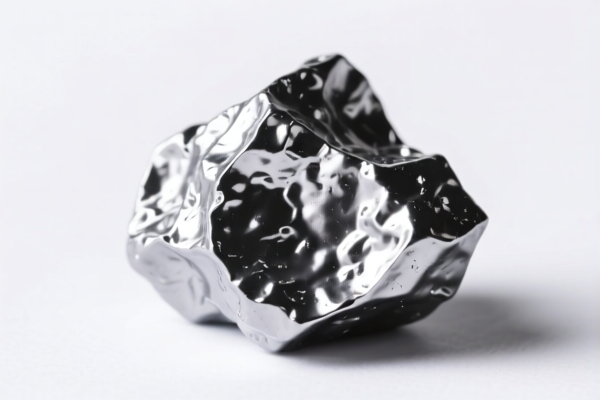
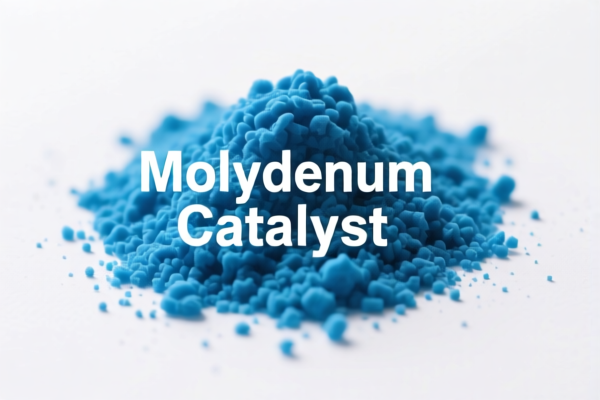
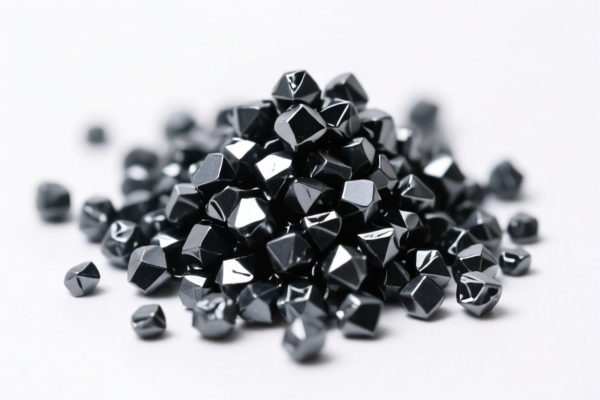

AI Analysis
🧪 Alkylbenzene Catalyst (Surfactant Intermediates & Chemical Additives)
🌐 HS Code Reference & Customs Clearance Guide | 2026 Latest Tariff Analysis | Professional Clearance Strategy
📌 I. Product Definition & Classification: Do You Really Understand "Alkylbenzene Derivatives"?
Alkylbenzenes are critical precursors in the chemical industry, primarily used as intermediates for surfactants (surface-active agents) and industrial chemical additives. In international trade, these products are often misclassified due to their dual nature as either finished surfactant ingredients or general chemical additives.
Two Main Categories:
1. Surfactant Intermediates (Surface-Active Agents):
Chemical compounds based on alkylbenzene structures, specifically formulated or used for cleaning, wetting, or emulsifying purposes. These fall under Chapter 34.
2. General Chemical Additives/Intermediates:
Mixtures of hydrocarbons or aromatic substances used as catalysts, solvents, or processing aids in broader chemical industries. These fall under Chapter 38.
⚠️ Key Distinction Point:
- If the product is explicitly described as a "Surface-Active Agent" or "Surfactant" (even if intermediate), it tends toward HS Code 3402.
- If the product is described as a "Chemical Preparation," "Catalyst," or "Hydrocarbon Mixture" without specific surfactant claims, it tends toward HS Code 3824.
📦 II. HS Code Classification Details (2026 Latest Tariff Authority Comparison)
| HS Code | Product Description | Application Scenario | Primary Classification Basis |
|---|---|---|---|
3402.31.10.00 |
Alkylbenzene derivatives; Surfactant/Surface-Active Agents | Surfactant precursors, cleaning agents ingredients | ✅ Surfactant Function |
3824.40.10.00 |
Chemical industry additives; Contains aromatic substances | Catalysts, processing aids, aromatic mixtures | ✅ Chemical Additive |
3402.31.90.00 |
Based on alkylbenzene structure; Complies with surfactant/cleaning use | General surfactant applications not specified in 10.00 | ✅ Surfactant Function |
3824.99.49.00 |
Hydrocarbon mixture; Used in chemical industry | General chemical prep, other chemical preparations | ✅ General Chemical Prep |
3824.99.49.00 |
Chemical preparations for industrial use | Other unspecified chemical preparations | ✅ General Chemical Prep |
🔍 Key Reminder:
- Surfactant-based products (Claiming cleaning/wetting properties) → HS Code 3402.
- Non-surfactant chemical mixes/catalysts → HS Code 3824.
- Classification Impact: The difference between 3402 and 3824 can significantly affect the Base Tariff Rate (3.7% vs 6.5%).
💰 III. 2026 Latest Tariff Rate Breakdown (Including Surtaxes & Policy Add-ons)
✅ Applicable Country: United States (US)
✅ Origin: China (CN)
✅ Effective Time: 2025+ (Current enforcement period)
🎯 1. 3402.31.10.00 —— Alkylbenzene Derivatives (Surfactant Focus)
| Item | Content |
|---|---|
| Base Tariff | 6.5% (Ad Valorem) |
| Section 301 Surtax | +25.0% (USITC Footnote 9903.88.01) |
| Section 122 Tariff | +10.0% (Specific provision for this subheading) |
| Total Tariff Rate | 41.5% |
| Tax Calculation | CIF Value × 41.5% |
| De Minimis Exemption | ❌ Not Eligible (High tariff risk) |
| Legal Authority Path | USITC:3402.31.10.00 → Section 301: 25% → Section 122: 10% |
📌 Explanation:
- Although this is a "surfactant," it is still subject to the heavy Section 301 (25%) tariff due to its chemical nature.
- The Section 122 Tariff (10%) adds an additional layer of cost.
- Total Effective Rate: 41.5%. This is a high-cost entry for chemical surfactant intermediates.
🎯 2. 3824.40.10.00 —— Chemical Industry Additives (Aromatic)
| Item | Content |
|---|---|
| Base Tariff | 6.5% (Ad Valorem) |
| Section 301 Surtax | +25.0% |
| Section 122 Tariff | +10.0% |
| Total Tariff Rate | 41.5% |
| Tax Calculation | CIF Value × 41.5% |
| De Minimis Exemption | ❌ Not Eligible |
| Legal Authority Path | USITC:3824.40.10.00 → Section 301: 25% → Section 122: 10% |
📌 Note:
- This code is for aromatic chemical additives.
- The tariff structure is identical to the surfactant category above.
- Even if classified as a "catalyst" or "additive," it does not escape the 301/122 penalties.
🎯 3. 3402.31.90.00 —— Other Alkylbenzene-Based Surfactants
| Item | Content |
|---|---|
| Base Tariff | 3.7% (Ad Valorem) |
| Section 301 Surtax | +25.0% |
| Section 122 Tariff | +10.0% |
| Total Tariff Rate | 38.7% |
| Tax Calculation | CIF Value × 38.7% |
| De Minimis Exemption | ❌ Not Eligible |
| Legal Authority Path | USITC:3402.31.90.00 → Section 301: 25% → Section 122: 10% |
📌 Optimization Tip:
- This code offers a lower base rate (3.7% vs 6.5%).
- Total Rate: 38.7%. This is 2.8% cheaper than the previous two codes.
- Use this if the product fits the general "surfactant" definition but doesn't meet the specific criteria for10.00.
🎯 4. 3824.99.49.00 —— Other Chemical Preparations (Hydrocarbon Mixtures)
| Item | Content |
|---|---|
| Base Tariff | 6.5% (Ad Valorem) |
| Section 301 Surtax | +25.0% |
| Section 122 Tariff | +10.0% |
| Total Tariff Rate | 41.5% |
| Tax Calculation | CIF Value × 41.5% |
| De Minimis Exemption | ❌ Not Eligible |
| Legal Authority Path | USITC:3824.99.49.00 → Section 301: 25% → Section 122: 10% |
📌 Note:
- This is a "catch-all" for chemical preparations not elsewhere specified.
- High Risk: Customs may scrutinize this code more heavily if the product clearly has a surfactant function.
- Same High Cost: 41.5% total tariff.
🛠️ IV. Customs Clearance Practical Advice (Pitfall Avoidance Guide)
✅ 1. Required Documentation Checklist
| Document | Must Provide? | Explanation |
|---|---|---|
| ✅ Technical Data Sheet (TDS) | ✔️ | Must clearly state chemical composition (e.g., % Alkylbenzene, % Aromatics). |
| ✅ Certificate of Analysis (COA) | ✔️ | Proof of purity and specific gravity. |
| ✅ Safety Data Sheet (SDS) | ✔️ | Classify as hazardous or non-hazardous. Crucial for chemical imports. |
| ✅ Commercial Invoice | ✔️ | Must NOT use vague terms like "Oil" or "Mix." Use specific chemical names. |
| ✅ Proof of Function | ✔️ | If claiming HS 3402, provide lab tests proving surfactant properties (e.g., surface tension reduction). |
| ✅ Bill of Lading | ✔️ | Ensure packaging details match the declaration. |
✅ 2. Declaration Strategy (Key Mantras)
🔥 "Function Defines Code, Structure Defines Tariff, Honesty Prevents Audit!"
| Scenario | Correct Declaration | Incorrect Action |
|---|---|---|
| Product is a Surfactant Intermediate | HS 3402.31.90.00 (Lower Base Tariff) |
Declare as 3824 → Miss 2.8% saving |
| Product is a Catalyst/Additive | HS 3824.40.10.00 or 3824.99.49.00 |
Declare as 3402 without proof → Audit/Fine |
| Product is a Mixture | HS 3824.99.49.00 |
Declare as pure "Alkylbenzene" → Misclassification |
| Vague Description ("Chemical Stuff") | High Risk of Rejection | Any description must match SDS and TDS |
✅ 3. Special Handling Tips
| Situation | Handling Advice |
|---|---|
| OEM/Private Label | Ensure the invoice reflects the chemical manufacturer, not just the brand. |
| Mixture with Solvents | If >50% surfactant activity, argue for 3402. If <50%, 3824 is safer. |
| Hazmat Classification | Check if the product is flammable. If so, ensure proper IMDG/USDOT labeling is on the box. |
| Section 122 Scrutiny | Customs may ask for proof that the product falls under the specific Section 122 list. Keep the HTSUS reference ready. |
🌍 V. Global Market Comparison (2026 Latest)
| Country/Region | Recommended HS Code | Estimated Tariff | Certification | Remarks |
|---|---|---|---|---|
| 🇺🇸 USA | 3402.31.90.00 (Best Rate) |
38.7% (Min) | None specific | Highest Barrier: 301 + 122 tariffs apply. |
| 🇨🇳 China | 3402.31.00.00 |
3.7% - 6.5% | N/A | No Section 301/122. Much cheaper to import back. |
| 🇪🇺 EU | 3402.31.00.00 |
6.5% (approx.) | REACH Registration | REACH compliance is critical for chemicals. |
| 🇯🇵 Japan | 3402.31.00.00 |
6.0% | JIS Standard | No major surtaxes. |
📌 Conclusion:
- USA is the most expensive market due to叠加 (stacking) of Section 301 (25%) and Section 122 (10%).
- No significant duty savings are available between 3402 and 3824 in the US (both are high).
- Recommendation: Try to classify under3402.31.90.00for the 2.8% base tariff difference if the product qualifies as a general surfactant.
📌 VI. Common Errors & Pitfalls (Lessons Learned)
❌ Error 1: Using generic terms like "Chemical Liquid" on the Invoice
👉 Consequence: Customs delays, potential seizure, forced reclassification at higher rates.
❌ Error 2: Claiming "Surfactant" for a non-surfactant chemical mixture
👉 Consequence: Audit for fraud, penalties, and back taxes.
❌ Error 3: Ignoring Section 122 Tariff implications
👉 Consequence: Underpayment by 10%, leading to penalties and interest.
❌ Error 4: Missing the Base Tariff difference (3.7% vs 6.5%)
👉 Consequence: Paying 2.8% more unnecessarily. Always check if 3402.31.90.00 applies.
✅ Correct Practice:
"Sodium Alkylbenzene Sulfonate, 99% Purity, Surfactant Intermediate for Detergent Manufacturing, CAS No. XXX-XX-X, SDS Attached"
🎯 VII. Conclusion: Precision Classification, Cost Control!
🎯 Remember the Mantra:
🔹 "Surfactant = 3402, Catalyst = 3824, Section 301 is Always 25%, Section 122 is Always 10%!"
🔹 "Use 3402.31.90.00 for 3.7% Base if possible, save that 2.8%!"
🔹 "Total Cost in US is ~39-42%, No De Minimis, No Exemptions!"
📌 Pro Tip:
If your product is not made in China (e.g., made in Vietnam, India, or EU), it may be exempt from Section 301 and 122 tariffs!
Recommendation:
📞 Consult a customs broker for a Pre-Import Analysis
📄 Ensure your SDS and TDS are consistent
🚀 Optimize for HS 3402.31.90.00 to minimize the 38.7% hit
✨ Professional clearance starts with precise classification!
💼 Every percentage point in base tariff matters!
Customer Reviews
About HS Code Classification
The Harmonized System (HS) is an internationally standardized nomenclature developed by the World Customs Organization (WCO) to classify traded products. Over 200 countries use the HS system as the basis for customs tariffs, trade statistics, and import/export regulations.
Each HS code follows a hierarchical structure:
- Chapter (2 digits) — Broad category of goods (e.g., Chapter 84: Machinery and Mechanical Appliances)
- Heading (4 digits) — More specific grouping within the chapter
- Subheading (6 digits) — Internationally standardized breakdown, used by all WCO member countries
- National subdivisions (8-10 digits) — Country-specific extensions for further classification, such as US HTSUS 10-digit codes
Correct HS code classification is essential for smooth customs clearance, accurate duty payment, and compliance with trade regulations. Misclassification can lead to customs delays, overpayment of duties, or penalties.
When importing from CN to US, the applicable tariff rates may include:
- Most-Favored-Nation (MFN) rate — The standard duty rate applied to WTO members
- General rate — Applied to countries without trade agreements
- Trade remedy duties — Additional tariffs such as Section 301 (anti-dumping), Section 232 (national security), or countervailing duties
The information provided on this page is for reference purposes only. For official classification, please consult with your local customs authority or a licensed customs broker.