Alloy Cap
CN → US| HS Code | Tariff Rate | Origin | Destination | Doc |
|---|---|---|---|---|
| 7419801500 | 88.0% | CN | US | Official Doc |
| 7419805050 | 85.0% | CN | US | Official Doc |
| 8309900085 | 37.6% | CN | US | Official Doc |
| 8309100000 | 35.0% | CN | US | Official Doc |
Product Images
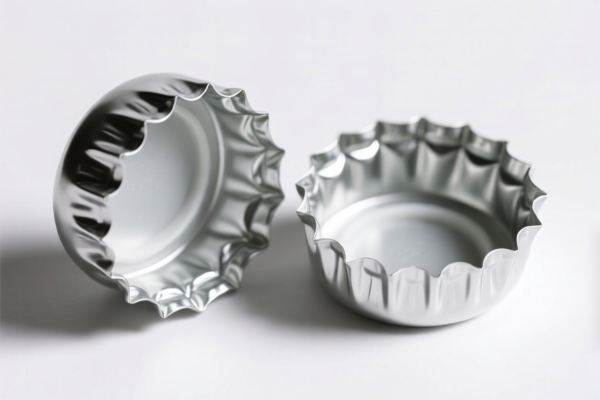
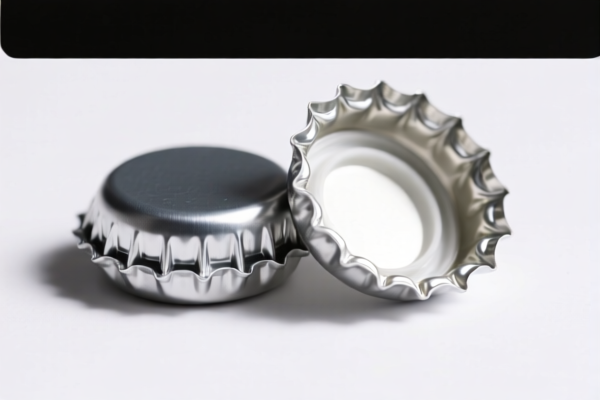
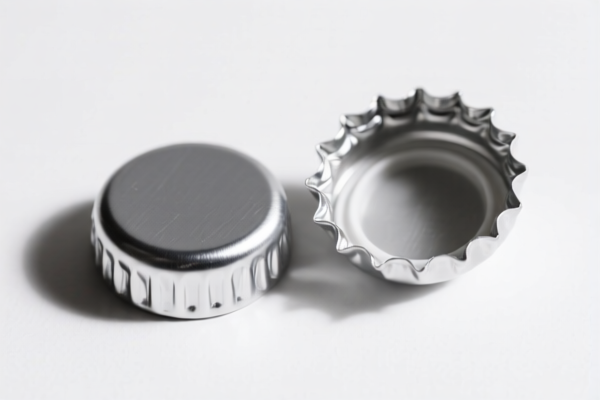
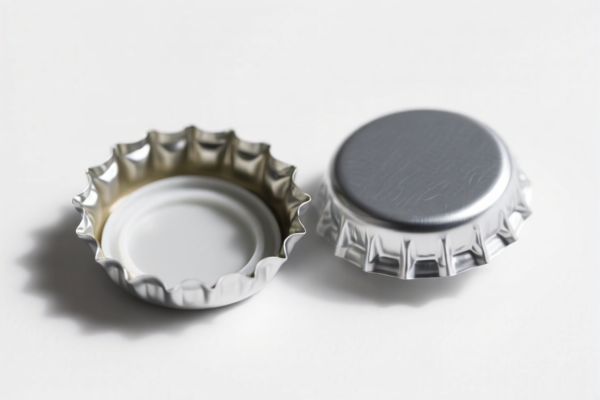
AI Analysis
🔩 Alloy Cap (Metallic Closure / Lid)
🌐 HS Code Reference & Customs Clearance Guide | 2026 Latest Tariff Analysis | Professional Clearance Strategy
📌 I. Product Definition & Classification: Do You Really Understand "Alloy Caps"?
An Alloy Cap (often referred to as a metallic closure, lid, or cap) is a generic term in international trade. However, its classification depends strictly on its material composition, intended use, and form.
In the Harmonized System (HS), these items generally fall under two main chapters: * Chapter 74: Articles of Copper (if the alloy is primarily copper-based). * Chapter 83: Miscellaneous articles of base metal (general "catch-all" for caps/lids made of other base metals or mixed alloys).
⚠️ Critical Distinction:
- If the cap is primarily copper and used as a container part → It may be classified under HS 7419.
- If the cap is a generic metallic lid (base metal) → It falls under HS 8309.
- Misclassification Risk: Declaring a copper-based cap as a general base metal lid (8309) can trigger penalties, while declaring a steel cap as copper (7419) will result in immediate rejection.
📦 II. HS Code Classification Details (2026 Latest Tariff Authority Comparison)
Based on the provided data, here are the four specific HS Codes relevant to "Alloy Caps," categorized by their material and structural logic.
| HS Code | Product Description | Applicability / Logic | Tax Rate (Total) |
|---|---|---|---|
| 7419.80.15.00 | Metal Cap, Material Matches Copper Products; Part of Container | Specific Use: Classified as a component part of containers made of copper. | 88.0% |
| 7419.80.50.50 | Metal Cap, Material Matches Copper Products; Form: Accessories/Parts | Generic Part: Classified as a spare part or accessory of copper articles, not specifically a container part. | 85.0% |
| 8309.90.00.85 | Metal Cap; Matches Material "Metal" & Use "Lid"; Base Metal "Catch-All" Logic | General Base Metal: Fits the generic "other articles of base metal" category for lids/caps not specified elsewhere. | 37.6% |
| 8309.10.00.00 | Metal Cap; Material & Form Matches "Base Metal Top/Lid" Definition | Specific Base Metal Lid: Explicitly classified as a top/lid made of base metal. | 35.0% |
🔍 Key Insight:
- Copper-Based Caps (HS 7419): Attract very high tariffs (85%-88%) due to specific trade barriers on copper products.
- Non-Copper Base Metal Caps (HS 8309): Attract moderate tariffs (35%-37.6%).
- Optimization Opportunity: If your alloy is NOT primarily copper, you should aim for HS 8309 to save ~50% in tariffs.
💰 III. 2026 Latest Tariff Rate Details (Including Surtaxes & Policy Surcharges)
✅ Applicable Country: United States (US)
✅ Origin: China (CN)
✅ Effective Date: 2025/2026 Current Regulations
🎯 1. HS 7419.80.15.00 – Metal Cap, Copper Container Part
| Item | Content |
|---|---|
| Basic Duty | 3.0% (ad valorem) |
| Surtax (Section 301) | +25.0% |
| 122 Clause Surcharge | +10.0% (Specific to Steel, Aluminum, Copper Articles) |
| Aluminum/Copper Surcharge | +50.0% (Specific to Copper Articles under 122 Clause) |
| Total Tax Rate | 88.0% |
| Calculation | CIF Value × 88% |
| De Minimis Eligibility | ❌ No (High duty prevents de minimis exemption) |
📌 Explanation:
This is the highest tax bracket. The 50% surcharge on copper articles (122 Clause) combined with Section 301 duties makes importing copper caps extremely costly.
- Why 88%? 3% (Base) + 25% (Section 301) + 10% (122 Clause) + 50% (Copper Specific) = 88%.
- Note: The "122 Clause" specifically targets steel and aluminum, but the data indicates a 50% surcharge for Copper, which is stacked here.
🎯 2. HS 7419.80.50.50 – Metal Cap, Copper Accessory/Part
| Item | Content |
|---|---|
| Basic Duty | 0.0% (ad valorem) |
| Surtax (Section 301) | +25.0% |
| 122 Clause Surcharge | +10.0% |
| Aluminum/Copper Surcharge | +50.0% |
| Total Tax Rate | 85.0% |
| Calculation | CIF Value × 85% |
| De Minimis Eligibility | ❌ No |
📌 Explanation:
Slightly lower than the previous code (88%) because the Basic Duty is 0%, but the surtaxes remain the same.
- Difference: This code is for "parts/accessories" rather than "container parts." The duty logic is identical regarding surcharges.
🎯 3. HS 8309.90.00.85 – Metal Cap, Base Metal "Catch-All"
| Item | Content |
|---|---|
| Basic Duty | 2.6% (ad valorem) |
| Surtax (Section 301) | +25.0% |
| 122 Clause Surcharge | +10.0% |
| Copper/Aluminum Surcharge | 0% (Not applicable as this is general base metal, not specifically copper/steel surcharged under 122) |
| Total Tax Rate | 37.6% |
| Calculation | CIF Value × 37.6% |
| De Minimis Eligibility | ❌ No (Still above de minimis threshold) |
📌 Explanation:
This code applies if the cap is NOT made of copper (or if the copper classification fails).
- Savings: By avoiding the copper-specific surcharges, you save ~50% in taxes compared to HS 7419.
- Logic: "Base metal catch-all" logic implies it's a generic metallic cap not specified in other copper/aluminum chapters.
🎯 4. HS 8309.10.00.00 – Metal Cap, Base Metal Top/Lid
| Item | Content |
|---|---|
| Basic Duty | 0.0% (ad valorem) |
| Surtax (Section 301) | +25.0% |
| 122 Clause Surcharge | +10.0% |
| Copper/Aluminum Surcharge | 0% |
| Total Tax Rate | 35.0% |
| Calculation | CIF Value × 35.0% |
| De Minimis Eligibility | ❌ No |
📌 Explanation:
This is the most economical classification for a metallic cap that is not copper.
- Lowest Rate: 35% total.
- Logic: Specifically defined as a "top/lid" of base metal. Basic duty is 0%, plus 25% Section 301, plus 10% 122 Clause (if applicable to general base metal steel/aluminum components).
- Recommendation: If your alloy is steel, aluminum, or mixed base metal (but not copper-dominated), use this code.
🛠️ IV. Customs Clearance Practical Advice (Pitfall Avoidance Guide)
✅ 1. Documentation Checklist (Mandatory)
| Document | Required? | Notes |
|---|---|---|
| ✅ Product Spec Sheet | ✔️ | Must specify alloy composition (e.g., % Copper, % Zinc, etc.). Critical for determining HS 7419 vs 8309. |
| ✅ Material Certificate | ✔️ | To prove if the cap is "Copper Alloy" or "General Base Metal." |
| ✅ Product Photos | ✔️ | Show threads, lining, and overall shape to confirm it's a "cap/lid." |
| ✅ Commercial Invoice | ✔️ | Description must match HS Code logic (e.g., "Copper Cap for Bottle" vs "Metal Lid for Jar"). |
| ✅ Packing List | ✔️ | Clearly separate caps from bottles/jars if shipped separately. |
✅ 2. Classification Strategy (Key Mantra)
🔥 "Copper Cap = High Tax, Non-Copper Cap = Low Tax! Declare Material Accurately!"
| Scenario | Correct HS Code | Total Tax | Risk if Misclassified |
|---|---|---|---|
| Cap is >50% Copper | 7419.80.15.00 or 7419.80.50.50 |
85% - 88% | If declared as 8309, customs will reclassify and charge back 85% + penalties. |
| Cap is Steel/Aluminum/Mixed | 8309.10.00.00 or 8309.90.00.85 |
35% - 37.6% | If declared as 7419, you pay unnecessary 50%+ surcharge. |
| Cap is for Medical/Special Use | Check Chapter 90 | Varies | Generic caps for special devices may need different codes, but standard alloy caps stay in 74/83. |
✅ 3. Special Situation Handling
| Situation | Handling Advice |
|---|---|
| Alloy Composition Unclear | Provide a mill certificate showing exact percentages. If Copper > 50%, you MUST use HS 7419. |
| Shipped with Containers | If caps are shipped installed on bottles, the bottle's HS Code may dominate. If shipped separately, declare caps individually. |
| 122 Clause Ambiguity | The 122 Clause explicitly mentions Steel and Aluminum. For Copper, the 50% surcharge is specific. Ensure your declaration reflects the correct material to avoid audit flags. |
| Small Batch/Low Value | Even with low CIF value, the 35-88% duty exceeds the $800 de minimis threshold in most cases. Do not rely on de minimis. |
🌍 V. Global Market Comparison (2026 Latest)
| Country/Region | Recommended HS Code | Approx. Duty | Certification | Remarks |
|---|---|---|---|---|
| 🇺🇸 USA | 8309.10.00.00 (Non-Copper) |
35.0% | No specific | High tariffs due to Section 301 & 122 Clause. |
| 🇺🇸 USA | 7419.80.15.00 (Copper) |
88.0% | No specific | Extremely high cost. Avoid if possible. |
| 🇪🇺 EU | 8309.90.00.00 |
2.7% | REACH | No Section 301. Much cheaper. |
| 🇨🇳 China | 8309.90.00.00 |
5.0-10% | None | Import duty varies by trade agreement. |
| 🇯🇵 Japan | 8309.90.00.00 |
3.0-6% | PSE (if electronic) | Low duty, high standards for food contact. |
📌 Conclusion:
- USA: The most expensive market for alloy caps due to Section 301 and 122 Clause surcharges.
- Copper Caps: Almost always attract 85%+ duty in the US. Consider alternative materials (e.g., aluminum, steel, plastic) if cost is a concern.
- Non-Copper Caps: Best to use HS 8309.10.00.00 for the lowest US tariff (35%).
📌 VI. Common Errors & Pitfall Guide (Blood & Tears Lessons)
❌ Error 1: Declaring a Copper Cap as a Plastic Cap or General Metal Cap
👉 Consequence: Customs audit, reclassification to HS 7419, back-taxes of 88%, and possible fraud penalties.
❌ Error 2: Using HS 8309 for a Copper Cap to save taxes
👉 Consequence: Customs will reject the entry, demand proof of material. If proven copper, you owe the difference + interest.
❌ Error 3: Ignoring the 122 Clause (10%) and Copper Surcharge (50%)
👉 Consequence: Budgeting based on basic duty only (3-5%) leads to massive cost overruns. You must budget for 35-88%.
❌ Error 4: Mixing Containers and Caps in one line item
👉 Consequence: Confusion in classification. Always declare caps separately if they are not installed.
✅ Correct Practice:
"Aluminum Alloy Cap for Beverage Container, HS 8309.10.00.00, 35% Duty"
OR
"Copper Alloy Cap for Perfume Bottle, HS 7419.80.15.00, 88% Duty"
🎯 VII. Conclusion: Professional Declaration, Cost Control
🎯 Key Takeaway:
🔹 "Material Dictates Tax: Copper is Expensive, Base Metal is Cheaper."
🔹 "Don't Guess the Alloy: Provide Certificates."
🔹 "Plan for 35% to 88% Duty in the US."
📌 Pro Tip:
If your cap is made of Aluminum or Steel, ensure it is NOT declared as Copper. Use HS 8309.10.00.00 to achieve the 35% rate.
If you must use Copper, consider design modifications (e.g., thinner plating, alternative alloy) to potentially qualify for lower categories, though this is difficult given the strict 50% surcharge on copper.
📣 Immediate Action:
📞 Verify Alloy Composition with your supplier.
📄 Select HS Code based on actual material.
💰 Calculate Landed Cost including 35-88% duty.
🚀 Clear Customs Smoothly, Maximize Profit!
✨ Professional Clearance Starts with Accurate Classification!
💼 Every Dollar Saved is Pure Profit!
Customer Reviews
About HS Code Classification
The Harmonized System (HS) is an internationally standardized nomenclature developed by the World Customs Organization (WCO) to classify traded products. Over 200 countries use the HS system as the basis for customs tariffs, trade statistics, and import/export regulations.
Each HS code follows a hierarchical structure:
- Chapter (2 digits) — Broad category of goods (e.g., Chapter 84: Machinery and Mechanical Appliances)
- Heading (4 digits) — More specific grouping within the chapter
- Subheading (6 digits) — Internationally standardized breakdown, used by all WCO member countries
- National subdivisions (8-10 digits) — Country-specific extensions for further classification, such as US HTSUS 10-digit codes
Correct HS code classification is essential for smooth customs clearance, accurate duty payment, and compliance with trade regulations. Misclassification can lead to customs delays, overpayment of duties, or penalties.
When importing from CN to US, the applicable tariff rates may include:
- Most-Favored-Nation (MFN) rate — The standard duty rate applied to WTO members
- General rate — Applied to countries without trade agreements
- Trade remedy duties — Additional tariffs such as Section 301 (anti-dumping), Section 232 (national security), or countervailing duties
The information provided on this page is for reference purposes only. For official classification, please consult with your local customs authority or a licensed customs broker.