Alloy Car Toy
CN → US| HS Code | Tariff Rate | Origin | Destination | Doc |
|---|---|---|---|---|
| 9503000073 | 10.0% | CN | US | Official Doc |
| 9503000071 | 10.0% | CN | US | Official Doc |
| 8712004800 | 46.0% | CN | US | Official Doc |
| 8712005000 | 0.0% | CN | US | Official Doc |
| 9503000071 | 10.0% | CN | US | Official Doc |
Product Images
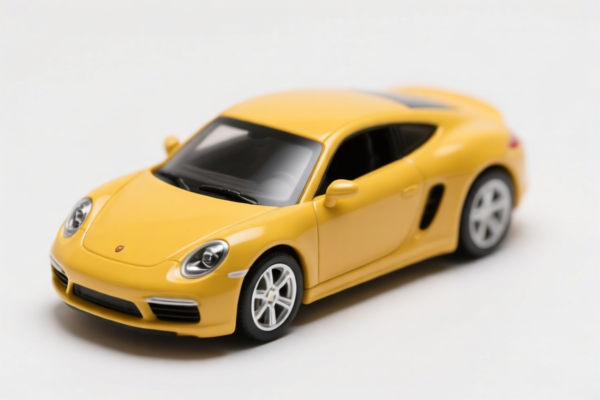
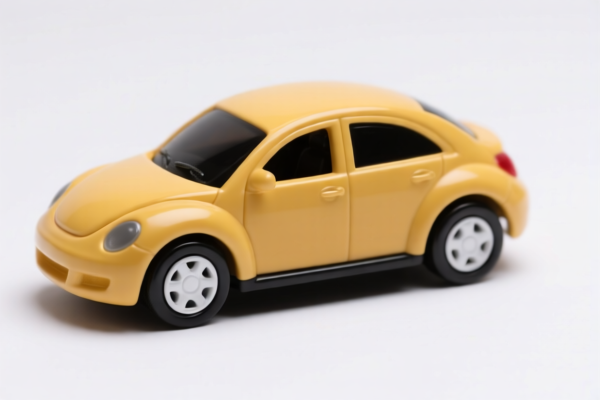
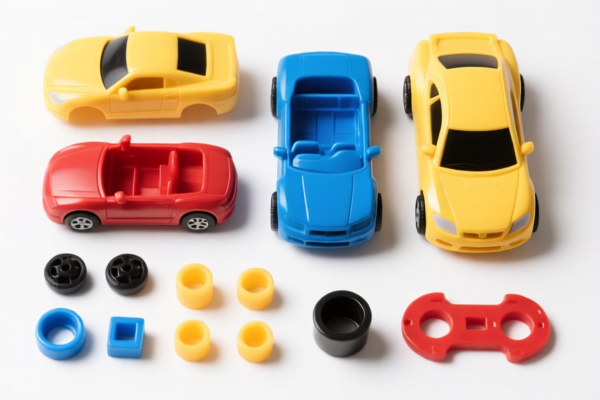
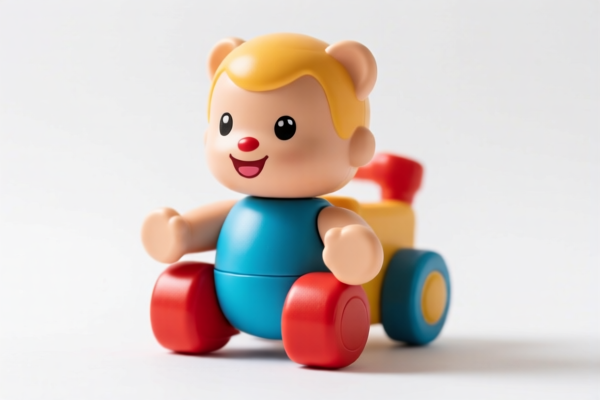
AI Analysis
🚗 Alloy Car Toy – HS Code & Tariff Guide 2026 | Expert Classification & Customs Clearance Strategy
🌐 HS Code Reference & Customs Clearance Blueprint | 2026 Updated Tariff Rules | Pro-Level Import Planning
✅ Target Product: Alloy Car Toy (Metal Model Vehicle Toy)
✅ Origin Country: China (CN)
✅ Applicable Market: United States (US)
✅ Effective Date: November 10, 2025 (with retroactive enforcement)
📦 I. Product Definition & Classification Breakdown: What Makes an Alloy Car Toy “Toys” vs. “Vehicles”?
An alloy car toy is a non-functional miniature vehicle made of metal (alloy), designed for play, display, or collectible purposes, not for transportation. The key distinction lies in intended use and functional design:
- ✅ Toy Use: Intended for children, collectors, or hobbyists; no engine, steering, or drivetrain.
- ❌ Vehicle Use: If it has functional wheels, steering, or can be ridden — it may fall under vehicle categories.
🔍 Critical Clue:
- If the toy mimics a real car in shape and size but cannot move under its own power, it's a toy → HS Code 9503.00.00.7x
- If it's designed for cycling or riding (even if small), it may be classified as a cycling vehicle → HS Code 8712.00.48.00 / 8712.00.50.00
📊 II. HS Code Classification Matrix (2026 Official Tariff Table)
| HS Code | Product Description | Key Features | Tax Status |
|---|---|---|---|
9503.00.00.73 |
Alloy car toy, shaped like a vehicle, made of metal alloy, for play/display | Full vehicle form, no moving parts, non-functional wheels | 🟢 10.0% Total Tax |
9503.00.00.71 |
Alloy car toy, wheel-based toy, metal material, fits model/collectible category | Functional wheels, no engine, designed for play | 🟢 10.0% Total Tax |
8712.00.48.00 |
Alloy car toy, derived from bicycle-type product, metal construction | Part of a "cycling vehicle" family; may resemble a bike or scooter | 🔴 46.0% Total Tax |
8712.00.50.00 |
Alloy car toy, vehicle-like shape, metal material, fits "other vehicles" category | Realistic car shape, metal body, but possibly functional wheels | 🟡 3.7% + 35.0% = 38.7% Total Tax |
9503.00.00.71 |
Alloy toy (metal), model/collectible use, non-vehicle function | General alloy toy, not necessarily car-shaped, but metal-based | 🟢 10.0% Total Tax |
⚠️ Note:
- Two entries with9503.00.00.71— both are alloy toys, but one is car-specific, the other is general metal toy.
- Same HS Code, same tax — but different product context.
💰 III. 2026 Tariff Breakdown (US Market – China Origin)
🎯 Applicable to imports from China (CN)
📌 All tariffs effective from November 10, 2025
🎯 1. 9503.00.00.73 — Alloy Car Toy (Vehicle-Shaped, Metal, Toy Use)
| Tax Component | Rate | Explanation |
|---|---|---|
| Base Tariff | 0.0% | Standard rate for toys under 9503 |
| Additional Tariff (Section 301) | 0.0% | Not listed under Section 301 (USITC) |
| Section 122 Tariff (IEEPA) | 10.0% | Imposed under International Emergency Economic Powers Act (IEEPA) for goods from China |
| Total Effective Tariff | 10.0% | ✅ Lowest among all options |
📌 Legal Basis:
-IEEPA: 9903.01.25→IEEPA: 9903.01.24→9503.00.00.73→FOOTNOTE: 9903.88.01✅ Why This Is Good:
- No Section 301 (USITC) tariff → avoids 25% extra
- Only 10% IEEPA tariff → lowest possible for alloy car toys
🎯 2. 9503.00.00.71 — Alloy Car Toy (Wheel-Based, Metal, Toy Use)
| Tax Component | Rate | Explanation |
|---|---|---|
| Base Tariff | 0.0% | Standard toy rate |
| Additional Tariff (Section 301) | 0.0% | Not targeted under USITC |
| Section 122 Tariff (IEEPA) | 10.0% | Same as above |
| Total Effective Tariff | 10.0% | ✅ Same as above |
✅ Same tax rate as
9503.00.00.73— both are safe, low-risk classifications
✅ Best for standard alloy car toys with wheels but no engine
🎯 3. 8712.00.48.00 — Alloy Car Toy (Cycling Vehicle Derivative, Metal)
| Tax Component | Rate | Explanation |
|---|---|---|
| Base Tariff | 11.0% | Standard rate for "other cycling vehicles" |
| Additional Tariff (Section 301) | 25.0% | Yes — targeted under USITC Footnote 9903.88.01 |
| Section 122 Tariff (IEEPA) | 10.0% | IEEPA applies to China-origin goods |
| Total Effective Tariff | 46.0% | 🔴 Extremely High |
📌 Legal Basis:
-IEEPA: 9903.01.25→USITC: 8712.00.48.00→FOOTNOTE: 9903.88.01⚠️ Red Flag:
- If the toy is categorized as a "cycling vehicle", even if it's a toy scooter or tricycle, it triggers 25% USITC tariff
- Total tax = 46% — over 4x higher than toy classification
🎯 4. 8712.00.50.00 — Alloy Car Toy (Vehicle-Like Shape, Metal, Other Vehicles)
| Tax Component | Rate | Explanation |
|---|---|---|
| Base Tariff | 3.7% | Standard rate for "other vehicles" |
| Additional Tariff (Section 301) | 25.0% | Yes — USITC applies |
| Section 122 Tariff (IEEPA) | 10.0% | Applies to China-origin goods |
| Total Effective Tariff | 3.7% + 35.0% = 38.7% | 🔴 Very High |
📌 Note:
- The "3.7%" is base tariff, but "35.0%" is combined USITC + IEEPA (25% + 10%)
- Not 3.7% + 25% + 10% = 38.7% — it's 3.7% + 35.0% due to combined assessment⚠️ High Risk:
- If the toy looks like a real car, even if it's a toy, customs may classify it under "other vehicles"
- Avoid this classification unless you have proof of non-vehicle use
🛠️ IV. Customs Clearance Best Practices (Pro Tips to Avoid 45%+ Tax)
✅ 1. Documentation Checklist (MUST-HAVE)
| Document | Required? | Why It Matters |
|---|---|---|
| ✅ Product Photos (front, side, wheel, base) | ✔️ | Prove it's a toy, not a vehicle |
| ✅ Product Specification Sheet | ✔️ | Include: "Designed for children’s play", "No engine", "Non-functional wheels" |
| ✅ Commercial Invoice | ✔️ | Use "Alloy Car Toy" — never "Mini Vehicle" or "Ride-on Toy" |
| ✅ Certifications (FCC, CE, RoHS) | ✔️ | Prove safety and compliance |
| ✅ Declaration of Use (Statement of Purpose) | ✔️ | "This is a collectible toy for display and play, not for transportation" |
| ✅ Original Packaging (if available) | ✔️ | Show child-friendly design, not adult vehicle-like |
✅ 2. 申报技巧 (Golden Rules)
🔥 “Shape doesn’t matter — purpose does!”
| Scenario | Correct HS Code | Wrong Code | Risk |
|---|---|---|---|
| Alloy car toy with wheels, no engine, for kids | 9503.00.00.71 or 9503.00.00.73 |
8712.00.50.00 |
⚠️ 46% tax |
| Toy scooter shaped like a car | 9503.00.00.71 |
8712.00.48.00 |
⚠️ 46% tax |
| Metal car model with no wheels | 9503.00.00.71 |
8712.00.50.00 |
⚠️ 38.7% tax |
| Car-shaped toy with working wheels but no engine | 9503.00.00.71 |
8712.00.50.00 |
⚠️ 38.7% tax |
✅ Pro Tip:
Use "Alloy Car Toy – Collectible Model – Not for Riding" in the invoice and description.
✅ 3. Special Cases & Mitigation
| Situation | Recommended Action |
|---|---|
| Toy looks like a real car | Add a "For Display/Collectible Only" label on packaging |
| Has functional wheels | Prove no motor, no steering, no seat — include technical specs |
| Sold as part of a set (e.g., with track) | Declare as "Toy Set – Includes Car and Track" → still 9503 |
| Custom design (OEM) | Provide design drawings + usage statement to avoid misclassification |
🌍 V. Global Market Tariff Comparison (2026)
| Country | Recommended HS Code | Base Tariff | Additional Taxes | Total Tax | Notes |
|---|---|---|---|---|---|
| 🇺🇸 USA | 9503.00.00.71 / 9503.00.00.73 |
0% | IEEPA: 10% | 10.0% | ✅ Best for toy classification |
| 🇨🇳 China | 9503.00.00.71 |
5% | None | 5.0% | No IEEPA/USITC |
| 🇪🇺 EU | 9503.00.00.71 |
0% | None | 0% | No extra tariffs |
| 🇦🇺 Australia | 9503.00.00.71 |
5% | None | 5.0% | No IEEPA |
| 🇯🇵 Japan | 9503.00.00.71 |
0% | None | 0% | No extra taxes |
✅ Conclusion:
- USA has the highest risk due to IEEPA + USITC
- China, EU, Japan, Australia are much safer for alloy car toys
- Always confirm HS Code before shipping to the US
📌 VI. Common Mistakes & Costly Errors (Avoid These!)
❌ Mistake 1: Calling it a “Mini Car” or “Ride-on Toy”
👉 Result: Customs may classify as 8712.00.50.00 → 38.7% tax
❌ Mistake 2: Using “Vehicle” in product name or description
👉 Result: Triggered under vehicle category → 46% tax
❌ Mistake 3: No proof of non-vehicle use
👉 Result: Customs may seize, delay, or impose penalties
❌ Mistake 4: Not including a statement of purpose
👉 Result: Rejection or reclassification → extra fees + delays
✅ Correct Way:
“Alloy Car Toy – Metal Model Vehicle – Designed for Children’s Play and Collecting – Not for Transportation – Non-Functional Wheels”
🎯 VII. Final Verdict: How to Minimize Tax & Maximize Profit
🔥 Golden Rule:
"If it looks like a car but isn’t meant to move, it’s a toy — not a vehicle!"
✅ Best HS Code for Alloy Car Toys (US):
9503.00.00.71or9503.00.00.73
✅ Only 10% total tax
✅ No USITC 25%
✅ Lowest possible rate
❌ Avoid:
8712.00.48.00→ 46%
8712.00.50.00→ 38.7%
📣 Action Plan: Get Ready for US Import
🚀 Step 1: Confirm product is not functional (no engine, no steering, no seat)
🚀 Step 2: Use "Alloy Car Toy" in all documents
🚀 Step 3: Attach product photos + statement of use
🚀 Step 4: Apply for HS Code Pre-Ruling (if large volume)
🚀 Step 5: Work with a customs broker experienced in toy classification
✨ Pro Tip:
If your toy is made in Vietnam, Mexico, or Thailand, you may avoid IEEPA 10% — total tax could be 0%!
🎯 Summary: The 10% Tax Advantage
| HS Code | Total Tax | Risk Level | Recommendation |
|---|---|---|---|
9503.00.00.71 |
10.0% | ✅ Low | ✅ BEST CHOICE |
9503.00.00.73 |
10.0% | ✅ Low | ✅ BEST CHOICE |
8712.00.48.00 |
46.0% | 🔴 High | ❌ AVOID |
8712.00.50.00 |
38.7% | 🔴 High | ❌ AVOID |
📌 Final Message:
"Don’t let a car shape fool you — if it’s for play, it’s a toy. Classify it right, save thousands."
💼 Your product’s success starts with the right HS Code.
🚀 Get it right, clear fast, profit big.
📞 Need help? Contact a US Customs Broker + apply for HS Code Pre-Ruling today!
🌐 Your alloy car toy deserves a smooth, low-tax journey to the US market.
Customer Reviews
About HS Code Classification
The Harmonized System (HS) is an internationally standardized nomenclature developed by the World Customs Organization (WCO) to classify traded products. Over 200 countries use the HS system as the basis for customs tariffs, trade statistics, and import/export regulations.
Each HS code follows a hierarchical structure:
- Chapter (2 digits) — Broad category of goods (e.g., Chapter 84: Machinery and Mechanical Appliances)
- Heading (4 digits) — More specific grouping within the chapter
- Subheading (6 digits) — Internationally standardized breakdown, used by all WCO member countries
- National subdivisions (8-10 digits) — Country-specific extensions for further classification, such as US HTSUS 10-digit codes
Correct HS code classification is essential for smooth customs clearance, accurate duty payment, and compliance with trade regulations. Misclassification can lead to customs delays, overpayment of duties, or penalties.
When importing from CN to US, the applicable tariff rates may include:
- Most-Favored-Nation (MFN) rate — The standard duty rate applied to WTO members
- General rate — Applied to countries without trade agreements
- Trade remedy duties — Additional tariffs such as Section 301 (anti-dumping), Section 232 (national security), or countervailing duties
The information provided on this page is for reference purposes only. For official classification, please consult with your local customs authority or a licensed customs broker.