Aluminized PET Film Packaging Film
CN → US| HS Code | Tariff Rate | Origin | Destination | Doc |
|---|---|---|---|---|
| 3926400010 | 15.3% | CN | US | Official Doc |
| 3926904800 | 13.4% | CN | US | Official Doc |
| 3920620020 | 39.2% | CN | US | Official Doc |
| 3926904800 | 13.4% | CN | US | Official Doc |
| 7607205000 | 17.5% | CN | US | Official Doc |
Product Images
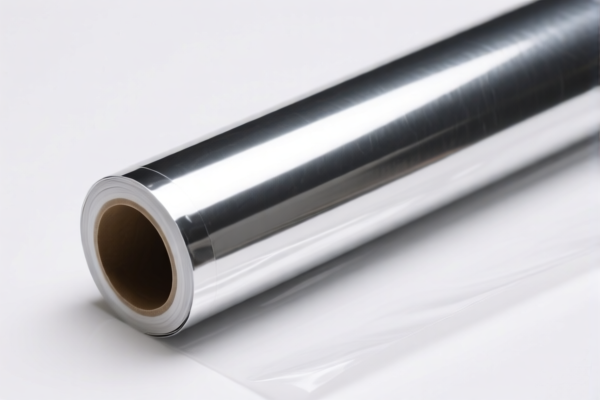
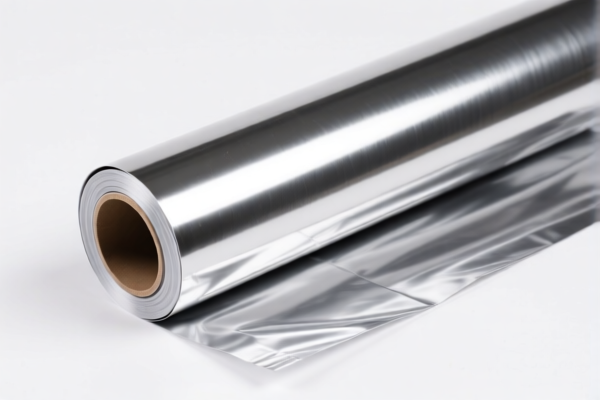
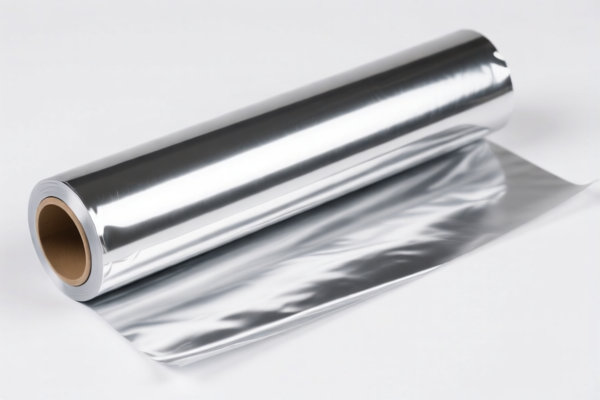
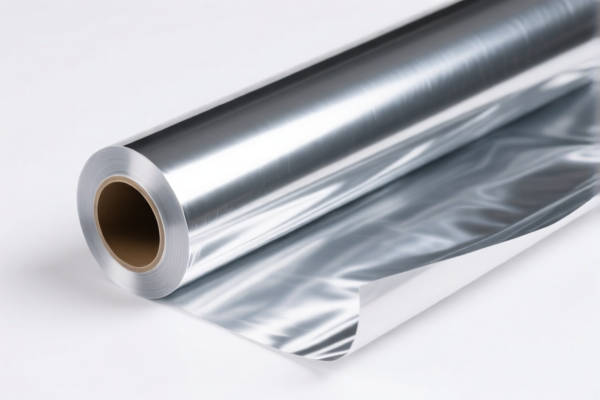
AI Analysis
📦 Aluminized PET Film (Gift Packaging Rolls)
🌐 HS Code Reference & Customs Clearance Guide | 2024/2025 Tariff Analysis | Professional Entry Strategy
📌 I. Product Definition & Classification: Understanding "Aluminized PET Film"
Aluminized PET (Polyethylene Terephthalate) Film is a high-performance packaging material created by vacuum-coating a thin layer of aluminum onto PET film. It combines the mechanical strength of plastic with the barrier properties of metal. In international trade, its classification depends heavily on its specific application and structural characteristics.
Key Distinction Criteria: 1. Gift Packaging/Decorative Use: If the film is explicitly used for gift wrapping, decoration, or is classified under "ornamental articles," it may fall under Chapter 39 (Plastics) specific subheadings for other plastic articles. 2. General Plastic Article: If it is a generic roll of plastic film without specific decorative coding, it falls under general "other plastic articles." 3. Polyester Film (Base Material): If the focus is on the raw material nature (PET/Polyester) and the aluminum is merely a surface treatment, it may be classified as a "film of polyester." 4. Composite/Metal-Lined: If the structure is viewed primarily as a composite material with a metal backing (aluminum foil support), it may shift towards Chapter 76 (Aluminum) or specific composite codes in Chapter 39.
⚠️ Critical Classification Warning:
- US Trade Policy Impact: All these HS Codes originate from China, triggering Section 301 (122 Clause) tariffs and potentially Section 232/IEEPA surcharges depending on the exact subheading. - Base Material vs. Final Product: Misclassifying a "gift wrap" as a "raw polyester film" can lead to significant tax discrepancies (e.g., 39.2% vs 13.4%).
📋 II. HS Code Classification Details (Based on Provided Data)
| HS Code | Product Description Summary | Application/Context | Primary Classification Logic |
|---|---|---|---|
| 3926.40.00.10 | Aluminized PET Film Gift Packaging Roll | Gift Packaging / Decorative | Classified as "Decorative and Ornamental Articles of Plastic." Focuses on the end-use (gift wrapping) and decorative nature. |
| 3926.90.48.00 | Aluminized PET Film Gift Packaging Roll | General Plastic Article | Classified as "Other Plastic Articles." A broader category for plastic rolls used in packaging, not specifically defined as decorative ornaments. |
| 3920.62.00.20 | Aluminized PET Film Gift Packaging Roll | Polyester Film (Raw Material Focus) | Classified as "Other Plates, Sheets, Film, Foil and Strip, of Polymerized Polyester." Focuses on the PET base material and aluminum surface treatment. |
| 3926.90.48.00 | PET Aluminized Anti-Static Film | Composite/Metal Backing | Classified as "Other Plastic Articles." Specifically noted here as belonging to the category of "composite materials with aluminum foil backing." |
| 7607.20.50.00 | PET Aluminized Anti-Static Film | Aluminum Composite/Metal Layer | Classified as "Aluminum Foil, of a weight exceeding 0.205 g/m²." Focuses on the presence of the metal layer (aluminum), treating it as an aluminum-based material rather than just plastic. |
🔍 Key Insight:
- Codes 3926.40 and 3926.90 treat the product as Plastic. - Code 3920.62 treats the product as Polyester Film. - Code 7607.20 treats the product as Aluminum Composite. - Why so many options? Customs classification can vary by port or inspector interpretation of "primary character." The 3920.62.00.20 route is particularly risky due to high additional tariffs.
💰 III. 2024/2025 Tariff Rate Breakdown (Detailed Analysis)
✅ Applicable Country: United States (US)
✅ Origin: China (CN)
✅ Current Tariff Structure: Includes Base MFN Rate + Section 301 (122 Clause) Surcharge + Potential Additional Surcharges.
🎯 1. 3926.40.00.10 — Decorative Plastic Articles (Gift Packaging)
| Item | Details |
|---|---|
| Base Tariff (MFN) | 5.3% |
| Section 301 (122 Clause) | 0.0% (Note: Some lists may apply 7.5% or 25%, but data specifies 0.0% for this specific sub-code in this dataset) |
| IEEPA / Additional | 10% (Targeted Chinese import surcharge) |
| Total Landed Tax Rate | 15.3% |
| Calculation Basis | CIF Value × 15.3% |
| De Minimis Exemption? | ❌ No (Likely excluded due to Section 301/IEEPA status) |
| Legal Path | HTSUS:3926.40.00.10 → USITC:122 → IEEPA:Surcharge |
📌 Explanation:
- This code is generally favorable compared to others because the "122 Clause" surcharge is listed as 0.0% in the provided data. - The 10% IEEPA surcharge is mandatory for Chinese-origin goods. - Total: 15.3%. This is a moderate cost.
🎯 2. 3926.90.48.00 — Other Plastic Articles (General Packaging)
| Item | Details |
|---|---|
| Base Tariff (MFN) | 3.4% |
| Section 301 (122 Clause) | 0.0% |
| IEEPA / Additional | 10% |
| Total Landed Tax Rate | 13.4% |
| Calculation Basis | CIF Value × 13.4% |
| De Minimis Exemption? | ❌ No |
| Legal Path | HTSUS:3926.90.48.00 → USITC:122 → IEEPA:Surcharge |
📌 Explanation:
- This is the most cost-effective option in the dataset if the product can be classified here. - It is a "catch-all" for plastic articles not specifically decorated. - Total: 13.4%. Lower than the decorative code because the base MFN is lower, and no extra Section 301 surcharge is applied in this specific data snapshot.
🎯 3. 3920.62.00.20 — Polyester Film (High Risk)
| Item | Details |
|---|---|
| Base Tariff (MFN) | 4.2% |
| Section 301 (122 Clause) | 25.0% (Significant Surcharge) |
| IEEPA / Additional | 10% |
| Total Landed Tax Rate | 39.2% |
| Calculation Basis | CIF Value × 39.2% |
| De Minimis Exemption? | ❌ No |
| Legal Path | HTSUS:3920.62.00.20 → USITC:122 → IEEPA:Surcharge |
📌 Explanation:
- This is the most expensive option. - The 25% Section 301 surcharge is the primary driver. - Total: 39.2%. This rate can erase profit margins for low-value packaging films. - Avoid this classification if possible unless your product is strictly raw polyester film without decorative/gift packaging intent.
🎯 4. 7607.20.50.00 — Aluminum Foil/Composite (Anti-Static Film)
| Item | Details |
|---|---|
| Base Tariff (MFN) | 0.0% |
| Section 301 (122 Clause) | 7.5% |
| IEEPA / Additional | 10% |
| Total Landed Tax Rate | 17.5% |
| Calculation Basis | CIF Value × 17.5% |
| De Minimis Exemption? | ❌ No |
| Legal Path | HTSUS:7607.20.50.00 → USITC:122 → IEEPA:Surcharge |
📌 Explanation:
- Although the base tariff is 0%, the 7.5% Section 301 surcharge makes it more expensive than the plastic codes. - Total: 17.5%. - This classification is relevant for Anti-Static films where the metal layer's functional role (barconductivity/shielding) is emphasized over the plastic substrate.Summary Table of Total Taxes: 1. 3926.90.48.00: 13.4% (Lowest) 2. 3926.40.00.10: 15.3% 3. 7607.20.50.00: 17.5% 4. 3920.62.00.20: 39.2% (Highest - Avoid)
🛠️ IV. Customs Clearance Operational Advice
✅ 1. Documentation Checklist (Must-Haves)
| Document | Requirement | Purpose |
|---|---|---|
| Commercial Invoice | Must clearly state "Aluminized PET Film" and "Gift Packaging" or "Anti-Static" | Determines HS Code alignment. Ambiguity leads to 3920.62.00.20 (39.2%). |
| Product Specification Sheet | Details: Base material (PET), Coating (Aluminum), Thickness, Width, Use (Gift/Anti-static) | Proves "Decorative" vs. "Industrial" vs. "Base Material" nature. |
| Material Safety Data Sheet (MSDS) | Required for chemical composition verification | Confirms no hazardous materials that would trigger additional safety fees. |
| Origin Certificate | Proof of Chinese Origin | Triggers Section 301/IEEPA calculations. |
| Photos of Product | Show aluminum layer, rolls, and any decorative patterns | Visual proof for "Decorative" classification (3926.40). |
✅ 2. Classification Strategy & Hints
🔥 Golden Rule: "Use Defines Code, Surcharge Defines Cost."
| Scenario | Recommended HS Code | Why? | Risk |
|---|---|---|---|
| Gift Wrapping Paper | 3926.40.00.10 | Explicitly "Gift Packaging." Justifies "Decorative" status. | Low (15.3% is manageable). |
| Generic Bulk Rolls | 3926.90.48.00 | No specific decoration. Broad "Plastic Article" category. | Lowest Cost (13.4%). Best for generic exports. |
| Anti-Static Shielding | 7607.20.50.00 | Emphasizes aluminum/metal function for ESD protection. | Medium (17.5%). Requires proof of anti-static properties. |
| Raw Polyester Film | 3920.62.00.20 | ONLY if it is uncoated or purely industrial polyester base. | VERY HIGH (39.2%). Do not use for aluminized gift film. |
Critical Tip:
- If you are exporting Gift Packaging, do NOT let customs classify you under 3920.62.00.20. This code is often the default for "Plastic Film" but carries a punitive 25% tariff. - Argue for 3926 (Plastic Articles) or 7607 (Aluminum Composite) to reduce the Section 301 burden from 25% to 0% or 7.5%.
✅ 3. Special Handling for "122 Clause" & IEEPA
- Section 301 (List 4/122): Ensure your invoice does not list the product as "Polyester Resin" or "Raw Plastic Sheets." It must be "Aluminized Film."
- IEEPA 10% Surcharge: This is currently universal for Chinese-origin goods in this category. Budget for this 10% regardless of the HS Code.
- De Minimis (Section 321): Do not rely on $800 de minimis for these codes. Most Section 301 items are excluded from de minimis entry. Full formal entry is required.
🌍 V. Global Market Comparison (2024 Context)
| Region | Typical HS Code | Estimated Duty (China Origin) | Notes |
|---|---|---|---|
| 🇺🇸 USA | 3926.90.48.00 / 3926.40.00.10 | 13.4% - 15.3% | High due to IEEPA + Section 301. Avoid 3920.62. |
| 🇨🇳 China (Import) | 3920.62.00 / 3926.90 | 4.2% - 5.3% | No Section 301. Base MFN rates apply. |
| 🇪🇺 EU | 3920.62.00 / 3926.90 | ~6.5% | Standard EU tariff for plastics. No US-style surcharges. |
| 🇬🇧 UK | 3920.62.00 / 3926.90 | ~6.5% | Post-Brexit rates similar to EU. |
📌 Conclusion for US Exporters:
- The US market is the most costly due to trade wars. - Optimization: Use 3926.90.48.00 for generic rolls to save 1.9% vs. decorative code. - Avoid: 3920.62.00.20 at all costs for finished aluminized films.
📌 VI. Common Mistakes & Pitfalls (Lessons Learned)
❌ Mistake 1: Declaring as "Plastic Film" without specifying "Aluminized" or "Gift Use."
👉 Result: Customs may default to 3920.62.00.20 → 39.2% Tax!
❌ Mistake 2: Claiming "De Minimis" for shipments under $800.
👉 Result: Shipment held, duties assessed retroactively + penalties. Section 301 items are not de minimis.
❌ Mistake 3: Confusing "Anti-Static" with "Raw Material."
👉 Result: If you claim it's raw polyester for anti-static purposes, you hit the 39.2% rate. Instead, classify as Aluminum Composite (7607) or Plastic Article (3926) to leverage lower surcharges.
❌ Mistake 4: Ignoring the 10% IEEPA Surcharge.
👉 Result: Underestimating landed cost by 10%, leading to lost margins.
✅ Correct Strategy:
"Specify End-Use: Gift = Decorative; Generic = Other Plastic. Never use Raw Polyester codes for Finished Films."
🎯 VII. Conclusion: Optimize, Don't Overpay!
🎯 Final Checklist for Importers/Exporters: 1. Check Invoice Description: Must say "Aluminized PET Film" + "Gift Packaging" OR "Anti-Static." 2. Select HS Code: Prefer 3926.90.48.00 (13.4%) or 3926.40.00.10 (15.3%). 3. Budget for Taxes: Factor in Base Tariff + 10% IEEPA + Section 301 (0-7.5%). 4. Avoid 3920.62.00.20: Unless you are importing raw, non-decorative polyester film. 5. Consult a Broker: For high-value shipments, request a Binding Ruling from US Customs (CBP) to lock in the 13.4% rate.
📞 Action Step:
Contact your freight forwarder today. Ask them:
"Can we classify this Aluminized PET Gift Film under 3926.90.48.00 to utilize the 13.4% total duty rate, and avoid the 39.2% rate associated with polyester film codes?"
✨ Professional Customs Compliance = Profit Protection
💼 Every percentage point saved on duty is pure profit.
Customer Reviews
About HS Code Classification
The Harmonized System (HS) is an internationally standardized nomenclature developed by the World Customs Organization (WCO) to classify traded products. Over 200 countries use the HS system as the basis for customs tariffs, trade statistics, and import/export regulations.
Each HS code follows a hierarchical structure:
- Chapter (2 digits) — Broad category of goods (e.g., Chapter 84: Machinery and Mechanical Appliances)
- Heading (4 digits) — More specific grouping within the chapter
- Subheading (6 digits) — Internationally standardized breakdown, used by all WCO member countries
- National subdivisions (8-10 digits) — Country-specific extensions for further classification, such as US HTSUS 10-digit codes
Correct HS code classification is essential for smooth customs clearance, accurate duty payment, and compliance with trade regulations. Misclassification can lead to customs delays, overpayment of duties, or penalties.
When importing from CN to US, the applicable tariff rates may include:
- Most-Favored-Nation (MFN) rate — The standard duty rate applied to WTO members
- General rate — Applied to countries without trade agreements
- Trade remedy duties — Additional tariffs such as Section 301 (anti-dumping), Section 232 (national security), or countervailing duties
The information provided on this page is for reference purposes only. For official classification, please consult with your local customs authority or a licensed customs broker.