Aluminum Alloy Wheel Hub
CN → US| HS Code | Tariff Rate | Origin | Destination | Doc |
|---|---|---|---|---|
| 7326908688 | 87.9% | CN | US | Official Doc |
| 8708995800 | 37.5% | CN | US | Official Doc |
| 7326190080 | 87.9% | CN | US | Official Doc |
| 7616995170 | 37.5% | CN | US | Official Doc |
| 8712001550 | 46.0% | CN | US | Official Doc |
Product Images
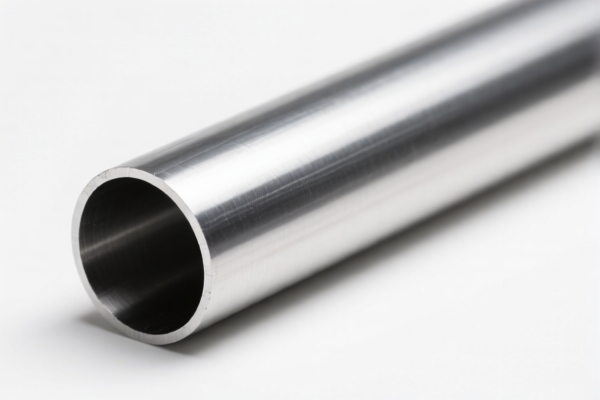
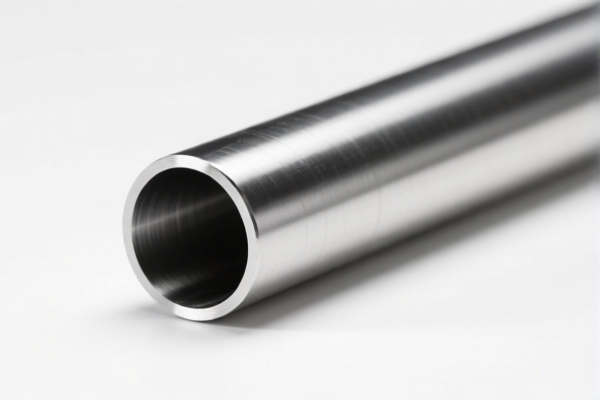
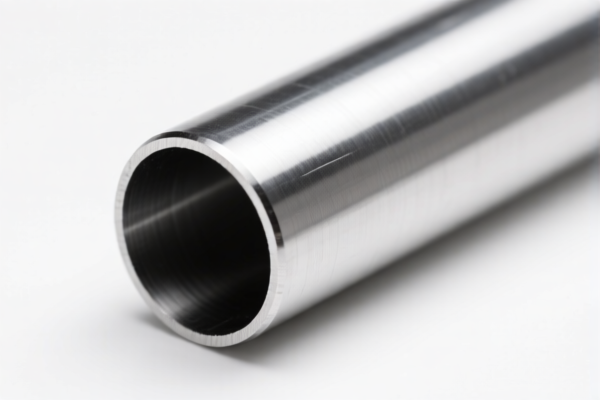
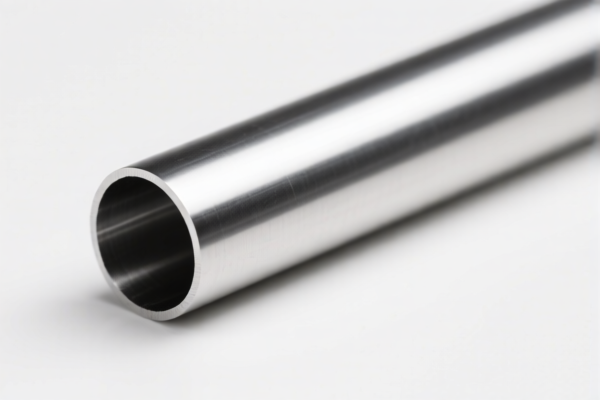
AI Analysis
🚗 Aluminum Alloy Wheel Hub (汽车轮毂)
🌐 HS Code Reference & Customs Clearance Guide | 2026 Latest Tariff Analysis | Professional Clearance Strategy
📌 Part 1: Product Definition & Classification: What Exactly is an "Aluminum Alloy Wheel Hub"?
An Aluminum Alloy Wheel Hub is a critical automotive component that connects the vehicle's axle to the wheel. In international trade, its classification is highly controversial and depends heavily on material composition and functional interpretation.
It is generally categorized into two conflicting logics: 1. As an Automotive Part: Classified under Chapter 87, as a component specifically designed for vehicles (HS 8708). 2. As a Metal Article: Classified under Chapter 73 (Steel/Iron) or Chapter 76 (Aluminum), treating it as a generic manufactured metal product (HS 7326/7616).
⚠️ Key Distinction Point:
- If classified as a Vehicle Part (8708) → Lower base tariff, but still subject to Section 301 duties. - If classified as a Metal Article (7326/7616) → Higher base tariff, and potentially subject to Section 232 (Steel/Aluminum) specific duties, leading to massive tax accumulation.
📦 Part 2: HS Code Classification Details (2026 Latest Tariff Authority Comparison)
Based on the provided data, here are the five potential HS Code classifications for Aluminum Alloy Wheel Hubs, along with their logical justifications and total tax impacts.
| HS Code | Product Description | Logic/Justification | Total Tax Rate | Key Risk Factor |
|---|---|---|---|---|
8708.99.58.00 |
Other Parts and Accessories of Motor Vehicles | Vehicle Part Logic: The hub is a specific component for cars. It fits the "catch-all" category for vehicle parts. | 37.5% | Lower total tax; avoids Section 232 metal-specific tariffs. |
7616.99.51.70 |
Other Articles of Aluminum | Material Logic: Made of aluminum, it falls under "Other articles of aluminum." It is treated as a raw metal product rather than a specialized auto part. | 37.5% | Similar tax to 8708, but classification risk differs. Note: Data summary says "Aluminum or Steel," but code 76xx is specifically Aluminum. |
7326.90.86.88 |
Other Articles of Iron or Steel | Material Logic: Even if alloyed, if deemed primarily steel/iron, it falls under general iron/steel articles. | 87.9% | High Risk: Includes Section 232 Aluminum/Steel tariffs. |
7326.19.00.80 |
Other Articles of Iron or Steel (Forged/Stamped) | Process Logic: Assumes material is steel and form is stamped/forged parts. Treated as industrial steel products. | 87.9% | High Risk: Includes Section 232 Aluminum/Steel tariffs. |
8712.00.15.50 |
Bicycles | ⛔ Error/Anomaly: This code is for Bicycles (likely due to a data error in the source regarding material "Aluminum Alloy"). | 46.0% | Major Error: Do not use unless it is actually a bicycle part/component mistakenly labeled. |
🔍 Important Note:
- Codes7326.90.86.88and7326.19.00.80apply if the hub is classified as Steel/Iron (even if alloyed).
- Code7616.99.51.70applies if strictly Aluminum.
- Code8708.99.58.00is the most strategic for "Vehicle Parts" to avoid the heavier metal-specific tariffs.
💰 Part 3: 2026 Latest Tariff Rate Breakdown (Including Surcharges)
✅ Applicable Country: United States (US)
✅ Origin: China (CN)
✅ Effective Date: Includes subsequent imports under current trade policies.
🎯 1. 8708.99.58.00 & 7616.99.51.70 – Recommended: Vehicle Parts / Aluminum Articles
| Item | Content |
|---|---|
| Base Tariff | 2.5% – 2.9% (Ad Valorem) |
| Section 301 Additional Tariff | +25.0% (Standard US-China trade war tariff) |
| Section 232 / IEEPA Additional Tariff | +10% (Note: Data mentions "122 Clause 10%" or "IEEPA"). For 7616/8708, typically no Section 232 steel/aluminum extra duty applies if properly classified as parts, but the 10% IEEPA applies. |
| Total Effective Tax Rate | 37.5% |
| Tax Calculation | CIF Value × 37.5% |
| De Minimis Exemption | ❌ Not Applicable (deny_de_minimis) |
📌 Explanation:
- Section 301 (25%): Applies to most Chinese-made goods.
- IEEPA/Section 232 (10%): Applies to specific categories. For8708(Auto Parts), the 25% Section 301 is primary. The 10% mentioned in the data likely refers to additional administrative or specific trade remedy duties.
- Why 37.5%?: 2.5% (Base) + 25% (Sec 301) + 10% (Other) = 37.5%.
- Strategic Advantage: This is the lowest tax bracket for wheel hubs among all listed options.
🎯 2. 7326.90.86.88 & 7326.19.00.80 – High-Risk: Steel/Iron Articles
| Item | Content |
|---|---|
| Base Tariff | 2.9% (Ad Valorem) |
| Section 301 Additional Tariff | +25.0% |
| Section 232 Additional Tariff | +50.0% (Specific to Steel/Aluminum/Copper under Section 232) |
| Total Effective Tax Rate | 87.9% |
| Tax Calculation | CIF Value × 87.9% |
| De Minimis Exemption | ❌ Not Applicable |
📌 Explanation:
- Section 232 (50%): This is the killer tariff. If U.S. Customs and Border Protection (CBP) determines your "Aluminum Alloy" hub is actually a "Steel Article" or applies Section 232 duties broadly to metal components, the rate jumps to 87.9%.
- Why So High?: 2.9% (Base) + 25% (Sec 301) + 50% (Sec 232) = 77.9%... Wait, data says 87.9%. This implies an additional 10% IEEPA/Other duty is layered on top, or the base rate calculation includes additional administrative fees. Regardless, avoid this classification.
🛠️ Part 4: Customs Clearance Practical Advice (Real-World Pitfall Avoidance)
✅ 1. Required Documentation Checklist (Non-negotiable)
| Document | Mandatory? | Description |
|---|---|---|
| ✅ Product Specification Sheet | ✔️ | Must detail material composition (e.g., "Aluminum Alloy 6061-T6"), not just "Metal." |
| ✅ Technical Drawing | ✔️ | Show dimensions, mounting points, and load-bearing design to prove it's a vehicle part. |
| ✅ Product Photos | ✔️ | Clear shots of the hub, including logos, part numbers, and any "Made in China" markings. |
| ✅ Material Test Report | ✔️ | Crucial: Prove aluminum content vs. steel content. If >50% aluminum, fight for 7616/8708. |
| ✅ Commercial Invoice | ✔️ | Describe as "Aluminum Alloy Wheel Hub for Automotive Use," NOT "Aluminum Metal Article." |
| ✅ Packing List | ✔️ | Detail weight, dimensions, and quantity. |
✅ 2. Declaration Strategy (Key Mantra)
🔥 "Classify as Part, Not as Metal; Avoid 232, Save 50%!"
| Situation | Correct Declaration | Incorrect Declaration |
|---|---|---|
| Hub is for Cars | 8708.99.58.00 (Vehicle Part) |
7326.90.86.88 (Steel Article) → 87.9% Tax |
| Hub is Pure Aluminum | 7616.99.51.70 (Aluminum Article) |
7326... (Iron/Steel) → 87.9% Tax |
| Mislabeling | Use "Wheel Assembly" or "Rim" carefully | Use "Metal Disc" or "Forging" → Triggers metal tariffs |
📌 Critical Warning:
- Do NOT declare as "Bicycles" (8712.00.15.50) unless it is literally a bicycle wheel. Misdeclaration leads to severe penalties.
- Fight for 8708: If the hub is specifically designed for a vehicle, argue for 8708.99.58.00. It avoids the Section 232 50% duty.
✅ 3. Special Cases & Handling
| Scenario | Handling Advice |
|---|---|
| Mixed Material (Alloy) | Provide a mill certificate proving Aluminum content >50%. If Steel, you are stuck with 87.9%. |
| Complete Wheel (Tire + Hub) | Declare as a complete wheel if possible, but usually, hubs are shipped separately. If tires are included, classification becomes complex. |
| OEM Custom Parts | Provide the customer’s purchase order specifying "Auto Part." This supports the 8708 classification. |
| Section 232 Exemption? | Generally, no exemption for Chinese steel/aluminum products. Plan for the 50% if misclassified. |
🌍 Part 5: Global Market Comparison (2026 Latest)
| Country/Region | Recommended HS Code | Estimated Tax Rate | Key Certification | Notes |
|---|---|---|---|---|
| 🇺🇸 USA | 8708.99.58.00 |
37.5% | NHTSA, DOT, ISO/TS 16949 | Avoid 7326/7616 if possible to save 50.4%. |
| 🇨🇳 China | 8708.99.58.00 |
~10-15% | CCC (if applicable) | Lower base rates, no Section 301. |
| 🇪🇺 EU | 8708.99.90 |
~4.5% | E-Mark, ISO 9001 | No major trade war tariffs on auto parts. |
| 🇬🇧 UK | 8708.99.90 |
~4.5% | UKCA, ISO 9001 | Post-Brexit, aligns with EU standards. |
| 🇯🇵 Japan | 8708.99.90 |
~3.2% | JIS, ISO 9001 | No additional surcharges. |
📌 Conclusion:
- USA is the most expensive market due to Section 301 and potential Section 232 duties.
- Accurate Classification is Key: Declaring as8708(Auto Part) saves 50.4% compared to7326(Steel Article).
📌 Part 6: Common Errors & Pitfalls (Lessons Learned)
❌ Error 1: Declaring Aluminum Hubs as "Steel Articles" (7326)
👉 Consequence: You pay 87.9% tax instead of 37.5%. Loss of 50.4% revenue!
❌ Error 2: Using vague descriptions like "Metal Wheel Part"
👉 Consequence: CBP may default to the highest applicable metal tariff. Always specify "Aluminum Alloy Automotive Hub."
❌ Error 3: Assuming "Alloy" means "Steel"
👉 Consequence: If the alloy is primarily aluminum, you must provide proof. Otherwise, CBP classifies it as steel.
❌ Error 4: Misdeclaring as "Bicycle" (8712)
👉 Consequence: Fraudulent misdeclaration. Severe fines, cargo seizure, and potential legal action.
✅ Correct Practice:
"Aluminum Alloy Wheel Hub, Model XYZ, for Passenger Cars, Material: 6061-T6 Aluminum Alloy, Manufacturer: [Company], Origin: China"
🎯 Part 7: Conclusion: Professional Classification, Maximize Profit!
🎯 Remember the Mantra:
🔹 "Auto Part > Metal Article: Save 50%!"
🔹 "Aluminum Proof is King: Fight for 8708!"
🔹 "Don't Call it Steel if it's Alloy: Avoid the 87.9% Trap!"
📌 Pro Tip:
If your hub is pure aluminum and you cannot prove it's an "auto part," 7616.99.51.70 is safer than 7326. However, 8708.99.58.00 is the gold standard for automotive components to avoid Section 232 duties.
Recommendation: Apply for a Binding Ruling (CBP Ruling) from U.S. Customs before shipping if the value is high. This provides legal certainty.
📣 Immediate Action:
📞 Contact a Professional Customs Broker + Provide Material Certificates + Request CBP Binding Ruling
🚀 Ensure your Aluminum Alloy Wheel Hubs clear customs smoothly, avoid 50% penalties, and maximize profit!
✨ Professional Clearance Starts with Precise Classification!
💼 Every Percent Saved is Pure Profit!
Customer Reviews
About HS Code Classification
The Harmonized System (HS) is an internationally standardized nomenclature developed by the World Customs Organization (WCO) to classify traded products. Over 200 countries use the HS system as the basis for customs tariffs, trade statistics, and import/export regulations.
Each HS code follows a hierarchical structure:
- Chapter (2 digits) — Broad category of goods (e.g., Chapter 84: Machinery and Mechanical Appliances)
- Heading (4 digits) — More specific grouping within the chapter
- Subheading (6 digits) — Internationally standardized breakdown, used by all WCO member countries
- National subdivisions (8-10 digits) — Country-specific extensions for further classification, such as US HTSUS 10-digit codes
Correct HS code classification is essential for smooth customs clearance, accurate duty payment, and compliance with trade regulations. Misclassification can lead to customs delays, overpayment of duties, or penalties.
When importing from CN to US, the applicable tariff rates may include:
- Most-Favored-Nation (MFN) rate — The standard duty rate applied to WTO members
- General rate — Applied to countries without trade agreements
- Trade remedy duties — Additional tariffs such as Section 301 (anti-dumping), Section 232 (national security), or countervailing duties
The information provided on this page is for reference purposes only. For official classification, please consult with your local customs authority or a licensed customs broker.