Aluminum Foil Baking Tray
CN → US| HS Code | Tariff Rate | Origin | Destination | Doc |
|---|---|---|---|---|
| 7615107130 | 63.1% | CN | US | Official Doc |
| 7615105020 | 70.6% | CN | US | Official Doc |
Product Images
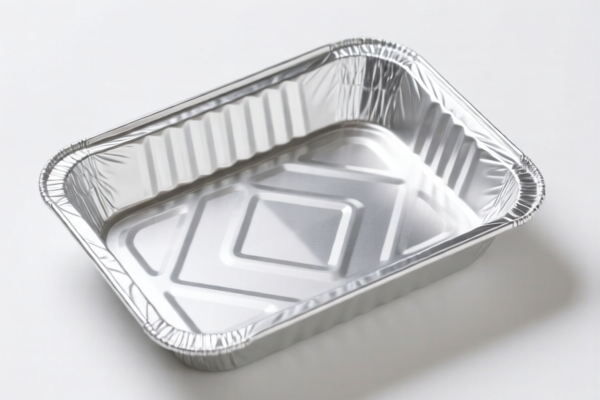
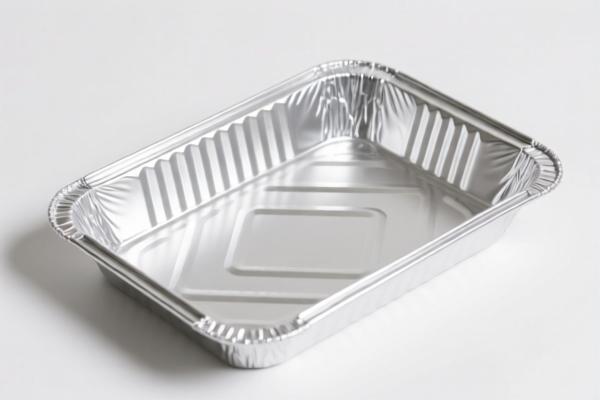
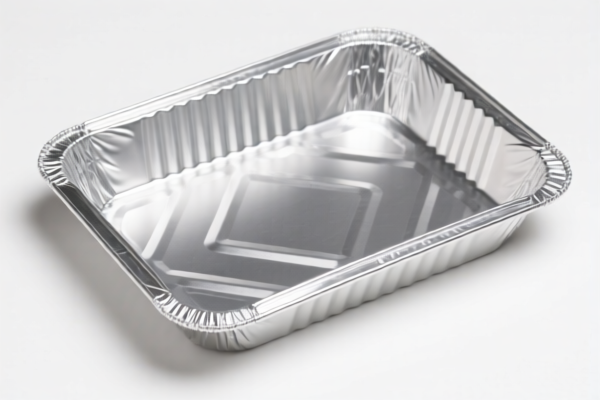
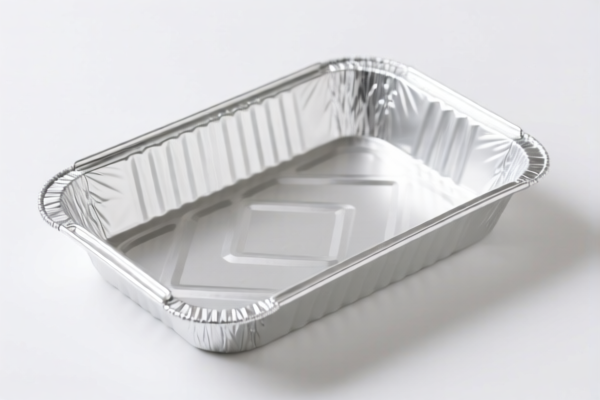
AI Analysis
🍞 Aluminum Foil Baking Tray (Bakeware)
🌐 HS Code Reference & Customs Clearance Guide | 2026 Latest Tariff Analysis | Professional Clearance Strategy
📌 I. Product Definition & Classification: Do You Know Your "Bakeware"?
Aluminum foil baking trays are essential items in the kitchen, used for roasting, baking, and holding food. In international trade, they fall under Chapter 76 (Aluminum and Articles Thereof), specifically within Heading 7615 (Table, kitchen or other household articles... of aluminum).
However, a critical distinction must be made between "Cookware" and "Bakeware" because they carry different HS codes and potentially different clearance scrutiny:
- Cookware (e.g., Pans, Pots): Suitable for stovetop use. These often have handles designed for heat resistance and bases suitable for direct flame or induction.
- Bakeware (e.g., Trays, Sheets, Pans for Ovens): Suitable for oven use only. These are typically flat or shallow dishes made of aluminum or aluminum foil, intended to be placed inside an oven.
⚠️ Key Distinction for Your Product:
- If the item is explicitly described as "Bakeware" (cookware not suitable for stovetop use), it falls under specific subheadings in 7615.10.
- The provided data distinguishes between "Other" Bakeware and "Cast" Bakeware. Most standard aluminum foil or stamped aluminum trays are "Other", not "Cast".
📦 II. HS Code Classification Details (Based on Provided Data)
According to the provided, there are two specific HS codes for Aluminum Bakeware. We must choose the one that matches your product's manufacturing method.
| HS Code | Product Description | Manufacturing Method | Typical Application |
|---|---|---|---|
7615.10.71.30 |
Other Cookware (Bakeware) | Not enameled, glazed, or nonstick; Not cast (e.g., stamped, drawn, or formed from foil/sheet) | Standard disposable aluminum trays, reusable stamped aluminum baking sheets, disposable pie plates. |
7615.10.50.20 |
Cast Bakeware | Cast aluminum (molten aluminum poured into molds) | Heavy-duty reusable aluminum baking pans, cast aluminum roasting trays, artisanal bakeware. |
🔍 Selection Guide:
- If your Aluminum Foil Baking Tray is made from aluminum foil or thin sheets (stamped/forming process), it is "Other" → Use7615.10.71.30.
- If it is a thick, heavy tray made by casting molten aluminum, it is "Cast" → Use7615.10.50.20.
- Most "Aluminum Foil" trays fall under7615.10.71.30because they are not cast.
💰 III. 2026 Latest Tariff Rate Breakdown (Detailed)
✅ Applicable Country: United States (US)
✅ Origin: China (CN) (Note: Tariffs apply if origin is China)
✅ Effective Time: Current as per provided data
🎯 1. For 7615.10.71.30 (Other Bakeware – Most Common for Foil Trays)
| Item | Content |
|---|---|
| Base Tariff (MFN) | 3.1% (Ad Valorem) |
| Section 301 / Added Tariff | 50% (Specific to Steel, Aluminum, Copper products added tariffs) |
| Total Tax Rate | 53.1% |
| Tax Calculation | CIF Value × 53.1% |
| De Minimis Exemption | ❌ Not Eligible (Generally, Section 301 and specific metal tariffs are excluded from de minimis benefits under current enforcement) |
| Legal Basis Path | HTSUS: 7615.10.71.30 → Section 301 Aluminum Tariff: 50% → Base: 3.1% |
📌 Explanation:
- The Base Rate of 3.1% is the standard Most Favored Nation (MFN) rate for aluminum household articles.
- The Additional 50% is a specific surcharge on Aluminum products (likely under Section 301 or specific USITC rulings on steel/aluminum).
- Total: 53.1%. This is a very high tariff, significantly impacting cost.
🎯 2. For 7615.10.50.20 (Cast Bakeware)
| Item | Content |
|---|---|
| Base Tariff (MFN) | 0.0% |
| Section 301 / Added Tariff | 50% (Specific to Steel, Aluminum, Copper products added tariffs) |
| Total Tax Rate | 50.0% |
| Tax Calculation | CIF Value × 50.0% |
| De Minimis Exemption | ❌ Not Eligible |
| Legal Basis Path | HTSUS: 7615.10.50.20 → Section 301 Aluminum Tariff: 50% → Base: 0.0% |
📌 Note:
- Although the base rate is 0%, the 50% surcharge still applies.
- Total: 50.0%. Slightly lower than "Other" bakeware, but still high.
🛠️ IV. Customs Clearance Practical Advice (Avoid Pitfalls)
✅ 1. Preparation Checklist (Required Documents)
| Document | Required | Notes |
|---|---|---|
| ✅ Product Specification Sheet | ✔️ | Must clearly state: Material (100% Aluminum), Use (Bakeware/Oven Only), Manufacturing Process (Stamped vs. Cast). |
| ✅ Product Photos | ✔️ | Clear images of the tray, showing thickness, shape, and any handles. |
| ✅ Commercial Invoice | ✔️ | Must explicitly describe as "Aluminum Bakeware Tray, Not for Stovetop Use". Avoid vague terms like "Aluminum Container". |
| ✅ Packing List | ✔️ | Detail quantity and weight. |
| ✅ Certificate of Origin (CO) | ✔️ | Essential for proving origin. If from a FTA country (e.g., Vietnam), may qualify for duty exemption. |
✅ 2. Declaration Strategy (Key Mnemonic)
🔥 "Foal Tray is Other, Cast is Cast, Say 'Oven Only', Not 'Pot'!"
| Scenario | Correct Declaration | Risk if Incorrect |
|---|---|---|
| Standard Foil/Stamped Tray | 7615.10.71.30 |
Misclassification as Cookware (7615.10.10/30) → Audit risk |
| Cast Aluminum Tray | 7615.10.50.20 |
Overpayment (if 71.30 used) or underpayment (if 50.20 used incorrectly) |
| Non-Stick Coating Present? | ❌ Not Covered in Data | If enameled/glazed/nonstick, these codes may not apply. Check 7615.10.10/30/50.30. |
| Used for Stovetop? | ❌ Wrong Category | If suitable for stovetop, it is Cookware, not Bakeware. Different HS code (likely 7615.10.10.30 or similar). |
✅ 3. Critical Compliance Tips
- Avoid "Cookware" Labeling: Do not describe the product as "Pan" or "Pot" if it is strictly for oven use. Use "Baking Tray", "Bakeware", "Roasting Pan" (if oven-only).
- Clarify "Aluminum Foil": If the product is very thin (disposable), it is still considered "Articles of Aluminum" under 7615. Ensure the material is declared as Aluminum, not just "Foil" which might be confused with 7607 (Aluminum Foil).
- No Non-Stick/Enameled: The provided data specifies "Not enameled or glazed and not containing nonstick interior finishes". If your tray has a non-stick coating, these HS codes are INVALID. You must use codes for enameled/nonstick ware (e.g., 7615.10.10.30), which may have different tariffs. This is a critical trap!
🌍 V. Global Market Comparison (2026 Update)
| Country/Region | Recommended HS Code | Tariff Rate (China Origin) | Notes |
|---|---|---|---|
| 🇺🇸 USA | 7615.10.71.30 |
53.1% | High tariff due to aluminum surcharge. |
| 🇨🇳 China | 7615.10.71.30 |
~10-15% (Import Duty) | Domestic consumption, standard tariff. |
| 🇪🇺 EU | 7615.10.90 |
4.5% | Standard EU tariff for aluminum household articles. No 50% surcharge. |
| 🇬🇧 UK | 7615.10.90 |
4.5% | Post-Brexit tariff schedule. |
| 🇯🇵 Japan | 7615.10.90 |
3.5% | Low tariff. |
📌 Conclusion:
- USA is the most expensive market due to the 50% aluminum surcharge.
- If your customer is in the USA, the 53.1% or 50% tariff must be factored into pricing.
- Consider origin switching (e.g., Vietnam, Mexico) if possible to avoid Section 301 aluminum tariffs (check current FTA eligibility).
📌 VI. Common Mistakes & Pitfalls (Lessons Learned)
❌ Mistake 1: Declaring as "Aluminum Foil" (7607) instead of "Aluminum Article" (7615)
👉 Consequence: HS Code mismatch, customs delay, potential penalty. Foil is raw material; trays are articles.
❌ Mistake 2: Claiming it is "Non-Stick" when it is plain aluminum
👉 Consequence: Misclassification. Non-stick items have different HS codes and may have different tax rates. If declared as non-stick but is plain, it’s fraud. If declared as plain but is non-stick, it’s misclassification.
❌ Mistake 3: Ignoring the "Cast" vs. "Other" distinction
👉 Consequence: Using 7615.10.50.20 (Cast) for a stamped tray. While the tax difference is small (50% vs 53.1%), inaccurate declaration leads to audits.
✅ Correct Action:
"Aluminum Bakeware Tray, Stamped, Uncoated, For Oven Use Only, Model XYZ, Origin: China"
🎯 VII. Conclusion: Professional Declaration for Cost Efficiency
🎯 Key Takeaway:
🔹 Foal Trays = Other Bakeware (
7615.10.71.30) → 53.1% Tariff
🔹 Cast Trays = Cast Bakeware (7615.10.50.20) → 50.0% Tariff
🔹 Non-Stick/Enameled = NOT Covered Here → Use different HS Code
📌 Pro Tip:
If your aluminum foil trays have any coating (non-stick, anodized, enameled), the provided HS codes are incorrect. You must find the code for "Enameled or Nonstick" aluminum ware, which may have a different tax structure. Always verify coating status!
📣 Immediate Action:
📞 Confirm with your manufacturer: "Is the tray coated or plain?"
📞 Confirm: "Is it stamped/forming or cast?"
🚀 Use the correct HS Code to avoid 53.1% surprise tariffs or customs holds.
✨ Accurate Classification Saves Money!
💼 Every Percent of Tariff Counts in Global Trade!
Customer Reviews
About HS Code Classification
The Harmonized System (HS) is an internationally standardized nomenclature developed by the World Customs Organization (WCO) to classify traded products. Over 200 countries use the HS system as the basis for customs tariffs, trade statistics, and import/export regulations.
Each HS code follows a hierarchical structure:
- Chapter (2 digits) — Broad category of goods (e.g., Chapter 84: Machinery and Mechanical Appliances)
- Heading (4 digits) — More specific grouping within the chapter
- Subheading (6 digits) — Internationally standardized breakdown, used by all WCO member countries
- National subdivisions (8-10 digits) — Country-specific extensions for further classification, such as US HTSUS 10-digit codes
Correct HS code classification is essential for smooth customs clearance, accurate duty payment, and compliance with trade regulations. Misclassification can lead to customs delays, overpayment of duties, or penalties.
When importing from CN to US, the applicable tariff rates may include:
- Most-Favored-Nation (MFN) rate — The standard duty rate applied to WTO members
- General rate — Applied to countries without trade agreements
- Trade remedy duties — Additional tariffs such as Section 301 (anti-dumping), Section 232 (national security), or countervailing duties
The information provided on this page is for reference purposes only. For official classification, please consult with your local customs authority or a licensed customs broker.