Aluminum Foil Box
CN → US| HS Code | Tariff Rate | Origin | Destination | Doc |
|---|---|---|---|---|
| 7323997000 | 65.3% | CN | US | Official Doc |
| 7323999030 | 88.4% | CN | US | Official Doc |
| 7612905000 | 35.0% | CN | US | Official Doc |
| 7612901090 | 40.7% | CN | US | Official Doc |
| 7607116090 | 40.3% | CN | US | Official Doc |
Product Images
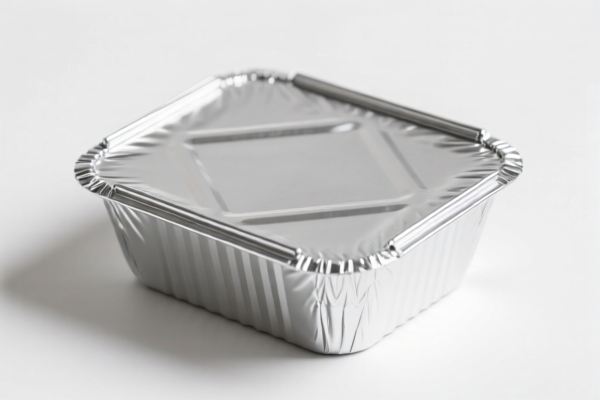
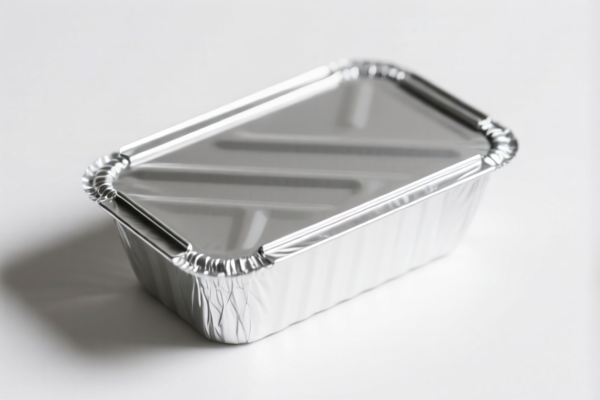
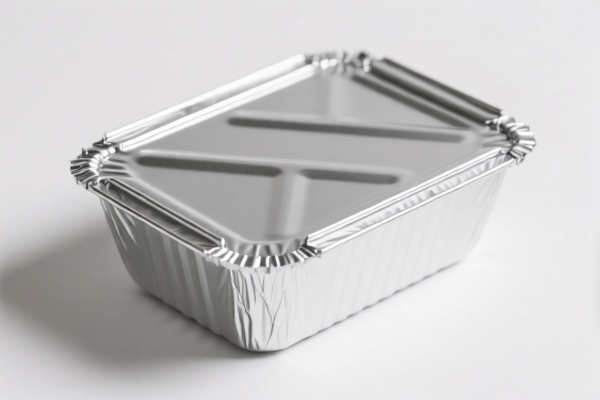
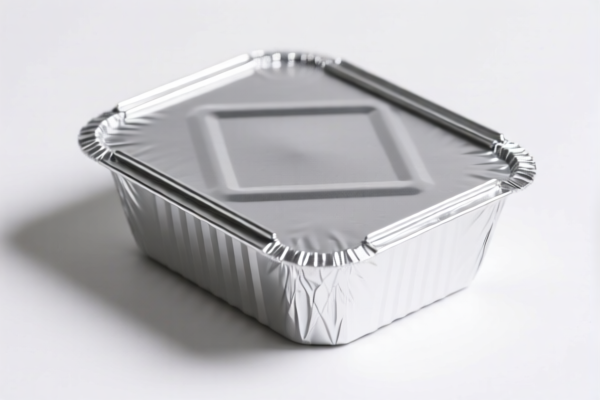
AI Analysis
🥡 Aluminum Foil Box (Disposable Food Containers)
🌐 HS Code Reference & Customs Clearance Guide | 2026 Tariff Analysis | Professional Clearance Strategy
📌 Part I: Product Definition and Classification – Do You Really Know What an "Aluminum Foil Box" Is?
An Aluminum Foil Box is primarily defined by its material (Aluminum) and its form/function (Container/Vessel). In international trade, the classification depends heavily on whether it is viewed as a finished household article or a specific type of aluminum container.
Key Distinction:
7323.99.xxxx: Regarded as a "Table, kitchen, or other household article of iron/steel." Logic: Customs may erroneously classify it here if they overlook the "Aluminum" content or treat it loosely as a general "metal household item."
7612.90.xxxx: Regarded as a "Vessel of aluminum." Logic: This is the most accurate classification because it explicitly captures the material (Aluminum) and the function (Box/Container).
7607.11.xxxx: Regarded as "Foil." Logic: Only applies if the item is strictly "sheet/roll" form, not a formed box. If it’s already a box, this is usually incorrect* unless it’s an unformed roll sold for self-forming.
⚠️ Critical Note:
- If the product is a formed container (even thin-walled), 7612 is generally preferred over 7323 because 7323 explicitly requires Iron/Steel. Using 7323 for Aluminum is a common misclassification that triggers penalties.
- If the box is made of Aluminum, any HS Code starting with 73 (Iron/Steel) is technically incorrect regarding material, though still found in some legacy data.
📦 Part II: HS Code Classification Details (2026 Latest Tariff Data)
Based on the provided data, here are the possible classifications, ranked by logical accuracy and cost impact.
| HS Code | Product Description | Logic/Summary from Data | Total Tax Rate | Key Risk |
|---|---|---|---|---|
7612.90.50.00 |
Aluminum Containers (General) | "Explicitly contains material 'Aluminum' and container form 'Box', fits aluminum vessel definition." | 35.0% | ✅ Most Accurate Material Match |
7612.90.10.90 |
Small Aluminum Containers (<20L) | "Material is Aluminum, form is Box, fits other aluminum vessels ≤20 liters." | 40.7% | ⚠️ Higher base duty (5.7%) |
7607.11.90.90 |
Aluminum Foil (Unbacked/Unprocessed) | "Material is Aluminum, form is Sheet. Fits unbacked, unprocessed aluminum foil category." | 13.0% | ❌ High Risk: Only for rolls/sheets, not formed boxes. Misclassification here is common but risky. |
7607.11.60.90 |
Aluminum Foil (Specific Type) | "Material is Aluminum, form is Sheet. Fits basic aluminum foil characteristics." | 40.3% | ⚠️ Same as above: Wrong form factor for a box. |
7323.99.70.00 |
Kitchen/Household Articles (Steel) | "Metal kitchen/household item. Logic matches non-precious metal utensils." | 65.3% | ❌ Wrong Material: This is for Iron/Steel. Aluminum boxes misclassified here face high penalties. |
7323.99.90.30 |
Table/Kitchen Articles (Steel) | "Aluminum box classified as Iron/Steel metal tableware. Material inferred as Aluminum but code requires Steel." | 88.4% | ❌ Highest Risk: Combines wrong material (Steel code for Aluminum) with high additional tariffs. |
🔍 Priority Recommendation:
- Best Fit:7612.90.50.00(35.0% Total Tax) – Directly addresses Aluminum + Container.
- Avoid:7323...codes – These are for Iron/Steel. Using them for Aluminum products is a material misdeclaration.
- Caution:7607...codes – These are for Foil Sheets. A formed box is not foil; it is a container.
💰 Part III: 2026 Tariff Rate Breakdown (Including Surtaxes & Policy Add-ons)
✅ Applicable Country: United States (US)
✅ Origin: China (CN)
✅ Effective Time: 2025/2026 Tariff Structure
🎯 1. 7612.90.50.00 – Aluminum Containers (Recommended)
| Item | Content |
|---|---|
| Base Duty Rate | 0.0% (Ad valorem) |
| Section 301 / Additional Duty | +25.0% (Section 301 Surtax) |
| Section 122 Duty | +10% (122 Provision Duty) |
| Total Tax Rate | 35.0% |
| Tax Calculation | CIF Value × 35% |
| De Minimis Exemption | ❌ Not Available (Denied under current enforcement for Section 301 goods) |
| Legal Basis Path | Section 301: 7612.90.50.00 → Section 122: 10% |
📌 Explanation:
- Base Rate (0%): Aluminum containers have low base duties under US HTSUS.
- Section 301 (25%): Standard surtax on Chinese aluminum products.
- Section 122 (10%): Additional duty specifically targeting aluminum/copper products under Section 232/122 authorities.
- Total: 35%. This is the most reasonable and defensible classification for an aluminum box.
🎯 2. 7612.90.10.90 – Small Aluminum Containers (<20L)
| Item | Content |
|---|---|
| Base Duty Rate | 5.7% |
| Additional Duty | +25.0% |
| Section 122 Duty | +10% |
| Total Tax Rate | 40.7% |
| Tax Calculation | CIF Value × 40.7% |
| De Minimis Exemption | ❌ Not Available |
📌 Explanation:
- Higher base duty (5.7%) makes this 5.7% more expensive than7612.90.50.00.
- Only use if the product is explicitly defined as a small vessel (<20L) in customs documentation and7612.90.50.00is deemed inapplicable by CBP.
🎯 3. 7607.11.90.90 – Aluminum Foil (Misclassification Risk)
| Item | Content |
|---|---|
| Base Duty Rate | 3.0% |
| Additional Duty | 0.0% |
| Section 122 Duty | +10% |
| Total Tax Rate | 13.0% |
| Tax Calculation | CIF Value × 13.0% |
| De Minimis Exemption | ❌ Not Available |
📌 Warning:
- While the tax is lower (13%), this code is for unprocessed foil sheets.
- Declaring a formed box as "foil" is a material misdescription. If caught, the importer faces fraud penalties, back-taxes, and potential seizure.
- Do not use unless the item is literally a roll of foil, not a box.
🎯 4. 7323.99.xxxx – Iron/Steel Articles (Incorrect Material)
| Item | Content |
|---|---|
| Base Duty Rate | 3.4% ~ 5.3% |
| Additional Duty | 0% ~ 25.0% |
| Section 122/232 Duty | +10% ~ +50% (Steel/Aluminum Surtax) |
| Total Tax Rate | 65.3% ~ 88.4% |
| De Minimis Exemption | ❌ Not Available |
📌 Explanation:
- These codes are for Iron/Steel.
- Applying them to Aluminum boxes is a major compliance error.
-7323.99.90.30(88.4%) is extremely high due to combined 301, 122, and 232 duties on steel/aluminum.
- Avoid entirely for aluminum products.
🛠️ Part IV: Customs Clearance Practical Advice (Real-World Pitfall Avoidance)
✅ 1. Essential Documentation Checklist (Non-Negotiable)
| Document | Required? | Description |
|---|---|---|
| ✅ Product Specification Sheet | ✔️ | Must clearly state: "Material: 100% Aluminum", "Form: Formed Box/Container", "Capacity", "Wall Thickness". |
| ✅ Commercial Invoice | ✔️ | Description: "Aluminum Food Container, Disposable, Formed". Do NOT use vague terms like "Metal Box" or "Foil Pack". |
| ✅ Product Photos | ✔️ | Clear images showing the box shape, rim, and material texture. Must distinguish from flat foil rolls. |
| ✅ Certificate of Origin (CO) | ✔️ | If claiming any preferential treatment (unlikely for US-China, but required for proof of origin). |
| ✅ Material Declaration | ✔️ | Explicitly declare "Aluminum" to avoid classification under 7323 (Iron/Steel). |
✅ 2. Declaration Strategy (Key Mantra)
🔥 "Material First, Form Second. Aluminum = 76xx, Not 73xx!"
| Scenario | Correct Declaration | Wrong Declaration | Consequence |
|---|---|---|---|
| Aluminum Box | 7612.90.50.00 (Aluminum Container) |
7323.99.90.30 (Steel Tableware) |
88.4% Tax + Penalties for wrong material |
| Aluminum Foil Roll | 7607.11.90.90 (Foil) |
7612.90.50.00 (Container) |
13% vs 35%: Correct classification saves money |
| Mixed Package (Box + Foil) | Split by HS Code | Bundle as "Kitchen Supplies" | Audit Risk: Customs will split and tax each part |
✅ 3. Special Handling for US Imports
| Issue | Handling Advice |
|---|---|
| Section 122 Duty (10%) | Applies to Aluminum products. Ensure your supplier confirms the material is Aluminum to justify the 10% surtax under the correct code (7612), rather than facing 50% under steel codes. |
| Section 301 Duty (25%) | Standard for Chinese aluminum. Budget for 35% total (7612.90.50.00). |
| De Minimis (Section 321) | Excluded. Aluminum products from China are not eligible for $800 de minimis exemption due to Section 301/122 restrictions. |
| Misclassification Risk | If declared as "Steel" (7323), you risk fraud allegations. Aluminum boxes must be declared under Chapter 76. |
🌍 Part V: Global Market Comparison (2026 Latest)
| Country/Region | Recommended HS Code | Total Tax Rate (China Origin) | Notes |
|---|---|---|---|
| 🇺🇸 USA | 7612.90.50.00 |
35.0% | Includes 25% Sec 301 + 10% Sec 122. Avoid 73xx codes. |
| 🇨🇳 China | 7612.90.50.00 |
0% (Import Duty) | No surtaxes for domestic import/export of aluminum containers. |
| 🇪🇺 EU | 7612.90.90 |
4.5% | Low base duty. No additional US-style surtaxes. |
| 🇬🇧 UK | 7612.90.90 |
4.5% | Post-Brexit tariff structure similar to EU for this item. |
| 🇯🇵 Japan | 7612.90.90 |
4.5% | Low duty. FTA benefits may apply if origin is Japan, not China. |
📌 Conclusion:
- The USA is the most challenging market due to Section 301 and 122 surtaxes.
- Accurate material declaration (Aluminum) is critical. Misclassifying as Steel (7323) increases tax from 35% to 88%+ and triggers legal risks.
- EU/UK/Japan offer significantly lower duty burdens (~4.5%).
📌 Part VI: Common Mistakes & Pitfall Guide (Lessons Learned)
❌ Mistake 1: Declaring Aluminum Boxes as "Iron/Steel Tableware" (7323)
👉 Result: Tax jumps from 35% to 88.4%. Customs will flag the material mismatch.
👉 Fix: Always declare Material: Aluminum.
❌ Mistake 2: Declaring Formed Boxes as "Aluminum Foil" (7607)
👉 Result: 13% Tax seems good, but if inspected, customs will reclassify as Container (7612) and charge 35% + penalties for misdescription.
👉 Fix: Only use 7607 for rolls/sheets, not formed containers.
❌ Mistake 3: Ignoring Section 122 Duty
👉 Result: Underpaying taxes by 10% on aluminum products.
👉 Fix: Ensure HTSUS code includes Section 122 eligibility.
✅ Best Practice:
"Aluminum Disposable Food Container, Formed, 100% Aluminum, for Food Storage, Model XYZ"
🎯 Part VII: Conclusion – Professional Declaration Saves Money!
🎯 Key Takeaway Mantra:
🔹 "Aluminum is 76xx, Steel is 73xx. Don’t mix them!"
🔹 "Box is Container (7612), Roll is Foil (7607). Form matters!"
🔹 "US Tax is 35% for Aluminum Containers. Budget accordingly!"
📌 Pro Tip:
If you are importing into the US, apply for an Advance Ruling from CBP if your product’s form is borderline (e.g., semi-formed foil). This provides legal certainty and avoids post-clearance audits.
📣 Immediate Action:
📞 Consult a Customs Broker + Provide Photos & Material Specs + Apply for HS Code Advance Ruling
🚀 Ensure Smooth Clearance, Accurate Tariffs, and Zero Penalties!
✨ Professional Customs Clearance Starts with Accurate Classification!
💼 Every Percent Saved is Profit Gained!
Customer Reviews
About HS Code Classification
The Harmonized System (HS) is an internationally standardized nomenclature developed by the World Customs Organization (WCO) to classify traded products. Over 200 countries use the HS system as the basis for customs tariffs, trade statistics, and import/export regulations.
Each HS code follows a hierarchical structure:
- Chapter (2 digits) — Broad category of goods (e.g., Chapter 84: Machinery and Mechanical Appliances)
- Heading (4 digits) — More specific grouping within the chapter
- Subheading (6 digits) — Internationally standardized breakdown, used by all WCO member countries
- National subdivisions (8-10 digits) — Country-specific extensions for further classification, such as US HTSUS 10-digit codes
Correct HS code classification is essential for smooth customs clearance, accurate duty payment, and compliance with trade regulations. Misclassification can lead to customs delays, overpayment of duties, or penalties.
When importing from CN to US, the applicable tariff rates may include:
- Most-Favored-Nation (MFN) rate — The standard duty rate applied to WTO members
- General rate — Applied to countries without trade agreements
- Trade remedy duties — Additional tariffs such as Section 301 (anti-dumping), Section 232 (national security), or countervailing duties
The information provided on this page is for reference purposes only. For official classification, please consult with your local customs authority or a licensed customs broker.