Aluminum Foil Film
CN → US| HS Code | Tariff Rate | Origin | Destination | Doc |
|---|---|---|---|---|
| 7607116090 | 40.3% | CN | US | Official Doc |
| 7601106090 | 10.0% | CN | US | Official Doc |
| 7601106040 | 10.0% | CN | US | Official Doc |
| 7607119090 | 13.0% | CN | US | Official Doc |
| 7608100030 | 40.7% | CN | US | Official Doc |
Product Images
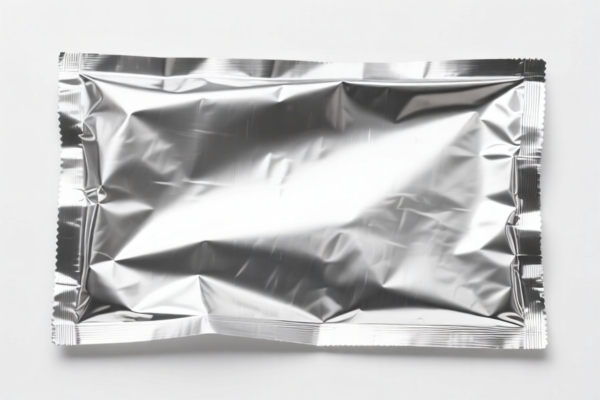
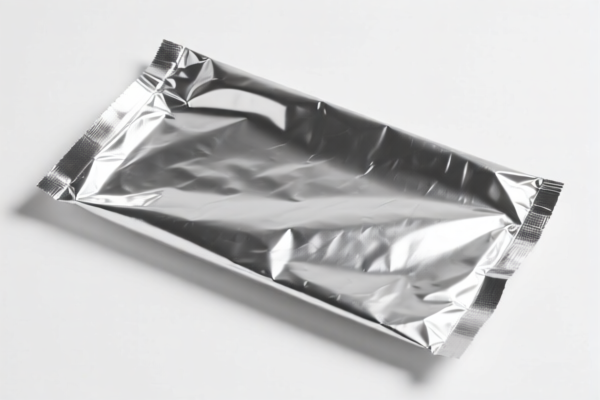
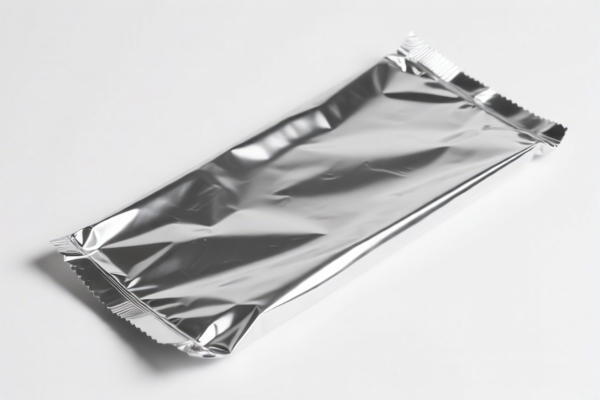
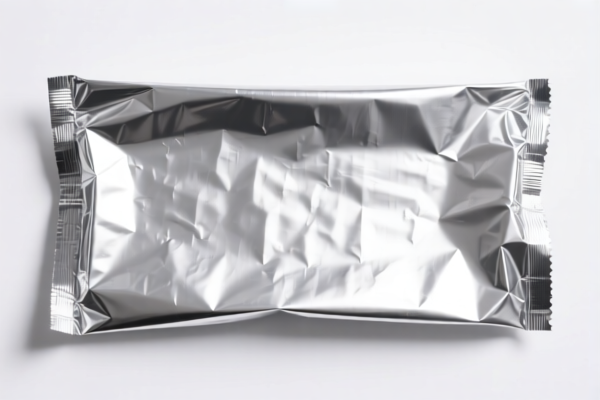
AI Analysis
🛍️ Aluminum Foil Film (Aluminum Foil & Rolls)
🌐 HS Code Reference & Customs Clearance Guide | 2026 Latest Tariff Analysis | Professional Clearance Strategy 📌 Part 1: Product Definition & Classification: Do You Really Understand "Aluminum Foil"?
Aluminum foil products are categorized in international trade based on their physical state (processed vs. semi-finished) and form (film/roll vs. sheet vs. tube). The distinction is critical because the tax liability varies significantly depending on whether the product is considered a "finished foil film" or a "semi-finished rolled aluminum."
Aluminum Foil Film (铝膜/铝箔): * Characteristics: Thin aluminum material, typically in roll form, often used for packaging, insulation, or lamination. * HS Code Category: Usually falls under 7607 (Aluminum foil). * Tax Risk: EXTREMELY HIGH due to Section 301 and Section 232 tariffs.
Aluminum Foil Sheet/Raw Roll (铝箔片/未锻轧铝): * Characteristics: Semi-finished aluminum in sheet or thick roll form, classified as primary/semi-finished metal. * HS Code Category: Usually falls under 7601 (Unwrought aluminum). * Tax Benefit: LOWER tariffs compared to foil film.
⚠️ Key Distinction Point: - If the product is "Aluminum Foil" (thin, flexible, roll form for packaging) → It is classified as 7607. - If the product is "Aluminum Sheet/Roll" (semi-finished, thicker, industrial raw material) → It may be classified as 7601. - Misclassification Warning: Declaring a finished foil film (7607) as a semi-finished sheet (7601) to avoid tariffs is considered fraud and carries severe penalties.
📦 Part 2: HS Code Classification Details (2026 Latest Tariff Authority)
| HS Code | Product Description | Application Scenario | Physical State |
|---|---|---|---|
7607.11.60.90 |
Aluminum Foil Film (Thin) | Packaging film, lamination base, flexible packaging | ✅ Foil/Film |
7601.10.60.90 |
Aluminum Foil Sheet (Semi-finished) | Industrial raw material, unrolled aluminum sheets | ✅ Semi-finished/Raw |
7601.10.60.40 |
Aluminum Foil Sheet (Primary Form) | Primary semi-finished aluminum products | ✅ Semi-finished/Raw |
7607.11.90.90 |
Aluminum Foil Sheet (Unbacked) | Non-backed, unprocessed aluminum foil sheets | ✅ Foil/Film |
7608.10.00.30 |
Aluminum Tube (Non-alloy) | Aluminum pipes/tubes for industrial use | ❌ Not Foil (Tube) |
🔍 Key Reminder: -
7607codes apply to Aluminum Foil (thin, flexible). These incur higher tariffs (up to 40.7%). -7601codes apply to Unwrought Aluminum (semi-finished sheets/rolls). These incur lower tariffs (10.0%). -7608codes apply to Aluminum Tubes, which are structurally different from foil/film.
💰 Part 3: 2026 Latest Tariff Rate Breakdown (Including Surcharges)
✅ Applicable Country: United States (US) ✅ Country of Origin: China (CN) ✅ Effective Time: 2025 onwards (including subsequent imports)
🎯 1. 7607.11.60.90 — Aluminum Foil Film
| Item | Content |
|---|---|
| Base Tariff | 5.3% (ad valorem) |
| Section 301 Surcharge | +25.0% (From USITC Footnote 9903.88.01) |
| Section 232 Tariff | +10.0% (122 Clause Tariff, based on National Security) |
| Total Tariff | 40.3% |
| Tax Calculation | CIF Value × 40.3% |
| De Minimis Exemption? | ❌ NO (Not eligible) |
| Legal Path | Section 232 → Section 301 → HS 7607.11.60.90 |
📌 Explanation: - Base 5.3%: Standard MFN rate for aluminum foil. - Section 301 (25%): Trade war tariff applied to Chinese aluminum products. - Section 232 (10%): National security tariff applied to aluminum imports. - Total 40.3%: This is a very high cost burden. Importers must calculate margin carefully.
🎯 2. 7601.10.60.90 & 7601.10.60.40 — Aluminum Foil Sheet (Semi-finished)
| Item | Content |
|---|---|
| Base Tariff | 0.0% (ad valorem) |
| Section 301 Surcharge | 0.0% (Exempt or not applicable in this specific subheading context for base rate) |
| Section 232 Tariff | +10.0% (122 Clause Tariff) |
| Total Tariff | 10.0% |
| Tax Calculation | CIF Value × 10.0% |
| De Minimis Exemption? | ❌ NO (Not eligible) |
| Legal Path | Section 232 → HS 7601.10.60.90 |
📌 Explanation: - Base 0.0%: Unwrought aluminum often has lower base rates. - Section 232 (10%): National security tariff still applies to raw aluminum. - Total 10.0%: Significantly lower than foil film (40.3%). - Strategic Note: If the product qualifies as "semi-finished unwrought aluminum" rather than "processed foil film," the tax savings are massive. However, strict physical criteria must be met.
🎯 3. 7607.11.90.90 — Aluminum Foil Sheet (Unbacked)
| Item | Content |
|---|---|
| Base Tariff | 3.0% (ad valorem) |
| Section 301 Surcharge | 0.0% |
| Section 232 Tariff | +10.0% (122 Clause Tariff) |
| Total Tariff | 13.0% |
| Tax Calculation | CIF Value × 13.0% |
| De Minimis Exemption? | ❌ NO (Not eligible) |
| Legal Path | Section 232 → HS 7607.11.90.90 |
📌 Explanation: - This code is for unbacked aluminum foil. - Total 13.0%: Lower than
7607.11.60.90(40.3%) but still higher than7601codes. - Difference: The 25% Section 301 tariff may not apply to this specific subheading or may be structured differently, resulting in a lower total.
🎯 4. 7608.10.00.30 — Aluminum Tube (Non-alloy)
| Item | Content |
|---|---|
| Base Tariff | 5.7% (ad valorem) |
| Section 301 Surcharge | +25.0% |
| Section 232 Tariff | +10.0% (122 Clause Tariff) |
| Total Tariff | 40.7% |
| Tax Calculation | CIF Value × 40.7% |
| De Minimis Exemption? | ❌ NO (Not eligible) |
| Legal Path | Section 301 → Section 232 → HS 7608.10.00.30 |
📌 Explanation: - This is for Aluminum Tubes, not foil. - Total 40.7%: Highest tariff rate in the list. - Key Point: Do not misdeclare tubes as foil to avoid this rate. The physical form is distinct.
🛠️ Part 4: Customs Clearance Practical Advice (Pitfall Avoidance Guide)
✅ 1. Documentation Checklist (Essential)
| Document | Required? | Description |
|---|---|---|
| ✅ Product Specification | ✔️ | Thickness, width, alloy composition, temper (H19, O, etc.) |
| ✅ Product Photos | ✔️ | Clear images showing roll form, thickness, and any backing |
| ✅ Certificate of Origin (CO) | ✔️ | To prove origin (China) and apply for any potential exemptions |
| ✅ Commercial Invoice | ✔️ | Clearly describe as "Aluminum Foil" or "Unwrought Aluminum" based on classification |
| ✅ Packing List | ✔️ | Weight, dimensions, number of rolls/sheets |
| ✅ Third-Party Inspection Report | ✔️ | Verify thickness and alloy if requested by customs |
✅ 2. Declaration Tips (Key Mantra)
🔥 "Form Defines Code, Code Defines Tax!"
| Scenario | Correct Declaration | Wrong Practice |
|---|---|---|
| Thin, flexible packaging foil | 7607.11.60.90 (40.3%) |
Misdeclare as 7601 → Risk of seizure |
| Thick, semi-finished aluminum roll | 7601.10.60.90 (10.0%) |
Misdeclare as 7607 → Overpaying taxes |
| Aluminum Tubes/Pipes | 7608.10.00.30 (40.7%) |
Misdeclare as 7607 → Incorrect classification |
| Unbacked foil sheet | 7607.11.90.90 (13.0%) |
Misdeclare as 7601 → Risk of penalty |
📌 Note: -
7601is for Unwrought Aluminum (semi-finished). -7607is for Aluminum Foil (thin, processed). -7608is for Aluminum Tubes.
✅ 3. Special Circumstances Handling
| Scenario | Handling Advice |
|---|---|
| OEM Custom Foil | Provide design specs to confirm if it's "processed foil" (7607) or "raw material" (7601). |
| Foil with Backing | If backed with paper/plastic, it may be classified differently (e.g., 4823 or 3921). Check with customs. |
| Aluminum Alloy Composition | Different alloys may have different base rates. Ensure accurate alloy listing. |
| Small Samples | If value is below de minimis threshold (e.g., $800), it may be exempt, but Section 232/301 often overrides this. Check latest rules. |
🌍 Part 5: Global Market Comparison (2026 Latest)
| Country/Region | Recommended HS Code | Tariff | Certification | Notes |
|---|---|---|---|---|
| 🇺🇸 USA | 7607.11.60.90 |
40.3% (China) | None specific | High tariffs due to Section 301 & 232 |
| 🇺🇸 USA | 7601.10.60.90 |
10.0% (China) | None specific | Lower tariff if classified as unwrought |
| 🇨🇳 China | 7607.11.60.90 |
5.3% | None | Base rate only |
| 🇪🇺 EU | 7607.11.90.90 |
~4.5% | REACH | No Section 301/232 equivalents |
| 🇦🇺 Australia | 7607.11.60.90 |
5.0% | None | Lower tariffs |
| 🇯🇵 Japan | 7607.11.90.90 |
3.2% | None | No additional surcharges |
📌 Conclusion: - USA is the most expensive market for aluminum foil due to layered tariffs. - Classification as
7601(Unwrought) can save 30%+ in tariffs compared to7607(Foil). - Strategic Advice: If your product qualifies as "semi-finished unwrought aluminum," use7601. If it's finished foil, expect 40.3%.
📌 Part 6: Common Mistakes & Pitfall Guide (Lessons Learned)
❌ Mistake 1: Declaring finished foil (7607) as unwrought aluminum (7601) to save taxes.
👉 Consequence: Customs inspection reveals thin, flexible form → Seizure, fines, and back taxes!
❌ Mistake 2: Not including "Section 232" in tariff calculation. 👉 Consequence: Underpaying by 10% → Penalties and interest charges.
❌ Mistake 3: Confusing "Aluminum Foil" (7607) with "Aluminum Tubes" (7608).
👉 Consequence: Incorrect classification → Delays and reclassification fees.
❌ Mistake 4: Assuming "De Minimis" ($800) applies to all shipments. 👉 Consequence: Section 232/301 tariffs often override de minimis exemptions for Chinese goods → Unexpected taxes at border.
✅ Correct Practice:
"Aluminum Foil, 0.015mm thickness, Roll Form, Alloy 8011, for Packaging Use, Origin China"
🎯 Part 7: Conclusion: Professional Declaration Saves Money!
🎯 Remember the Mantra:
🔹 "Thin & Flexible = 7607 (40.3%); Thick & Semi-finished = 7601 (10.0%); Tubes = 7608 (40.7%)." 🔹 "Classify correctly, save 30%, avoid customs traps!"
📌 Tips:
- If your aluminum product can be classified as
7601(unwrought/semi-finished), do so to save 30%+ in tariffs.- If it is definitely foil (
7607), budget for 40.3% tariff.- Always provide detailed physical specs (thickness, form, alloy) to support your classification.
📣 Action Required:
📞 Consult with a customs broker to verify if your product qualifies for
7601classification. 🚀 Accurate classification = Lower costs + Faster clearance!
✨ Professional clearance starts with precise classification! 💼 Your cost is worth calculating precisely!
Customer Reviews
About HS Code Classification
The Harmonized System (HS) is an internationally standardized nomenclature developed by the World Customs Organization (WCO) to classify traded products. Over 200 countries use the HS system as the basis for customs tariffs, trade statistics, and import/export regulations.
Each HS code follows a hierarchical structure:
- Chapter (2 digits) — Broad category of goods (e.g., Chapter 84: Machinery and Mechanical Appliances)
- Heading (4 digits) — More specific grouping within the chapter
- Subheading (6 digits) — Internationally standardized breakdown, used by all WCO member countries
- National subdivisions (8-10 digits) — Country-specific extensions for further classification, such as US HTSUS 10-digit codes
Correct HS code classification is essential for smooth customs clearance, accurate duty payment, and compliance with trade regulations. Misclassification can lead to customs delays, overpayment of duties, or penalties.
When importing from CN to US, the applicable tariff rates may include:
- Most-Favored-Nation (MFN) rate — The standard duty rate applied to WTO members
- General rate — Applied to countries without trade agreements
- Trade remedy duties — Additional tariffs such as Section 301 (anti-dumping), Section 232 (national security), or countervailing duties
The information provided on this page is for reference purposes only. For official classification, please consult with your local customs authority or a licensed customs broker.