Aluminum Ingots
CN → US| HS Code | Tariff Rate | Origin | Destination | Doc |
|---|---|---|---|---|
| 7601209075 | 10.0% | CN | US | Official Doc |
| 7601209080 | 10.0% | CN | US | Official Doc |
Product Images
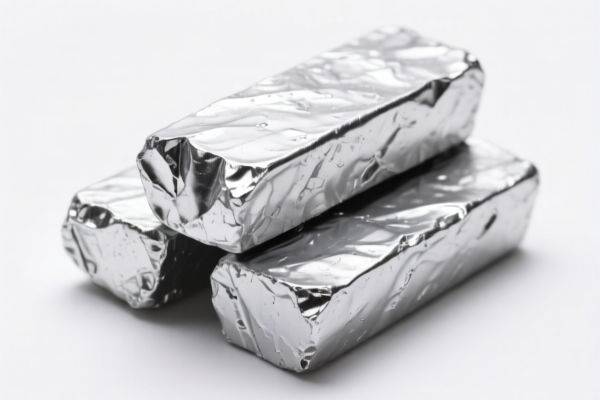
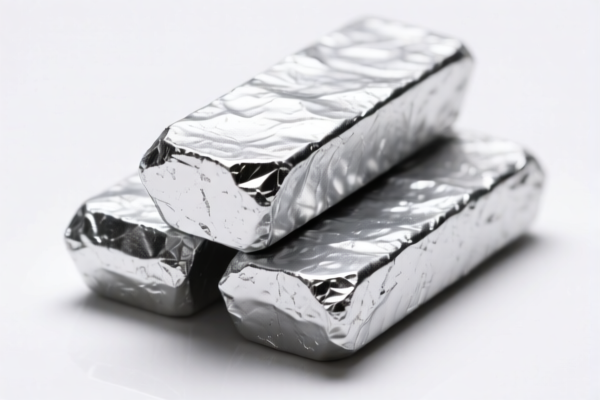
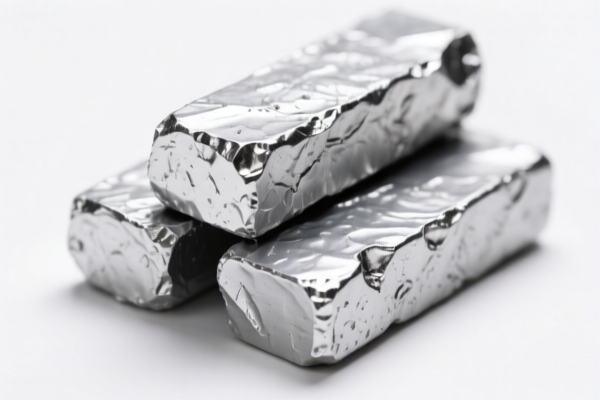
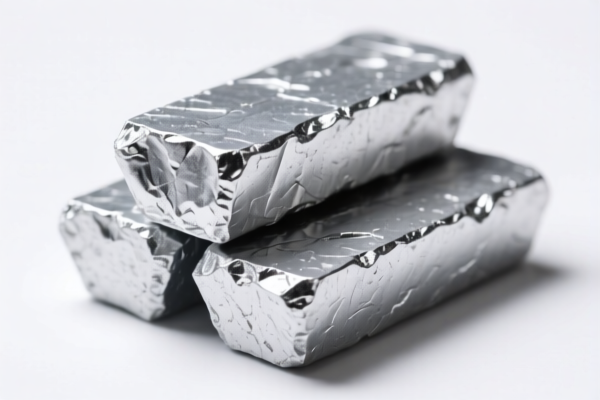
AI Analysis
🏭 Aluminum Ingots (Unwrought Aluminum)
🌐 HS Code Reference & Customs Clearance Guide | 2026 Latest Tariff Analysis | Professional Entry Strategy
📌 1. Product Definition and Classification: Do You Really Know "Aluminum Ingots"?
Aluminum ingots are the primary semi-finished products of the aluminum industry, serving as the raw material for downstream processing (such as extrusion, rolling, and casting). In international trade, unwrought aluminum is generally classified under Chapter 76, specifically heading 7601.
For "Aluminum Ingots," the critical distinction in customs classification lies in their form and intended use: * Remelt Scrap Ingot: Ingots made from recycled aluminum scrap, intended primarily for melting down again. * Sheet Ingot (Slab): Large rectangular ingots specifically shaped and designed for the production of aluminum sheets, plates, or slabs via rolling processes.
⚠️ Key Distinction Point:
- If the product is scrap-based and intended for remelting → Classified as Remelt Scrap Ingot.
- If the product is primary/recast aluminum shaped like a slab for rolling into sheets → Classified as Sheet Ingot (Slab).
- General "Ingot" without specific shape/use description may fall into other subheadings (not listed in the provided data), so precise description is vital.
📦 2. HS Code Classification Details (2026 Latest Tariff Authority Comparison)
Based on the provided <DATA>, here are the specific HS Codes and their definitions:
| HS Code | Product Description | Application Scenario | Key Characteristics |
|---|---|---|---|
7601.20.90.75 |
Remelt scrap ingot | Recycling industry, secondary aluminum production | Made from scrap; intended for remelting; part of "Other" aluminum alloys category. |
7601.20.90.80 |
Sheet ingot (slab) of a kind described in statistical note 3 to this chapter | Sheet metal manufacturing, rolling mills | Rectangular shape; designed for rolling into sheets/plates; specific statistical definition. |
🔍 Important Note:
- Both codes fall under 7601.20 (Aluminum alloys) and 90 (Other).
- The classification depends strictly on the physical form and statistical note 3 reference.
- Do not confuse "Sheet Ingot" with "Round Ingots" or "T-ingots" unless they meet the specific statistical definition for slabs.
💰 3. 2026 Latest Tariff Rate Details (Including Additional Taxes, Policy Surcharges)
✅ Applicable Country: United States (US)
✅ Origin: China (CN) (Assumed based on context of common trade patterns; if origin differs, rates may change)
✅ Effective Time: Current 2026 Tariff Schedule
🎯 1. 7601.20.90.75 —— Remelt Scrap Ingot
| Item | Content |
|---|---|
| Base Tariff Rate | 0.0% |
| Additional Tariff (Section 301/Other) | 0.0% |
| Total Tax Rate | 0.0% |
| Tax Calculation | CIF Value × 0.0% = $0 |
| De Minimis Applicability | N/A (High value goods) |
| Legal Basis Path | 7601.20.90.75 → Base: 0.0% + Additional: 0.0% |
📌 Explanation:
- This specific type of remelt scrap ingot currently enjoys a zero tariff rate in the US market.
- No additional Section 301 tariffs or IEEPA surcharges are applied to this specific HS Code based on the provided data.
- Cost Advantage: Importers can benefit from zero duty costs, making this a highly cost-effective classification if the product qualifies.
🎯 2. 7601.20.90.80 —— Sheet Ingot (Slab)
| Item | Content |
|---|---|
| Base Tariff Rate | 0.0% |
| Additional Tariff (Section 301/Other) | 0.0% |
| Total Tax Rate | 0.0% |
| Tax Calculation | CIF Value × 0.0% = $0 |
| De Minimis Applicability | N/A (High value goods) |
| Legal Basis Path | 7601.20.90.80 → Base: 0.0% + Additional: 0.0% |
📌 Explanation:
- Similar to remelt scrap, sheet ingots (slabs) also have a zero total tax rate.
- This encourages the import of raw materials for downstream manufacturing (sheet metal production).
- Compliance Note: Ensure the product strictly meets the definition in Statistical Note 3 to Chapter 76. Misclassification could lead to duty evasion penalties.
🛠️ 4. Customs Clearance Practical Suggestions (Combat Pitfall Guide)
✅ 1. Required Documentation Checklist (All Must Be Provided)
| Document | Must Provide | Description |
|---|---|---|
| ✅ Product Specification Sheet | ✔️ | Details alloy composition (e.g., 1xxx, 3xxx, 6xxx series), weight, dimensions, and form (slab vs. scrap). |
| ✅ Commercial Invoice | ✔️ | Clearly state "Remelt Scrap Ingot" or "Sheet Ingot (Slab)" – avoid vague terms like "Aluminum Block". |
| ✅ Packing List | ✔️ | Detail number of bundles, weight per bundle, and total gross/net weight. |
| ✅ Certificate of Origin | ✔️ | Essential for proving origin (if preferential treatment applies in other contexts, though not applicable here due to 0% rate). |
| ✅ Photo of Goods | ✔️ | Show the shape (slab vs. irregular scrap) and any markings/labels on the ingot. |
| ✅ Declaration of Alloy Composition | ✔️ | US Customs may require detailed chemical composition to verify "Aluminum Alloy" status. |
✅ 2. Declaration Tips (Key Mantras)
🔥 “Shape Defines Code, Composition Matters, Description Must Be Precise!”
| Situation | Correct Declaration Method | Incorrect Practice |
|---|---|---|
| Recycled Aluminum Ingots | 7601.20.90.75 – "Remelt Scrap Ingot" |
Using "Aluminum Ingot" – leads to audit or misclassification. |
| Rolling Mill Slabs | 7601.20.90.80 – "Sheet Ingot (Slab)" |
Calling it "Aluminum Block" – may be rejected by Statistical Note 3 criteria. |
| Mixed Alloys | Specify alloy series (e.g., 6061) | Vague "Aluminum Alloy" – delays clearance. |
📌 Critical Reminder:
- Statistical Note 3 is crucial for7601.20.90.80. Ensure your "sheet ingot" matches the dimensional or weight criteria defined in this note.
- Scrap vs. Primary: If the ingot is made from virgin aluminum but shaped like a slab, it still qualifies as7601.20.90.80if it meets the slab definition. If it’s clearly recycled scrap, use7601.20.90.75.
✅ 3. Special Case Handling
| Situation | Handling Advice |
|---|---|
| Alloy Composition Dispute | Provide a third-party lab test report (Chemical Analysis) to confirm if it’s "Other" aluminum alloy (not pure aluminum). |
| Mixed Shipments | Separate "Remelt Scrap" and "Sheet Ingots" in the declaration. Do not mix them in one line item. |
| Wooden Pallets/Containers | Ensure ISPM 15 compliance for wood packaging to avoid phytosanitary delays. |
| Origin Labeling | Clearly mark the ingot with "Made in [Country]" if required by the supplier contract, though customs may rely on CO. |
🌍 5. Global Market Comparison (2026 Latest)
| Country/Region | Recommended HS Code | Tariff Rate | Notes |
|---|---|---|---|
| 🇺🇸 USA | 7601.20.90.75 / 7601.20.90.80 |
0.0% | Zero duty for these specific subheadings. |
| 🇨🇳 China | 7601.20 |
Varies | Export duties may apply depending on policy. |
| 🇪🇺 EU | 7601.20 |
4.0% (Standard) | EU imposes higher base tariffs on aluminum alloys. |
| 🇮🇳 India | 7601.20 |
10-15% | High duties to protect domestic aluminum industry. |
| 🇬🇧 UK | 7601.20 |
4.0% | Post-Brexit tariff schedule similar to EU. |
📌 Conclusion:
- The USA offers a significant 0% tariff advantage for these specific aluminum ingot types compared to other major markets.
- Ensure strict adherence to HS Code definitions to maintain this zero-tariff benefit. Any misclassification could result in unexpected duties.
📌 6. Common Mistakes & Pitfall Guide (Lessons Learned)
❌ Mistake 1: Using generic terms like "Aluminum Ingot" or "Aluminum Block"
👉 Consequence: Customs may reject the description, request additional info, or assign a higher default duty rate.
✅ Correct: Use precise terms: "Remelt Scrap Ingot" or "Sheet Ingot (Slab)".
❌ Mistake 2: Mixing recycled scrap and primary aluminum in one declaration
👉 Consequence: Classification errors, potential duty evasion penalties.
✅ Correct: Separate shipments by type: Remelt Scrap vs. Sheet Ingots.
❌ Mistake 3: Ignoring Statistical Note 3 for Sheet Ingots
👉 Consequence: Misclassification of 7601.20.90.80 if the ingot doesn’t meet the specific slab definition.
✅ Correct: Verify dimensional/weight criteria against Note 3 before declaring.
✅ Right Way:
"Aluminum Alloy Remelt Scrap Ingot, Recycled Content >50%, for Melting, Model A"
"Aluminum Alloy Sheet Ingot (Slab), Rectangular, 2000mm x 500mm, for Rolling, Model B"
🎯 7. Conclusion: Precision Classification Saves Money!
🎯 Remember the Mantra:
🔹 "Scrap is 75, Slab is 80, Zero Duty in US, Precision is Key!"
🔹 "Vague Description Leads to Audits, Specific Terms Lead to Savings!"
📌 Pro Tip:
If your aluminum ingots are originating from countries with FTAs (e.g., Canada, Mexico, Australia), verify if preferential rates apply, though the provided data shows 0% for China as well.
For high-volume imports, consider applying for an Advance Ruling from US Customs to confirm the HS Code classification before shipment.
📣 Take Action Now:
📞 Contact your customs broker + Provide detailed product specs + Verify Statistical Note 3 compliance
🚀 Ensure your aluminum ingots clear customs smoothly, incur zero duties, and maximize profit margins!
✨ Professional Clearance Starts with Accurate Classification!
💼 Every percent of duty saved is pure profit!
Customer Reviews
About HS Code Classification
The Harmonized System (HS) is an internationally standardized nomenclature developed by the World Customs Organization (WCO) to classify traded products. Over 200 countries use the HS system as the basis for customs tariffs, trade statistics, and import/export regulations.
Each HS code follows a hierarchical structure:
- Chapter (2 digits) — Broad category of goods (e.g., Chapter 84: Machinery and Mechanical Appliances)
- Heading (4 digits) — More specific grouping within the chapter
- Subheading (6 digits) — Internationally standardized breakdown, used by all WCO member countries
- National subdivisions (8-10 digits) — Country-specific extensions for further classification, such as US HTSUS 10-digit codes
Correct HS code classification is essential for smooth customs clearance, accurate duty payment, and compliance with trade regulations. Misclassification can lead to customs delays, overpayment of duties, or penalties.
When importing from CN to US, the applicable tariff rates may include:
- Most-Favored-Nation (MFN) rate — The standard duty rate applied to WTO members
- General rate — Applied to countries without trade agreements
- Trade remedy duties — Additional tariffs such as Section 301 (anti-dumping), Section 232 (national security), or countervailing duties
The information provided on this page is for reference purposes only. For official classification, please consult with your local customs authority or a licensed customs broker.