Aluminum Structures and Parts
CN → US| HS Code | Tariff Rate | Origin | Destination | Doc |
|---|---|---|---|---|
| 7604101000 | 40.0% | CN | US | Official Doc |
| 7616995170 | 37.5% | CN | US | Official Doc |
| 7604291010 | 40.0% | CN | US | Official Doc |
| 8708292130 | 35.0% | CN | US | Official Doc |
| 8708103030 | 37.5% | CN | US | Official Doc |
Product Images
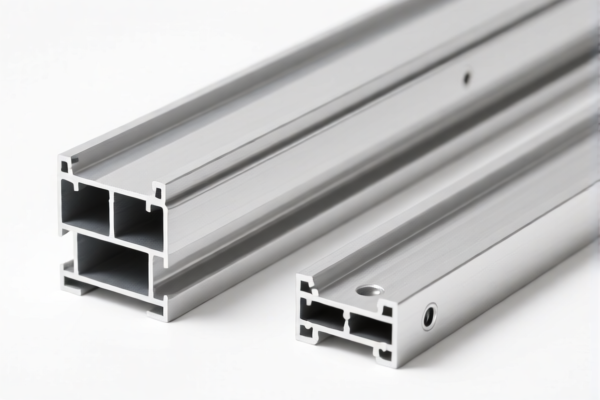
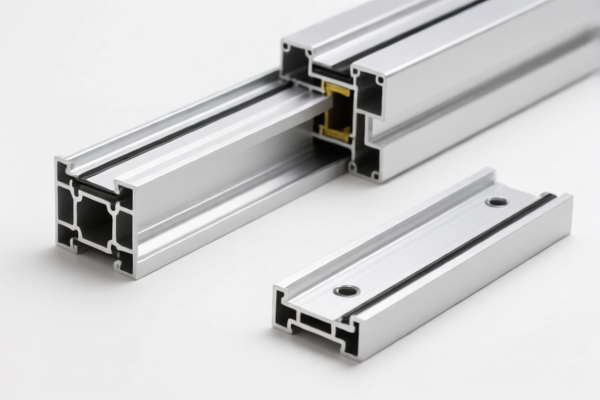
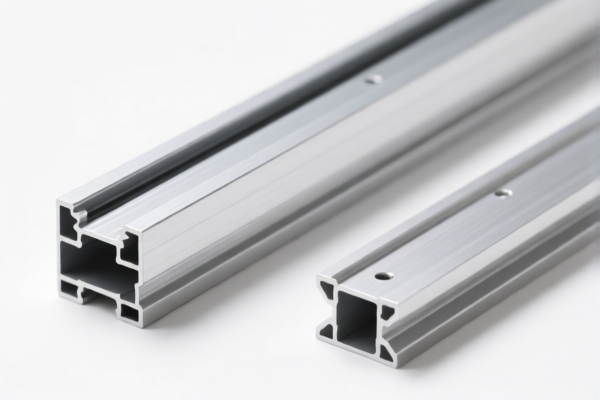
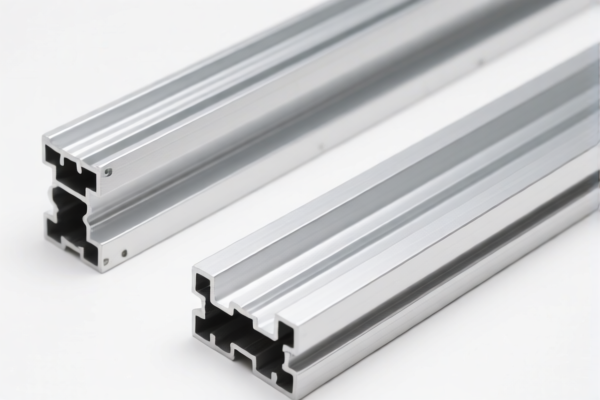
AI Analysis
🏗️ Aluminum Structures & Parts: The Ultimate HS Code & Tariff Guide (2026)
🌐 HS Code Reference & Customs Clearance Strategy | 2026 Latest Tariff Analysis | Professional Clearance Protocol
📌 Part I: Product Definition & Classification Logic – What Are “Aluminum Structures and Parts”?
“Aluminum Structures and Parts” is a broad category in international trade, primarily covering non-structural aluminum components used in general machinery, or specific automotive body parts. In customs classification, the key distinction lies in the specific application (General vs. Automotive) and structural nature.
1. General Aluminum Parts (Non-Automotive)
These are aluminum components used in construction, machinery, or other industrial applications that do not fall under specific automotive headings. They are often treated as "residual" or "other" items if they don’t match specific subheadings for pipes, bars, or profiles.
2. Automotive Aluminum Parts
These are parts specifically designed for vehicles (cars, trucks, etc.), such as bumpers, body frames, or chassis components. The classification strictly follows the vehicle part rules (Chapter 87).
⚠️ Key Distinction Point:
- If the part is for a vehicle (e.g., bumper, body panel) →归入 Chapter 87 (Vehicle Parts).
- If the part is for general use (e.g., bracket, housing, generic component) and doesn’t fit specific shape codes →归入 Chapter 76 (Aluminum), specifically the "Other" or "Residual" categories.
📦 Part II: HS Code Classification Matrix (2026 Latest Tariff Authority)
Based on the provided data, here are the 5 specific HS Codes identified for “Aluminum Structures and Parts”:
| HS Code | Product Description | Application Scenario | Classification Logic |
|---|---|---|---|
7604.10.10.00 |
Aluminum parts (Aluminum material, Parts/Components form) | General industrial aluminum components | Matches specific part rules for aluminum alloys in solid forms. |
7616.99.51.70 |
Aluminum parts (Aluminum material, Parts/Components form) | General aluminum components under "Other" residual category | Fallback logic for aluminum parts not covered elsewhere in Chapter 76. |
7604.29.10.10 |
Aluminum parts (Aluminum material, Parts/Components form) | General aluminum components with no material conflict | Classified under "Other aluminum tubes, pipes, and hollow profiles" or similar residual structural items. |
8708.29.21.30 |
Aluminum vehicle body parts and accessories | Automotive body parts (e.g., doors, hoods, trunk lids) | Default preference for auto parts made of aluminum. |
8708.10.30.30 |
Aluminum bumper stamped parts | Automotive bumpers (Aluminum key material required) | Specific to vehicle bumpers made of aluminum. |
🔍 Critical Reminder:
- Automotive parts (Chapter 87) generally have lower base tariffs (0%-2.5%) compared to general aluminum parts (Chapter 76, 5%).
- However, both categories are subject to the same Additional Tariffs (Section 301 + Section 232/IEEPA).
- Do not mix classifications: A "bumper" must go to 8708, not 7616, even if it’s aluminum.
💰 Part III: 2026 Latest Tariff Rate Breakdown (Including Surcharges & Policy Add-ons)
✅ Applicable Country: United States (US)
✅ Country of Origin: China (CN)
✅ Effective Date: 2025-11-10 onwards (For subsequent imports)
🎯 1. 7604.10.10.00 – General Aluminum Parts (Profile/Part)
| Item | Details |
|---|---|
| Base Tariff | 5.0% (Ad Valorem) |
| Section 301 Surcharge | +25.0% (USITC Footnote 301) |
| Section 232 / IEEPA Surcharge | +10.0% (122-Clause Tariff) |
| Total Tariff Rate | 40.0% |
| Tax Calculation | CIF Value × 40% |
| De Minimis Eligibility | ❌ Not Eligible (deny_de_minimis) |
| Legal Basis Path | USITC:7604.10.10.00 → SECTION_301:25% → IEEPA:10% |
📌 Explanation:
- 5% Base: Standard Most Favored Nation (MFN) rate for aluminum parts.
- 25% Section 301: Retaliatory tariff against Chinese goods.
- 10% IEEPA: Additional tariff under the International Emergency Economic Powers Act.
- Total 40%: High cost impact. Strategic sourcing or tariff engineering may be required.
🎯 2. 7616.99.51.70 – Aluminum Parts (Other/Residual Category)
| Item | Details |
|---|---|
| Base Tariff | 2.5% (Ad Valorem) |
| Section 301 Surcharge | +25.0% |
| Section 232 / IEEPA Surcharge | +10.0% |
| Total Tariff Rate | 37.5% |
| Tax Calculation | CIF Value × 37.5% |
| De Minimis Eligibility | ❌ Not Eligible (deny_de_minimis) |
| Legal Basis Path | USITC:7616.99.51.70 → SECTION_301:25% → IEEPA:10% |
📌 Note:
- Slightly lower base tariff (2.5%) due to its classification as "Other aluminum articles."
- Still subject to the same 35% surcharges, resulting in 37.5% total.
🎯 3. 7604.29.10.10 – Aluminum Parts (No Material Conflict)
| Item | Details |
|---|---|
| Base Tariff | 5.0% (Ad Valorem) |
| Section 301 Surcharge | +25.0% |
| Section 232 / IEEPA Surcharge | +10.0% |
| Total Tariff Rate | 40.0% |
| Tax Calculation | CIF Value × 40% |
| De Minimis Eligibility | ❌ Not Eligible (deny_de_minimis) |
| Legal Basis Path | USITC:7604.29.10.10 → SECTION_301:25% → IEEPA:10% |
📌 Analysis:
- This code often applies to specific aluminum profiles or structural elements that don’t fit the primary "solid aluminum" category but are still general-use.
- 40% Total is the highest burden in the general aluminum category.
🎯 4. 8708.29.21.30 – Aluminum Vehicle Body Parts
| Item | Details |
|---|---|
| Base Tariff | 0.0% (Ad Valorem) |
| Section 301 Surcharge | +25.0% |
| Section 232 / IEEPA Surcharge | +10.0% |
| Total Tariff Rate | 35.0% |
| Tax Calculation | CIF Value × 35% |
| De Minimis Eligibility | ❌ Not Eligible (deny_de_minimis) |
| Legal Basis Path | USITC:8708.29.21.30 → SECTION_301:25% → IEEPA:10% |
📌 Advantage:
- 0% Base Tariff is a significant saving compared to Chapter 76.
- Total 35% is 5% cheaper than general aluminum parts.
- Prerequisite: Must be clearly identified as a vehicle body part.
🎯 5. 8708.10.30.30 – Aluminum Bumper Stamped Parts
| Item | Details |
|---|---|
| Base Tariff | 2.5% (Ad Valorem) |
| Section 301 Surcharge | +25.0% |
| Section 232 / IEEPA Surcharge | +10.0% |
| Total Tariff Rate | 37.5% |
| Tax Calculation | CIF Value × 37.5% |
| De Minimis Eligibility | ❌ Not Eligible (deny_de_minimis) |
| Legal Basis Path | USITC:8708.10.30.30 → SECTION_301:25% → IEEPA:10% |
📌 Note:
- Specific to bumpers. If the part is a bumper but misclassified as a general part, you might pay 40% instead of 37.5%.
- However, if it’s not a bumper, it cannot use this code.
🛠️ Part IV: Customs Clearance Practical Advice (Pitfall Avoidance Guide)
✅ 1. Required Documentation List (Mandatory)
| Document | Must Provide | Explanation |
|---|---|---|
| ✅ Product Specification Sheet | ✔️ | Detailed dimensions, material composition (100% Aluminum?), weight, and function. |
| ✅ Technical Drawings | ✔️ | To prove if it’s a "vehicle part" (Chapter 87) or "general part" (Chapter 76). |
| ✅ Product Photos (Including Labels) | ✔️ | Show model numbers, branding, and any vehicle-specific mounting points. |
| ✅ Commercial Invoice | ✔️ | Must accurately describe the item (e.g., "Aluminum Bumper for Car Model X" vs. "Aluminum Bracket"). |
| ✅ Packing List | ✔️ | Clearly list contents to avoid "undefined parts" flags. |
| ✅ Certificate of Origin (CO) | ✔️ | Required for tariff calculation, but note: China origin triggers surcharges. |
✅ 2. Declaration Strategy (Key Mnemonics)
🔥 “Auto Parts First, General Parts Last. Description Determines Tax!”
| Scenario | Correct HS Code | Error Risk |
|---|---|---|
| Vehicle Bumper (Aluminum) | 8708.10.30.30 (37.5%) |
If declared as "Aluminum Part" → 7616... (37.5%) or 7604... (40%). Slight saving, but correct classification is key for compliance. |
| Vehicle Body Panel (Aluminum) | 8708.29.21.30 (35%) |
If declared as "Aluminum Plate" → 7606... or 7616... (Higher tax). Best Savings Opportunity. |
| General Bracket/Housing | 7604.10.10.00 or 7616.99.51.70 (37.5%-40%) |
Cannot use Chapter 87 unless it’s for a vehicle. |
| Aluminum Tube/Profile | 7604.29.10.10 (40%) |
Specific shape rules apply. |
📌 Critical Tip:
- For Chapter 87 (Auto Parts), ensure the product is specifically identifiable as a part for a vehicle. Generic "aluminum parts" are often pushed back to Chapter 76.
- Documentation must align: If the invoice says "Aluminum Part" but the drawing shows a car bumper, Customs may audit and reclassify.
✅ 3. Special Case Handling
| Scenario | Handling Advice |
|---|---|
| OEM Vehicle Parts | Provide the Vehicle Make/Model and OEM Part Number on the invoice. This supports Chapter 87 classification. |
| Aftermarket Parts | If not OEM, still eligible for Chapter 87 if they fit the vehicle. Provide compatibility list. |
| Mixed Shipments | Do not mix Chapter 76 and Chapter 87 items in one HS Code line item. Declare separately. |
| Kit Assembly | If aluminum parts are sold as a "kit" for vehicle assembly, declare the primary function. If it’s a bumper kit, use 8708.10.30.30. |
🌍 Part V: Global Market Comparison (2026 Latest)
| Country/Region | Recommended HS Code | Tariff Rate (China Origin) | Key Requirements | Notes |
|---|---|---|---|---|
| 🇺🇸 USA | 8708.29.21.30 |
35.0% (Auto Body) | FCC/DOT (if applicable), COO | Best for Auto Parts. Chapter 76 items face 40%. |
| 🇺🇸 USA | 7604.10.10.00 |
40.0% (General) | COO | Highest burden. Consider tariff engineering. |
| 🇨🇳 China | 7604.10.10.00 |
5.0% (Base) | CCC (if applicable) | No US surcharges. |
| 🇪🇺 EU | 7604.10.10.00 |
4.5% (Base) | CE/RoHS | No Section 301/IEEPA surcharges. |
| 🇨🇦 Canada | 7604.10.10.00 |
5.0% (Base) | CUSMA Form A (if Mexican origin) | USMCA may apply if re-shipped from Mexico. |
📌 Conclusion:
- USA is the most expensive market due to Section 301 + IEEPA surcharges.
- Chapter 87 (Auto Parts) offers a 5% tariff saving over Chapter 76.
- Strategic Advice: If your part can be legitimately classified as an auto part, pursue Chapter 87. Otherwise, prepare for 40% duties on general aluminum parts.
📌 Part VI: Common Mistakes & Pitfall Guide (Lessons Learned)
❌ Mistake 1: Declaring a Vehicle Bumper as "Aluminum Part" (7616.99.51.70)
👉 Consequence: You pay 37.5% instead of 37.5% (Same rate, but compliance risk). However, if you declare a Body Panel as a general part, you pay 40% instead of 35%. Always use Chapter 87 for vehicle-specific parts.
❌ Mistake 2: Using "Aluminum Structure" as a vague description
👉 Consequence: Customs will reject the vague description and may assign a generic code with higher scrutiny or penalty. Be specific: "Aluminum Bumper, Model XYZ, for Ford F-150."
❌ Mistake 3: Assuming "De Minimis" exemption applies
👉 Consequence: Incorrect! Section 301 and IEEPA tariffs do not apply to Section 321 (De Minimis) exemptions for China-origin goods. All shipments, regardless of value, are subject to tax.
✅ Correct Practice:
"Aluminum Front Bumper, Stamped, Model ABC, Compatible with Toyota Camry 2023, HS Code 8708.10.30.30"
🎯 Part VII: Conclusion: Precise Classification Saves Money!
🎯 Remember the Mantra:
🔹 "Auto Parts = Chapter 87 (Save 5%)! General Parts = Chapter 76 (Pay 37.5%-40%)!"
🔹 "Surcharges are Non-Negotiable: 25% + 10% on ALL China-Origin Aluminum!"
🔹 "Vague Descriptions = Customs Delays! Be Specific!"
📌 Pro Tip:
If your aluminum parts are assembled in Mexico or Canada (and meet USMCA rules), you may avoid the Section 301 and IEEPA surcharges entirely.
Action Step:
📞 Contact a licensed customs broker for a Binding Ruling before shipping.
🚀 Ensure your Commercial Invoice matches the HS Code exactly.
💼 Every dollar saved on classification is pure profit!
✨ Professional Clearance Starts with Accurate Classification!
💼 Your Costs Are Worth Calculating Precisely!
Customer Reviews
About HS Code Classification
The Harmonized System (HS) is an internationally standardized nomenclature developed by the World Customs Organization (WCO) to classify traded products. Over 200 countries use the HS system as the basis for customs tariffs, trade statistics, and import/export regulations.
Each HS code follows a hierarchical structure:
- Chapter (2 digits) — Broad category of goods (e.g., Chapter 84: Machinery and Mechanical Appliances)
- Heading (4 digits) — More specific grouping within the chapter
- Subheading (6 digits) — Internationally standardized breakdown, used by all WCO member countries
- National subdivisions (8-10 digits) — Country-specific extensions for further classification, such as US HTSUS 10-digit codes
Correct HS code classification is essential for smooth customs clearance, accurate duty payment, and compliance with trade regulations. Misclassification can lead to customs delays, overpayment of duties, or penalties.
When importing from CN to US, the applicable tariff rates may include:
- Most-Favored-Nation (MFN) rate — The standard duty rate applied to WTO members
- General rate — Applied to countries without trade agreements
- Trade remedy duties — Additional tariffs such as Section 301 (anti-dumping), Section 232 (national security), or countervailing duties
The information provided on this page is for reference purposes only. For official classification, please consult with your local customs authority or a licensed customs broker.