Ambient Light
CN → US| HS Code | Tariff Rate | Origin | Destination | Doc |
|---|---|---|---|---|
| 8531200040 | 35.0% | CN | US | Official Doc |
| 8531809051 | 17.5% | CN | US | Official Doc |
| 8543707100 | 37.0% | CN | US | Official Doc |
| 9405426000 | 41.0% | CN | US | Official Doc |
| 9405428410 | 38.9% | CN | US | Official Doc |
Product Images

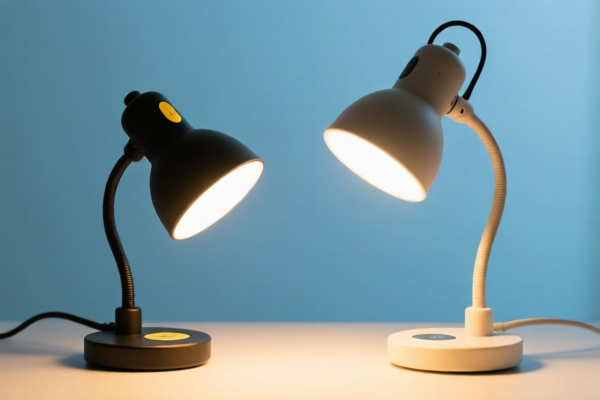
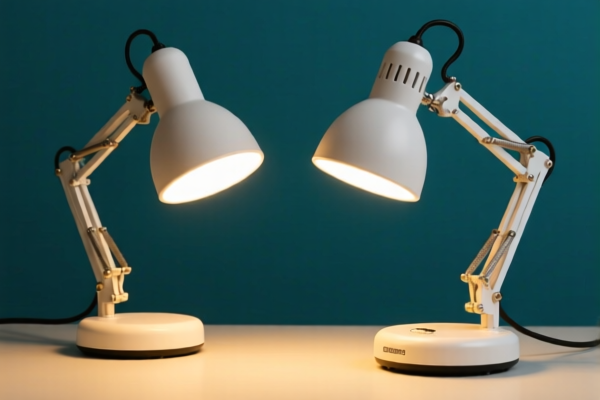
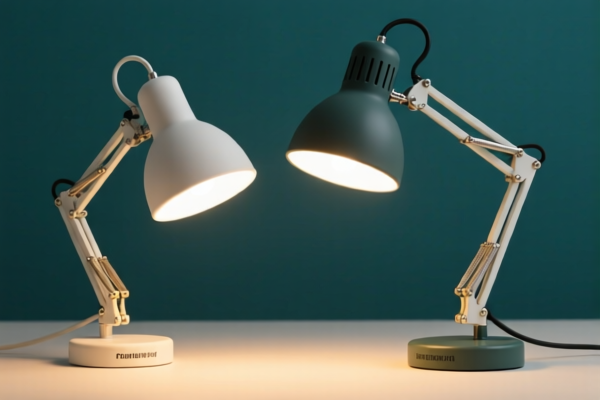
AI Analysis
💡 Ambient Light (LED Atmosphere & Signal Systems)
🌐 HS Code Classification & Customs Clearance Strategy | 2026 Tariff & Regulatory Deep Dive | Professional Import Guide
📌 I. Product Definition: What Exactly is "Ambient Light"?
"Ambient Light" in the context of international trade typically refers to LED lighting fixtures designed to create atmospheric effects, mood lighting, or signaling functions rather than primary task illumination. These products span a wide spectrum from decorative indoor strips to specialized industrial signal lamps.
The classification depends heavily on the primary function (Visual Signal vs. General Lighting) and the structure (Electronic Control vs. Simple Lamp):
- Visual Signal / Indicator Systems: Devices where light is used primarily as a signal, indicator, or alarm rather than for general illumination. (Often falls under Chapter 85.31).
- Specialized Lighting Devices: Electronic lighting apparatus with independent functions, often containing complex control circuits. (Falls under Chapter 85.43 or 94.05).
- General/Decorative Lighting: Fixed or portable lighting fixtures made for atmospheric illumination, often with metal components. (Falls under Chapter 94.05).
⚠️ Key Differentiator:
- If the light is primarily for signaling/mood with electronic control logic → 8531 or 8543.
- If the light is a general lamp/fixture (even LED) → 9405.
- Misclassification Risk: Declaring a complex "Ambient Light" with a control board as a simple "Lamp" to avoid duty often triggers audits, as the "independent electronic function" pushes it into Chapter 85 or 9405 subheadings with higher duties.
📦 II. HS Code Classification Breakdown (2026 Data & Analysis)
Based on the latest data for "Ambient Light" products, here is the precise mapping to HS Codes, tax structures, and usage logic.
| HS Code | Product Description & Logic | Primary Function | Material/Structure Focus |
|---|---|---|---|
| 8531.20.00.40 | Visual Signal Device: LED-based indicator/signaling unit. | Signal/Indicator (Mood/Status) | LED Diodes, Electronic Circuitry |
| 8531.80.90.51 | Other Visual Signal Device: General-purpose signal presentation. | Ambient Signal / Visual Presentation | LEDs / Electronic Components |
| 8543.70.71.00 | Independent Electronic Apparatus: Specialized lighting with electronics. | Independent Electronic Function | Complex Control Board + LED |
| 9405.42.60.00 | Electric Lamp (Non-specific): General LED illumination fixture. | General Lighting / Atmosphere | Includes Base Metal (Iron/Aluminum) |
| 9405.42.84.10 | Specialized LED Luminaire: Dedicated LED light source fixture. | LED Specific Lighting | LED Source + Housing |
🔍 Critical Note:
- Codes 8531 and 8543 are for "Electronic/Signal" functions.
- Codes 9405 are for "Furniture/Lighting Fixtures."
- Tax Warning: The "Signal/Electronic" codes (8531/8543) often attract higher Section 301/IEEPA penalties due to technology content, while 9405 codes might vary based on material composition.
💰 III. 2026 Tariff Rate Breakdown (US Market Specifics)
✅ Origin: China (CN)
✅ Target Market: United States (US)
✅ Effective: 2025-2026 Import Period (Section 301 + IEEPA)
🎯 1. HS Code: 8531.20.00.40 (Signal/Indicator LED)
Best for: High-tech mood lighting that acts as a status indicator.
| Tax Component | Rate | Details |
|---|---|---|
| Base Tariff | 0.0% | Normal MFN Rate |
| Section 301 (Add-on) | 25.0% | "China Trade Action" (301 List) |
| 122 Clause (IEEPA) | 10.0% | Emergency Economic Powers (China) |
| 🔥 TOTAL DUTY | 35.0% | High Risk Category |
| Legal Path | 122 Clause: 10% + 301 Clause: 25% |
No De Minimis Exemption |
📌 Analysis: This code attracts the full 35% burden. It is treated as a high-tech electronic signal device. No duty-free access for Chinese origin.
🎯 2. HS Code: 8531.80.90.51 (Other Signal Devices)
Best for: General ambient signal lights without specific "indicator" classification.
| Tax Component | Rate | Details |
|---|---|---|
| Base Tariff | 0.0% | Normal MFN Rate |
| Section 301 (Add-on) | 7.5% | Reduced 301 rate (List 4A/4B variant) |
| 122 Clause (IEEPA) | 10.0% | Emergency Economic Powers |
| 🔥 TOTAL DUTY | 17.5% | Moderate Risk Category |
| Legal Path | 122 Clause: 10% + 301 Clause: 7.5% |
Strategic Savings |
📌 Analysis: This is the most cost-effective option for signal-type ambient lights. The Section 301 rate is only 7.5% (vs 25%), saving 17.5% on the final duty cost. Verify product description matches "Other" signal devices.
🎯 3. HS Code: 8543.70.71.00 (Independent Electronic Apparatus)
Best for: Smart ambient lights with complex independent control logic.
| Tax Component | Rate | Details |
|---|---|---|
| Base Tariff | 2.0% | Normal MFN Rate |
| Section 301 (Add-on) | 25.0% | High-tech electronics penalty |
| 122 Clause (IEEPA) | 10.0% | Emergency Economic Powers |
| 🔥 TOTAL DUTY | 37.0% | Highest Risk Category |
| Legal Path | Base: 2% + 301: 25% + 122: 10% |
Avoid if possible |
📌 Analysis: While the base rate is 2%, the heavy Section 301 and 122 add-ons push the total to 37%. This is the "Smart Device" trap.
🎯 4. HS Code: 9405.42.60.00 (Electric Lamp - Metal Component)
Best for: Decorative LED fixtures with visible metal bases/housings.
| Tax Component | Rate | Details |
|---|---|---|
| Base Tariff | 6.0% | Normal MFN Rate |
| Section 301 (Add-on) | 25.0% | Fixed duty add-on |
| 122 Clause (IEEPA) | 10.0% | Emergency Economic Powers |
| 🔥 TOTAL DUTY | 41.0% | Highest Risk (Fixed) |
| Legal Path | Base: 6% + 301: 25% + 122: 10% |
Metal Content Trigger |
📌 Analysis: Even though it's a "lamp," the presence of base metal and the Section 301 clause creates the highest total duty (41%). Avoid this code unless the product is strictly a metal fixture with no complex electronics.
🎯 5. HS Code: 9405.42.84.10 (Specialized LED Luminaire)
Best for: Dedicated LED lighting fixtures designed specifically for LED sources.
| Tax Component | Rate | Details |
|---|---|---|
| Base Tariff | 3.9% | Normal MFN Rate |
| Section 301 (Add-on) | 25.0% | Fixed duty add-on |
| 122 Clause (IEEPA) | 10.0% | Emergency Economic Powers |
| 🔥 TOTAL DUTY | 38.9% | High Risk Category |
| Legal Path | Base: 3.9% + 301: 25% + 122: 10% |
LED Specific |
📌 Analysis: Slightly better than 9405.42.60.00 due to lower base (3.9%), but still carries the heavy 25% + 10% penalties.
🛠️ IV. Customs Clearance Strategy (Actionable Advice)
✅ 1. The "Lowest Duty" Strategy
Goal: Minimize tariff burden. Recommendation: If your product can be legally classified as an "Other Visual Signal Device", prioritize HS Code 8531.80.90.51. - Why? The total duty is 17.5%, which is 17.5% lower than the 35% (8531.20.00.40) and 23.5% lower than the 41% (9405.42.60.00) options. - Requirement: Ensure the product is marketed and billed as a "Signal Presentation" or "Ambient Signal" device rather than a "General Light Fixture" to support the 8531.80.90.51 classification.
✅ 2. Avoid the "Metal Trap"
Warning: Do not declare 9405.42.60.00 if the product is primarily an electronic signal device. - The presence of base metal triggers the 41% duty. - Action: If the product is a signal light, declare it under 8531 (Signal Devices) where the 122 clause might apply, but try to target the 7.5% 301 rate (8531.80.90.51).
✅ 3. Documentation Checklist (Non-Negotiable)
| Document | Purpose | Critical Detail |
|---|---|---|
| Technical Spec Sheet | Proves Function | Must explicitly state "Signal Function" or "Ambient Signal" vs "General Illumination". |
| Circuit Diagram | Proves Electronics | Confirms if it falls under 8543 (Complex) or 8531 (Simple Signal). |
| Commercial Invoice | Declares Value | Must match HS Code description exactly. |
| Origin Cert (CO) | Proves Origin | Essential for calculating 122 Clause (China) vs. other origins. |
| Product Photos | Visual Proof | Show the LED array and control unit clearly. |
✅ 4. Special Handling for "122 Clause"
- The 10% 122 Clause (IEEPA) applies to ALL HS Codes in the list provided above because they are all of Chinese Origin.
- No Exemption: Unlike some other duties, there is no "de minimis" exemption for the 122 Clause on these specific high-tech/lighting items.
- Impact: Every shipment is subject to this 10% on top of the 301 rate. Do not try to bypass this via small parcel shipping; customs will still apply it if the HS Code is flagged.
🌍 V. Market Comparison & Risk Summary
| HS Code | Total Tax | Risk Level | Best Use Case | Recommendation |
|---|---|---|---|---|
| 8531.80.90.51 | 17.5% | 🟢 Lowest | General Ambient Signals | ✅ STRONGLY RECOMMENDED |
| 8531.20.00.40 | 35.0% | 🟠 High | Specific Indicators | Use only if product is strictly "Indicator" |
| 8543.70.71.00 | 37.0% | 🔴 High | Smart/Electronic Lights | Avoid unless complex electronics are mandatory |
| 9405.42.84.10 | 38.9% | 🔴 High | Dedicated LED Lamps | Avoid (High Base + Add-ons) |
| 9405.42.60.00 | 41.0% | 🔴 Highest | Metal-Body Lamps | ⚠️ AVOID (Highest Cost) |
📌 VI. Final Verdict & Pro Tips
🔥 "Signal vs. Light" is the Key! - If you can argue your "Ambient Light" is primarily a signal device (8531.80.90.51), you save 23.5% in duties compared to treating it as a metal lamp (9405). - Never declare a high-tech LED controller as a simple "Lamp" to get lower base rates (like 6.0% in 9405) because the Section 301 (25%) + 122 (10%) will crush that saving.
✅ Action Plan for Shippers: 1. Re-evaluate Product Description: Does it fit "Other Visual Signal Device" (8531.80.90.51)? 2. Update Invoices: Ensure the description aligns with the chosen HS Code. 3. Budget for 17.5%: If using the optimal code, plan for a 17.5% total tax burden. 4. Avoid Metal Housings: If possible, design the housing to minimize "Base Metal" classification to avoid the 41% trap.
🚀 Ready to Ship?
📞 Contact your Customs Broker with the "Signal Device" argument for HS Code 8531.80.90.51.
📉 Goal: Save 23.5% in duties immediately!
💼 Your Profit Margin depends on this one digit change!
✨ Precision Classification = Maximum Profit.
🛡️ Stay compliant, stay profitable, and avoid the 41% trap!
Customer Reviews
About HS Code Classification
The Harmonized System (HS) is an internationally standardized nomenclature developed by the World Customs Organization (WCO) to classify traded products. Over 200 countries use the HS system as the basis for customs tariffs, trade statistics, and import/export regulations.
Each HS code follows a hierarchical structure:
- Chapter (2 digits) — Broad category of goods (e.g., Chapter 84: Machinery and Mechanical Appliances)
- Heading (4 digits) — More specific grouping within the chapter
- Subheading (6 digits) — Internationally standardized breakdown, used by all WCO member countries
- National subdivisions (8-10 digits) — Country-specific extensions for further classification, such as US HTSUS 10-digit codes
Correct HS code classification is essential for smooth customs clearance, accurate duty payment, and compliance with trade regulations. Misclassification can lead to customs delays, overpayment of duties, or penalties.
When importing from CN to US, the applicable tariff rates may include:
- Most-Favored-Nation (MFN) rate — The standard duty rate applied to WTO members
- General rate — Applied to countries without trade agreements
- Trade remedy duties — Additional tariffs such as Section 301 (anti-dumping), Section 232 (national security), or countervailing duties
The information provided on this page is for reference purposes only. For official classification, please consult with your local customs authority or a licensed customs broker.