American Black Gloves
CN → US| HS Code | Tariff Rate | Origin | Destination | Doc |
|---|---|---|---|---|
| 6216002600 | 24.5% | CN | US | Official Doc |
| 3926204050 | 16.5% | CN | US | Official Doc |
| 3926201050 | 10.0% | CN | US | Official Doc |
| 6116109500 | 24.5% | CN | US | Official Doc |
Product Images
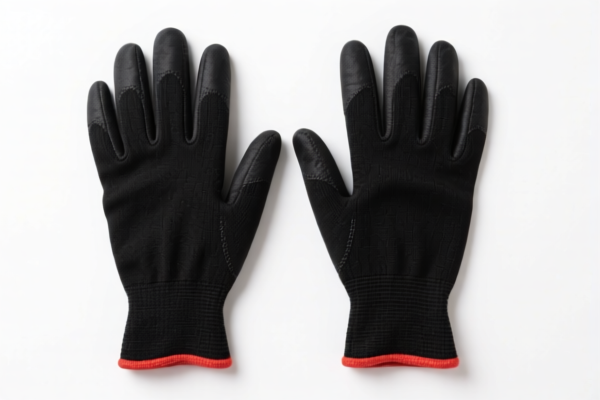
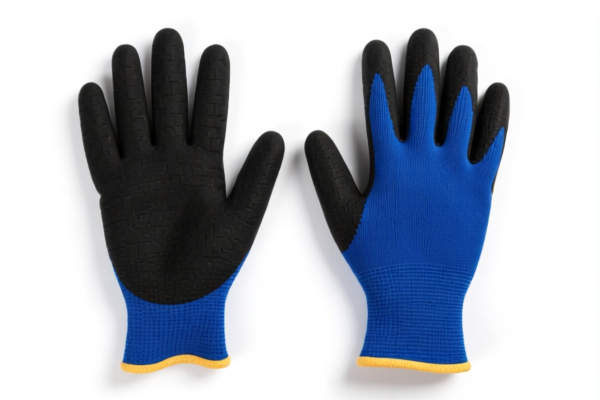
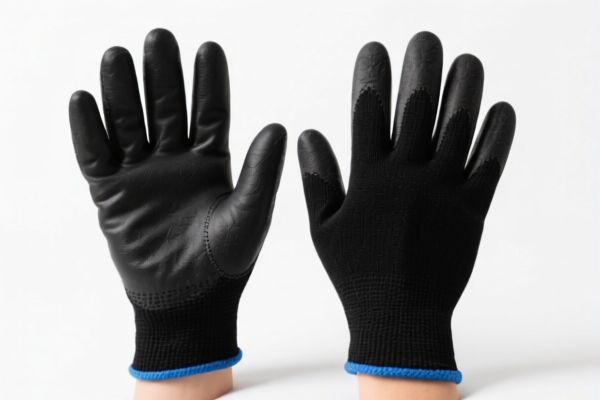
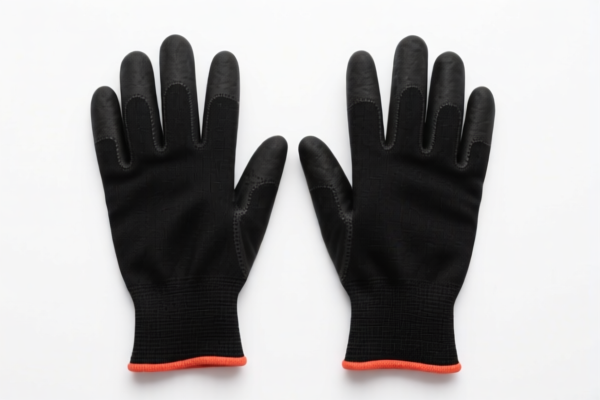
AI Analysis
🖤 American Black Gloves (Tanning Gloves)
🌐 HS Code Reference & Customs Clearance Guide | 2026 Latest Tariff Analysis | Professional-Level Compliance Strategy
📌 I. Product Definition & Classification: Do You Really Understand "Tanning Gloves"?
Tanning Gloves (Commonly known as "American Black Gloves") are specialized protective handwear used to apply self-tanning agents (DHA) evenly and prevent hands from turning orange. In international trade, the classification depends heavily on the material and chemical treatment of the gloves.
Based on common sense and typical product attributes, these gloves fall into two main categories: 1. Coated/Impregnated Gloves: Gloves dipped in or coated with chemicals (tanning agents/silicones) for protection. → Fits Heading 6216. 2. Plastic/Synthetic Material Gloves: Gloves made primarily of plastic, vinyl, or synthetic polymers. → Fits Heading 3926.
⚠️ Key Distinction Point:
- If the gloves are knitted/fabric-based but coated/impregnated with chemicals →归类 6216.00.26.00 or 6116.10.95.00 (High Tariff).
- If the gloves are solid plastic/synthetic (non-coated or standard manufacturing) →归入 3926.20.40.50 or 3926.20.10.50 (Variable Tariff).
📦 II. HS Code Classification Details (2026 Latest Tariff Authority Comparison)
| HS Code | Product Description | Application Scenario | Material Logic |
|---|---|---|---|
6216.00.26.00 |
Gloves, knitted or crocheted, impregnated, coated, covered or laminated with plastics or rubber | Tanning gloves with chemical coating/impregnation for protection; matches "glove" form with chemical treatment. | ✅ Coated/Impregnated Fabric |
3926.20.40.50 |
Other gloves and mittens of plastics | Tanning gloves made of plastic/synthetic materials (e.g., PVC, nitrile) containing skincare/sunscreen ingredients. | ✅ Plastic/Synthetic |
3926.20.10.50 |
Gloves and mittens of plastics | Standard plastic gloves inferred from "tanning" use; no material conflict with plastic category. | ✅ Plastic/Synthetic |
6116.10.95.00 |
Gloves, mittens, and mitts, knitted or crocheted, impregnated, coated, covered or laminated with plastics or rubber | Knitted gloves where "tanning" use does not conflict with "other" category under plastic/rubber coating. | ✅ Knitted + Coated |
🔍 Critical Reminder:
- "Tanning Gloves" are not a standalone HS Code. You must classify based on material composition and treatment.
- If the gloves are fabric-based + chemical dip → Higher Tariff (6216/6116).
- If the gloves are pure plastic → Variable Tariff (3926).
💰 III. 2026 Latest Tariff Rate Breakdown (Including Surcharge & Policy Additions)
✅ Applicable Country: United States (US)
✅ Origin: China (CN)
✅ Effective Date: Post-2025 Importation
🎯 1. 6216.00.26.00 —— Coated/Impregnated Gloves (Fabric + Chemical)
| Item | Content |
|---|---|
| Base Tariff | 7.0% (ad valorem) |
| Section 301 Surcharge | 7.5% |
| Section 122 Tariff | 10% |
| Total Tariff Rate | 24.5% |
| Tax Calculation | CIF Value × 24.5% |
| De Minimis Exemption | ❌ Not Eligible (High tariff rate) |
| Legal Basis Path | Base Rate + Section 301 + Section 122 |
📌 Explanation:
- This code applies to gloves that are textile-based but treated with chemicals/plastics.
- The 24.5% rate is significant due to the accumulation of base duty and multiple surcharges.
- Risk: High cost entry; requires precise material documentation.
🎯 2. 3926.20.40.50 —— Other Plastic Gloves
| Item | Content |
|---|---|
| Base Tariff | 6.5% (ad valorem) |
| Section 301 Surcharge | 0.0% |
| Section 122 Tariff | 10% |
| Total Tariff Rate | 16.5% |
| Tax Calculation | CIF Value × 16.5% |
| De Minimis Exemption | ❌ Not Eligible |
| Legal Basis Path | Base Rate + Section 122 |
📌 Explanation:
- This code is for plastic gloves that do not fit standard basic categories (e.g., specialty tanning gloves).
- The 16.5% rate is lower than6216because Section 301 surcharge (7.5%) is waived for this specific subheading.
- Advantage: Significant cost saving compared to coated fabric gloves.
🎯 3. 3926.20.10.50 —— Plastic Gloves (Standard Category)
| Item | Content |
|---|---|
| Base Tariff | 0.0% (ad valorem) |
| Section 301 Surcharge | 0.0% |
| Section 122 Tariff | 10% |
| Total Tariff Rate | 10.0% |
| Tax Calculation | CIF Value × 10.0% |
| De Minimis Exemption | ❌ Not Eligible |
| Legal Basis Path | Base Rate + Section 122 |
📌 Explanation:
- This code represents standard plastic gloves with no base duty.
- The 10% total rate is the lowest among the options, driven solely by the Section 122 tariff.
- Strategy: If your product can be classified as "standard plastic gloves," this is the most cost-effective option.
🎯 4. 6116.10.95.00 —— Knitted Coated Gloves (Textile Base)
| Item | Content |
|---|---|
| Base Tariff | 7.0% (ad valorem) |
| Section 301 Surcharge | 7.5% |
| Section 122 Tariff | 10% |
| Total Tariff Rate | 24.5% |
| Tax Calculation | CIF Value × 24.5% |
| De Minimis Exemption | ❌ Not Eligible |
| Legal Basis Path | Base Rate + Section 301 + Section 122 |
📌 Explanation:
- Similar to6216, this code applies to knitted gloves that are coated/impregnated.
- 24.5% total rate makes it expensive.
- Caution: Ensure the product is indeed "knitted" and not just "non-woven" or "plastic," or this code may be rejected.
🛠️ IV. Customs Clearance Practical Advice (Battle-Tested Pitfall Guide)
✅ 1. Documentation Checklist (Non-negotiable)
| Document | Required | Purpose |
|---|---|---|
| ✅ Product Specifications | ✔️ | Detail material (plastic vs. fabric), coating type, thickness. |
| ✅ Material Composition Report | ✔️ | Prove if it’s 100% plastic or fabric+coating. Critical for 3926 vs 6216. |
| ✅ Product Photos (Clear) | ✔️ | Show texture, transparency, and packaging. |
| ✅ Commercial Invoice | ✔️ | Clearly state "Tanning Gloves" and HS Code. |
| ✅ Packing List | ✔️ | Confirm quantity and weight. |
| ✅ Certificate of Origin (CO) | ✔️ | Required for origin verification (China). |
✅ 2. Declaration Tips (Key Mantras)
🔥 "Material Dictates Code, Coating Increases Duty, Plastic Saves Money!"
| Scenario | Correct Declaration | Wrong Practice |
|---|---|---|
| 100% Plastic Gloves | 3926.20.10.50 or 3926.20.40.50 |
Misdeclare as "Fabric" → 24.5% |
| Fabric Gloves with Chemical Dip | 6216.00.26.00 |
Misdeclare as "Plastic" → Audit Risk + Back Taxes |
| Knitted Gloves + Coating | 6116.10.95.00 |
Misdeclare as "Uncoated Knitted" → Incorrect Classification |
| Mixed Materials | Provide Detailed BOM | Vague description → Customs Seizure |
✅ 3. Special Circumstances Handling
| Situation | Handling Advice |
|---|---|
| OEM Custom Tanning Gloves | Provide client design + material specs to prove classification. |
| Biodegradable Plastic Gloves | Still classified under 3926 unless special exemptions apply; ensure eco-certifications are attached. |
| Single-Use vs. Reusable | Both fall under 3926 or 6216 depending on material; use is secondary to material. |
| Chemical Content Disclosure | If coated, disclose the chemical nature (e.g., silicone, DHA) to justify "impregnated" status for 6216/6116. |
🌍 V. Global Market Comparison (2026 Latest)
| Country/Region | Recommended HS Code | Tariff (China Origin) | Certification | Notes |
|---|---|---|---|---|
| 🇺🇸 USA | 3926.20.10.50 |
10% (Lowest) | None specific | Best for plastic; 24.5% for coated. |
| 🇺🇸 USA | 6216.00.26.00 |
24.5% (Highest) | None specific | Avoid if possible; high surcharge. |
| 🇨🇳 China | 3926.20.10.50 |
~0-6% | None | Lower domestic duty. |
| 🇪🇺 EU | 3926.20.90 |
~4.5% | CE/RoHS | Different HS structure; consult EU tariff. |
| 🇬🇧 UK | 3926.20.00 |
~4.5% | UKCA | Post-Brexit rules apply. |
📌 Conclusion:
- The US has the most complex tariff structure for tanning gloves, heavily penalizing coated/fabric options.
- Plastic gloves (3926) offer the best cost efficiency (10%–16.5%) due to Section 301 exemptions on certain subheadings.
- Coated gloves (6216/6116) incur 24.5% due to layered surcharges.
📌 VI. Common Mistakes & Pitfall Guide (Lessons Learned)
❌ Mistake 1: Declaring "Tanning Gloves" as 6216 when they are 100% Plastic.
👉 Consequence: Overpaying 14.5% (24.5% vs 10%) unnecessarily.
❌ Mistake 2: Declaring Plastic Gloves as 3926.20.10.50 when they are actually Fabric+Coating.
👉 Consequence: Underpayment + Penalties. Customs will audit and demand back taxes + interest.
❌ Mistake 3: Ignoring the Section 122 Tariff.
👉 Consequence: All options include a 10% surcharge for China-origin goods. Failure to include leads to declaration errors.
❌ Mistake 4: Vague description "Gloves."
👉 Consequence: Customs may assign the highest applicable duty or reject the shipment.
✅ Correct Approach:
"Tanning Gloves, 100% Nitrile Plastic, Disposable, Non-Coated, Model ABC, Origin China"
→ HS Code: 3926.20.10.50
→ Total Duty: 10%
🎯 VII. Conclusion: Precise Classification = Maximized Profit!
🎯 Remember the Mantra:
🔹 "Plastic is King (10%), Coated is King’s Ransom (24.5%). Know your material, save your margin!"
🔹 "Section 122 Hits All, but Section 301 Spares Plastic Subheadings."
📌 Pro Tip:
If your tanning gloves can be engineered as pure plastic (non-fabric, non-coated), choose 3926.20.10.50 for the 10% duty rate.
If they are fabric-based with coating, prepare for the 24.5% rate or consider redesigning materials to fit plastic categories if legally permissible.
Recommendation: Apply for a Binding Ruling from US Customs if the product is borderline.
📣 Immediate Action:
📞 Contact a licensed customs broker.
📄 Submit material composition reports.
🚀 Optimize your HS Code to save up to 14.5% on every shipment!
✨ Professional Clearance Starts with Accurate Classification!
💼 Every cent saved in duty is pure profit!
Customer Reviews
About HS Code Classification
The Harmonized System (HS) is an internationally standardized nomenclature developed by the World Customs Organization (WCO) to classify traded products. Over 200 countries use the HS system as the basis for customs tariffs, trade statistics, and import/export regulations.
Each HS code follows a hierarchical structure:
- Chapter (2 digits) — Broad category of goods (e.g., Chapter 84: Machinery and Mechanical Appliances)
- Heading (4 digits) — More specific grouping within the chapter
- Subheading (6 digits) — Internationally standardized breakdown, used by all WCO member countries
- National subdivisions (8-10 digits) — Country-specific extensions for further classification, such as US HTSUS 10-digit codes
Correct HS code classification is essential for smooth customs clearance, accurate duty payment, and compliance with trade regulations. Misclassification can lead to customs delays, overpayment of duties, or penalties.
When importing from CN to US, the applicable tariff rates may include:
- Most-Favored-Nation (MFN) rate — The standard duty rate applied to WTO members
- General rate — Applied to countries without trade agreements
- Trade remedy duties — Additional tariffs such as Section 301 (anti-dumping), Section 232 (national security), or countervailing duties
The information provided on this page is for reference purposes only. For official classification, please consult with your local customs authority or a licensed customs broker.