Amino Resin Anti corrosion Board
CN → US| HS Code | Tariff Rate | Origin | Destination | Doc |
|---|---|---|---|---|
| 4410190030 | 35.0% | CN | US | Official Doc |
| 4410190060 | 35.0% | CN | US | Official Doc |
| 3921905050 | 39.8% | CN | US | Official Doc |
| 3921190090 | 41.5% | CN | US | Official Doc |
| 4410190030 | 35.0% | CN | US | Official Doc |
Product Images
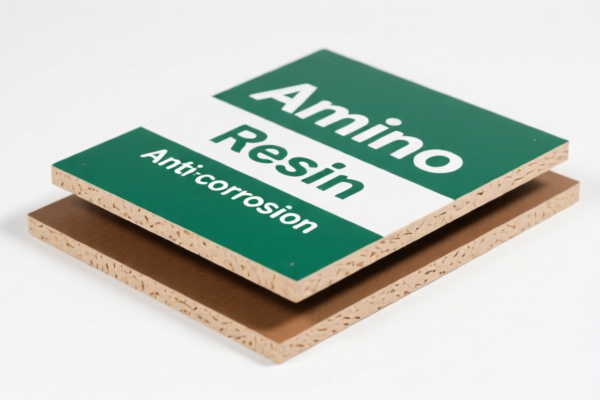
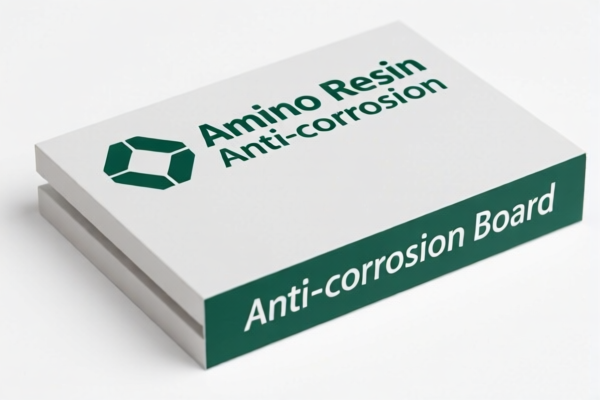
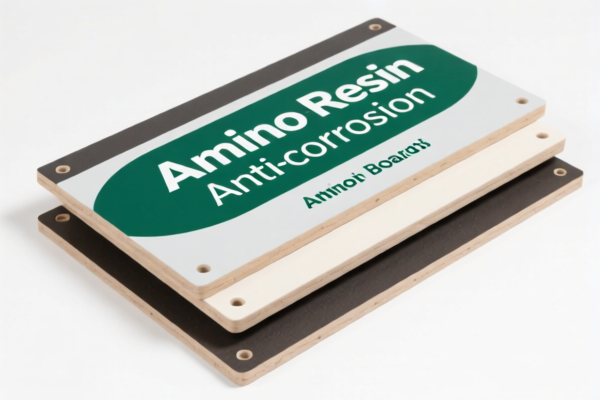
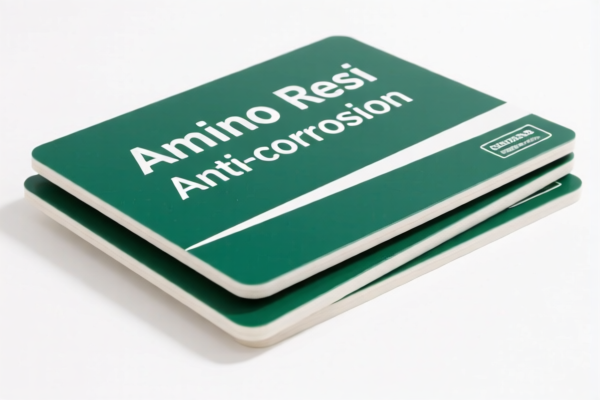
AI Analysis
🛡️ Amino Resin Anti-Corrosion Board (Amino Resin Corrosion-Resistant Panel)
🌐 HS Code Reference & Customs Clearance Guide | 2026 Latest Tariff Analysis | Professional Strategy for US Import
📌 1. Product Definition & Classification: Understanding the Material Nature
Amino Resin Boards are engineered materials used for high-performance surface protection, furniture, and industrial applications. In international trade, the critical distinction lies in the base material:
- Wood-Based Boards (4410 Series): The substrate is wood fibers, particles, or flakes, impregnated or bonded with amino resin for corrosion resistance. This is classified under "Wood and Articles of Wood."
- Plastic/Synthetic Boards (3921 Series): The board is made primarily of synthetic resins (plastics) or is a plastic sheet coated/filled with amino resin properties. This is classified under "Plastics and Articles Thereof."
⚠️ Key Distinction Point:
- If the core structure is wood/wood-fiber →归入 4410.19.00.60 / 4410.19.00.30
- If the core structure is pure plastic/synthetic resin →归入 3921.90.50.50 / 3921.19.00.90
📦 2. HS Code Classification Details (2026 Latest Tariff Authority Comparison)
| HS Code | Product Description | Applicable Scenario | Base Material |
|---|---|---|---|
4410.19.00.60 |
Amino Resin Anti-Corrosion Board; wood-based particle/board | Furniture boards, decorative panels, wood-composite structures | ✅ Wood Fibers/Particles |
4410.19.00.30 |
Amino Resin Anti-Corrosion Board; chemically treated wood-like base | Surface-treated wood boards, similar to particle boards but with specific chemical treatment features | ✅ Wood-based / Wood-like |
3921.90.50.50 |
Amino Resin Fire-Retardant/Corrosion-Resistant Board; Plastic Category | Pure synthetic resin boards, plastic sheets, non-wood composites | ❌ Plastic / Synthetic Resin |
3921.19.00.90 |
Amino Resin Fire-Retardant/Corrosion-Resistant Board; Plastic Category | Solid plastic sheets, films, plates made of amino resins (plastics chapter) | ❌ Plastic / Synthetic Resin |
🔍 Important Reminder:
- "Amino Resin" is just the binding agent or surface coating. The base substrate determines the chapter (44 for Wood, 39 for Plastic). - Misclassifying a wood-based board as plastic (or vice versa) leads to severe customs penalties and delays. - Even if labeled "Fire-Retardant," the material origin (Wood vs. Plastic) remains the primary classifier.
💰 3. 2026 Latest Tariff Rate Breakdown (Including Additional Taxes & Policy Surcharges)
✅ Applicable Country: United States (US)
✅ Country of Origin: China (CN)
✅ Effective Time: From November 10, 2025 (and subsequent imports)
🎯 1. 4410.19.00.60 & 4410.19.00.30 —— Wood-Based Amino Resin Boards
| Item | Details |
|---|---|
| Basic Tariff Rate | 0% (ad valorem) |
| Section 301 Additional Tariff | +25% (USITC Footnote) |
| Section 122 Tariff | +10% (Specific US trade measure) |
| Total Tariff Rate | 35.0% |
| Tax Calculation | CIF Value × 35% |
| De Minimis Exemption | ❌ Not Eligible (deny_de_minimis) |
| Legal Basis Path | USITC:4410.19.00.60 → FOOTNOTE:301 → SECTION122 |
📌 Explanation:
- Although the basic duty is 0%, the Section 301 tariff (25%) and Section 122 tariff (10%) apply to Chinese-made wood-composite boards. - Total Effective Tax: 35%. - These are considered "wood-based" products, so they do not fall under the higher basic plastic tariffs.
🎯 2. 3921.90.50.50 —— Plastic-Based Amino Resin Boards
| Item | Details |
|---|---|
| Basic Tariff Rate | 4.8% |
| Section 301 Additional Tariff | +25% |
| Section 122 Tariff | +10% |
| Total Tariff Rate | 39.8% |
| Tax Calculation | CIF Value × 39.8% |
| De Minimis Exemption | ❌ Not Eligible (deny_de_minimis) |
| Legal Basis Path | USITC:3921.90.50.50 → FOOTNOTE:301 → SECTION122 |
📌 Explanation:
- Plastic-based boards incur a basic duty of 4.8%. - Add 25% (Section 301) + 10% (Section 122). - Total Effective Tax: 39.8%. - This is ~4.8% higher than the wood-based classification.
🎯 3. 3921.19.00.90 —— Plastic Sheets/Films (Amino Resin)
| Item | Details |
|---|---|
| Basic Tariff Rate | 6.5% |
| Section 301 Additional Tariff | +25% |
| Section 122 Tariff | +10% |
| Total Tariff Rate | 41.5% |
| Tax Calculation | CIF Value × 41.5% |
| De Minimis Exemption | ❌ Not Eligible (deny_de_minimis) |
| Legal Basis Path | USITC:3921.19.00.90 → FOOTNOTE:301 → SECTION122 |
📌 Explanation:
- This code often applies to thinner sheets or films of amino resins. - Basic Duty: 6.5% is the highest among the four codes. - Total Effective Tax: 41.5%. - This is the most expensive classification if the product is determined to be a plastic sheet/film.
🛠️ 4. Customs Clearance Practical Advice (Battle-Tested Pitfall Avoidance)
✅ 1. Preparation Checklist (Mandatory Documents)
| Document | Required | Purpose |
|---|---|---|
| ✅ Product Specification Sheet | ✔️ | Must clearly state core material (Wood Fiber vs. Pure Plastic) and resin type (Amino). |
| ✅ Material Composition Report | ✔️ | Third-party lab test showing % of wood vs. plastic/resin. Critical for HS Code selection. |
| ✅ Product Photos (Clear & Detailed) | ✔️ | Show cross-section (to see wood grain vs. uniform plastic texture) and surface. |
| ✅ Commercial Invoice | ✔️ | Accurate description: "Amino Resin Impregnated Wood Board" OR "Amino Resin Plastic Sheet". |
| ✅ Packing List | ✔️ | Weight and dimensions for duty calculation. |
| ✅ Certificate of Origin (CO) | ✔️ | If claiming exemptions (not applicable here for China origin due to 35-41.5% rates). |
✅ 2. Classification Strategy (Key Mnemonic)
🔥 “Wood Base = 35%, Plastic Base = 39.8%-41.5%”
| Scenario | Correct HS Code | Tariff Rate | Wrong Code | Consequence |
|---|---|---|---|---|
| Wood Particle Board + Amino Resin | 4410.19.00.60 / .30 |
35.0% | 3921... |
Underpaid by ~4.8-6.5% → Audit Risk + Back Taxes |
| Pure Plastic Sheet + Amino Resin | 3921.90.50.50 |
39.8% | 4410... |
Overpaid? Or Misclassification → Delay |
| Plastic Film/Sheet + Amino Resin | 3921.19.00.90 |
41.5% | 4410... |
High Risk of Misclassification |
📌 Tip:
- If the board has a visible wood grain or is made of compressed wood chips, always choose 4410. - If the board is uniform, synthetic, and flexible/rigid plastic, choose 3921. - "Anti-Corrosion" or "Fire-Retardant" are functional descriptions, not HS classifiers.
✅ 3. Special Cases & Risk Mitigation
| Situation | Handling Advice |
|---|---|
| Hybrid Boards | If the board has a wood core with a thick plastic coating, consult a customs broker. Usually, the core material dictates the classification. |
| "Amino Resin" Mislabeling | Do not just write "Amino Resin Board." Specify: "Amino Resin-Coated Particle Board" (Wood) or "Amino Resin Plastic Sheet" (Plastic). |
| De Minimis (Section 321) | ❌ Do NOT attempt. These codes are explicitly excluded from de minimis exemptions for Chinese goods. All shipments are subject to full duty. |
| Section 122 Applicability | Ensure the +10% Section 122 is accounted for. It applies to most Chinese-origin goods subject to Section 301. |
🌍 5. Global Market Comparison (2026 Update)
| Country/Region | Recommended HS Code (Wood-Based) | Tariff (China Origin) | Notes |
|---|---|---|---|
| 🇺🇸 USA | 4410.19.00.60 |
35.0% | Includes 25% Sec 301 + 10% Sec 122. |
| 🇨🇳 China | 4410.19.00.60 |
~5-10% | No Section 301/122. |
| 🇪🇺 EU | 4410.19.00 |
~5-7% | Standard MFN rate. No US-style retaliatory tariffs. |
| 🇯🇵 Japan | 4410.19.00 |
~5-8% | CPTPP benefits may apply if rules of origin are met. |
📌 Conclusion:
- The US market is the most expensive for Chinese-made Amino Resin Boards due to Section 301 and Section 122 tariffs. - Wood-based boards (4410) are slightly cheaper to import than Plastic-based boards (3921) in the US. - Always confirm the core material before finalizing the HS Code.
📌 6. Common Mistakes & Pitfalls (Lessons from the Field)
❌ Mistake 1: Classifying all "Resin Boards" under 3921 (Plastic)
👉 Result: If the board is actually wood-based, you pay 35% less duty if corrected, but face penalties for misdeclaration. Conversely, if it’s plastic, you might overpay if you chose 4410.
❌ Mistake 2: Ignoring Section 122
👉 Result: Missing the 10% additional tariff leads to underpayment and customs holds.
❌ Mistake 3: Using "Anti-Corrosion" as the primary description
👉 Result: Customs may reject the description as too vague. Use "Wood-Based" or "Plastic-Based" in the title.
❌ Mistake 4: Assuming De Minimis exemption applies
👉 Result: Small shipments are still taxed at 35-41.5%. No free entry for these goods from China.
✅ Correct Approach:
"Amino Resin-Impregnated Wood Particle Board, Corrosion-Resistant Surface, 18mm Thick, Model XYZ, HS Code 4410.19.00.60"
🎯 7. Conclusion: Precision Classification, Cost Control
🎯 Remember the Formula:
🔹 Wood Core = 35% Total Duty
🔹 Plastic Core = 39.8% - 41.5% Total Duty
🔹 No De Minimis Exemption for Chinese Origin
🔹 Add 35% (Sec 301 + Sec 122) to Basic Duty
📌 Pro Tip:
If your supplier can provide a material composition report proving the core is wood, choose 4410 to save ~4.8-6.5% on duties. Always request a HS Code Pre-Ruling from US Customs and Border Protection (CBP) if the material is ambiguous.
📣 Action Required:
📞 Contact your customs broker with photos and material specs.
🚀 Ensure your invoice clearly states "Wood-Based" or "Plastic-Based" to avoid delays.
✨ Professional Clearance Starts with Accurate Classification!
💼 Your Profit Margin Depends on Getting the HS Code Right!
Customer Reviews
About HS Code Classification
The Harmonized System (HS) is an internationally standardized nomenclature developed by the World Customs Organization (WCO) to classify traded products. Over 200 countries use the HS system as the basis for customs tariffs, trade statistics, and import/export regulations.
Each HS code follows a hierarchical structure:
- Chapter (2 digits) — Broad category of goods (e.g., Chapter 84: Machinery and Mechanical Appliances)
- Heading (4 digits) — More specific grouping within the chapter
- Subheading (6 digits) — Internationally standardized breakdown, used by all WCO member countries
- National subdivisions (8-10 digits) — Country-specific extensions for further classification, such as US HTSUS 10-digit codes
Correct HS code classification is essential for smooth customs clearance, accurate duty payment, and compliance with trade regulations. Misclassification can lead to customs delays, overpayment of duties, or penalties.
When importing from CN to US, the applicable tariff rates may include:
- Most-Favored-Nation (MFN) rate — The standard duty rate applied to WTO members
- General rate — Applied to countries without trade agreements
- Trade remedy duties — Additional tariffs such as Section 301 (anti-dumping), Section 232 (national security), or countervailing duties
The information provided on this page is for reference purposes only. For official classification, please consult with your local customs authority or a licensed customs broker.