Amino Resistant Static Electricity Board
CN → USProduct Images
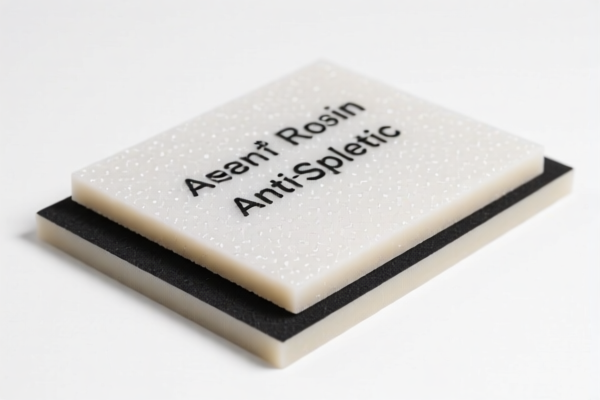
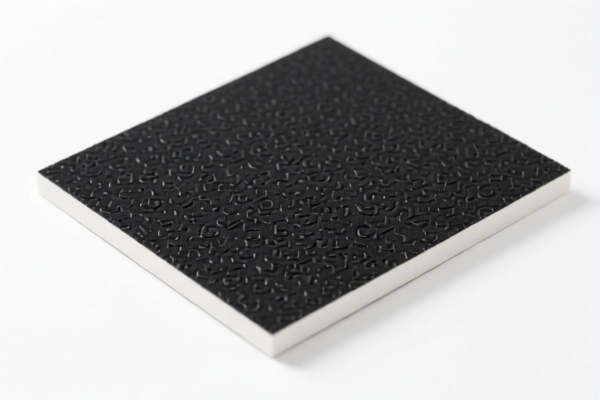
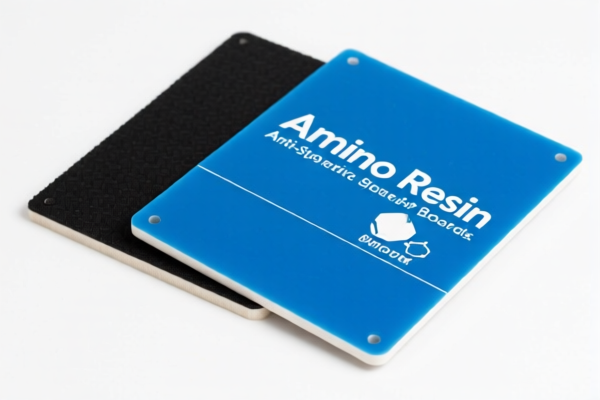
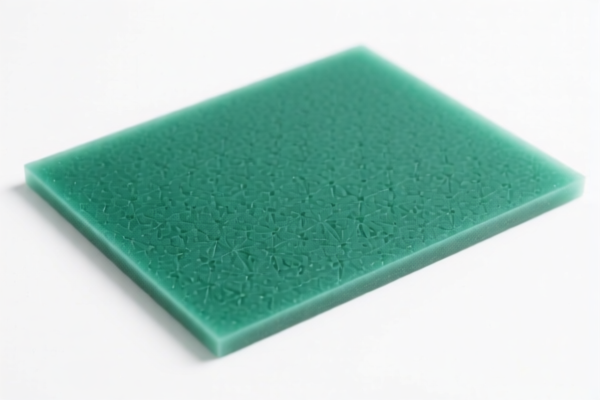
AI Analysis
No data available for "Amino Resistant Static Electricity Board".
Based on the provided <DATA> and <TAX> content, there are no HS Codes, tax rates, or specific clearance recommendations listed for this item.
To assist you effectively, please note the following general classification principles (outside the provided data limits) for educational purposes only:
-
Likely HS Code Categories:
- If it is a sheet/panel made of plastics or other materials: It may fall under Chapter 39 (Plastics) or Chapter 48 (Paper/Cardboard), depending on the material.
- If it is a specialized industrial board with specific electrical properties: It might be classified under Chapter 85 (Electrical machinery) or Chapter 90 (Optical/medical instruments), specifically heading 8537 (Boards for electric control) or 8538 (Parts suitable for use solely or principally with the apparatus of heading 8537), if it functions as an electrical component.
- "Static Electricity Board" often implies a conductive or anti-static material. If it is a raw material (sheet), it is likely 3920 or 3921. If it is a finished article, it depends on its primary function.
-
Why it's not in
<DATA>:- The provided
<DATA>block is empty ({"content":[{"type":"text","text":"[]"}]}), meaning no specific trade data or tax rules were provided for this query. - The term "Amino Resistant" is not a standard HS Code descriptor. It likely refers to a material property (chemical resistance), which affects the material classification (e.g., specific plastic resins) but not the HS code directly.
- The provided
-
Recommendation:
- Provide more details: Specify the material (e.g., PVC, Acrylic, Epoxy), form (sheet, board, panel), and primary use (e.g., laboratory bench, electrical insulation, work surface).
- Consult a Customs Broker: Since "Amino Resistant" and "Static Electricity" are functional/material claims, the correct HS code depends heavily on the essential character of the goods. Misclassification can lead to incorrect duty rates (which vary significantly between materials like plastics vs. electrical parts).
Please re-submit your request with additional product details or provide the specific HS Code you wish to query, so I can generate the detailed tax and clearance guide from the <DATA> if it were populated.
Customer Reviews
About HS Code Classification
The Harmonized System (HS) is an internationally standardized nomenclature developed by the World Customs Organization (WCO) to classify traded products. Over 200 countries use the HS system as the basis for customs tariffs, trade statistics, and import/export regulations.
Each HS code follows a hierarchical structure:
- Chapter (2 digits) — Broad category of goods (e.g., Chapter 84: Machinery and Mechanical Appliances)
- Heading (4 digits) — More specific grouping within the chapter
- Subheading (6 digits) — Internationally standardized breakdown, used by all WCO member countries
- National subdivisions (8-10 digits) — Country-specific extensions for further classification, such as US HTSUS 10-digit codes
Correct HS code classification is essential for smooth customs clearance, accurate duty payment, and compliance with trade regulations. Misclassification can lead to customs delays, overpayment of duties, or penalties.
When importing from CN to US, the applicable tariff rates may include:
- Most-Favored-Nation (MFN) rate — The standard duty rate applied to WTO members
- General rate — Applied to countries without trade agreements
- Trade remedy duties — Additional tariffs such as Section 301 (anti-dumping), Section 232 (national security), or countervailing duties
The information provided on this page is for reference purposes only. For official classification, please consult with your local customs authority or a licensed customs broker.