Ammonium Phosphate Fire Extinguishing Agent Raw Material
CN → US| HS Code | Tariff Rate | Origin | Destination | Doc |
|---|---|---|---|---|
| 3813001000 | 35.0% | CN | US | Official Doc |
| 2835292000 | 36.5% | CN | US | Official Doc |
| 3813005000 | 38.7% | CN | US | Official Doc |
| 3813001000 | 35.0% | CN | US | Official Doc |
| 2835292000 | 36.5% | CN | US | Official Doc |
Product Images
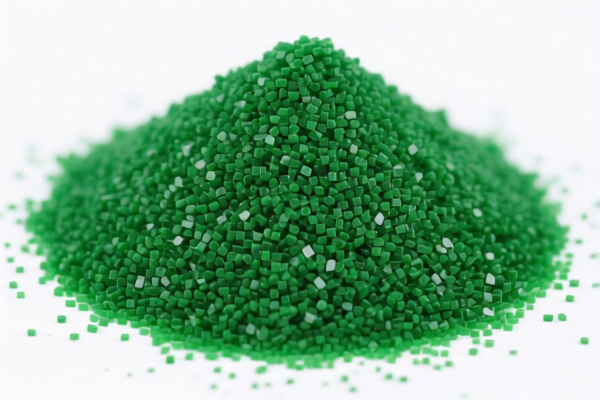
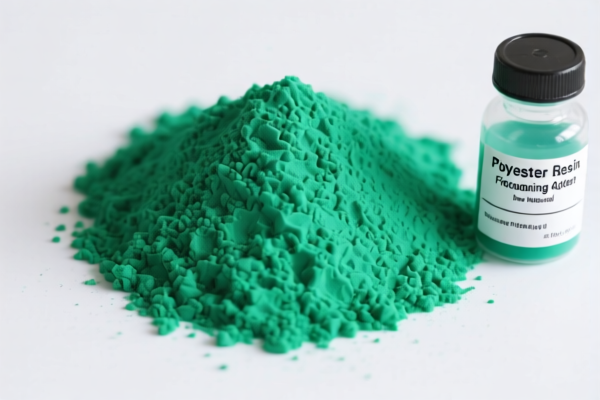
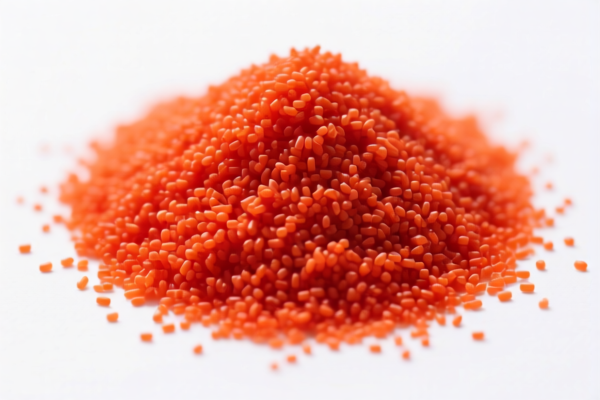
AI Analysis
🔥 Ammonium Phosphate Fire Extinguishing Agent Raw Material
🌐 HS Code Reference & Customs Clearance Guide | 2026 Latest Tariff Analysis | Professional Entry Strategies
📌 I. Product Definition & Classification: What Exactly is "Ammonium Phosphate Fire Extinguishing Agent"?
Ammonium Phosphate Fire Extinguishing Agent is a chemical compound primarily used in fire suppression systems. In international trade, its classification hinges on two critical factors:
1. Chemical Nature: Is it classified purely as a chemical substance (phosphate salt) or as a prepared fire-fighting product?
2. Composition: Does it meet the definition of a "preparation" (mixed with other agents) or a "pure/inorganic substance"?
⚠️ Key Distinction Points:
- If viewed strictly as a chemical ingredient/phosphate salt without specific fire-fighting additives beyond the salt itself → Potentially classified under Chapter 28 (Inorganic Chemicals).
- If viewed as a finished/prepared fire-fighting agent (even if raw powder) intended for immediate use in extinguishers → Classified under Chapter 38 (Miscellaneous Chemical Products).
📦 II. HS Code Classification Details (2026 Latest Tariff Authority Comparison)
Based on the provided data, there are three distinct classification paths depending on the specific chemical definition and usage context. Note that two HS codes appear multiple times with identical summaries, indicating they are the primary valid options for different interpretations.
| HS Code | Summary of Classification Logic | Total Tax Rate | Tax Detail Breakdown |
|---|---|---|---|
3813.00.10.00 |
Interpretation A: Identified as an inorganic compound. The material is "composed entirely of inorganic substances," and the function is "fire extinguishing agent." | 35.0% | Base: 0.0% Section 301: 25.0% Section 122: 10.0% |
2835.29.20.00 |
Interpretation B: Identified by chemical composition. Contains ammonium phosphate, fitting under "Phosphates" category. No material conflict with phosphate salts. | 36.5% | Base: 1.5% Section 301: 25.0% Section 122: 10.0% |
3813.00.50.00 |
Interpretation C: Identified by product name. "Ammonium Phosphate" is a chemical preparation; "Fire Extinguishing Agent" matches the heading's purpose exactly ("Fire extinguishing preparations"). | 38.7% | Base: 3.7% Section 301: 25.0% Section 122: 10.0% |
🔍 Critical Analysis:
- Option 1 (3813.00.10.00) offers the lowest tax burden (35.0%). It relies on the argument that the agent is fundamentally an inorganic substance with a fire-fighting purpose.
- Option 2 (2835.29.20.00) is a chemical-centric approach (36.5%). It classifies the item based on its salt composition (Ammonium Phosphate) rather than its final use.
- Option 3 (3813.00.50.00) is the highest tax bracket (38.7%). It strictly follows the "Fire Extinguishing Preparations" heading, applying a higher base tariff.📌 Recommendation:
- If the product is pure ammonium phosphate powder intended for fire suppression,3813.00.10.00is likely the most favorable if customs accepts the "inorganic substance" narrative.
- If the product is a mixture or clearly labeled as a "fire extinguishing preparation,"3813.00.50.00might be forced, but2835.29.20.00offers a middle ground if the chemical nature is emphasized.
💰 III. 2026 Latest Tariff Rate Breakdown (Including Add-on Taxes, Policy Surcharges)
✅ Applicable Country: United States (US)
✅ Country of Origin: China (CN)
✅ Effective Date: 2025/2026 (Post-Section 301 & IEEPA adjustments)
🎯 1. 3813.00.10.00 — Inorganic Fire Extinguishing Agent (Lowest Cost Option)
| Item | Detail |
|---|---|
| Base Tariff | 0.0% (ad valorem) |
| USITC Section 301 Surcharge | +25.0% |
| IEEPA Section 122 Surcharge | +10.0% |
| Total Effective Tax Rate | 35.0% |
| Tax Calculation | CIF Value × 35.0% |
| De Minimis Exemption? | ❌ NO (Denied under current trade rules) |
| Legal Authority Path | IEEPA:9903.01.25 → USITC:3813.00.10.00 → FOOTNOTE:301 |
📌 Explanation:
- The 0% base rate is attractive, but the 35% total is still significant.
- This classification argues that the "inorganic" nature overrides the "preparation" aspect, saving the 1.5%-3.7% base difference.
🎯 2. 2835.29.20.00 — Other Phosphates (Chemical Focus)
| Item | Detail |
|---|---|
| Base Tariff | 1.5% |
| USITC Section 301 Surcharge | +25.0% |
| IEEPA Section 122 Surcharge | +10.0% |
| Total Effective Tax Rate | 36.5% |
| Tax Calculation | CIF Value × 36.5% |
| De Minimis Exemption? | ❌ NO |
| Legal Authority Path | IEEPA:9903.01.25 → USITC:2835.29.20.00 → FOOTNOTE:301 |
📌 Note:
- This is a safer chemical classification if customs inspectors focus on the molecular structure (Ammonium Phosphate) rather than the end-use.
- The 1.5% base rate is slightly higher than Option 1, leading to a 1.5% higher total tax.
🎯 3. 3813.00.50.00 — Fire Extinguishing Preparations (Highest Cost Option)
| Item | Detail |
|---|---|
| Base Tariff | 3.7% |
| USITC Section 301 Surcharge | +25.0% |
| IEEPA Section 122 Surcharge | +10.0% |
| Total Effective Tax Rate | 38.7% |
| Tax Calculation | CIF Value × 38.7% |
| De Minimis Exemption? | ❌ NO |
| Legal Authority Path | IEEPA:9903.01.25 → USITC:3813.00.50.00 → FOOTNOTE:301 |
📌 Warning:
- This is the standard "Fire Extinguishing Agent" classification.
- Avoid this unless your product is clearly a mixture (e.g., ammonium phosphate + dry chemical agents + flow agents) that cannot be classified as a pure chemical.
🛠️ IV. Customs Clearance Practical Advice (Real-World Pitfall Guide)
✅ 1. Required Documentation Checklist (Non-Negotiable)
| Document | Must Provide | Purpose |
|---|---|---|
| ✅ Technical Data Sheet (TDS) | ✔️ | Must specify chemical composition (e.g., % Ammonium Phosphate). Critical for proving "inorganic" vs. "mixture." |
| ✅ Safety Data Sheet (SDS) | ✔️ | Section 3: Composition. Must list Ammonium Phosphate as the primary ingredient. |
| ✅ Product Photo (Label) | ✔️ | Clear view of "Fire Extinguishing Agent" or "Chemical Compound." |
| ✅ Certificate of Analysis (COA) | ✔️ | Proves purity level. High purity supports 3813.00.10.00 or 2835.29.20.00. |
| ✅ Commercial Invoice | ✔️ | Description should be precise: "Ammonium Phosphate (NH4H2PO4) for Fire Suppression" vs. "Fire Extinguishing Powder." |
| ✅ Bill of Lading | ✔️ | Ensure weight matches invoice. |
✅ 2. Declaration Strategy (Key Keywords)
🔥 "Chemical Identity Over Function, Save on Base Rate!"
| Scenario | Recommended Declaration | Risk |
|---|---|---|
| High Purity Ammonium Phosphate | "Inorganic Chemical Compound: Ammonium Phosphate for Fire Extinguishing" | Low Risk (Favors 3813.00.10.00) |
| Standard Fire Powder | "Fire Extinguishing Agent, Dry Chemical, Ammonium Phosphate Base" | Medium Risk (May be forced to 3813.00.50.00) |
| Mixed Chemicals | "Fire Suppression Chemical Mixture" | High Risk (Likely 3813.00.50.00) |
| Raw Salt | "Ammonium Phosphate, Technical Grade, HS 2835.29" | Low Risk (Favors 2835.29.20.00) |
📌 Tip:
- If you declare "Fire Extinguishing Agent" directly, Customs may default to 3813.00.50.00 (38.7%).
- If you declare "Ammonium Phosphate Chemical Compound", Customs may accept 3813.00.10.00 (35.0%) or 2835.29.20.00 (36.5%).
✅ 3. Special Circumstances
| Situation | Handling Advice |
|---|---|
| Bulk vs. Retail | Bulk industrial powder is more likely to be seen as a chemical (2835/3813.10). Retail boxes are "fire extinguishing preparations" (3813.50). |
| Mixed with Halon or ABC Powders | If mixed, it is a "preparation" → Likely 3813.00.50.00. Avoid claiming it as pure phosphate. |
| OEM/Contract Manufacturing | Provide client specifications. If the client specifies "Ammonium Phosphate Raw Material," use chemical HS codes. |
| Dangerous Goods (DG) Declaration | Ammonium Phosphate is generally not hazardous, but fire extinguishers are. Ensure DG documentation aligns with chemical, not device, classification. |
🌍 V. Global Market Comparison (2026 Latest)
| Country/Region | Recommended HS Code | Estimated Tax | Notes |
|---|---|---|---|
| 🇺🇸 USA | 3813.00.10.00 |
35.0% | Lowest US rate. Avoid 3813.00.50.00 (38.7%). |
| 🇺🇸 USA (Alternative) | 2835.29.20.00 |
36.5% | Safe chemical fallback. |
| 🇨🇳 China (Export) | 3813.00.10.00 |
0% (VAT refund applies) | Export tax is 0%; focus on destination tax. |
| 🇪🇺 EU | 2835.29 |
0-6.5% | No Section 301/122 surcharges. Base tariff applies. |
| 🇮🇳 India | 2835.29 |
7.5-15% | IGST applies. Lower than US total. |
📌 Conclusion:
- USA is the most expensive market due to叠加 (stacking) of 301 and 122 tariffs.
- Strategy: Aim for3813.00.10.00to minimize US duty costs.
- Warning: Do not use "Fire Extinguisher" or "Fire Kit" in descriptions. Use "Chemical Raw Material" or "Fire Suppressant Compound."
📌 VI. Common Mistakes & Pitfalls (Lessons Learned)
❌ Mistake 1: Declaring as "Fire Extinguisher" (the device)
👉 Result: Wrong HS Code (8424/9032), high scrutiny, penalties.
✅ Correction: It is a raw material/agent, not the device.
❌ Mistake 2: Using generic "Chemical Powder" without specifying composition
👉 Result: Customs assigns worst-case HS code (3813.00.50.00 at 38.7%).
✅ Correction: Specify "Ammonium Phosphate" clearly in the description.
❌ Mistake 3: Ignoring Section 122 (IEEPA)
👉 Result: Underestimating tax by 10%. Total tax is not just 25%, but 35%+.
✅ Correction: Always calculate Base + 25% + 10%.
❌ Mistake 4: Claiming "De Minimis" (Section 321)
👉 Result: Denied. Chemicals over $800 are subject to full tariffs.
✅ Correction: Prepare for full duty payment.
🎯 VII. Conclusion: Strategic Classification for Cost Efficiency
🎯 Remember the Mantra:
🔹 "Specify Chemistry, Not Just Function."
🔹 "Ammonium Phosphate = Chemical (35%) > Fire Agent (38.7%)."
🔹 "301 + 122 = 35% Minimum. Prepare Cash Flow!"
📌 Pro Tip:
If your product is 100% Ammonium Phosphate, push for 3813.00.10.00 (35.0%).
If it is a blend, consider 2835.29.20.00 (36.5%) if it emphasizes the salt nature.
Avoid 3813.00.50.00 (38.7%) unless you have no choice.
📣 Immediate Action:
📞 Contact your customs broker with the TDS and SDS.
📝 Request an Advance Ruling (Binding Ruling) from US CBP for3813.00.10.00.
🚀 Save 3.7% per shipment. On $1M in goods, that’s $37,000 in savings!
✨ Professional Clearance Starts with Accurate Classification!
💼 Every percentage point counts in cross-border trade!
Customer Reviews
About HS Code Classification
The Harmonized System (HS) is an internationally standardized nomenclature developed by the World Customs Organization (WCO) to classify traded products. Over 200 countries use the HS system as the basis for customs tariffs, trade statistics, and import/export regulations.
Each HS code follows a hierarchical structure:
- Chapter (2 digits) — Broad category of goods (e.g., Chapter 84: Machinery and Mechanical Appliances)
- Heading (4 digits) — More specific grouping within the chapter
- Subheading (6 digits) — Internationally standardized breakdown, used by all WCO member countries
- National subdivisions (8-10 digits) — Country-specific extensions for further classification, such as US HTSUS 10-digit codes
Correct HS code classification is essential for smooth customs clearance, accurate duty payment, and compliance with trade regulations. Misclassification can lead to customs delays, overpayment of duties, or penalties.
When importing from CN to US, the applicable tariff rates may include:
- Most-Favored-Nation (MFN) rate — The standard duty rate applied to WTO members
- General rate — Applied to countries without trade agreements
- Trade remedy duties — Additional tariffs such as Section 301 (anti-dumping), Section 232 (national security), or countervailing duties
The information provided on this page is for reference purposes only. For official classification, please consult with your local customs authority or a licensed customs broker.